Easy Tuna Salad Sandwich: High-Protein & Light
This classic tuna salad sandwich uses a creamy dressing and simple steps to deliver a reliable midday meal in only ten minutes.
10-minute prep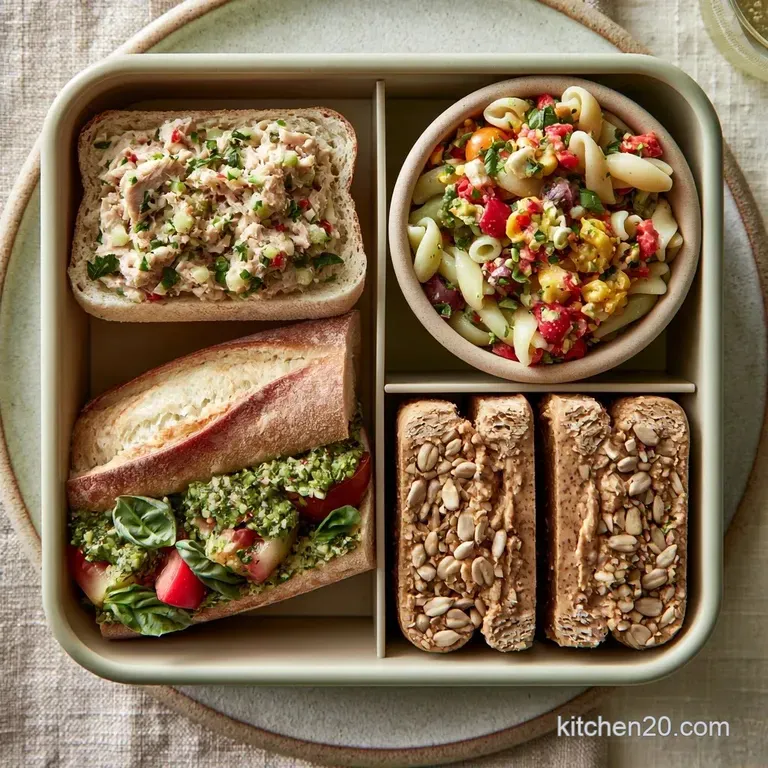
Packing lunch boxes every morning can easily feel like a chore, especially when you are trying to balance nutrition with what kids will actually eat. This collection of school lunch recipes focuses on simple, reliable options that survive the trip from the morning fridge to the midday cafeteria table.
Instead of spending hours prepping elaborate bento boxes, these ideas focus on smart ingredient placement and quick prep. You will find ways to keep sandwiches from getting soggy and cold salads that actually taste better after sitting in an insulated bag.
A successful school lunch relies on three main factors: portability, ease of eating, and stable freshness. Unlike home lunches that can be reheated or assembled right before serving, school meals must sit in a lunchbox for several hours.
This means bread needs protection from wet fillings, vegetables should stay crisp without turning watery, and proteins must be safe to eat at cool temperatures. A reliable recipe relies on ingredients that hold their structure and flavor over time.
By focusing on smart layering, such as placing cheese or spreads against the bread, you can ensure the meal tastes just as good at noon as it did when you packed it at seven in the morning.
Selecting the right midday meal depends on your morning schedule and your child's preferences. For hectic weekdays, a ten-minute sandwich with pantry staples is the easiest path forward. If you prefer prepping on Sunday nights, a cold pasta salad scales up easily to feed several kids for multiple days.
Nut-free restrictions at school also play a major role in your choice, making seeds and seed-based spreads excellent alternatives to traditional nut butter. Consider whether the meal needs to be kept strictly cold with ice packs, or if it can sit comfortably at room temperature.
Matching the recipe style to your weekly routine keeps lunch prep simple and stress-free.
These simple sandwiches come together in ten minutes or less using basic pantry ingredients. We group them here because they require minimal morning effort and focus on structural tricks to keep the bread fresh and soft until lunch.
This classic tuna salad sandwich uses a creamy dressing and simple steps to deliver a reliable midday meal in only ten minutes.
10-minute prepA nut-free twist on a classic favorite, this sandwich uses sunflower butter and a clever assembly technique to keep the bread light and dry.
nut-free optionThese recipes are perfect for preparing the night before because their flavors meld and improve over time. They offer a great alternative to standard sandwiches, giving kids a fresh, midday break.
Fresh mozzarella, ripe tomatoes, and savory pesto come together on sturdy ciabatta bread for a vegetarian option that avoids getting soggy.
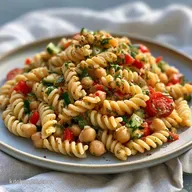
vegetarian optionPerfect for large families, this colorful pasta salad features crisp vegetables and a juicy dressing that holds up beautifully in a lunchbox.
prep-ahead saladKeeping school lunches safe is a top priority, especially when packing perishable items like fish, dairy, or mayonnaise. In most cases, it is a good idea to pack meals in an insulated lunch box with at least two cold packs to maintain a safe temperature until lunchtime.
To reduce risks, you should keep sandwiches chilled in the refrigerator until the exact moment you leave the house. For pasta salads, storing them in airtight containers helps retain moisture while keeping other foods dry.
Best practice is to consume any meat or fish-based sandwiches on the day they are made, while simple vegetable pasta can generally last for a couple of days when kept consistently cold.
| # | Recipes | Best For | Time | Difficulty | Style | Main Ingredient |
|---|---|---|---|---|---|---|
| 1 | Easy Tuna Salad Sandwich in 10 Minutes | Classic quick lunch | 10 min | Easy | Sandwich | Tuna |
| 2 | Sunflower Butter and Jelly: Crispy | Nut-free allergen safety | 10 min | Easy | Sandwich | Sunflower Butter |
| 3 | Caprese Sandwich with Pesto in 20 Minutes | Vegetarian lunchbox meal | 20 min | Easy | Sandwich | Mozzarella & Pesto |
| 4 | Cold Pasta Salad with Veggies for 8 | Prep-ahead weekly meal prep | 20 min | Easy | Pasta Salad | Pasta & Veggies |
Discover more curated recipe collections
Explore more recipe collections →