Zuppa Di Pesce: a Silky Italian Fish Stew
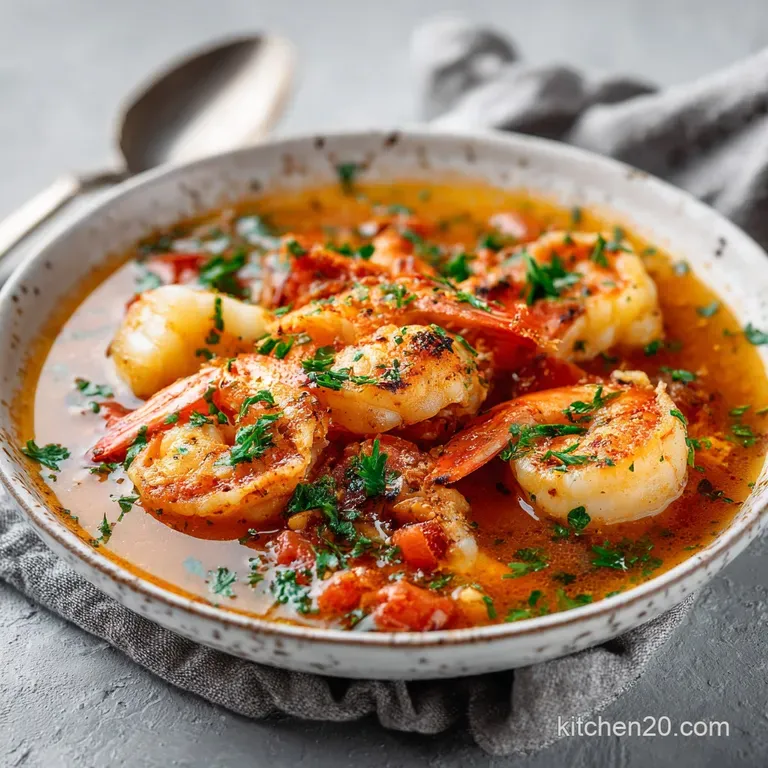
- Time: Active 15 minutes, Passive 25 minutes, Total 40 minutes
- Flavor/Texture Hook: Silky tomato broth with snappy shrimp and flaky white fish.
- Perfect for: A sophisticated weekend dinner that feels like a coastal getaway.
- Mastering This Aromatic Fish Soup
- How the Broth Stays Bright and Balanced
- Component Analysis for Peak Performance
- The Essential Seafood Stew Ingredient List
- Essential Tools for Successful Braising
- Bringing the Seafood Together Step by Step
- Managing Common Seafood Pitfalls
- Adjusting the Volume of Your Stew
- Debunking Seafood Preparation Fallacies
- Smart Storage and Sustainability Guidelines
- Three Tiers of Plating Excellence
- CRITICAL Sodium Alert!
- Recipe FAQs
- 📝 Recipe Card
Mastering This Aromatic Fish Soup
Forget everything you have been told about simmering a soup for hours to get "real" flavor. If you try that with seafood, you are basically making expensive pencil erasers. Most people assume that a deep, complex Fish Soup requires a whole day in the kitchen, but the truth is that the best versions are actually a sprint, not a marathon.
We want the fish to just barely reach that point of opaque perfection where it flakes at the sight of a spoon, not something that has been boiled into submission.
When I first started playing with this recipe, I thought more time meant more love. I ended up with a pot of grey, mushy fish and rubbery clams. It was a total disaster. The breakthrough happened when I realized the broth is the platform, and the seafood is the star.
You build a rock solid, flavor dense liquid first, then you let the seafood gently poach in a quick, controlled burst of heat. This creates a connected eating experience where the broth tastes like the sea, but the fish still tastes like fish.
We are revolutionizing the way you look at a weeknight meal here. By using high-quality clam juice and a splash of white wine, we are skipping the eight hour stock making process and jumping straight to the good part. You get that striking, deep red broth and the delicate sweetness of the shellfish in under an hour.
It is a total shift in how we approach "fancy" cooking at home, and once you see how easy it is to manage these layers of flavor, you will never go back to the canned stuff again.
How the Broth Stays Bright and Balanced
Sequential Poaching: We add the thickest fish and the hard shell clams first because they act as a heat sync, requiring more energy to cook through without toughening.
Maillard Foundation: Browning the fennel and shallots creates a caramelized sugar base that provides a counterpoint to the acidity of the San Marzano tomatoes.
Alcohol Volatilization: Simmering the white wine briefly removes the harsh "boozy" bite while leaving behind the tartaric acid that cuts through the richness of the olive oil.
Saffron Infusion: The heat of the simmering broth releases crocin from the saffron threads, which acts as a bridge, connecting the earthy fennel notes to the briny seafood.
Emulsified Finish: Stirring in fresh olive oil at the very end creates a temporary emulsion that gives the broth a velvety mouthfeel instead of a watery one.
| Thickness | Internal Temp | Rest Time | Visual Cue |
|---|---|---|---|
| 2 inch Cod Chunks | 63°C | 2 mins | Opaque and flakes easily |
| Large Shrimp | 49°C | 1 min | C shape and pink/orange |
| Mussels/Clams | N/A | 1 min | Shells fully opened |
Adding the seafood in stages is the only way to ensure the shrimp do not turn into tiny, tough knots while the cod is still raw in the middle. Think of it like a coordinated launch; everything needs to hit its peak at the exact same moment.
If a clam stays closed, it is telling you it was not part of the plan toss it out immediately.
Component Analysis for Peak Performance
In this section, we are looking at why certain elements are non negotiable for a high-quality result. This is not just a list; it is about how these parts interact to create a cohesive dish. For example, using a high-quality silky smooth sauce technique like finishing with cold fats can change the entire texture of your broth.
| Ingredient | Science Role | Pro Secret |
|---|---|---|
| Clam Juice | Umami Platform | Provides the "sea" flavor without the muddy notes of cheap stock. |
| Tomato Paste | Flavor Concentrator | Frying it in oil removes the metallic canned taste and adds sweetness. |
| Fennel | Aromatic Bridge | The anise notes mimic the natural sweetness found in fresh shellfish. |
| Saffron | Olfactory Connection | Acts as a natural flavor enhancer that makes the broth smell "expensive." |
Choosing the right tomatoes is equally critical. San Marzano varieties have fewer seeds and a lower acid content, which prevents the soup from tasting like a pasta sauce. We want a refined, elegant broth that supports the fish, not a thick gravy that smothers it.
The Essential Seafood Stew Ingredient List
To build this version of a classic Italian Fish Soup, you need ingredients that bring their own character to the pot. I have selected these specifically for their ability to hold up during a quick poach.
- 3 tbsp extra virgin olive oil: Use the good stuff here; it is a major flavor component.
- 1 large bulb fennel: Core removed and thinly sliced. Why this? Provides a subtle licorice note that balances the brine. (Substitute: Celery with a pinch of anise seed)
- 2 large shallots: Minced finely. (Substitute: Yellow onion)
- 4 cloves garlic: Smashed and slivered. Why this? Slivering allows the garlic to melt into the broth without burning. (Substitute: Garlic paste)
- 0.5 tsp red pepper flakes: For a tiny bit of back end heat. (Substitute: Cayenne pepper)
- 1 tbsp tomato paste: Concentrated depth. (Substitute: 2 tbsp tomato purée)
- 0.5 cup dry white wine: Like Pinot Grigio or Sauvignon Blanc. Why this? The acidity brightens the heavy seafood fats. (Substitute: Extra seafood stock with a squeeze of lemon)
- 28 oz canned crushed San Marzano tomatoes: The gold standard for texture. (Substitute: Crushed plum tomatoes)
- 1 cup high-quality bottled clam juice: Do not skip this. Why this? It provides an instant ocean deep flavor profile. (Substitute: Bottled fish stock)
- 1 cup seafood stock: For extra liquid volume. (Substitute: Vegetable stock)
- 1 pinch saffron threads: A little goes a long way. (Substitute: Turmeric, though you lose the floral aroma)
- 1 bay leaf: Essential for herbal depth. (Substitute: Fresh thyme sprig)
- 1 lb cod or halibut: Cut into 2 inch chunks. Why this? Firm white fish holds its shape when poached. (Substitute: Sea bass or monkfish)
- 0.5 lb large shrimp: Peeled and deveined. (Substitute: Scallops)
- 0.5 lb fresh mussels: Scrubbed and debearded. (Substitute: Extra clams)
- 0.5 lb Manila clams: Scrubbed clean. (Substitute: Littleneck clams)
- 0.25 cup fresh Italian parsley: Rough chopped. (Substitute: Fresh cilantro for a modern twist)
Essential Tools for Successful Braising
- Large Heavy Bottomed Dutch Oven: Heat retention is vital here. You want a pot that doesn't drop 20 degrees the second you drop in a pound of cold fish. A cast iron pot such as a Le Creuset is perfect for this.
- Wooden Spoon: Ideal for scraping up the fond after deglazing with the white wine.
- Sharp Chef's Knife: You need clean cuts on that fennel and those shallots to ensure they cook evenly.
- Tongs: For gently placing and removing the mussels and clams without breaking the delicate white fish chunks.
Bringing the Seafood Together step-by-step
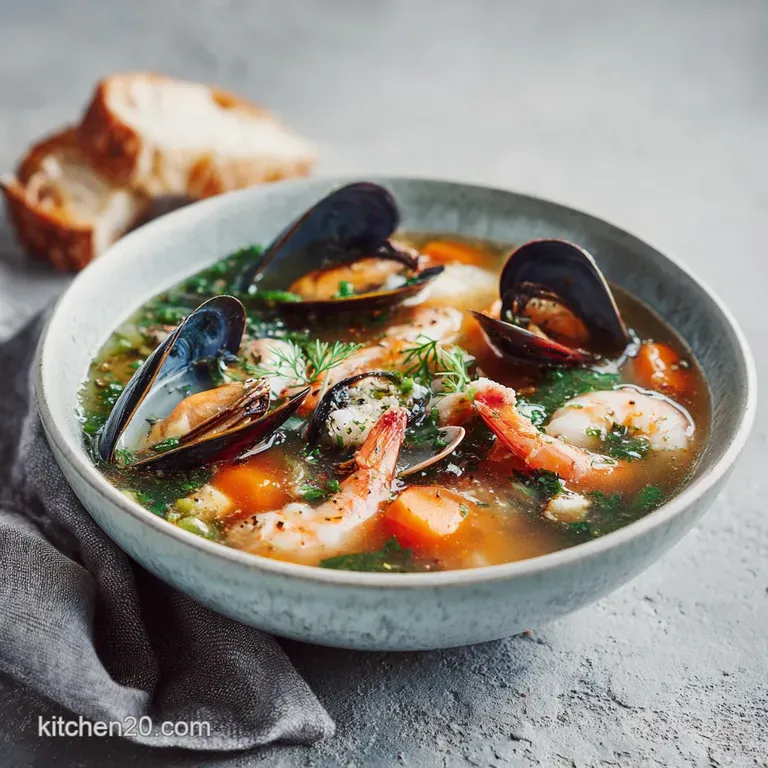
- Heat the extra virgin olive oil in a large heavy bottomed Dutch oven over medium heat. Add the sliced fennel and shallots, sautéing until they are translucent and have developed slightly golden, caramelized edges, about 6–8 minutes. Note: This creates the aromatic base for the entire dish.
- Stir in the slivered garlic and red pepper flakes. Cook for 60 seconds until fragrant and the garlic just begins to soften.
- Add the tomato paste to the center of the pot and stir for 1-2 minutes until it turns a deep mahogany color and smells slightly sweet.
- Pour in the white wine to deglaze the pan, scraping up all the browned bits from the bottom.
- Stir in the crushed tomatoes, clam juice, seafood stock, saffron, and bay leaf. Bring the liquid to a gentle simmer until small bubbles break the surface and let it cook for 10 minutes.
- Add the cod chunks, mussels, and clams to the pot. Cover and cook for 5 minutes until the fish starts to turn opaque.
- Gently stir in the shrimp. Cover and cook for an additional 2-3 minutes until the shrimp are pink and C shaped and the shells have opened.
- Discard any shells that remain closed. Remove the bay leaf. Stir in the fresh parsley and a final drizzle of olive oil until the broth looks glossy and connected before serving.
Managing Common Seafood Pitfalls
Why Your Fish Broth Tastes Thin
If your soup feels more like "fish water" than a rich stew, the problem usually lies in the aromatics or the fat content. Most people rush the sautéing phase. Those shallots and fennel need to release their sugars to create body.
Plus,, if you don't use enough olive oil at the start or finish, the broth won't have the mouth coating quality that makes a seafood soup feel luxurious.
Why the Mussels Won't Open
Sometimes, no matter how much you simmer, a few shells stay shut. This is usually because they were dead before they hit the pot. Always tap open shells before cooking; if they don't close, toss them.
If they are cooked and still closed, the muscle might just be extra tight, but standard safety says to discard them to be safe. It is a bummer, but not worth the risk.
| Problem | Root Cause | Solution |
|---|---|---|
| Rubbery Shrimp | Overcooking | Add shrimp in the last 3 minutes only. |
| Bitter Aftertaste | Burned Garlic | Sauté garlic for only 60 seconds over medium heat. |
| Mushy Fish | Aggressive Stirring | Don't stir after adding the white fish; let it poach undisturbed. |
Common Mistakes Checklist
- ✓ Never boil the soup once the fish is added; a gentle simmer is the maximum heat allowed.
- ✓ Always scrub your clams and mussels under cold water to remove grit and sand.
- ✓ Pat the fish dry before cutting to ensure the chunks stay firm.
- ✓ Use a "dry" white wine anything with residual sugar will make the soup taste cloying.
- ✓ Don't skip the saffron; even a tiny pinch provides the necessary floral connection.
Adjusting the Volume of Your Stew
Scaling a Fish Soup requires a bit of math because seafood releases its own liquid as it cooks. If you are cutting the recipe in half, use a smaller pot to ensure the liquid level is deep enough to submerge the fish.
You may need to reduce the simmer time of the base by 5 minutes since a smaller volume heats up faster.
If you are doubling the recipe for a crowd, do not simply double the red pepper flakes or the salt. Spices and heat tend to amplify exponentially. Start with 1.5 times the spices, then taste and adjust. You will also need to work in a very large pot think a 12 quart stockpot to avoid overcrowding.
If the pot is too full, the bottom layer of fish will turn to mush while the top layer stays raw.
| Method | Time | Texture | Best For |
|---|---|---|---|
| Stovetop | 40 minutes | Vibrant and fresh | Everyday dinners |
| Dutch Oven (Oven) | 50 minutes | Deep and integrated | Hands off entertaining |
| Slow Cooker | Not recommended | Mushy and overcooked | Avoid this for seafood |
Debunking Seafood Preparation Fallacies
The biggest myth is that you must make your own fish stock from scratch or the soup will be a failure. While fish head stock is great, a high-quality clam juice is often more consistent for home cooks.
Homemade stock can easily become "fishy" or bitter if the gills aren't removed or if it simmers for 21 minutes instead of 20. Bottled clam juice is a reliable platform that provides a clean, briny foundation every time.
Another misconception is that "fresh is always better." In many landlocked areas, high-quality frozen shrimp or flash frozen cod is actually "fresher" than the "fresh" fish that has been sitting in a display case for three days.
Don't be afraid of the freezer aisle; just make sure you thaw the seafood completely and pat it dry before it hits the pot.
Smart Storage and Sustainability Guidelines
Fridge Life: This soup is best eaten immediately, but it will stay safe in the fridge for up to 2 days. The fish will continue to soften in the acid of the tomatoes, so the texture won't be as "connected" on day two.
Reheat it very gently on the stove over low heat do not microwave it, or the shrimp will turn into rubber.
Freezing: I don't recommend freezing the finished soup with the seafood in it. However, you can freeze the tomato and fennel broth base for up to 3 months. When you're ready for a meal, just thaw the base, bring it to a simmer, and drop in fresh seafood. It's a massive time saver for busy nights.
Zero Waste: Don't throw away those fennel fronds! They make a beautiful garnish. If you have leftover broth but no fish, use it as a poaching liquid for eggs the next morning or toss it with some linguine and a bit of butter for a quick seafood pasta.
If you have extra shrimp shells from peeling, throw them into a bag in the freezer to make a quick stock later.
Three Tiers of Plating Excellence
How you present your Fish Soup says a lot about the experience you want to provide. Since we are focusing on connecting with our guests, let's look at three ways to level up your presentation.
The Simple Home Bowl
This is for those Tuesday nights where you just want comfort. Serve the soup in deep, wide bowls with a huge hunk of crusty sourdough on the side. Don't worry about the placement of the shells; just let it look rustic and inviting. The steam rising from the bowl is the only decoration you really need.
The Polished Dinner Party
To step it up, use a slotted spoon to place the seafood in the center of the bowl first, then carefully pour the broth around it. Garnish with the reserved fennel fronds and a sprinkle of fresh parsley. Serve this with a small side of my tartar sauce recipe on toasted baguette slices it sounds weird, but the creamy acidity is a revolution against the spicy broth.
The Restaurant Experience
For the ultimate "wow" factor, we go vertical. Stack the mussels and clams around the edges of the bowl so they stand up. Place the cod chunk in the dead center and perch a single, perfectly curled shrimp on top. Finish with a "broken" drizzle of bright green herb oil and a few threads of dry saffron.
The contrast between the deep red broth and the green oil creates a striking visual platform that feels like a professional kitchen.
| Plating Level | Key Element | Accessory |
|---|---|---|
| Simple | Rustic pour | Large soup spoon |
| Polished | Centered seafood | Fennel fronds |
| Restaurant | Vertical stacking | Herb oil drizzle |
This Fish Soup is more than just a recipe; it is a system for understanding how to handle delicate proteins. By building a flavor dense broth and respecting the poaching times, you are revolutionizing your approach to seafood.
It is quick, it is healthy, and it feels like a total celebration every time it hits the table. Trust the process, watch your timers, and enjoy the most connected seafood experience you've ever had in your own kitchen.
CRITICAL Sodium Alert!
1280 mg 1280 mg (56% 56%)
The American Heart Association recommends limiting sodium intake to less than 2,300mg per day, with an ideal limit of less than 1,500mg per day for most adults.
Personalized Tips to Reduce Sodium:
-
Low-Sodium Broths-30%
Replace the 1 cup of high-quality bottled clam juice and 1 cup of seafood stock with low-sodium or no-salt added versions. This is the most significant sodium contributor.
-
No-Salt Added Tomatoes-20%
Opt for canned crushed San Marzano tomatoes that are labeled 'no salt added'. Even high-quality canned tomatoes can contain a surprising amount of sodium.
-
Control Added Salt-10%
This recipe does not explicitly list added salt, but avoid adding any salt during cooking. Rely on the natural flavors of the ingredients instead.
-
Boost with Fresh Herbs & Spices
Enhance flavor by using fresh parsley and other aromatics like garlic and shallots. Consider adding other low-sodium herbs like basil or oregano to further layer flavors.
-
Mindful Flavor Boosters-5%
While red pepper flakes and tomato paste contribute flavor, they generally contain less sodium than broths or canned goods. Ensure your tomato paste is not salted.
Recipe FAQs
Which fish are best for fish soup?
Use firm fleshed white fish like cod or halibut. These varieties hold their structure during the 5-8 minute cooking window without flaking apart into the broth.
What is the difference between cacciucco and this soup?
Cacciucco is a specific Tuscan tradition requiring a greater variety of fish types. This recipe focuses on a refined, Mediterranean style broth using cod, shrimp, and shellfish for a balanced, accessible flavor profile.
How to thicken fish soup?
Emulsify the broth by whisking in a final drizzle of extra virgin olive oil. If you enjoyed learning how to stabilize liquids here, you can apply the same emulsification technique to create perfectly creamy sauces in other dishes.
How to prepare this like Benedetta Rossi?
Follow a rustic approach by prioritizing fresh, high-quality aromatics like fennel and shallots. Ensure you sauté them until they develop golden, caramelized edges to build a deep foundation for your broth before adding the liquids.
Is it necessary to use a high heat boil for the broth?
No, this is a common misconception. Never boil the soup once the fish is added; a gentle simmer is the maximum heat allowed to prevent the delicate seafood from becoming tough.
How to ensure the clams and mussels are grit free?
Scrub the shells thoroughly under cold running water before cooking. This step removes sand and debris, ensuring your broth remains clear and pleasant to eat.
Can I use a sweet white wine to deglaze the pot?
No, stick exclusively to a dry white wine. Any wine containing residual sugar will make the finished soup taste cloying and unbalanced.
Authentic Zuppa Di Pesce
Ingredients:
Instructions:
Nutrition Facts:
| Calories | 405 kcal |
|---|---|
| Protein | 37 g |
| Fat | 13 g |
| Carbs | 17 g |
| Fiber | 4.5 g |
| Sugar | 8 g |
| Sodium | 1280 mg |
