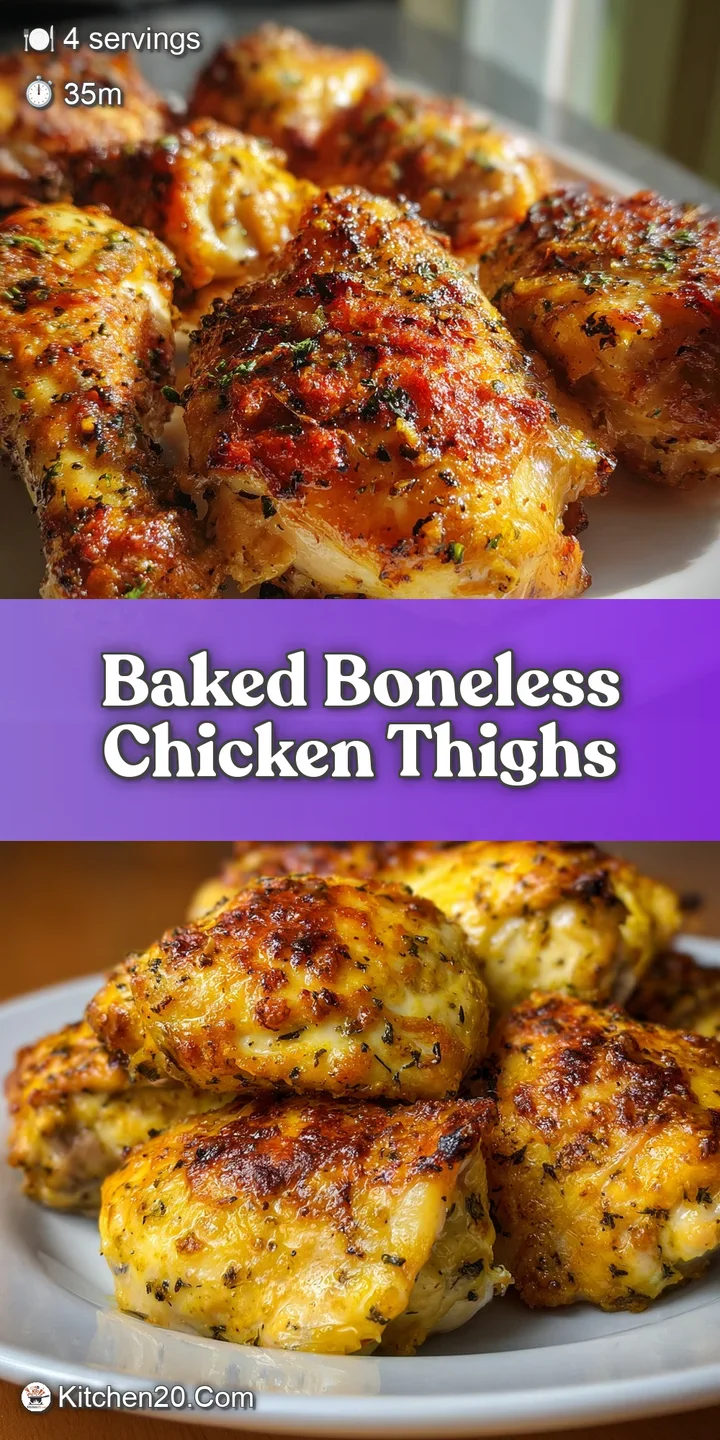
Baked Boneless Chicken Thighs: Crispy & Tender
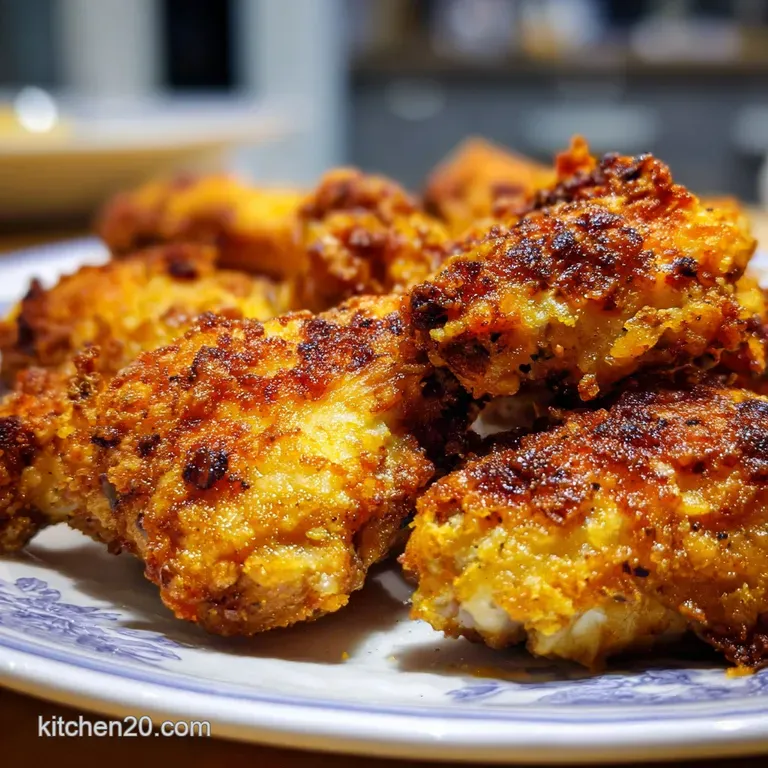
- Time: Active 10 minutes, Passive 25 minutes, Total 35 minutes
- Flavor/Texture Hook: Savory, smoky crust with a velvety, tender interior
- Perfect for: Busy weeknights, meal prepping, or beginner home cooks
- How to Bake Juicy Boneless Chicken Thighs
- Scientific Secrets of Succulent Meat
- Precise Cooking Standards and Specs
- Essential Ingredients and Smart Substitutes
- Required Tools for Oven Roasting
- Critical Steps for Golden Results
- Avoiding Common Preparation Pitfalls
- Recipe Scaling and Creative Variations
- Storage Solutions and Waste Prevention
- Artistic Garnish and Color Balance
- Recipe FAQs
- 📝 Recipe Card
How to Bake Juicy Boneless Chicken Thighs
The sizzle of fat hitting a hot pan is usually my favorite sound, but on a rainy Tuesday last October, I was too exhausted to stand over the stove. I had 1.5 lbs boneless, skinless chicken thighs and a ticking clock before the kids started circling the kitchen like hungry sharks.
I threw together a quick rub, cranked the oven to 425°F, and hoped for the best.
What happened next was a total transformation of my weeknight routine. As the aroma of smoked paprika and garlic began to fill the house, I realized I’d stumbled onto a platform for consistent, low effort success.
The chicken didn't just cook; it transformed into something succulent and savory that looked like it belonged on a professional food platform.
We are revolutionizing the way we think about "dry" oven heat. By connecting the right temperature with a focused spice blend, you can achieve a result that rivals any pan seared version without the messy oil splatters.
This recipe has become my go to because it simply works every single time, regardless of how chaotic the afternoon feels.
Scientific Secrets of Succulent Meat
Osmotic Pressure: Salt draws moisture to the surface where it dissolves the spices, then gets reabsorbed into the muscle fibers to season the meat deeply.
Maillard Reaction: High heat at 425°F triggers a chemical reaction between amino acids and reducing sugars, creating that dark, savory crust.
Similar to the logic in my How to Bake recipe, the higher temperature ensures the exterior browns before the lean interior has a chance to dry out.
Precise Cooking Standards and Specs
Before we start, let's look at the specific checkpoints that ensure your meal is safe and satisfying. These metrics are the foundation of a connected kitchen where data meets intuition.
| Thickness | Internal Temp | Rest Time | Visual Cue |
|---|---|---|---|
| 0.5 inch | 165°F | 5 mins | Juices run clear when poked |
| 1 inch | 165°F | 7 mins | Meat feels firm to the touch |
| 1.5 inches | 165°F | 10 mins | Surface is deeply browned |
Understanding these numbers is key to precision. If you use a meat thermometer, you'll never have to guess if your dinner is ready or worry about undercooked centers.
Essential Ingredients and Smart Substitutes
The quality of your components dictates the final result. Using 1.5 lbs boneless, skinless chicken thighs provides the perfect balance of fat and protein for a tender bite that remains moist even under high heat.
| Component | Science Role | Pro Secret |
|---|---|---|
| Olive Oil | Heat conductor | Use extra virgin for better fruitiness |
| Smoked Paprika | Color and depth | Provides a "charred" look without a grill |
| Dried Oregano | Herbaceous bridge | Rub it between palms to release oils |
Selecting the right ingredients means knowing when to stick to the script and when to pivot. Here is how you can swap things out without losing the soul of the dish.
| Original Ingredient | Substitute | Why It Works |
|---|---|---|
| Smoked Paprika | Chipotle Powder | Adds heat but keeps the smoky profile. Note: Use half as much as paprika. |
| Dried Oregano | Dried Thyme | Similar earthy tones that pair well with garlic. |
| Sea Salt | Kosher Salt | Larger grains offer better control. Note: Use 1.5x more than sea salt. |
When you are in a rush, you might be tempted to use shortcuts. While I always prefer fresh ingredients, knowing the trade offs helps you stay connected to your cooking goals.
| Feature | Fresh Preparation | Shortcut (Pre marinated) |
|---|---|---|
| Flavor Control | Total control over sodium and spice levels | High sodium, often generic flavors |
| Texture | Crispy and distinct spice crust | Can be "mushy" from long acid exposure |
| Prep Time | 10 minutes | Zero minutes |
Required Tools for Oven Roasting
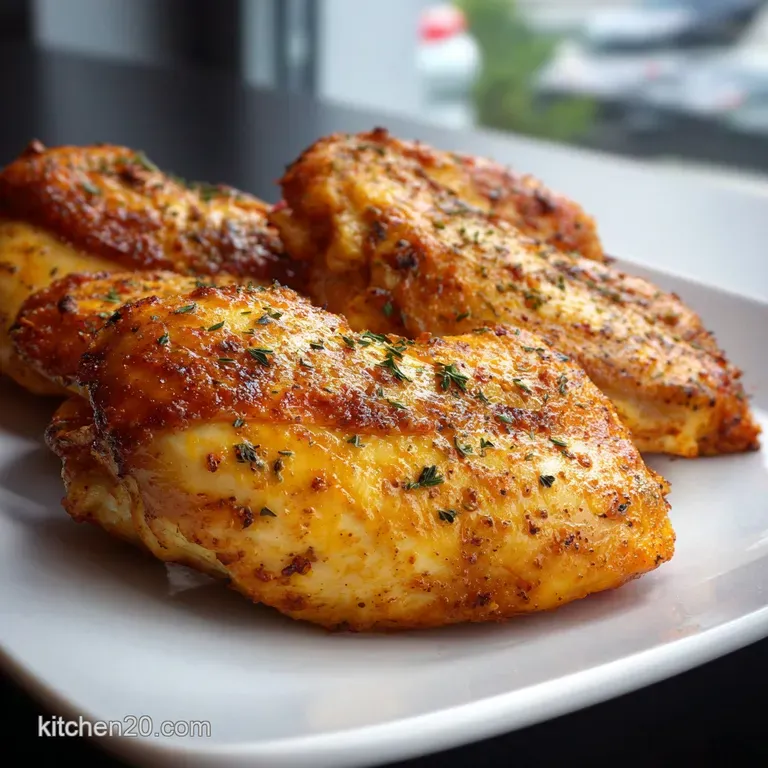
You don't need a high end lab to make this, but a few specific tools will help. A large rimmed baking sheet is essential to prevent juices from spilling into your oven and causing smoke. I also recommend using a wire rack set inside the pan if you want even more air circulation around the meat.
Chef's Tip: Freeze your spice mix for 5 minutes before applying it. Cold spices tend to clump less and spread more evenly over the oiled chicken.
Using a heavy duty pan like a Lodge cast iron skillet is another great alternative. It holds heat beautifully and creates a "shatter" worthy crust on the side of the chicken touching the metal.
Critical Steps for Golden Results
- Preheat oven to 425°F. Note: This high heat is non negotiable for browning.
- Pat 1.5 lbs boneless, skinless chicken thighs dry with paper towels. Note: Moisture is the enemy of a good sear.
- Whisk 2 tbsp extra virgin olive oil with 1 tsp salt and 1/2 tsp black pepper in a small bowl.
- Add 1 tsp smoked paprika, 1 tsp garlic powder, 1/2 tsp onion powder, and 1/2 tsp dried oregano to the oil.
- Coat the chicken thoroughly with the spice slurry. until every crevice is covered.
- Arrange the thighs on a baking sheet, ensuring they do not touch.
- Bake for 25 minutes until the edges are dark and sizzling.
- Check for an internal temperature of 165°F using a digital thermometer.
- Remove from the oven and transfer to a clean plate immediately.
- Rest the meat for at least 5 minutes until the juices settle back into the fibers.
Avoiding Common Preparation Pitfalls
Why Your Chicken Is Sinking
If the meat feels "steamed" rather than roasted, you likely had too much surface moisture. When water is present, the oven energy goes into evaporating that liquid instead of browning the proteins. This results in a rubbery texture rather than a velvety one.
| Problem | Root Cause | Solution |
|---|---|---|
| Gray Meat | Overcrowded pan | Use a larger sheet or two pans |
| Burnt Spices | Oven rack too high | Move to middle or lower third |
| Dry Interior | Cooked too long | Pull at 160°F; let carryover reach 165°F |
Following a simple checklist can prevent these issues before they start. It is all about the tiny details that lead to a better connected meal.
Common Mistakes Checklist
- ✓ Never skip the "pat dry" step; it's the difference between soggy and crispy.
- ✓ Use a thermometer rather than cutting into the meat to check doneness.
- ✓ Allow the oven to fully reach temperature before the chicken goes in.
- ✓ Don't pour extra marinade or water into the pan; keep it dry.
- ✓ Always rest the meat; cutting too soon lets the moisture escape.
| Problem | Cause | Fix |
|---|---|---|
| Bland taste | Under seasoning | Season the meat, not just the skin/surface |
| Tough bite | No resting time | Wait 5 mins before slicing |
| Uneven cook | Different sizes | Fold thinner parts under for uniform thickness |
Recipe Scaling and Creative Variations
If you are cooking for a larger group, you can easily double this recipe. Just be sure to use two separate baking sheets. If you crowd 3 lbs of chicken onto one pan, the temperature will drop significantly, and you'll end up boiling the meat in its own juices.
For a smaller portion, like 0.5 lbs, reduce the spice quantities by half but keep the oven temperature the same. The cook time might drop by 3-5 minutes, so start checking earlier.
If you want a different flavor profile, you can easily shift the spices. If you enjoy heat, follow the logic of my Slam Dunk Chicken recipe by adding a touch of cayenne or chili flakes.
- If you want a Mediterranean vibe, swap paprika for lemon zest and extra oregano.
- If you want a BBQ feel, add a teaspoon of brown sugar to the rub for caramelization.
- If you want a crispier finish, toss the chicken in 1 tsp of cornstarch before the oil.
Storage Solutions and Waste Prevention
Store any leftovers in an airtight container in the fridge for up to 4 days. When reheating, I suggest using an air fryer at 350°F for 4 minutes to maintain the texture. Microwaves often make the chicken rubbery, which is a waste of a great meal.
You can also freeze the cooked thighs for up to 3 months.
Don't throw away the juices left on the baking sheet! That liquid gold is packed with flavor. I like to toss roasted vegetables in it or use it as a base for a quick pan sauce with a splash of chicken stock. If you have leftover meat, slice it thinly and use it for a Homemade Tostadas Recipe the next day.
Artistic Garnish and Color Balance
Presentation is where you connect your hard work with the people at your table. A brown piece of chicken can look unappealing without a little thought. By using specific color accents, you bring life to the plate.
Adding a Final Flourish
First, add Fresh Italian Parsley. The bright green creates a sharp contrast against the deep red of the paprika rub. Add this immediately before serving so the heat doesn't wilt the leaves.
Second, incorporate Lemon Wheels. The yellow provides a sun drenched aesthetic and the acidity cuts through the fat of the thighs. I like to char the lemon slices in the oven for the last 5 minutes for a more sophisticated look.
Finally, a sprinkle of Red Pepper Flakes adds a tiny pop of crimson and a hint of what's to come. This "connected" approach to plating ensures that the eyes are as satisfied as the stomach. Remember, we eat with our eyes first!
By balancing these colors, you are revolutionizing the way a simple weeknight meal is perceived.
Recipe FAQs
How long does it take to cook boneless thighs at 400 degrees?
Around 25 minutes. Boneless chicken thighs typically cook in 25-30 minutes at 400°F. Check for an internal temperature of 165°F for doneness. For a similar technique focusing on browning, see how we achieve a deep crust in our How to Make Fried Chicken Parmesan - Deliciously Crispy Comfort.
How long does a boneless chicken thigh take in the oven?
Typically 25-30 minutes. The exact time depends on the thickness of the thigh and your oven's calibration. Aim for an internal temperature of 165°F, and ensure the juices run clear when poked.
What's the best temperature to cook boneless chicken thighs at?
400°F is ideal for crisping. Higher temperatures like 400°F promote better browning and a crispier exterior while ensuring the inside cooks through. If you're looking to explore advanced flavor development, consider the principles of the Maillard reaction, a key technique also applied in recipes like Nonnas Secret Tender Classic Italian Meatballs Recipe.
How long does it take to cook boneless chicken at 400 degrees?
About 25-30 minutes. At 400°F, boneless chicken thighs cook relatively quickly. Always use a meat thermometer to confirm they've reached an internal temperature of 165°F.
Can I cook boneless chicken thighs from frozen?
It's not recommended for best results. While possible, frozen chicken thighs will take significantly longer to cook and may not brown evenly. Thawing them first ensures a more consistent cooking process and better texture.
How do I prevent boneless chicken thighs from drying out?
Don't overcook them and let them rest. Stick to the recommended internal temperature of 165°F and allow the chicken to rest for 5-10 minutes after baking. This resting period allows the juices to redistribute, keeping the meat moist. If you enjoy tender poultry, explore our How to Make Quick Broccoli Stuffed Chicken Delight: 5 Easy Tips! for another juicy option.
What internal temperature should boneless chicken thighs reach?
165°F is the safe minimum. For boneless chicken thighs, an internal temperature of 165°F guarantees they are safely cooked and ready to eat. Using a meat thermometer is the most accurate way to confirm doneness.
Baked Boneless Chicken Thighs
Ingredients:
Instructions:
Nutrition Facts:
| Calories | 265 calories |
|---|---|
| Protein | 33.8 g |
| Fat | 14.2 g |
| Carbs | 1.1 g |
| Fiber | 0.3 g |
| Sugar | 0.1 g |
| Sodium | 585 mg |
