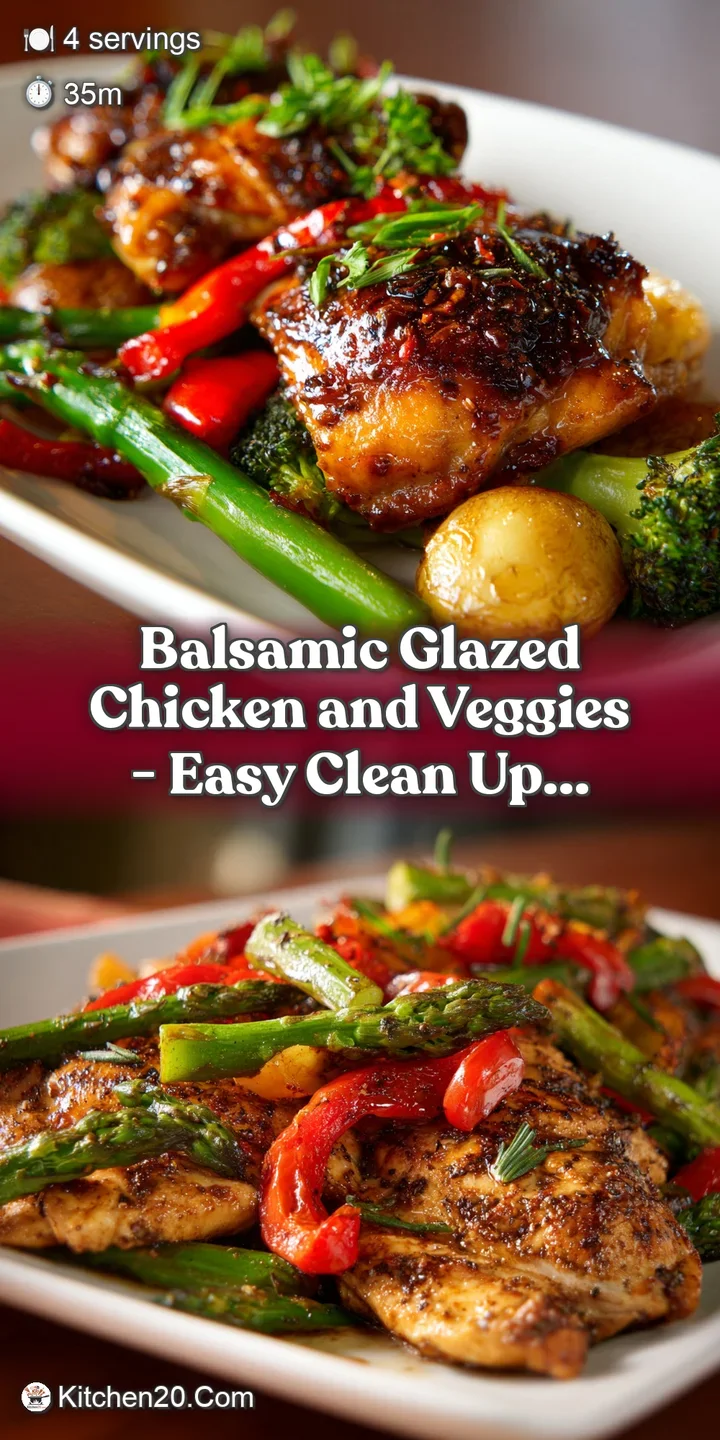
Balsamic Glazed Chicken and Veggies
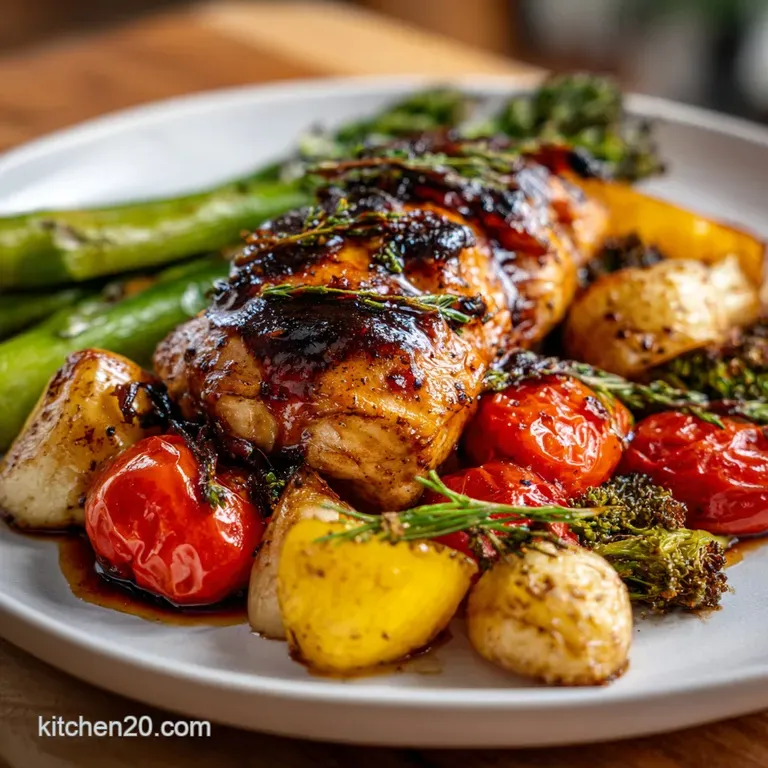
- Time: Active 15 minutes, Passive 20 minutes, Total 35 minutes
- Flavor/Texture Hook: Concentrated tangy sweet glaze with caramelized, charred edges
- Perfect for: High performance weeknight fuel and meal prep enthusiasts
- Essential Recipe Technical Specs
- The Core Ingredient Architecture
- Tools for Kitchen Connectivity
- Executing the One Pan Workflow
- Solving Common Technical Glitches
- Alternative Component Configurations
- Optimization and Storage Systems
- Community Presentation Protocols
- Myths about Balsamic Roasting
- Recipe FAQs
- 📝 Recipe Card
The first time I attempted a balsamic sheet pan meal, I made the amateur mistake of dumping everything in at once with a watery marinade. Instead of a glaze, I got a grey, steaming pile of sadness that lacked any real character.
It was a total failure of kitchen logic, but it pushed me to treat the oven like a high speed platform for flavor development.
Now, when I hear that first over high heat sizzle as the honey balsamic mixture hits the hot sheet pan, I know we've reached a breakthrough. The aroma is sharp, sweet, and fills the house with a comforting, savory cloud.
You aren't just roasting; you are reducing a sauce in real time while the chicken juices integrate into the glaze. It’s the kind of meal that makes you feel like you’ve hacked the system because it tastes like a three hour braise but finishes in under forty minutes.
Essential Recipe Technical Specs
This recipe is built on the concept of synchronized cooking windows to ensure the carrots are tender while the chicken remains juicy.
- Syrup Reduction: We use honey and balsamic vinegar of Modena to create a natural thickener.
- Thermal Conductivity: High heat (200°C) is required to trigger the Maillard reaction on the vegetables.
- Emulsification: Dijon mustard acts as the bridge between the vinegar and oil, keeping the glaze stable.
- Carryover Heat: Letting the chicken rest for 3 minutes after roasting allows the internal fibers to reabsorb the balsamic juices.
| Method | Temperature | Texture | Best For |
|---|---|---|---|
| Fast Roast | 200°C | Crispy edges, snappy veggies | Quick weeknight efficiency |
| Classic Slow | 165°C | Soft, stew like consistency | Maximum tenderness |
| Air Fryer | 190°C | Maximum char, dryer center | Small batches (1-2 people) |
Moving toward a faster roast temperature is what separates a home cooked meal from a professional grade dish. By using the "Fast Roast" method, you decrease the time the proteins spend losing moisture. If you enjoy this high efficiency cooking style, you'll find it quite similar to the approach used in our How to Cook recipe.
The Core Ingredient Architecture
The success of these balsamic glazed chicken and veggies relies on the chemistry of the glaze.
| Ingredient | Science Role | Pro Secret |
|---|---|---|
| Balsamic Vinegar | Acid Catalyst | Use "Modena" label for higher natural sugar content. |
| Honey | Humectant/Sugar | Provides the "stick" and promotes rapid browning. |
| Dijon Mustard | Emulsifier | Prevents the oil and vinegar from separating on the pan. |
| Red Onion | Flavor/Aroma | Large wedges release sugars that season the pan oil. |
The Physics of Viscosity
The honey and balsamic vinegar work together to create a non Newtonian like fluid that thickens as the water evaporates in the oven. This ensures the sauce coats the ingredients rather than pooling at the bottom of the pan.
Tools for Kitchen Connectivity
To achieve the best results, you need a setup that maximizes heat distribution.
- Heavy Duty Sheet Pan: A rimmed half sheet pan (like a Nordic Ware) prevents warping and ensures even roasting.
- Small Saucepan: Used for a quick reduction if you want an extra thick finishing drizzle.
- Instant Read Thermometer: The only way to guarantee the chicken hits exactly 74°C without overcooking.
- Sharp Chef's Knife: Essential for uniform 1 inch squares to ensure everything cooks at the same rate.
Chef's Tip: Freeze your chicken for 15 minutes before slicing. It firms up the proteins, allowing you to cut those 1 inch pieces with surgical precision.
Executing the One Pan Workflow
- Whisk the glaze. Combine 120ml balsamic vinegar, 45ml honey, 15ml Dijon, minced garlic, oregano, and red pepper flakes. Note: Whisk until the mustard is fully integrated into the vinegar.
- Prep the protein. Cut 680g chicken breasts into 1 inch pieces and place them in a large bowl.
- Integrate the veg. Add 250g halved Brussels sprouts, 2 carrots, 1 chopped red bell pepper, and thick red onion wedges to the bowl.
- Emulsify the base. Toss everything with 30ml olive oil, 1 tsp kosher salt, and 0.5 tsp pepper until every surface is glossy.
- Apply the glaze. Pour half of the balsamic mixture over the chicken and veggies, tossing to coat.
- Spread the layout. Arrange in a single layer on a large sheet pan until no pieces are overlapping.
- Execute the roast. Bake at 200°C for 15 minutes until the Brussels sprouts start to char.
- Apply the finish. Drizzle the remaining glaze over the pan and toss gently.
- Final blast. Roast for another 5 minutes until the glaze is bubbling and tacky.
- Rest the dish. Let the pan sit for 3 minutes before serving to allow the glaze to set.
Solving Common Technical Glitches
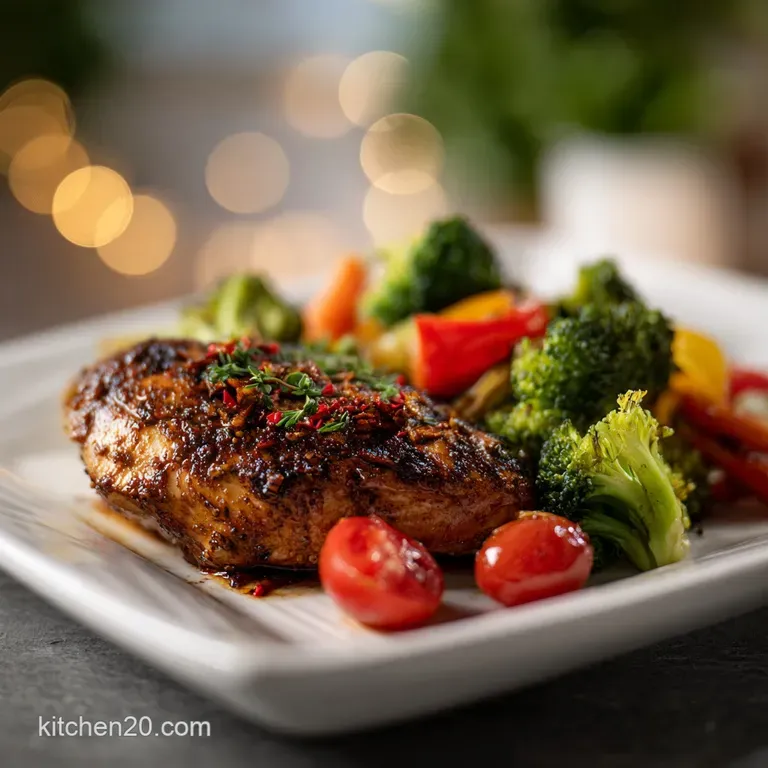
Preventing a Watery Pan
If your pan looks like a lake, you likely overcrowded it or used frozen vegetables that weren't thawed. The steam from the vegetables gets trapped, preventing the glaze from reducing.
Avoiding Burnt Sugars
The honey can go from caramelized to carbonized quickly. If your oven has hot spots, rotate the pan halfway through the cooking process.
| Problem | Root Cause | Solution |
|---|---|---|
| Tough Chicken | Overcooked | Pull the pan when chicken hits 71°C; carryover heat does the rest. |
| Raw Carrots | Cut too thick | Slice carrots into thinner 1/4 inch rounds instead of 1/2 inch. |
| Bitter Sprouts | Under caramelized | Ensure they are cut side down on the pan to maximize contact with the heat. |
Common Mistakes Checklist
- ✓ Pat the chicken completely dry before dicing to remove surface moisture.
- ✓ Use a large enough pan; if it's crowded, the food will steam, not roast.
- ✓ Don't skip the Dijon; it’s the glue that holds the glaze together.
- ✓ Wait to add the final drizzle of glaze until the last 5 minutes to prevent burning.
- ✓ Slice the onions into thick wedges so they don't disintegrate into the sauce.
Alternative Component Configurations
This dish is a flexible platform that allows for seasonal adjustments based on what's in your pantry.
| Original Ingredient | Substitute | Why It Works |
|---|---|---|
| Honey (45ml) | Maple Syrup (45ml) | Similar sugar profile. Note: Adds a woodsy, autumnal depth to the glaze. |
| Brussels Sprouts | Broccoli Florets | Same cook time. Note: Broccoli absorbs more glaze but loses its crunch faster. |
| Chicken Breast | Chicken Thighs | Higher fat content. Note: Richer flavor but requires 5 extra minutes of roasting. |
If you are looking for a more creamy variation rather than a sharp glaze, you might consider the flavor profile of our Classic Chicken Salad recipe.
The Mediterranean Variation
Swap the oregano for dried basil and add some halved cherry tomatoes in the final 5 minutes. The tomatoes will burst and create a jammy sauce that interacts beautifully with the balsamic.
The Low Carb Swap
Replace the honey with a monk fruit based liquid sweetener. You will lose some of the syrupy viscosity, but the flavor remains sharp and satisfying.
Optimization and Storage Systems
This balsamic glazed chicken and veggies is a high performance meal prep option because the flavors actually deepen as they sit.
- Storage: Keep in an airtight container in the fridge for up to 4 days.
- Freezing: Not recommended for the vegetables, as Brussels sprouts and peppers become mushy upon thawing.
- Zero Waste: Save the woody ends of the Brussels sprouts and carrot peels in a freezer bag for your next batch of vegetable stock. Any leftover glaze in the bowl can be whisked with a little more oil to create a quick salad dressing for tomorrow's lunch.
Community Presentation Protocols
When serving this, I like to bring the whole sheet pan to the table for a rustic, communal feel. It’s a great way to show off those charred edges and the glossy finish of the glaze.
- Presentation: Top with a sprinkle of fresh parsley or toasted pine nuts for a crunch that contrasts with the velvety glaze.
- Side Dishes: Serve over a bed of quinoa or alongside a crusty baguette to mop up every drop of the balsamic syrup.
- Flavor Upgrade: A final grate of fresh lemon zest over the hot pan provides a bright top note that cuts through the sweetness of the honey.
Roasting at high heat is a revolutionizing way to handle weeknight dinners. It connects the simplicity of a one pan meal with the complexity of a reduction sauce. Once you master the timing of this glaze, you'll never go back to boring, unglazed roasted chicken again.
Trust me, the extra 5 minutes of prep for that sauce changes everything.
| Servings | Chicken Weight | Balsamic Volume | Pan Size |
|---|---|---|---|
| 2 people | 340g | 60ml | Quarter Sheet |
| 4 people | 680g | 120ml | Half Sheet |
| 8 people | 1.36kg | 240ml | Two Half Sheets |
Myths about Balsamic Roasting
One common misconception is that all balsamic vinegar is created equal. Many "balsamic" bottles are actually just white vinegar with caramel coloring. For this recipe, the "Modena" designation is vital because it ensures the thickness and sugar content needed to create a real glaze without hours of simmering.
Another myth is that you can't get a good sear on a sheet pan. By preheating the pan for 5 minutes before adding the oil and ingredients, you create a "shatter" effect on the skin of the vegetables, giving them that coveted restaurant style texture.
Searing doesn't "lock in" juices, but the high heat creates new flavor compounds that are essential for a dish this simple.
Recipe FAQs
What is the key technique to prevent the balsamic glaze from burning?
Apply half the glaze initially, reserve the rest for the end. The high sugar content in balsamic and honey burns quickly under high heat. Applying half first allows the sugars to start caramelizing the chicken and vegetables, and the final application acts as a fresh, tacky coating just before serving.
How to ensure the chicken is not dry when roasting with vegetables?
Use an instant read thermometer aiming for 71°C before removing from heat. Chicken breast continues to cook outside the oven (carryover heat), so pulling it slightly early ensures it rests at the safe internal temperature of 74°C while staying juicy.
Is it true that I must use high-quality, aged balsamic vinegar for this recipe?
No, a good quality "Modena" label is sufficient for excellent results. While true Aceto Balsamico Tradizionale is prized, the sugar content in standard Balsamic Vinegar of Modena is high enough, especially when combined with honey, to create the necessary glaze thickness during roasting.
How to achieve that desired caramelized char without steaming the vegetables?
Spread all ingredients in a single layer with zero overlap on the sheet pan. Overcrowding traps moisture, causing the food to steam rather than roast, preventing the Maillard reaction necessary for charring. If you master precise high heat spreading here, you'll see similar texture benefits when applying the technique in our How to Make recipe.
What substitution works best for honey if I need a different sugar component?
Substitute maple syrup cup-for-cup for a slightly earthier sweetness. Maple syrup functions similarly as a humectant, providing necessary stickiness and aiding in browning. Be mindful, as maple sometimes imparts a stronger residual flavor than pure honey.
Why does my glaze look separated or oily instead of tacky after baking?
You likely forgot the Dijon mustard, which acts as the necessary emulsifier. Dijon mustard contains proteins that bind the oil and the acidic vinegar together, creating a stable emulsion that adheres to the chicken instead of separating into layers.
Can I make this entire dish ahead of time for meal prepping?
Yes, prep the components 24 hours in advance, but only roast immediately before eating. You can chop the chicken and vegetables, and mix the glaze separately; this cuts your active time significantly. For storing, if you need an alternative, storing a creamy side like our Easy Chicken Salad recipe is often more stable for several days.
Balsamic Glazed Chicken Veggies
Ingredients:
Instructions:
Nutrition Facts:
| Calories | 412 kcal |
|---|---|
| Protein | 42.8 g |
| Fat | 11.7 g |
| Carbs | 33.8 g |
| Fiber | 4.6 g |
| Sugar | 26.4 g |
| Sodium | 645 mg |
