Olive Oil Dressing: the Everyday Mediterranean Vinaigrette

- The Mediterranean Masterclass: Elevating Your Everyday Olive Oil Dressing
- The Science of Superior Vinaigrette: Flavor and Emulsion
- Essential Components for the ‘Everyday Brilliance’ Dressing
- Step-by-Step: Crafting the Perfect Mediterranean Dressing
- Troubleshooting Your Vinaigrette: Chef’s Advanced Tips
- Longevity and Storage: Keeping Your Dressing Fresh
- Beyond the Salad Bowl: Creative Uses for This Mediterranean Drizzle
- Recipe FAQs
- 📝 Recipe Card
The Mediterranean Masterclass: Elevating Your Everyday Olive Oil Dressing
You know that bright, vibrant aroma that hits you when you walk into a genuine Mediterranean restaurant? That zesty, garlicky punch? That’s what we are chasing here. Forget the dull stuff you find bottled in the supermarket; this vibrant, homemade Olive Oil Dressing is about to change your life.
It’s the essential flavor booster your fridge desperately needs.
I used to think making proper dressing was too much effort, or that the store-bought varieties were "good enough." They are not. Learning how to properly emulsify this classic Olive Oil Dressing saves money, drastically reduces sodium intake, and turns even boring weeknight greens into a craving.
Trust me, mastering this simple five minute recipe is like leveling up your entire home cooking game. We are going beyond just shaking oil and vinegar together; we are creating stability, depth, and the perfect everyday vinaigrette. Let's crack on.
The Science of Superior Vinaigrette: Flavor and Emulsion
The Difference Between Vinaigrette and Simple Oil Mixing
A lot of people think an Olive Oil Dressing is just mixing oil and vinegar. And technically, sure, you can do that. But what happens five minutes later? They separate into sad, watery layers. That's not a dressing; it's a phase separation experiment.
A true vinaigrette is an emulsion . This means the tiny droplets of oil are suspended evenly within the acid, creating a thick, creamy, stable sauce that clings beautifully to your lettuce.
Why 'Everyday Brilliance' Requires Quality Ingredients
When a recipe has only five main components, the quality of each one matters exponentially. Since three quarters of this recipe is the oil, you absolutely must use the best Extra Virgin Olive Oil you can reasonably afford. A cheap, bitter oil will yield a cheap, bitter dressing.
This isn't one of those recipes where shortcuts work, especially when targeting healthy dressing recipes.
Achieving the Perfect Balance of Acid and Fat
The classic vinaigrette ratio is 3 parts oil to 1 part acid. We tweak that slightly here, using lemon juice and red wine vinegar, because the brightness of the lemon cuts through the richness of the olive oil like nothing else.
The goal is a dressing that tastes bright and sharp on the tongue, but isn't aggressively sour or overly fatty. It should feel balanced and refreshing.
The Key Role of Dijon in Emulsification
This is the secret weapon! Dijon mustard is not just for flavor; it contains complex sugars and proteins that act as magnificent emulsifiers. When you whisk the Dijon into the lemon juice and vinegar, those molecules surround the oil droplets as you pour them in.
This binding action prevents the oil from rejoining its buddies, keeping your dressing smooth and stable. Never skip the mustard in your Olive Oil Dressing !
Building Depth: Layering Lemon Zest and Juice
A common mistake in Lemon Olive Oil Dressing is relying only on the juice. Lemon juice provides the tart acid, but the zest holds all the concentrated, volatile oils that give that amazing sensory punch.
I always microplane a tiny bit of zest directly into the bowl before adding the juice it provides a lift and brightness you simply cannot achieve otherwise.
Balancing Sharpness: Taming the Garlic Kick
Raw garlic is potent. If you mince it and immediately toss it into cold oil, the flavor doesn't distribute well, and you end up with sharp, burning bits of garlic in every bite. By letting the minced garlic sit in the acid (the lemon juice and vinegar) for a minute or two, you slightly temper its raw intensity, allowing its depth to shine without overpowering the whole Homemade Olive Oil Dressing .
Essential Components for the ‘Everyday Brilliance’ Dressing
This is the ingredient breakdown. Remember, you can always swap out components to create your own signature healthy dressing recipes!
Selecting the Right Extra Virgin Olive Oil (EVOO)
I strongly recommend a high-quality, cold pressed EVOO with a fruity or peppery note for this Mediterranean style. If you absolutely need a substitute due to taste preference, a light, neutral oil like avocado oil works in a pinch, but you will lose the deep, earthy undertones that make this the best homemade Italian dressing alternative.
Vinegar Varieties and Acceptable Swaps
We use Red Wine Vinegar here for its classic, robust Mediterranean flavor. It pairs beautifully with oregano.
| If you have... | Swap with... | Flavor Profile Change |
|---|---|---|
| Red Wine Vinegar | White Wine Vinegar | Slightly milder, more delicate. |
| Red Wine Vinegar | Apple Cider Vinegar (ACV) | Adds a subtle fruitiness. Great for a brighter finish. |
| Red Wine Vinegar | Balsamic Vinegar | Creates a much sweeter, darker dressing (use less). |
Fresh vs. Dried Herbs: Maximizing Aromatic Impact
While fresh herbs (like parsley) are amazing at the end for texture and freshness, dried oregano is actually preferable in the initial base. Drying concentrates the essential oils, and when dried herbs are mixed with the acid and allowed to "bloom" before the oil goes in, they release their complex flavor compounds beautifully.
A Note on Adjusting Salt and Pepper Ratios
Salt is crucial for bringing all these flavors into focus. Start with the recommended amount, but always taste test after the emulsion. Don’t add all your salt upfront!
If you are using this Olive Oil Dressing for Salad with salty ingredients like feta or cured olives, you will need less overall. Always adjust seasoning slowly, tasting often.
step-by-step: Crafting the Perfect Mediterranean Dressing
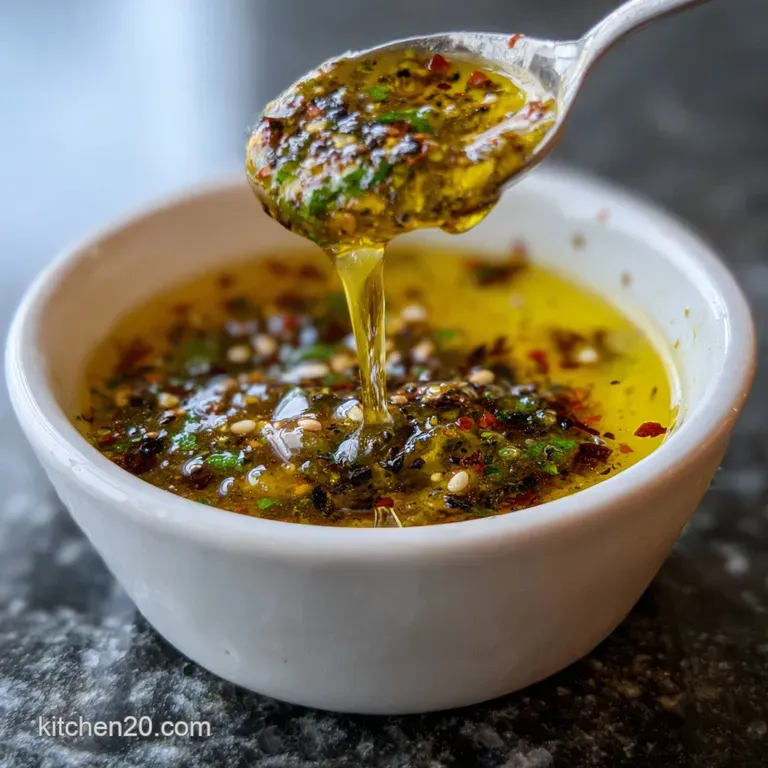
Prepping the Aromatics (Garlic and Herbs)
The finer the mince, the better the integration. Get that garlic and shallot almost paste like. If you are serving this Olive Oil Dressing immediately, you don’t want people biting into huge chunks of raw onion.
Once minced, drop them right into the mixing bowl along with the dried oregano, salt, and pepper.
The Initial Whisk: Combining Acid and Seasoning
Combine the lemon juice, red wine vinegar, and Dijon mustard. Whisk this mix violently for about 30 seconds. You want to see the mixture become slightly frothy and lighter in color. This ensures the salt has fully dissolved this is key and that the Dijon is properly activated as the emulsifier.
The Drip Feed Technique for a Stable Emulsion
This is the pivotal moment. If you dump the oil in, the dressing will split. You must pour the Extra Virgin Olive Oil in a very thin, slow, steady stream while whisking constantly and aggressively. Listen to the sound your whisk makes!
It should change from a watery slosh to a muffled thunk thunk-thunk as the dressing thickens. Keep pouring until the entire mixture turns opaque, slightly creamy, and noticeably lighter than the original oil.
Crucial Chef’s Note: If you stop whisking or pour too quickly, the oil will glob together and your dressing will break. If you’re nervous, use an immersion blender it achieves a perfect emulsion in seconds!
Taste Testing and Final Adjustments
Once emulsified, take a small teaspoon and taste. Does it sparkle? Is it too sharp? If it's too vinegary, add a small 1/4 teaspoon of honey or a little more oil. If it tastes flat, a tiny pinch more salt will usually fix it instantly.
Adjusting the final seasoning is what separates decent Homemade Olive Oil Dressing from dazzling kitchen wizardry.
Troubleshooting Your Vinaigrette: Chef’s Advanced Tips
How to Fix a Broken or Split Dressing
So, you poured too fast, and now you have a greasy puddle with a watery bottom? Don't panic! It's salvageable. Take a separate, clean bowl and add one teaspoon of fresh lemon juice or even a teaspoon of hot water. Slowly, one teaspoon at a time, whisk your broken dressing into the new acid/water base.
This allows you to re-emulsify the fat molecules gently. It works like magic!
Adjusting Consistency: Too Thick or Too Thin?
If your Olive Oil Dressing is too thin and runny, you may need a stronger emulsifier whisk in an extra half teaspoon of Dijon mustard. If it's too thick (which can happen if you use very cold oil), simply loosen it up with a few drops of warm water or an extra squeeze of fresh lemon juice.
Common Mistake: Over Seasoning with Salt
This Mediterranean style dressing is meant to be bright and fresh, not salty. People often over salt early in the process. Remember, the flavors concentrate as the dressing rests, especially the herbs. Always under salt initially, then taste again just before serving.
That is my top tip for creating truly balanced salad dressing recipes healthy for the whole family.
Longevity and Storage: Keeping Your Dressing Fresh
Best Practices for Refrigerated Storage
Store your finished Olive Oil Dressing in an airtight container (a jar with a tight lid works best) in the refrigerator. It will keep beautifully for 5 to 7 days. Because of the fresh garlic and shallot, I strongly advise against keeping it past one week.
Revitalizing a Dressing Straight From the Fridge
When you chill an Olive Oil Dressing , the oil naturally solidifies and the whole mixture turns cloudy and thick almost like mayonnaise. This is totally normal!
To revitalize it, simply let the jar sit on the counter for 20 minutes to warm up slightly, then shake it vigorously for 30 seconds until the oil melts and the dressing is creamy again. If it is stubborn, a quick hit with the immersion blender is your best friend.
Beyond the Salad Bowl: Creative Uses for This Mediterranean Drizzle
This amazing Lemon Olive Oil Dressing is way too good to be confined to greens!
Drizzling Over Grilled or Roasted Vegetables
Toss root vegetables (like carrots or parsnips) or green beans in a small amount of this dressing before roasting the acidity helps tenderize and the herbs infuse deeply. Alternatively, drizzle it right over hot, grilled asparagus or zucchini straight off the grill for a smoky, garlicky finish.
You can also use this same flavor profile when preparing a simple, elegant fish dish. I often use a very similar zest and herb blend before baking my Foil Baked Trout Recipe: Zesty Lemon Herb Fish, Ready in 30 Mins. .
This dressing is also absolutely phenomenal when tossed warm through pasta or grain salads. Using this Olive Oil Dressing for Pasta provides a lighter, more vibrant coating than heavy sauces. It's truly an all-purpose staple. If you are looking for other creamy, savory options, make sure to check out my recipe for Creamy Garlic Salad Dressing: The Silky, Restaurant Quality Recipe next!
Recipe FAQs
Why does my dressing separate immediately after I mix it?
Separation is natural in vinaigrettes, as oil and acid don't naturally bond without help. To achieve a stable emulsification, ensure you add the olive oil very slowly in a thin stream while whisking vigorously, or use a blender/shaker.
Incorporating a small amount of Dijon mustard or honey acts as a binding agent, helping the mixture stay homogenous longer.
How long can I safely store this olive oil dressing?
Because this recipe includes fresh ingredients like garlic and lemon juice, the dressing should be stored in an airtight container in the refrigerator and consumed within 3 to 5 days.
Note that the olive oil will solidify and become cloudy when chilled; always allow it to return to room temperature for 15-20 minutes and shake well before serving.
My dressing tastes too sharp and acidic. How do I balance the flavor?
If the acid component is overpowering, introduce a touch of sweetness or fat to counteract the sharpness. Try adding a quarter teaspoon of honey, maple syrup, or even a tiny pinch of sugar to the mix. Alternatively, you can slowly whisk in an extra half teaspoon of olive oil to soften the vinegar's intensity.
Can I use a different type of oil or vinegar in this recipe?
Absolutely. While extra virgin olive oil provides the classic Mediterranean depth, you can substitute it with avocado oil or grapeseed oil for a lighter, more neutral profile. For vinegars, red wine vinegar works wonderfully as a substitute for white wine vinegar, though it will impart a slightly different color and bolder flavor.
Is it better to use fresh or dried herbs in this Mediterranean dressing?
Fresh herbs are highly recommended as they provide a vibrant, complex aromatic profile that elevates the dressing’s freshness. If you must use dried herbs, remember they are much more potent; use about one-third the quantity specified for fresh herbs.
Always crush the dried herbs lightly in your palm before incorporating them to release their essential oils.
How can I naturally thicken the vinaigrette if I want a creamier texture?
The best natural thickener for a vinaigrette is Dijon mustard, which contains natural stabilizers that help create a robust, creamy emulsion. You can also achieve a beautiful creamy texture by blending in a small amount of finely mashed avocado or a spoonful of hummus, if those flavors align with your dish.
What are the best uses for this dressing besides a basic salad?
This ‘Everyday Brilliance’ dressing is exceptionally versatile and should be used beyond lettuce. Try using it as a vibrant marinade for grilled chicken or firm white fish before cooking. It also makes a superb finishing drizzle over roasted vegetables, particularly asparagus, zucchini, or baked potatoes.
Best Homemade Olive Oil Dressing
Ingredients:
Instructions:
Nutrition Facts:
| Calories | 406 kcal |
|---|---|
| Protein | 0.5 g |
| Fat | 41.7 g |
| Carbs | 4.1 g |
