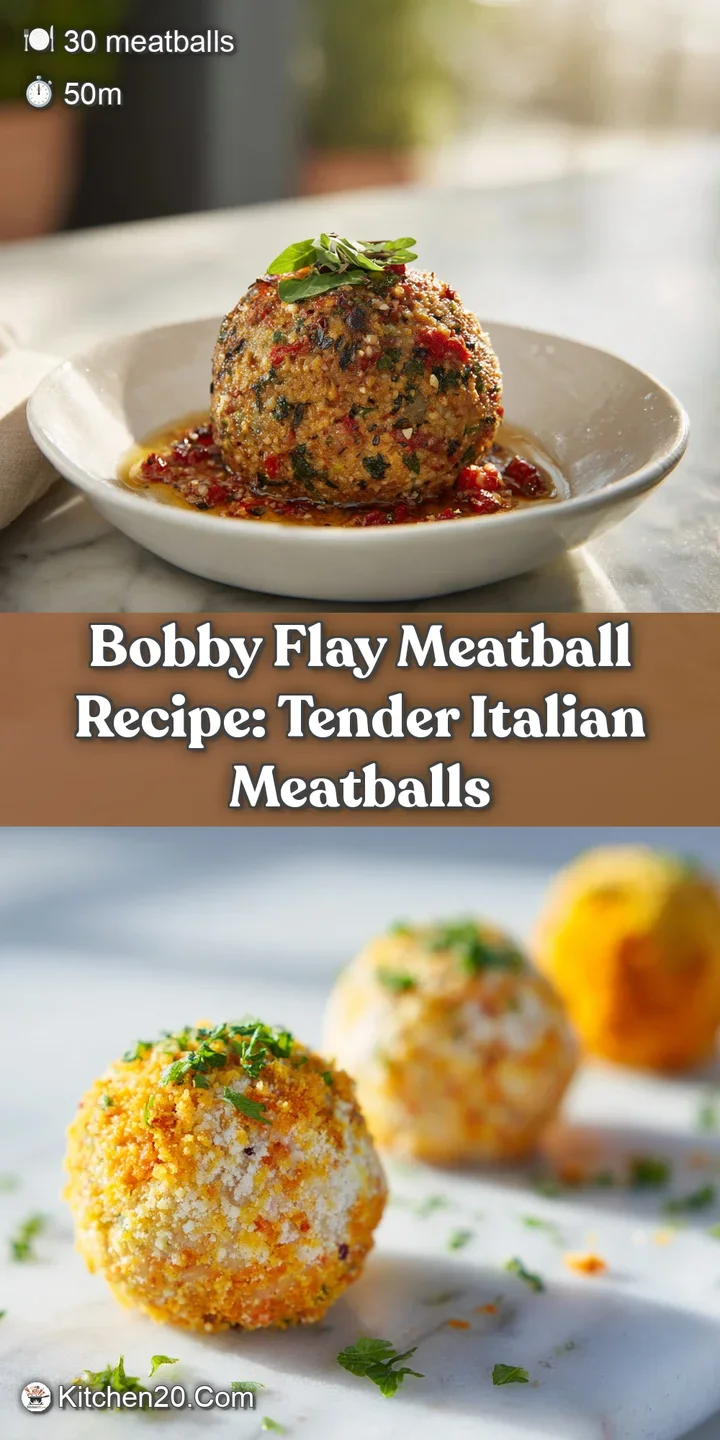
Bobby Flay Meatball Recipe: Tender Italian
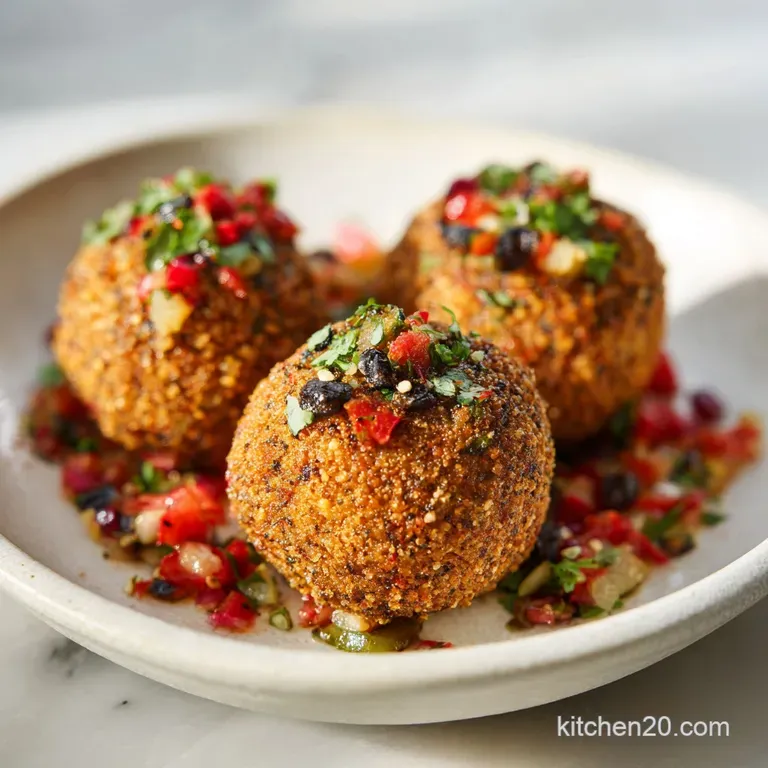
- Time: Active 20 mins, Passive 30 mins, Total 50 mins
- Flavor/Texture Hook: Silky interior with a caramelized, savory crust
- Perfect for: High impact Sunday dinners or creating the ultimate sub
- Why This Bobby Flays Meatball Recipe Succeeds
- Analyzing the Components of This Meatball Platform
- Essential Tools for Better Meatball Production
- Step By Step Implementation of This Recipe
- Solving Structural and Textural Cooking Issues
- Innovative Swaps for This Meatball Foundation
- Success Metrics for This Iconic Meatball Blend
- Dispelling Meatball Myths
- Storage Solutions and Waste Reduction Strategies
- Visual Garnish Strategy and Serving Ideas
- Recipe FAQs
- 📝 Recipe Card
Why This Bobby Flays Meatball Recipe Succeeds
Imagine the sound of a heavy pan meeting the stove, followed by the rhythmic shink shink of a grater turning a block of Parmigiano Reggiano into snowy drifts. The first time I tried making this bobby flays meatball recipe, I remember the scent of the Spanish onions hitting the hot olive oil a sharp, sulfuric aroma that quickly mellowed into a sweet, translucent base.
It's that specific smell that tells you you're building a foundation for something much better than a standard weeknight meal.
When you drop the first meatball into the pan, the sizzle is immediate. You’re looking for that deep, mahogany crust that contrasts with the tender, almost delicate middle. I’ve made the mistake of using only beef before, and trust me, it’s like eating a bouncy ball.
This version, with its blend of meats and soaked breadcrumbs, feels like a revolution in how we think about comfort food. It’s about connecting the different textures the snap of the sear and the velvety finish of the sauce.
- The Lipid Logic: Using an 80/20 beef ratio ensures enough rendered fat to lubricate the muscle fibers during the over high heat sear.
- Starch Suspension: Soaking fresh white breadcrumbs in whole milk creates a gel like panade that prevents protein fibers from tightening into a tough mass.
- Enzymatic Softening: Grating the garlic into a paste instead of chopping it releases more allicin, which permeates the meat blend more evenly for a consistent flavor profile.
- Thermal Stability: Sautéing the onions before adding them to the mix removes excess moisture that would otherwise steam the meatballs from the inside out.
| Method | Time | Texture | Best For |
|---|---|---|---|
| Cast Iron Skillet | 30 mins | Ultra crispy, dark crust | Deep savory flavor and texture |
| Standard Oven | 25 mins | Uniformly soft and juicy | Batch cooking for large groups |
| Air Fryer | 15 mins | Very firm and dry exterior | Quick snacks or meatball sliders |
Choosing the right method is the first step in your kitchen platform. While the oven is great for efficiency, the stovetop method described in this recipe is what gives you that signature "shatter" on the outer layer.
It allows for better control over the Maillard reaction, which is where all that complex, savory depth lives.
Analyzing the Components of This Meatball Platform
To get the most out of this meatball recipe, we have to look at the science of the ingredients. It’s not just about tossing things in a bowl; it’s about how these elements interface with one another.
For example, the acidity in the San Marzano tomatoes doesn't just provide flavor it actually helps to cut through the heavy fats of the pork and veal, keeping the dish balanced and preventing it from feeling overly greasy.
| Ingredient | Science Role | Pro Secret |
|---|---|---|
| Ground Veal (0.5 lb) | Texture Refinement | Veal has higher collagen, which melts into gelatin for a silky mouthfeel. |
| Parmigiano Reggiano (0.75 cup) | Umami Accelerator | Finely grate it so it integrates into the meat structure without creating lumps. |
| Dry Red Wine (0.25 cup) | Solvent for Flavor | Alcohol bonds with both fat and water molecules, bridging flavor gaps in the sauce. |
When you are looking for that classic profile, similar to the technique used in our Nonnas Secret Tender recipe, you realize that the milk is non negotiable. The calcium in the milk actually helps to tenderize the meat proteins, ensuring that even if you overcook them by a minute or two, they won't turn into leather.
Essential Tools for Better Meatball Production
You don't need a professional kitchen, but a few specific tools will make the process much smoother. A Microplane or fine grater is vital for that garlic paste. If you just mince the garlic, you end up with sharp, raw bits that might not cook through in the center of the ball.
A heavy bottomed skillet, preferably stainless steel or cast iron, is the only way to get the heat retention needed for a consistent sear.
- Stainless Steel Skillet: Essential for developing "fond" those little brown bits that jumpstart your sauce.
- Large Mixing Bowl: Gives you enough space to toss the ingredients without compressing the meat.
- Tongs: Better than a spatula for gently turning the spheres without crushing them.
- Box Grater: Use the finest side for the cheese to ensure it melts into the meat platform instantly.
step-by-step Implementation of This Recipe
Preparing the Panade and Aromatics
Start by removing the crusts from your 1 cup of fresh white breadcrumbs and soaking them in the 0.5 cup of whole milk. Let this sit for about 10 minutes until it forms a thick, wet paste. While that hydrates, finely mince your 0.25 cup of Spanish onions.
Sauté them in a small splash of olive oil over medium heat until they are soft and golden. Let the onions cool completely before you even think about touching the raw meat; adding hot onions will partially cook the proteins prematurely.
Mixing with a Light Touch
In your large bowl, combine the 1 lb ground beef, 0.5 lb pork, and 0.5 lb veal. Add the cooled onions, the milk soaked breadcrumbs, 0.75 cup grated Parmigiano Reggiano, 0.25 cup parsley, the 3 cloves of garlic paste, and 2 lightly beaten eggs. Use your hands like claws to gently lift and fold the ingredients together. Note: Over mixing leads to dense, rubbery meatballs because it develops too much protein bonding. If you find yourself enjoying the process, you might also like the method used in The Crockpot Swedish recipe.
Achieving a Uniform Sear
Shape the mixture into 30 meatballs, roughly the size of a golf ball. Heat 3 tbsp of extra virgin olive oil in your skillet over medium high heat. Add the meatballs in batches to avoid crowding. Sear them for about 2-3 minutes per side until a dark, crusty exterior forms.
You aren't trying to cook them through yet; you are just building the flavor through caramelization.
Simmering in the Signature Sauce
Remove the meatballs and set them aside. To the same pan, add the 0.25 cup of dry red wine, scraping up the browned bits from the bottom. Pour in the 28 oz of hand crushed San Marzano tomatoes and 0.5 tsp red pepper flakes. Bring to a light simmer.
Slide the meatballs back into the sauce, cover, and cook for 20-25 minutes until the internal temperature hits 160°F. This is where the sauce becomes velvety and the meat absorbs the tomato acidity.
Solving Structural and Textural Cooking Issues
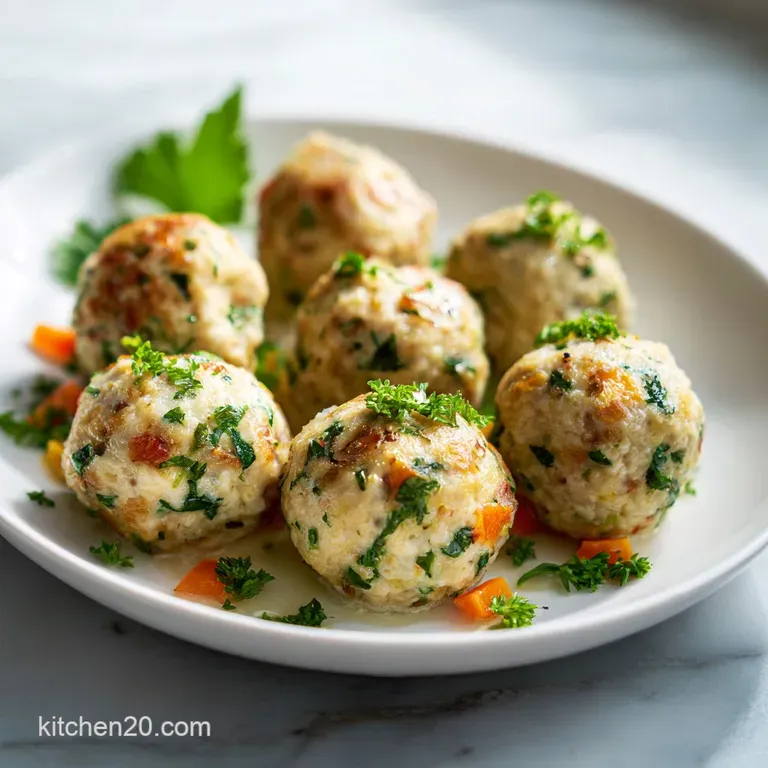
One of the biggest frustrations is when a meatball looks great on the outside but feels like a hockey puck on the inside. Usually, this comes down to one of two things: the ratio of fillers to meat or the temperature of the ingredients.
If your meat is too warm when you're forming the balls, the fat begins to melt and smear, which creates a greasy, tough finished product.
Why Your Meatballs Fall Apart
If your meatballs are disintegrating in the sauce, you likely didn't sear them long enough or your panade was too wet. The sear creates a structural "cage" that holds everything together. If you find the mix is too loose while rolling, chill it for 30 minutes.
This firms up the fats and makes them much easier to handle without adding extra flour or breadcrumbs which would dry them out.
| Problem | Root Cause | Solution |
|---|---|---|
| Tough Interior | Over mixing the meat | Fold ingredients gently; stop the moment they are combined. |
| Gray, Bland Exterior | Steaming instead of searing | Pat the meat dry and don't overcrowd the frying pan. |
| Dry Meatballs | Lean meat used (90/10) | Ensure you use 80/20 beef or add a tablespoon of heavy cream. |
Common Mistakes Checklist
- ✓ Using dried breadcrumbs without increasing the liquid (they absorb too much moisture from the meat).
- ✓ Forgetting to let the sautéed onions cool (this breaks the emulsion of the fat).
- ✓ Turning the meatballs too early before the crust has naturally released from the pan.
- ✓ Boiling the sauce too hard; a gentle simmer keeps the meat tender.
- ✓ Not seasoning the breadcrumbs or the milk (every layer needs salt).
Innovative Swaps for This Meatball Foundation
While the classic three meat blend is the gold standard for this bobby flays meatball recipe, you can definitely pivot based on what's in your fridge. If you can't find veal, don't sweat it. You can double the pork, which provides a similar fat content, though you'll lose a bit of that refined, silky texture. For those who want a completely different flavor profile, you might try The Homemade Sweet recipe to glaze them after searing.
| Original Ingredient | Substitute | Why It Works |
|---|---|---|
| Ground Veal | Ground Dark Turkey | Similar lean to fat ratio but with a milder, less rich flavor profile. |
| San Marzano Tomatoes | Tomato Purée + 1 tsp Sugar | Mimics the natural sweetness of San Marzano when they aren't available. |
| White Breadcrumbs | Grated Zucchini (squeezed dry) | Provides moisture and bulk for a lower carb, vegetable forward option. |
Adapting for a Slow Cooker
If you want to use a slow cooker, you still MUST sear the meatballs first. Throwing raw meat into a crockpot results in a greasy, boiled texture that loses all the complexity of the bobby flays meatball.
After searing, place them in the slow cooker with the sauce ingredients and cook on low for 4 hours. The low, consistent heat is excellent for breaking down the connective tissues in the pork and veal.
Success Metrics for This Iconic Meatball Blend
Scaling this recipe is fairly straightforward because the ratios are quite forgiving. If you're cooking for a crowd, like a neighborhood block party, you can easily double the batch.
Just remember that when you double the liquids, you should actually reduce the wine and milk by about 10% to prevent the sauce from becoming too thin.
- For 60 meatballs (2x): Use 3 lbs beef, 1 lb pork, 1 lb veal. Use 3 large eggs instead of 4 to keep the binding from becoming too "eggy."
- For 15 meatballs (0.5x): Use 1 egg, and halve all other ingredients. You can use a smaller 8 inch skillet to ensure the sauce still covers the meatballs during the simmer.
- Precision Checkpoint 1: Meatballs should be exactly 1.5 inches in diameter for even cooking.
- Precision Checkpoint 2: Internal temperature should reach 160°F (71°C) for safety and texture.
- Precision Checkpoint 3: Sauce should reduce by 20% during the final simmer to reach the correct viscosity.
Dispelling Meatball Myths
You’ve probably heard that you should always use the leanest meat possible to keep things "healthy." In the world of meatball physics, that is a total myth. Fat is what prevents the proteins from interlocking too tightly. Without it, you aren't making a meatball; you're making a sphere of jerky.
Another common misconception is that adding more eggs makes a better binder. In reality, too many eggs will make the meatballs feel rubbery and spongy, like a breakfast sausage patty gone wrong. The eggs are there to provide a bit of structure, but the real heavy lifting for tenderness is done by the panade.
Storage Solutions and Waste Reduction Strategies
Leftover meatballs are arguably better the next day because the flavors have time to fully "platform" and meld. Store them in an airtight container in the fridge for up to 4 days. If you want to freeze them, do it in the sauce.
The sauce acts as a protective barrier against freezer burn, keeping the meat juicy when you reheat it.
- Freezing: Lay cooled meatballs on a tray to freeze individually for 2 hours, then transfer to a bag. They stay fresh for 3 months.
- Reheating: Always reheat in a pan on the stove with a splash of water or extra sauce. Microwaving them can make the meat tough.
- Zero Waste: Don't throw away those bread crusts! Pulse them into coarse crumbs for a different recipe or toast them into croutons. If you have leftover sauce but no meatballs, it makes a killer base for a quick shakshuka.
Visual Garnish Strategy and Serving Ideas
Presentation is where you connect the chef's hard work to the diner's experience. To balance the deep, earthy reds and browns of the dish, you need three specific color accents. These shouldn't just be for show; they should add a hit of brightness to the heavy flavors.
- Bright Green: Finely minced flat leaf parsley added just before serving. It provides a grassy note that cuts through the fat.
- Deep Emerald: Fresh basil leaves, torn by hand. Add these to the sauce in the last 2 minutes of cooking so they wilt but don't turn black.
- Snowy White: A final, aggressive dusting of Parmigiano Reggiano. The contrast against the red sauce makes the dish look professional and adds a sharp, salty finish.
If you are crafting a bobby flays meatball sub recipe, toasted ciabatta is your best friend. The nooks and crannies of the bread catch the sauce, while the toasted exterior stands up to the moisture without turning into a soggy mess.
Slather a little garlic butter on the bread before toasting for an extra layer of flavor. It's a simple move, but it's what turns a basic sandwich into something people will actually talk about. Right then, let's crack on and get these in the pan!
Recipe FAQs
What is Oprah's favorite meatball?
Unknown. While Bobby Flay's meatballs are renowned for their specific three meat blend and panade technique, Oprah Winfrey's personal favorite meatball remains anecdotal information outside of her published content.
What should I never do when making Bobby Flay's meatballs?
Never overmix the meat base. Overmixing develops the protein structure too much, leading to tough, dense meatballs that lose the intended silky interior texture.
What are Bobby Flay's most popular recipes?
His Southwestern and Southwestern inspired dishes dominate popularity. While specific rankings vary, dishes featuring bold spice rubs, blue corn, and unique takes on barbecue often top the charts.
Is it better to bake meatballs or cook them in the sauce?
Cooking in a hot skillet first then simmering in sauce is superior. Searing creates the essential crust via the Maillard reaction, adding depth that baking alone cannot achieve, similar to the flavor foundation in Homemade Tostadas Recipe.
How do I ensure the meatballs stay tender after the initial sear?
Maintain a gentle simmer once they are introduced to the sauce. Boiling rapidly will cause the exterior to seize up and the interior to squeeze out moisture; a low, slow simmer allows the meat to absorb the sauce flavors without becoming tough.
Why should I use fresh breadcrumbs instead of dried?
Fresh breadcrumbs absorb milk (panade) evenly without becoming pasty or overly dry. This process introduces necessary moisture and starch suspension, which prevents the meat fibers from tightening up during cooking.
Can I use only ground beef in this recipe?
No, sticking to the meat blend ensures the correct texture profile. The veal contributes necessary collagen for silkiness, and the pork adds crucial fat content; using only beef results in a much firmer, less complex product, unlike the balanced texture achieved in The Classic Spaghetti recipe.
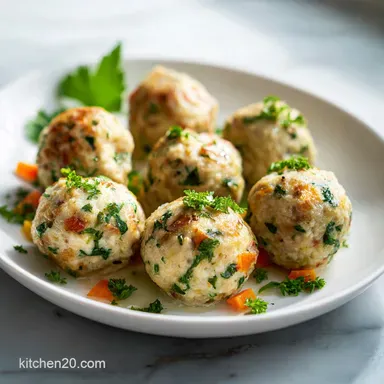
Bobby Flay Meatballs Recipe
Ingredients:
Instructions:
Nutrition Facts:
| Calories | 123 kcal |
|---|---|
| Protein | 7.1 g |
| Fat | 7.8 g |
| Carbs | 3.3 g |
| Fiber | 0.6 g |
| Sugar | 1.2 g |
| Sodium | 215 mg |
