Breakfast Casserole with Hash Browns
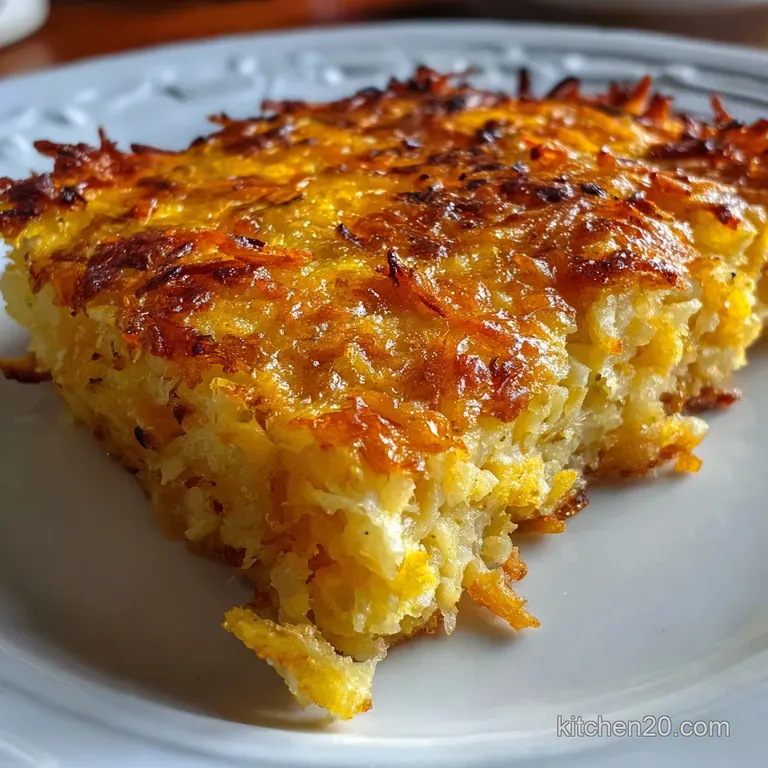
- Time: Active 20 minutes, Passive 45 minutes, Total 1 hours 5 mins
- Flavor/Texture Hook: Velvety egg custard paired with a savory, shatter crisp potato crust
- Perfect for: Holiday meal prep, high protein weekend brunch, or a budget smart family gathering
- Master This Breakfast Casserole With Hash Browns
- Crisp Secrets for This Casserole
- Component Analysis for Deep Flavor
- Strategic Elements for Budget Smart Flavor
- Efficient Tools for Morning Prep
- Steps for a Golden Finish
- Fixing Common Casserole Texture Flaws
- Flavor Variations and Budget Swaps
- Casserole Myths and Realities
- Storing Leftovers to Maintain Crispness
- Simple Ideas for Beautiful Presentation
- Very High in Sodium
- Recipe FAQs
- 📝 Recipe Card
Master This Breakfast Casserole With Hash Browns
The sizzle of ground pork hitting a hot skillet is the universal signal that a great morning has officially begun. I remember my first attempt at this dish years ago; I poured the eggs directly over frozen potatoes and ended up with a soggy, bland mess that lacked any structural integrity.
It was a frustrating waste of ingredients, but it taught me the most important lesson in casserole physics: moisture is the enemy of the crunch.
Now, the aroma of smoked paprika blooming in melted butter fills my kitchen every time I make this, and it never fails to draw the family to the table before I even pull it from the oven. We have moved past the "mushy potato" era into something far more sophisticated and reliable.
This version focuses on streamlining the process using smart kitchen systems so you spend less time hovering over the stove and more time enjoying your coffee.
By treating the potatoes as a crust rather than just a filler, we create a dish that actually holds its shape when sliced. It’s about being efficient with your movements, using over high heat searing for the proteins, and trusting the par bake to do the heavy lifting.
This isn't just a "dump and bake" meal, it’s a strategic assembly designed for maximum flavor impact with minimal cleanup.
Crisp Secrets for This Casserole
- Maillard Maximization: Searing the pork sausage and bacon separately creates deep umami compounds through protein browning that boiled or steamed meat simply cannot replicate.
- Starch Dehydration: Thawing and squeezing the hash browns removes excess water, allowing the potato cells to crisp rather than steam when they hit the hot fat.
- Emulsion Stability: Combining heavy cream with whole milk creates a fat rich matrix that prevents the eggs from weeping or curdling during the 45 minutes of baking.
- Coagulation Control: The eggs set into a velvety lattice at 160°F, acting as the structural "glue" that binds the heavy proteins to the crispy potato base.
| Servings | Ingredient Adjustments | Pan Size | Cook Time |
|---|---|---|---|
| 4-5 people | Half all ingredients; use 5 eggs | 8x8 inch square | 35 minutes |
| 9 people | Use quantities as listed below | 9x13 inch baker | 45 minutes |
| 18 people | Double all ingredients; work in batches | Two 9x13 pans | 50 minutes |
Similar to the technique I use in my Hashbrown Casserole recipe, prepping the potatoes correctly is the difference between a side dish and a main event.
Component Analysis for Deep Flavor
| Ingredient | Science Role | Pro Secret |
|---|---|---|
| Frozen Hash Browns | Structural Foundation | Use a potato ricer to squeeze them dry for a "shatter" texture. |
| Large Eggs | Protein Binder | Whisk for 2 full minutes to incorporate air for a lighter lift. |
| Smoked Paprika | Flavor Catalyst | Add to the melted butter first to "bloom" the fat soluble oils. |
Strategic Elements for Budget Smart Flavor
- 30 oz (850g) Frozen shredded hash browns: Thawed and squeezed dry. Why this? Frozen is cost effective and provides consistent starch content for a predictable crunch.
- Substitute: Grated fresh russet potatoes (must be rinsed and dried thoroughly).
- 4 tbsp (56g) Unsalted butter: Melted. Why this? Provides the fat needed to conduct heat and crisp the potato edges.
- Substitute: Ghee or clarified butter for a higher smoke point.
- 1 lb (450g) Ground pork sausage: Why this? High fat content carries spices throughout the entire custard base.
- Substitute: Ground turkey sausage (add 1/2 tsp fennel seeds to mimic pork flavor).
- 6 strips Thick cut bacon: Diced. Why this? Adds a secondary smoky note and a varied chewy texture.
- Substitute: Turkey bacon or smoked ham cubes.
- 10 Large eggs: Why this? The primary structural agent that holds the casserole together.
- Substitute: 2 cups of liquid egg whites for a leaner, denser bake.
- 1.5 cups (350ml) Whole milk & 1/2 cup (120ml) Heavy cream: Why this? This specific ratio ensures a velvety mouthfeel without being overly greasy.
- Substitute: 2 cups half and half for a simplified, one bottle approach.
- 2 cups (225g) Sharp cheddar cheese: Freshly shredded. Why this? Pre shredded cheese contains potato starch that can make the custard grainy.
- Substitute: Pepper Jack for a spicy kick.
- 1 Small yellow onion & 1 Red bell pepper: Diced. Why this? Aromatics that provide sweetness and visual contrast to the savory meat.
- Substitute: 1 cup frozen "pepper and onion" blend to save prep time.
Efficient Tools for Morning Prep
For a streamlined kitchen experience, I highly recommend using a heavy 9x13 inch ceramic baking dish. Ceramic holds heat more evenly than glass, which helps prevent the edges from burning before the center is set.
A large non stick skillet is essential for searing the sausage and bacon without losing half the meat to the pan surface.
Chef's Tip: Freeze your butter for 10 minutes before melting it. This might sound counterintuitive, but cold stored butter often has a cleaner flavor profile when heated rapidly with spices like smoked paprika.
I also suggest using a high-quality whisk to ensure the eggs, milk, and heavy cream are fully emulsified. If you’re looking for a slightly different flavor profile for a smaller crowd, you might want to try this Small Batch Ham recipe as well. It uses similar principles but scales down perfectly for a quiet morning.
Steps for a Golden Finish
- Preheat your oven to 400°F (200°C) and grease a 9x13 inch baking dish.
- Squeeze the 30 oz thawed hash browns in a clean kitchen towel until no more liquid escapes. Note: This is the most important step for avoiding a soggy bottom.
- Mix the dried potatoes with 4 tbsp melted butter, 1 tsp smoked paprika, and 1/2 tsp garlic powder.
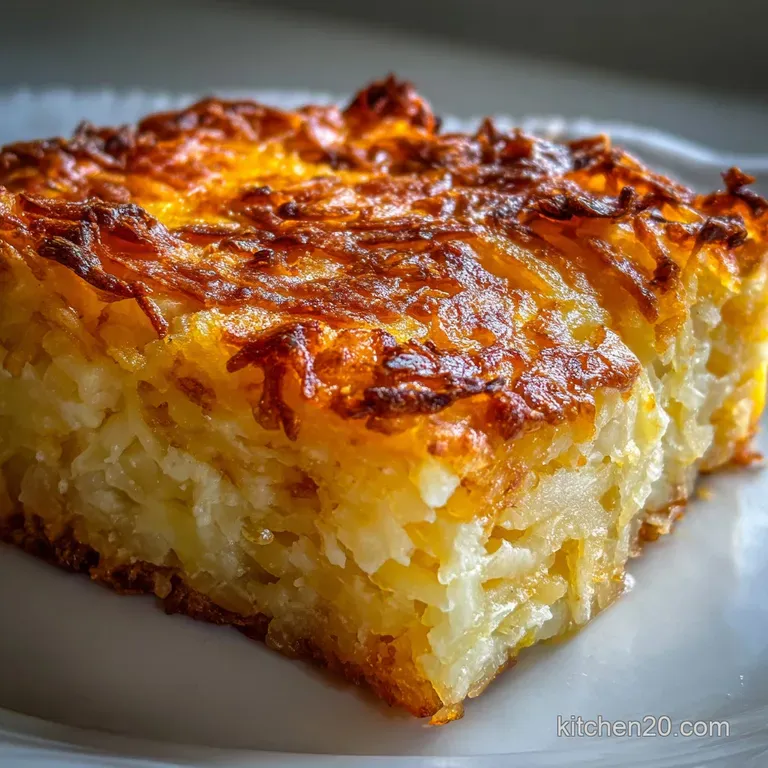
- Press the potato mixture into the bottom and up the sides of your dish and bake for 20 minutes until the edges are golden and starting to shatter.
- While the base bakes, brown 1 lb pork sausage and 6 strips diced bacon in a skillet until crisp and sizzling.
- Remove the meat and sauté the diced onion and red pepper in the residual fat until softened and translucent.
- Whisk 10 eggs, 1.5 cups milk, 1/2 cup heavy cream, 1 tsp salt, and 1/2 tsp pepper in a large bowl.
- Lower the oven temperature to 350°F (175°C).
- Layer the cooked meat, sautéed vegetables, and 2 cups shredded cheddar over the par baked hash browns.
- Pour the egg mixture over the top and bake for 45 minutes until the center is set and no longer wobbles.
- Let the dish rest for 10 minutes, then garnish with 2 sliced green onions before slicing.
Fixing Common Casserole Texture Flaws
Why is my casserole watery at the bottom?
The most common culprit is moisture trapped in the vegetables or the potatoes. When onions and peppers cook, they release water. If you don't sauté them first to cook off that liquid, it ends up at the bottom of your dish.
Similarly, frozen hash browns act like sponges; if you don't squeeze them dry, that water will steam inside the custard, ruining the texture.
What if the top is browning too fast but the center is raw?
This usually happens if your oven has "hot spots" or if the rack is positioned too high. The outside cooks and browns before the heat can penetrate the dense center of the casserole. This is why we drop the temperature from 400°F (for the potatoes) to 350°F for the egg portion.
| Problem | Root Cause | Solution |
|---|---|---|
| Greasy surface | Sausage wasn't drained | Use a slotted spoon to transfer meat from skillet to dish. |
| Bland flavor | No salt in the custard | Ensure you use the full tsp of salt in the egg whisking stage. |
| Tough eggs | Overbaking | Pull the dish when the internal temp hits 160°F. |
Common Mistakes Checklist ✓ Squeeze hash browns until they feel like dry paper before mixing with butter. ✓ Drain the sausage fat before adding meat to the casserole to prevent a grease slick. ✓ Use room temperature eggs to ensure they emulsify smoothly with the milk and cream.
✓ Never skip the 10 minute rest after baking; it allows the proteins to finish setting. ✓ Shred your own cheese to avoid the grainy texture of anti caking agents in pre bagged shreds.
Flavor Variations and Budget Swaps
Scaling this recipe down is quite simple if you are cooking for a smaller household. To make a half batch, use an 8x8 inch pan and reduce the eggs to 5. The cooking time for the egg portion will drop by about 10 minutes, so start checking the "wobble" at the 30 minute mark.
If you need to scale up for a large party, I recommend using two separate 9x13 pans rather than one giant deep dish, as the center of a very deep casserole will struggle to cook through without burning the edges.
When doubling the recipe for a crowd, keep the spices at 1.5x the original amount. Salt and paprika can become overwhelming when doubled strictly by volume. For a budget friendly swap, you can replace the heavy cream with an equal amount of whole milk, though the result will be slightly less velvety.
- 1. Potato Prep
- Squeeze until the weight of the 30 oz bag drops by at least 4-5 oz in water weight.
- 2. Sausage Sear
- Cook until the internal temperature of the meat crumbles reaches 165°F before adding to the dish.
- 3. The Pull
- Remove from oven when the internal temperature of the egg center is exactly 160°F.
| Feature | Fast Method | Classic Method (This Recipe) |
|---|---|---|
| Potato Texture | Soft and steamed | Crispy and defined |
| Prep Time | 5 minutes | 20 minutes |
| Flavor Depth | Mild/Standard | Complex and savory |
Casserole Myths and Realities
A common misconception is that you must soak hash browns to remove starch before cooking. In reality, with frozen shredded potatoes, that starch actually helps the "crust" bind together. Rinsing them would only add more moisture, which is exactly what we are trying to avoid.
Another myth is that "overnight" casseroles are always better. While convenience is great, letting the egg mixture sit on the potatoes for 12 hours often leads to a softer, mushier base.
For the best texture, I recommend par baking the potatoes and prepping the meat/veggies the night before, then doing the final assembly and pour right before you bake in the morning.
Storing Leftovers to Maintain Crispness
Store any remaining slices in an airtight container in the fridge for up to 4 days. When reheating, avoid the microwave if you want to keep the potato base from getting rubbery. Instead, place a slice in an air fryer at 350°F for 5 minutes or in a toaster oven.
This will revitalize the fats in the potatoes and bring back that essential crunch.
For zero waste cooking, save any leftover bacon grease in a jar in the fridge. It's a fantastic fat for sautéing greens or frying eggs later in the week. If you have leftover hash browns that didn't fit in the pan, fry them up as a simple side or use them to thicken a potato soup.
This casserole also freezes remarkably well for up to 2 months; just wrap individual slices in foil and then place them in a freezer bag.
Simple Ideas for Beautiful Presentation
This dish is a powerhouse of color thanks to the red peppers and green onions. To make it look as good as it tastes, I suggest serving it directly from the ceramic baker. It keeps the food warm much longer than individual plates would.
A side of fresh fruit or a light arugula salad with a lemon vinaigrette provides a necessary acidic contrast to the rich, salty flavors of the pork and cheddar.
If you are hosting a brunch, set out a "garnish bar" with extra green onions, a jar of hot honey, or even some pickled jalapeños. These small touches allow guests to customize the heat and acidity to their liking.
A dollop of sour cream or a splash of your favorite hot sauce can take a single slice from standard breakfast fare to a customized culinary experience.
Very High in Sodium
1150 mg mg of sodium per serving (50% of daily value)
American Heart Association recommendation: Limit sodium intake to about 2,300mg per day.
Sodium Reduction Tips for Your Hash Brown Casserole:
-
Choose Low-Sodium Sausage & Bacon-25%
Opt for low-sodium or no-salt added ground pork sausage and bacon. This can significantly reduce the sodium content as processed meats are a major source.
-
Reduce Cheese or Choose Low-Sodium-15%
Decrease the amount of cheddar cheese by half, or substitute with a low-sodium or reduced fat cheese option. Consider a cheese with a stronger flavor so you don't miss the full amount.
-
Control the Salt-15%
Eliminate the added kosher salt entirely. The sausage, bacon, and cheese already contribute a considerable amount of sodium. Taste the casserole before adding any additional salt.
-
Use Unsalted Dairy-5%
Ensure that the butter is unsalted, which it already is, and consider using lower sodium alternatives to milk and heavy cream if available, though this will have a smaller impact.
-
Enhance Flavor with Fresh Ingredients-5%
Increase the amount of diced onion and bell pepper. These add flavor naturally and reduce the need for added salt.
-
Spice It Up!
Experiment with sodium free herbs and spices like thyme, rosemary, or oregano to enhance flavor without adding sodium. Consider a pinch of cayenne pepper for a little heat.
Recipe FAQs
Can I put frozen hash browns in breakfast casserole?
Yes, but with a crucial step. You must thaw and squeeze out as much moisture as possible from frozen hash browns before adding them to the casserole. This prevents a soggy texture and ensures they crisp up nicely.
What are some common breakfast casserole mistakes?
The most common mistake is not draining moisture. This applies to both hash browns and sautéed vegetables. Another frequent error is overbaking, which can lead to rubbery eggs.
Do I have to thaw frozen hash browns for casserole?
Yes, it's highly recommended for best texture. While some recipes might attempt to use them directly, thawing and thoroughly squeezing out the excess water is essential to prevent sogginess and achieve a crisp base.
How do you make hash brown casserole?
Par-bake a seasoned hash brown base first. Mix thawed, squeezed hash browns with butter and seasonings, press into a dish, and bake until golden. Then, layer your fillings (like cooked meats, vegetables, and cheese) and pour over an egg and dairy mixture before baking until set.
How do I prevent my breakfast casserole from being watery?
Focus on moisture removal at every stage. Thoroughly squeeze thawed hash browns dry and sauté vegetables until their liquid has evaporated before adding them. This is key to achieving a firm, non-watery casserole.
Can I assemble a breakfast casserole the night before?
Yes, but with adjustments for optimal texture. It's best to par-bake the hash brown crust and cook your meat and vegetable fillings the night before. Assemble the final casserole (adding the egg mixture) just before baking in the morning to prevent a soggy bottom.
What's the best way to reheat breakfast casserole?
Avoid the microwave if possible. For the crispiest results, reheat slices in an oven or air fryer at around 350°F (175°C) for 5-10 minutes. This helps revive the potato crust's texture.
Breakfast Hash Brown Casserole
Ingredients:
Instructions:
Nutrition Facts:
| Calories | 530 kcal |
|---|---|
| Protein | 24 g |
| Fat | 38 g |
| Carbs | 21 g |
| Fiber | 2 g |
| Sugar | 3 g |
| Sodium | 1150 mg |
