Thanksgiving Side Dishes: Our Sophisticated Brown Butter Mushroom Dressing
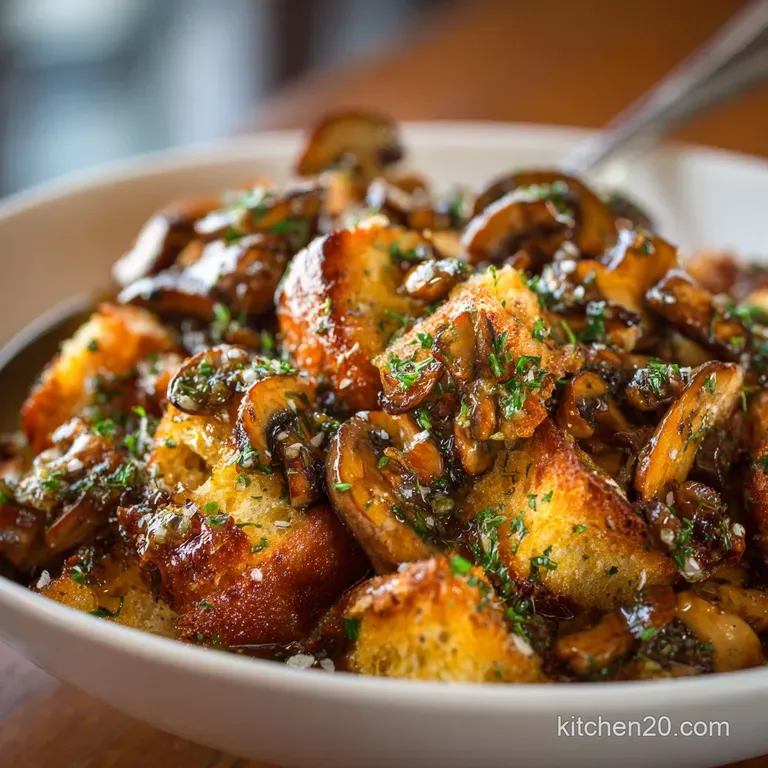
- Elevating Thanksgiving Side Dishes: The Power of Brown Butter
- Flavor Science: Why Sourdough Dressing Trumps Soft Stuffing
- Essential Ingredients for the Ultimate Thanksgiving Side Dish
- The Method: Crafting Your Brown Butter Sourdough Dressing
- Troubleshooting & Chef's Secrets for Flawless Holiday Sides
- Prep Ahead Strategies: Storage, Reheating, and make-ahead Thanksgiving Side Dishes
- Beyond the Turkey: Pairing This Dressing with Classic Thanksgiving Sides
- Recipe FAQs: The Art of Thanksgiving Side Dishes
- 📝 Recipe Card
Elevating Thanksgiving Side Dishes: The Power of Brown Butter
Thanksgiving is built on aromas. You know the ones: warm spices, crisp roasting skin, and that deep, nutty scent of butter and herbs filling every single corner of your house. It’s glorious. This dressing delivers that texture everyone craves crispy on the top, impossibly velvety inside.
This isn't just one of the best Thanksgiving side dishes ; it's the textural foundation of the meal.
We all want that show stopping side without the last minute panic, right? This recipe is a lifesaver because most of the heavy lifting can be done 48 hours in advance, which is exactly what we need when juggling five other dishes and guests.
Plus, using quality, everyday ingredients makes this an incredibly easy Thanksgiving side dish that tastes expensive.
Trust me when I say this brown butter technique transforms the humble bread cube. It gives depth and maturity that boxed stuffings can only dream of. Get ready to ditch the foil tray mix forever, because we are making the ultimate, deeply flavored Thanksgiving side dish right now.
Flavor Science: Why Sourdough Dressing Trumps Soft Stuffing
Why We Ditch the Box: Defining "Dressing" vs. "Stuffing"
We are making a dressing , not a stuffing, and this is a crucial distinction for both flavor and safety. Stuffing is packed inside the turkey cavity, where it absorbs delicious drippings but often becomes dangerously moist or, worse, unevenly cooked. We bake our dressing separately in a casserole dish.
This guarantees that perfect, safe internal temperature and, most importantly, provides the maximum surface area for crunchy golden crust development. That crust is everything.
Unlocking Umami: The Nutty Secret of Beurre Noisette
The real magic here is beurre noisette , or brown butter. When you cook butter past the melting point, the milk solids separate, sink, and caramelize. This creates incredibly complex, nutty notes (like toasted hazelnuts) that blend seamlessly with the earthy wild mushrooms and herbs.
It’s a simple step, but it instantly makes your Thanksgiving side dish taste like it came from a Michelin starred kitchen. I once burned a batch completely because I answered the phone, so watch that pan like a hawk!
A Side Dish Centerpiece: The Crispy Sourdough Crust
Soft sandwich bread just doesn’t cut it; it turns instantly to mush when soaked. Sourdough, with its robust structure and fantastic crust, holds its shape even after soaking up all that incredible brown butter stock. It toasts beautifully in the oven.
This structural integrity means you achieve that satisfying textural contrast a crispy top and tender middle which is vital for any great Thanksgiving side dishes recipe .
The Maillard Reaction and Perfect Toasting
The Maillard Reaction is just a fancy term for browning, and we encourage it! By tossing the bread cubes in a bit of melted butter and toasting them before adding the liquid, we pre-set the structure.
Then, removing the foil during the final bake allows that dry heat to hit the surface directly, ensuring a perfectly golden, deeply caramelized crust.
Texture Contrast: Crunchy Top Meets Velvety Interior
A truly magnificent Thanksgiving side dish has layers of texture. We combine the crunchy, pre-toasted sourdough cubes with the tender, caramelized shallots and meaty mushrooms.
When this meets the creamy stock and eggs, you get a luxurious, velvety interior that still has enough bite from the crusty bread. It keeps the dish light, even though it's rich.
Essential Ingredients for the Ultimate Thanksgiving Side Dish
We use quality ingredients, but nothing fancy. This is kitchen confidence, not kitchen complexity.
Selecting the Right Sourdough Bread (and Why Stale Is Best)
Please, please, start with dry bread. If you bought fresh sourdough, cube it immediately and leave it uncovered on the counter overnight. If you forget (I always do!), use the oven to toast it quickly as instructed. This dryness is the key to preventing a heavy, soggy texture.
Remember, we are aiming for light and fluffy, not a brick!
Wild Mushroom Varieties: Texture and Earthiness Notes
Using a mix of mushrooms adds depth. Cremini are easy and flavorful, but try adding a few oyster or shiitake caps for a meatier texture. They bring a necessary earthiness that stands up beautifully to the rich brown butter. We want depth in our Thanksgiving vegetable sides .
Aromatic Foundations: Shallots, Herbs, and Garlic Depth
Shallots are milder and sweeter than regular onions, which really works well in a delicate dish like this. We sauté them slowly with celery the classic Thanksgiving flavor base.
Don’t skimp on the fresh sage and thyme ; dried herbs are fine, but fresh herbs truly elevate the aroma and flavor of this easy Thanksgiving side dish .
Smart Swaps: dairy-free Butter Options
If you have guests with sensitivities, swapping out ingredients is easy here. Don't let allergies stop you from enjoying the best Thanksgiving side dish !
| Ingredient | Substitution | Notes |
|---|---|---|
| Butter | Ghee or high-quality Vegan Butter Sticks | Ghee browns beautifully, retaining that nutty flavor. Vegan sticks work well too, but watch them carefully when browning. |
| Sourdough | Crusty Challah or Robust GF Bread | Challah is softer but toasts well. GF breads must be very thoroughly dried first. |
| Stock | Rich Vegetable Broth | Use low-sodium versions so you can control the salt level yourself. |
The Method: Crafting Your Brown Butter Sourdough Dressing
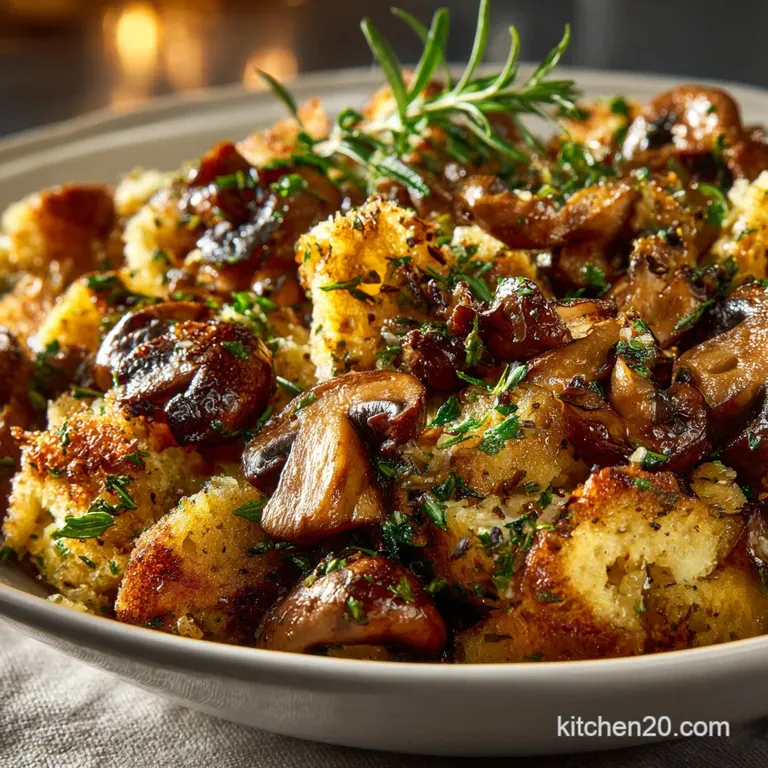
Step 1: Achieving the Perfect Brown Butter Base
This is the non-negotiable step. Melt your butter in a heavy bottomed, light colored pan over medium heat so you can see the solids change. Swirl it often. It will foam violently, then settle down. As the foaming subsides, you will see little specks forming on the bottom those are the milk solids turning amber.
They smell incredible, like toasted nuts. The second it smells nutty and looks caramel colored, pull it off the heat immediately. Carryover heat will finish the process.
Step 2: Sautéing Aromatics and Preparing the Mushroom Mixture
Use a large skillet so the vegetables don't steam. Start with the shallots and celery, softening them gently in a tablespoon of the reserved brown butter. Then, push them to the side and toss in your wild mushrooms. Crank the heat to medium high. You want the mushrooms to sear and caramelize, not stew.
Once they look browned, stir in the garlic and herbs. Cook for just sixty seconds. That short burst releases their fragrance beautifully; cooking longer burns the garlic.
Step 3: Combining the Dressing Base and Hydrating the Sourdough
Transfer the entire savory mixture (and all those flavorful mushroom juices!) into the bowl with your toasted bread cubes. Mix the remaining brown butter, slightly warmed stock, and beaten eggs in a separate container. Now, pour that liquid over the bread mixture. Don't drown it.
Toss gently using a spatula until every cube looks coated and damp, but there should be no standing liquid at the bottom. This is how we prevent soggy bottoms.
Chef's Note: If your bread is still feeling too dry, add a splash more stock (1/4 cup max) but wait 5 minutes between additions. You can always add more moisture, but you can’t take it away!
Step 4: The Bake: Crisp Tops and Internal Temperature
Transfer the moistened dressing into your prepared casserole dish. Press it down very lightly. We start by baking covered with foil for 30 minutes. This traps the steam, ensuring the interior cooks evenly and stays wonderfully moist.
Then, we remove the foil and increase the oven temperature to 400°F (200°C). That high heat blast creates the incredibly crispy top we crave. Bake until the top is deep golden brown, usually 20 to 25 minutes.
Troubleshooting & Chef's Secrets for Flawless Holiday Sides
Preventing Soggy Dressing: The Moisture Balance Cheat Sheet
Sogginess is the number one tragedy of Thanksgiving dressing. It happens because the bread wasn't dry enough or you added too much liquid. If your raw mixture looks like soup, you’ve gone too far.
If this happens, your only save is to quickly tear up another 1/2 cup of dry bread and mix it in to soak up the excess liquid. Always err on the side of slightly dry before baking.
The Great Herb Debate: Fresh vs. Dried Timing
For maximum impact, fresh herbs like sage and thyme should be stirred into the hot vegetable mixture just before it goes into the bread bowl, as we did here. This releases their volatile oils.
If you must use dried herbs, reduce the quantity by two-thirds and add them early, right when you’re sautéing the shallots, so they have time to soften and infuse the oil.
Temperature Control: Serving Hot vs. Warm
This dressing is truly at its best served piping hot. The contrast between the hot, moist interior and the crunchy, hot surface is addictive. If you need to hold it, transfer the baked dish to a warming drawer set to 180°F (82°C) or keep it covered in a very low oven (200°F/93°C) for up to an hour.
Prep Ahead Strategies: Storage, Reheating, and make-ahead Thanksgiving Side Dishes
Thanksgiving sides should be make-ahead friendly. If you are already stressing about making flaky make-ahead rolls, check out my recipe for Thanksgiving Appetizers and Finger Foods: Flaky make-ahead Rolls . This dressing is designed to cooperate with your schedule.
Making the Dressing Base 48 Hours in Advance
You can perform Steps 1, 2, and 3 (up to the point where the stock is added) two days ahead of time. Cube and toast the bread. Sauté the aromatics and mushrooms. Store the dry bread cubes in one container and the sautéed vegetable mix in another, both in the fridge.
On Thanksgiving morning, combine them, add the warmed stock and eggs, and proceed with baking.
Best Practices for Freezing Cooked Stuffing
Cooked dressing freezes surprisingly well! Once cooled completely, cut it into individual serving portions and wrap them tightly in plastic wrap, then foil. They will last for about three months. I prefer to cook my sides like this and my Southern Sweet Potato Casserole with Crunchy Pecan: Easy, Creamy Holiday Side Dish ahead of time just to save oven space.
Reheating Instructions for Maximum Crispness
To reheat, thaw overnight in the fridge. Place the dressing pieces (or the whole dish) in an oven set to 350°F (175°C), covered loosely with foil, for 20 minutes.
Then, remove the foil and bake uncovered for another 5– 10 minutes until the top crisps up again. A crispy top is mandatory.
Beyond the Turkey: Pairing This Dressing with Classic Thanksgiving Sides
This robust, mushroom heavy dressing needs bright, creamy partners. It works perfectly alongside traditional favorites, creating a balanced plate of modern Thanksgiving flavors. For a sweeter contrast, serve it with a dollop of tart cranberry sauce. If you’re looking for another comforting starch to balance the menu, my recipe for Paula Deens Corn Casserole: Rich, Creamy, Easy Holiday Side Dish is always a winner. They complement each other beautifully without fighting for flavor dominance.
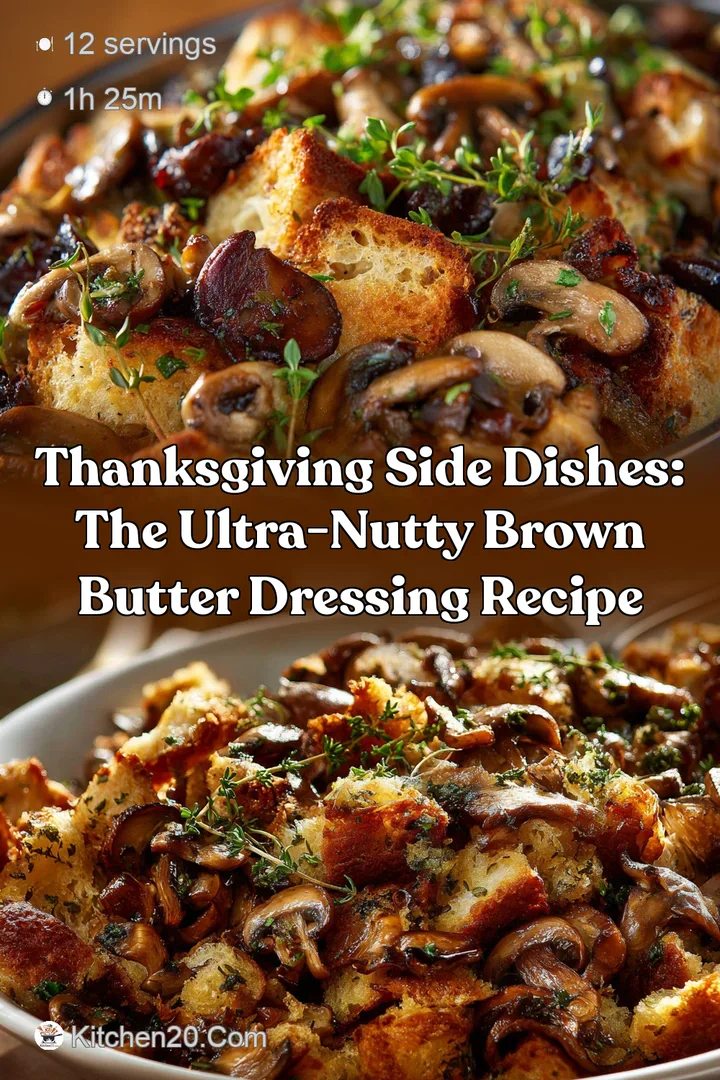
Recipe FAQs: The Art of Thanksgiving Side Dishes
What are generally considered the Top 5 quintessential Thanksgiving side dishes?
The culinary consensus generally points to five non-negotiable staples: Mashed Potatoes (often made with generous amounts of butter or cream), Classic Gravy, Cranberry Sauce (preferably homemade), Sweet Potato Casserole or Yams, and Stuffing/Dressing.
These dishes offer the necessary balance of textures and savory, sweet, and tangy flavors to complement the roasted turkey.
What distinguishes traditional Southern Thanksgiving side dishes from other regional varieties?
Southern Thanksgiving often features dishes rich in regional flavor and heritage, most notably Cornbread Dressing, which is typically baked outside the bird and boasts a savory, moist texture.
Other popular Southern additions include Braised Collard Greens (often seasoned with bacon or ham hock), baked Macaroni and Cheese, and the heavy incorporation of pecans in desserts and savory dishes.
How can I elevate my standard side dishes to impress my guests, reminiscent of a Martha Stewart style presentation?
The key to impressing is technique and finishing touches. Incorporate high-quality ingredients like brown butter or duck fat into starches, use fresh, seasonal herbs liberally, and always focus on textural contrast.
A garnish of toasted nuts, pomegranate seeds, or crispy fried shallots will instantly elevate the visual appeal and depth of flavor.
Why is my homemade stuffing or dressing often dry, and what is the best troubleshooting tip?
Dressing becomes dry primarily due to a lack of sufficient moisture (broth or stock) before baking, or overcooking in an uncovered dish. The secret is to ensure your bread cubes are completely saturated before baking they should feel heavy and very moist.
Additionally, cover the dressing with foil for the first three quarters of the baking time to trap steam and keep the inside tender.
Can traditional Thanksgiving side dishes like mashed potatoes or casseroles be successfully made vegan or gluten-free?
Yes, most side dishes are highly adaptable. Mashed potatoes work beautifully using creamy oat or cashew milk and high-quality vegan butter substitutes. For casseroles like green bean, use a homemade roux based sauce thickened with vegetable broth and gluten-free flour, or opt for a commercial vegan cream of mushroom soup.
How far in advance can I prepare components of my side dishes, and what is the best storage method?
Many components can be prepped 1-3 days ahead; chop all your vegetables, toast your bread cubes, and mix your cranberry sauce. Casseroles and dressings can be fully assembled and refrigerated (covered tightly), but ensure you pull them out 90 minutes before baking to allow them to come close to room temperature for even cooking.
What are some unique or trending side dishes for a modern Thanksgiving menu?
Modern menus often feature bright, acidic flavors to cut through the richness of the main course. Roasted Brussels sprouts tossed in a balsamic glaze or bacon jam are very popular, as are sophisticated grain based salads incorporating ingredients like farro, goat cheese, and toasted walnuts.
Also consider elevated purees using parsnips or celeriac instead of standard potatoes.
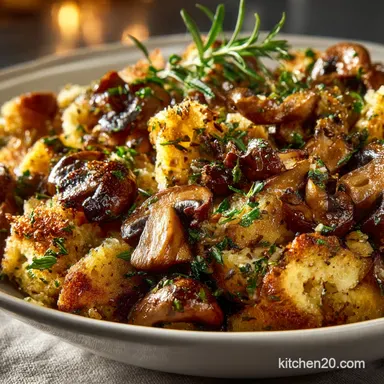
Brown Butter Dressing Thanksgiving Side
Ingredients:
Instructions:
Nutrition Facts:
| Calories | 400 kcal |
|---|---|
| Fat | 26 g |
| Fiber | 4 g |
