Classic Brown Butter Russian Tea Cakes

- Time: Active 50 minutes, Passive 12 minutes, Total 1 hours 2 mins
- Flavor/Texture Hook: Shattering, velvety texture with a toasted, nutty finish
- Perfect for: Holiday gift boxes, elegant afternoon tea, or tech fuelled late night baking sessions
Mastering Classic Brown Butter Russian Tea Cakes
Picture this: the aroma of browning butter hitting a cold pan, smelling like toasted hazelnuts and caramel. That scent is the signal that we are about to create something far beyond a basic cookie.
I remember the first time I swapped regular butter for the browned version in this recipe, it was a total revolution for my holiday baking tray.
We are moving away from the heavy, leaden biscuits of the past. These treats are designed to be light, airy, and so fragile they almost disappear the moment they touch your tongue. It is all about how we treat the fats and the flour to create that iconic snowy finish.
Right then, let's look at why this specific combination of ingredients creates such a reliable platform for flavor. We are not just making cookies, we are building a texture driven experience that connects tradition with modern technique.
Trust me on this, once you try the brown butter version, there is no going back to the plain stuff.
Essential Specs for Success
The magic of this recipe lies in the transformation of the butter and the structural integrity of the dough. We are using specific temperature cues to ensure the cookies hold their shape without becoming tough or greasy.
The Science of Why it Works
- Maillard Reaction: Browning the butter creates melanoidins, which provide that complex, toasted flavor profile that white butter lacks.
- Starch Interference: The cornstarch weakens the gluten network from the all purpose flour, resulting in a velvety, shattering crumb rather than a chewy one.
- Fat Plasticity: Using chilled brown butter ensures the cookies maintain their spherical shape during the initial stages of baking.
- Hygroscopic Action: The double coating of powdered sugar creates a moisture barrier that keeps the interior of the cookie soft while providing a crisp exterior.
| Thickness | Internal Temp | Rest Time | Visual Cue |
|---|---|---|---|
| 2.5 cm balls | 190°F (88°C) | 10 minutes | Bottoms are barely golden |
| 3 cm balls | 195°F (90°C) | 12 minutes | Edges feel set to touch |
| 2 cm balls | 185°F (85°C) | 8 minutes | Surface looks matte and dry |
Since we are focusing on the best way to develop that nutty base, we should compare the two main ways to brown your butter. While most people stick to the stovetop, using the oven can actually offer more consistency for larger batches.
| Method | Time | Texture | Best For |
|---|---|---|---|
| Stovetop | 8 minutes | Intense toasted bits | Small, precision batches |
| Oven | 15 minutes | Even golden hue | Large batches and meal prep |
Component and Flavor Analysis
Every ingredient in this Russian Tea Cakes Recipe serves a distinct purpose in the final architecture of the cookie. We are connecting simple pantry staples to create a high end result. Much like the base of a great Pecan Pie recipe, the quality of your nuts and butter will dictate the final success of the dish.
| Ingredient | Science Role | Pro Secret |
|---|---|---|
| Unsalted Butter | Fat & Flavor | Brown it until it smells like hazelnuts, then chill until solid. |
| Cornstarch | Protein Dilution | Prevents the flour from forming long gluten strands for a "shatter" effect. |
| Toasted Pecans | Structural Texture | Pulse them into a fine meal to ensure they integrate into the dough platform. |
| Powdered Sugar | Moisture Control | Provides a delicate sweetness without the grit of granulated sugar. |
Essential Baking Tools
To get the precision needed for these Russian Tea Cookies Recipe, you don't need a lab, but a few specific tools will help. I've found that using a digital scale is the only way to ensure the 250g of flour doesn't accidentally become 300g when you scoop it with a cup.
- Small Heavy Bottomed Saucepan: Crucial for even heat distribution while browning the butter.
- Food Processor: Perfect for pulsing the 100g of toasted pecans into a fine, sandy texture.
- Digital Kitchen Scale: This is my favorite piece of tech in the kitchen for consistent results.
- Silicone Baking Mats: These prevent the bottoms of the cookies from browning too quickly compared to the tops.
- Small Cookie Scoop: Ensures every one of the 24 cookies is exactly the same size for even baking.
Detailed Preparation Steps
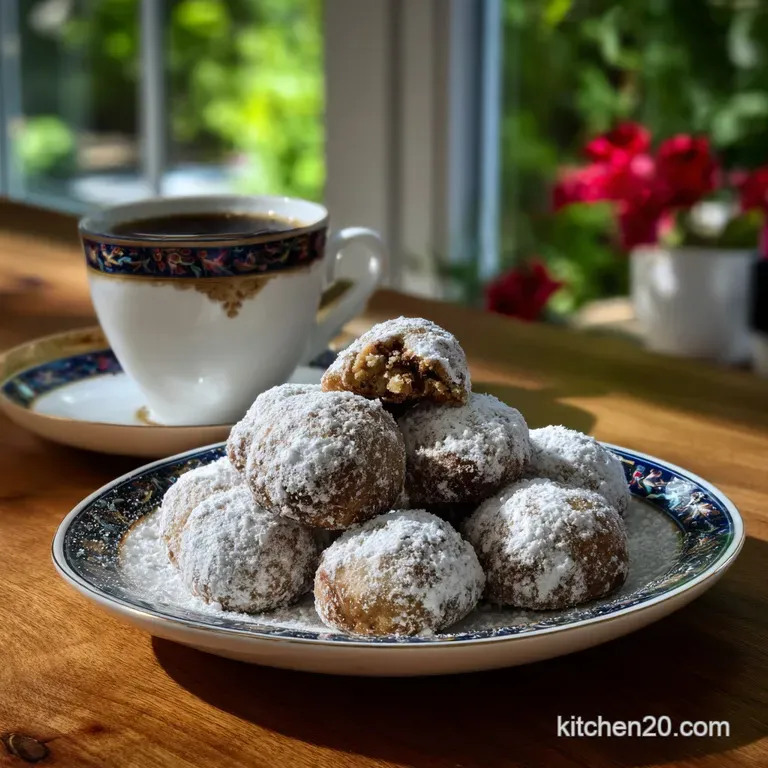
Let's crack on with the method. Remember, the secret is in the temperature of that butter. If it's too liquid, your cookies will melt into puddles. If it's too hard, the dough will crumble before you can even shape it.
- Brown the butter. Melt 226g unsalted butter in a pan over medium heat. Note: Continue cooking until the foaming subsides and you see brown specks at the bottom.
- Chill the fat. Pour the brown butter into a bowl and refrigerate until it is the consistency of softened butter, about 45 minutes.
- Prep the nuts. Pulse 100g toasted pecans in a food processor until they look like coarse sand.
- Cream the base. Beat the chilled brown butter with 60g powdered sugar until light and fluffy, roughly 3 minutes.
- Add aromatics. Mix in 1 tsp vanilla bean paste and 1/2 tsp almond extract. Note: This creates the signature Almond Extract Russian Tea Cakes flavor profile.
- Incorporate dry ingredients. Sift in 250g all purpose flour, 30g cornstarch, and 1/2 tsp sea salt.
- Fold in pecans. Add the ground pecans and mix until the dough just comes together.
- Chill the dough. Wrap the dough and let it rest in the fridge for 30 minutes. Note: This prevents spreading in the oven.
- Shape and bake. Roll into 24 balls and bake at 175°C (350°F) for 12 minutes until the tops are set but not browned.
- Double coat. Roll warm cookies in the 180g powdered sugar, let cool, then roll again until they are thickly coated in white.
Chef Tip: Freeze your butter for 10 minutes before you even start the browning process. This helps the milk solids separate more cleanly once you hit the heat, giving you a clearer flavor profile.
Troubleshooting Common Mistakes
The most common issue I see with these Russian Tea Biscuits Recipe is the dreaded "puddle cookie." If your cookies spread out like pancakes, your butter was likely too warm when you started the dough, or you skipped the chilling step.
Why Your Cookies Are Crumbling
If the dough won't hold a ball shape, you might have over processed the pecans, releasing too much oil, or your flour measurement was slightly heavy. This is why the cornstarch is so important; it acts as a binder that still allows for a tender bite.
Why Your Sugar Coating Is Melting
If the first layer of powdered sugar turns into a sticky glaze, you rolled the cookies while they were screaming hot. You want them warm enough to make the sugar stick, but not so hot that it dissolves.
| Problem | Root Cause | Solution |
|---|---|---|
| Cookies are flat | Butter was too warm | Chill dough for 60 minutes before baking. |
| Cookies are tough | Overmixed the flour | Mix until just combined; do not overwork the gluten. |
| Sugar falls off | Cookies were too cold | Lightly mist with water or roll while still slightly warm. |
Common Mistakes Checklist ✓ Always toast your pecans before grinding them for maximum flavor. ✓ Never skip the sifting step for the powdered sugar coating. ✓ Use a heavy bottomed pan to prevent burning the milk solids in the butter.
✓ Ensure the oven is fully preheated to 175°C before the cookies go in. ✓ Let the cookies rest on the pan for 5 minutes before the first sugar roll.
Flavor and Texture Variations
Once you've mastered the platform of the basic dough, you can start revolutionizing the flavors. I love how this recipe connects with different seasonal ingredients. For a different twist on a holiday classic, you might even find similarities in the delicate crumb of an Apple Pie Recipe crust.
- For a Citrus Twist: Add the zest of one orange to the butter sugar mixture.
- For a Nut Free Alternative: Replace pecans with toasted sunflower seeds or roasted rolled oats.
- For a Spicy Kick: Add 1/2 tsp of ground cardamom or cinnamon to the flour mixture.
| Original Ingredient | Substitute | Why It Works |
|---|---|---|
| Pecans (100g) | Walnuts (100g) | Similar fat content. Note: Adds a slightly more bitter, earthy tone. |
| Vanilla Bean Paste | Vanilla Extract | Same flavor profile. Note: You will lose the visual black specks in the dough. |
| Cornstarch (30g) | Arrowroot Powder | Functions as a thickener. Note: Creates an even more fragile, delicate crumb. |
If you are wondering how to bake Russian Tea Cakes for a large crowd, the scaling is relatively straightforward. Just be careful with the leavening and liquids if you decide to double the batch.
- To Scale Up (2x)
- Use 452g butter and 500g flour. Increase the salt and extracts by 1.5x only to avoid overpowering the dough.
- To Scale Down (1/2)
- Halve all ingredients exactly. Use a small bowl for the mixer to ensure the whisk can reach the butter.
- Liquid Adjustments
- If you find the dough too dry after doubling, add 1 tablespoon of milk at a time until it holds together.
Storage and Waste Tips
These cookies are actually better the second day! The flavors of the brown butter and the almond extract have time to connect and deepen. Keep them in an airtight container at room temperature for up to 7 days.
Freezing for Later You can freeze the unbaked dough balls for up to 3 months. Bake them directly from frozen, adding 2-3 minutes to the total cook time. For baked cookies, ensure they are fully cooled and double coated before freezing in a single layer.
Zero Waste Approach Don't throw away the leftover powdered sugar from the coating process! Sift it into a jar and use it for your next batch of cookies or to sweeten a morning latte. Any leftover pecan dust from the food processor can be sprinkled over oatmeal or yogurt for a toasted crunch.
Plating and Presentation Levels
Presentation is where you can really show off the connected nature of your baking. Whether you are serving these at a casual gathering or a formal dinner, the way you plate them changes the entire experience.
| Level | Style | Key Element |
|---|---|---|
| Simple | Casual Heap | A rustic pile in a ceramic bowl with a light sifting of sugar. |
| Polished | Geometric Stack | Three cookies stacked vertically with a single toasted pecan on top. |
| Restaurant | Modern Minimalist | A single cookie offset on a dark plate with a streak of salted caramel. |
For the ultimate restaurant style finish, try adding a tiny pinch of flaky sea salt on top of the final sugar coating. It breaks up the sweetness and highlights the complex notes of the Brown Butter Russian Tea Cakes.
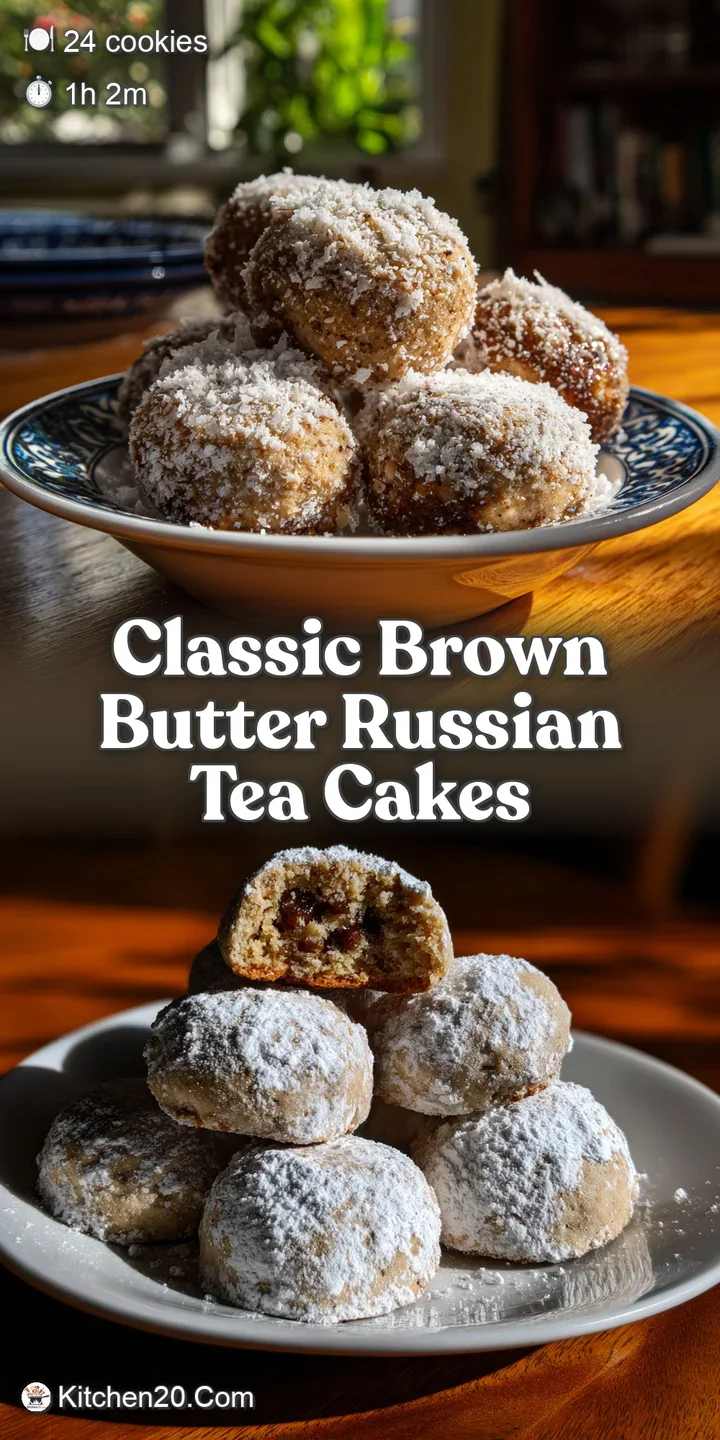
This recipe truly is the best Russian Tea Cake Recipe I have ever developed because it balances that nostalgic feel with professional level techniques. Let's get baking!
Recipe FAQs
What are Russian tea cakes?
They are small, delicate, buttery cookies. Often described as melt-in-your mouth, they are traditionally coated in powdered sugar and can include chopped nuts like pecans.
What is the best flour for Russian tea cakes?
All-purpose flour is the standard and works best. For these specific brown butter versions, the cornstarch is crucial in weakening gluten development for that signature tender, shattering texture.
What is the difference between Mexican wedding cakes and Russian tea cakes?
There is virtually no difference; they are essentially the same cookie. The name varies by region and tradition, but the ingredients and preparation are nearly identical, featuring a buttery cookie rolled in powdered sugar.
What is another name for Russian tea cakes?
Mexican wedding cookies, Italian anise cookies, and snowballs are common alternative names. The name often reflects the region or a key characteristic like their snowy appearance.
Can I use a different nut in Russian tea cakes?
Yes, you can substitute other nuts. If you enjoyed controlling cookie spread and texture here, consider walnuts or even almonds for a similar nutty profile, just like how we use toasted nuts in our Pecan Pie Recipe.
Why are my Russian tea cakes spreading too much?
Your butter was likely too warm when you mixed the dough. For the signature shape, ensure your brown butter is chilled to a solid, softened butter consistency before creaming with sugar.
How do I get a thick, snowy coating of powdered sugar?
Roll the cookies twice. First, while they are still warm from the oven, then let them cool completely, and finally roll them a second time for that iconic, thick, snow like appearance.
Brown Butter Russian Tea Cakes
Ingredients:
Instructions:
Nutrition Facts:
| Calories | 178 calories |
|---|---|
| Protein | 1.5 g |
| Fat | 10.7 g |
| Carbs | 19.7 g |
| Fiber | 0.7 g |
| Sugar | 10.2 g |
| Sodium | 48 mg |
