Spaghetti Squash with Brown Butter Crispy Sage
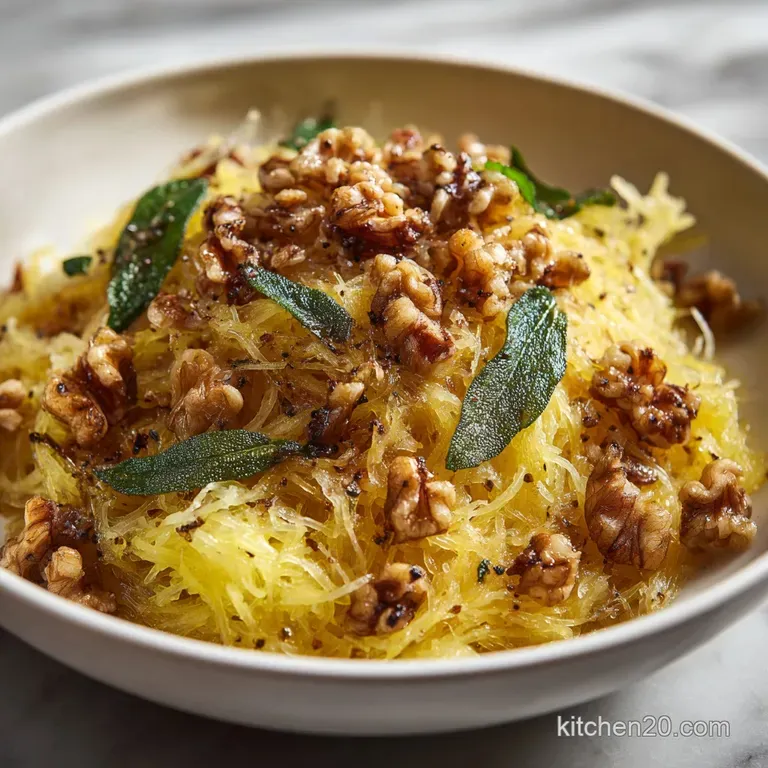
- The Autumn Standard: Elevated Spaghetti Squash, The Low-Carb Triumph
- Essential Kit: Ingredients for the Ultimate Spaghetti Squash Dish
- The Expert Method: Step-by-Step Guide to Flavor Perfection
- Troubleshooting & Pro Tips for Handling Spaghetti Squash
- Practical Guide: Storing and Reheating Leftover Comfort
- What to Serve Alongside This Elegant Meal
- Recipe FAQs
- 📝 Recipe Card
The Autumn Standard: Elevated Spaghetti Squash, The Low-Carb Triumph
That nutty, deeply savory aroma hitting you the moment you pull the pan from the oven? That’s the smell of properly roasted Spaghetti Squash . When those delicate, golden strands are tossed in rich brown butter and crispy sage, it stops being a boring side dish and absolutely becomes the main event.
Look, we all crave comfort food, but sometimes you just want that deep satisfaction without feeling heavy enough to nap immediately after dinner. This recipe is your autumn weeknight lifesaver; it’s cheap, unbelievably satisfying, and delivers classic Italian inspired flavors without all the complex carbs.
I’ve made every mistake there is, from microwaving it until it was wet mush to under seasoning the whole thing completely. I’m here now to show you exactly how to prepare spaghetti squash the absolute right way, transforming this humble gourd into a truly elegant triumph.
Why We Ditch the Boring Boil: Maximizing Flavor Through Roasting
Roasting is non-negotiable, darling. If you boil or steam your squash, you are essentially adding water, which dilutes the natural sugars and creates sad, watery strands. When you roast the Spaghetti Squash cut-side down, the high heat caramelizes the surface sugars, concentrating the flavor into something rich and slightly sweet.
It's a simple thermodynamic fact: dry heat equals maximum flavor concentration. This technique allows the exterior to brown beautifully while the interior cooks into perfect, al dente like strands.
That brown crust is where the magic lives, and that is what makes this a superior Spaghetti Squash recipe.
Introducing Brown Butter: The Secret to Serious Depth of Flavor
If you only use melted butter, you miss the entire point. Brown butter, or beurre noisette , is where sophistication meets simplicity. You’re simply cooking the butter beyond the melting point until the milk solids separate, sink to the bottom, and toast themselves.
This process gives the butter a wonderfully deep, nutty aroma like toasted hazelnuts. Pairing this rich, slightly savory foundation with the sweetness of the roasted squash and the fragrant, crispy sage is what elevates this dish beyond a simple vegetable side.
Carb Comfort Without the Coma: Nutritional Overview of the Recipe
One of the best things about this particular Spaghetti Squash preparation is its excellent macro profile. It offers satisfying texture without the carb overload of traditional pasta. The squash itself is low in calories, but high in fiber and Vitamins A and C.
We introduce healthy, quality fats through the brown butter and walnuts, which helps keep you satiated for hours. This makes for a fantastic foundation for a low-carb diet or just a lighter meal overall, giving you that carb comfort without the afternoon slump.
Trust me, learning to prepare spaghetti squash this way changes everything.
Essential Kit: Ingredients for the Ultimate Spaghetti Squash Dish
We are focusing on quality here, since the ingredient list is so short. The richer the butter and the sharper the Parmesan, the better the final dish will taste.
Choosing the Perfect Squash: Size, Weight, and Appearance
You want a large, heavy Spaghetti Squash for this recipe around 3 pounds is ideal for four servings. Look for squash that is firm to the touch with no soft spots or blemishes. The skin should be a vibrant, uniform yellow.
Pro Tip: Heavy squash usually means less air inside and more dense, delicious flesh. A dull, pale color often indicates a less mature or flavorless vegetable.
Parmesan vs. Pecorino: Selecting the Salty Finishing Cheese
I call for Parmesan, and that is what I prefer here because its fruity, nutty notes perfectly complement the brown butter. However, don't be afraid to experiment!
| Cheese Choice | Flavor Profile | Use When... |
|---|---|---|
| Parmesan | Nutty, slightly fruity, sharp, complex | You want balance and deep umami. |
| Pecorino Romano | Very salty, tangy, pronounced sheep flavor | You love a sharp, pungent finish. |
| Grana Padano | Milder, less complex than Parmesan | You need a more budget friendly option. |
Ingredient Swaps: Using Alternatives to Walnuts and Sage
We all run out of things, and that’s okay. The beauty of this dish is its flexibility.
- No Walnuts? Use toasted pecans, which offer a similar buttery profile, or swap in toasted pine nuts for a more classic Italian feel. If you must skip the nuts entirely (due to allergy), toss in 1/4 teaspoon of nutmeg for warmth.
- No Fresh Sage? Don't use dried sage, please; it’s too powdery and strong. Instead, use fresh thyme or fresh rosemary, but use less (about 1 teaspoon of leaves) as they have a much bolder flavor.
- No Unsalted Butter? If using salted butter, reduce the amount of added kosher salt by half a teaspoon initially, then adjust later.
The Expert Method: step-by-step Guide to Flavor Perfection
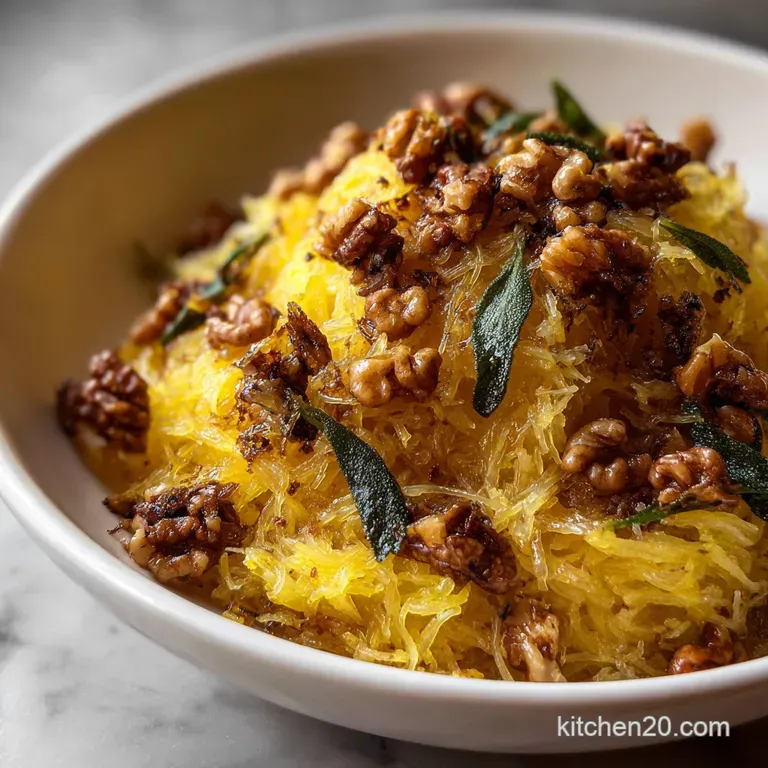
Prep Work: Halving and Seeding the Squash Safely
This is the most dangerous part of cooking Spaghetti Squash . The skin is ridiculously tough, and you need a sharp, heavy chef’s knife. Never try to cut the squash in one go!
Poke the squash all over with a fork, then microwave it for 3– 4 minutes. This softens the skin just enough to slice it safely lengthwise, right down the middle.
Scoop out the seeds and membranes completely a large metal spoon works best here. Drizzle the inside with olive oil and season generously with salt and pepper. Don't be shy with the salt; it helps draw out moisture and deepen the flavor during roasting.
Roasting for Optimal Shredding: Temperature and Timing
Preheat your oven to 400°F (200°C). Place the seasoned squash cut-side down on a parchment lined baking sheet. Roasting it this way steams the interior gently, ensuring the strands are tender but not mushy.
Roast for 45– 50 minutes. You know it’s done when the skin is starting to collapse slightly and a fork pierces the flesh easily. I cannot stress this enough: do not over roast. If the flesh is too soft, you’ll get mush, not strands.
Chef’s Note: Once you pull the squash from the oven, let it rest for 10 minutes. This lets the steam dissipate and makes the strands easier to scrape and toss, preventing them from being too sticky.
The Critical Step: Creating Nut-Brown Butter and Crispy Sage
While the squash cools, make the beurre noisette . Use a light colored saucepan so you can watch the color change. Melt the butter over medium heat, letting it foam. As the foam subsides, the milk solids will start to toast on the bottom.
Listen for the sizzle to quiet down, and watch the solids turn a beautiful amber brown. The entire kitchen will smell strongly of toasted hazelnuts. Remove the pan immediately from the heat when this happens! Then, quickly toss in your fresh sage leaves.
They will sizzle and crisp in the residual heat, creating the most delightful crunchy garnish. Scoop the crispy sage out and set it aside, then stir the minced garlic into the warm butter to soften it gently.
Bringing it All Together: Tossing and Finishing the Dish
Once the roasted Spaghetti Squash is cool enough to handle, use a fork to rake the strands out of the shell, working from end-to-end. Transfer all those gorgeous strands to a large mixing bowl. This is where you bring the magic.
Pour the warm, nutty brown butter mixture over the squash. Toss everything gently, coating every strand thoroughly. Add the grated Parmesan cheese and the toasted walnuts. A final shower of lemon zest brightens the richness beautifully. Serve instantly, scattered with your reserved crispy sage leaves.
Troubleshooting & Pro Tips for Handling Spaghetti Squash
Preventing Watery Strands: The Post Roast Drainage Trick
Watery strands are the #1 complaint, but they are easy to fix. The squash releases moisture as it cools. After scraping the strands into your bowl, if they look wet or glossy, let them sit in a colander for five minutes. You can even press lightly with a paper towel to blot excess moisture.
Dry strands absorb the delicious brown butter better!
Avoiding Burnt Butter: How to Watch for the Milk Solids
Brown butter can go from perfect to ruin in thirty seconds. Keep the heat medium, stir constantly, and use your nose more than your eyes. As soon as you detect that intense, toasted hazelnut aroma, pull the pan off the heat instantly. Even a minute too long, and those dark solids will taste bitter and acrid.
Enhancing the Nutty Flavor: Toasting Walnuts Properly
Don't skip toasting your nuts! Raw walnuts are bland and slightly bitter. Toasting brings out their oils and enhances their richness. You can do this in a dry skillet over medium heat for 5 minutes, stirring until fragrant, or toss them in the oven for the last 10 minutes the Spaghetti Squash is roasting.
Practical Guide: Storing and Reheating Leftover Comfort
Best Practice for Refrigerating the Finished Dish
If you have leftovers (a rare occurrence in my house), they store beautifully. Transfer the finished brown butter and Spaghetti Squash mixture into an airtight container. It will keep well in the fridge for up to 4 days. The flavor actually deepens overnight!
Can You Freeze Cooked Spaghetti Squash Strands?
Yes, but it won’t be quite the same. If you are prepping ahead without the sauce, you can freeze the scraped, cooked strands. First, ensure you dry them thoroughly (see the drainage trick above). Freeze them flat in a sealed bag.
When thawing, they will release more water, so plan to reheat them in a skillet to evaporate the extra moisture before tossing with a fresh batch of brown butter.
Rejuvenating the Dish: How to Restore Crispness When Reheating
Microwaving turns this dish soggy, so please don't do it! To restore the texture, spread the leftovers thinly on a baking sheet and heat them in a 350°F (175°C) oven for about 10 minutes. This helps evaporate moisture and crisp up the edges slightly.
Toss with a fresh grating of Parmesan and a splash of olive oil to finish.
What to Serve Alongside This Elegant Meal
This flavorful, nutty brown butter spaghetti squash is rich enough to stand alone, but it makes an incredible side or foundation for a quick protein.
The richness of this particular preparation pairs perfectly with something light and green. A simple side salad of peppery rocket (arugula) with a strong lemon vinaigrette provides a necessary acidic cut.
If you're looking for other squash inspiration, I highly recommend checking out my method for making [Baked Spaghetti Squash with Browned Butter Herbs], which uses similar techniques but focuses more on herbal elements.
If you are serving this for a cozy autumn dinner, starting the meal with a warm, velvety soup is perfect. My [Autumn Squash Soup The Best Roasted Velvety Fall Comfort Recipe] is an ideal starter. Learning how to prepare spaghetti squash well means you can pivot it to fit any menu!
Recipe FAQs
Why is my spaghetti squash watery or mushy?
Mushy squash usually results from overcooking or failing to drain excess moisture. After scraping the strands, gently press them in a fine mesh sieve or a colander lined with paper towels to expel any liquid released during roasting. This step is crucial for achieving a firm, pasta like texture.
How do I ensure my brown butter doesn't burn?
Always use a heavy bottomed, light colored pan so you can clearly see the solids changing color. Keep the heat moderate and swirl the pan frequently as the butter melts past the foaming stage. As soon as you see amber specks at the bottom and smell a nutty aroma, immediately remove it from the heat and pour it out.
Can this Autumn Comfort Spaghetti Squash dish be made vegan?
Yes, this recipe adapts beautifully to a vegan diet. Simply substitute the dairy butter with a high-quality vegan butter substitute or olive oil for the browning step. For the "cheesy" element, use a generous amount of nutritional yeast or a hard vegan parmesan alternative.
What is the easiest and safest way to cut a raw spaghetti squash?
To safely manage the tough skin, stabilize the squash on a damp kitchen towel and pierce it all over with a fork. Microwave the whole squash for 3 to 5 minutes to slightly soften the shell before cutting. Use a large, very sharp chef's knife to slice it lengthwise from tip to stem.
How long can I store leftover cooked spaghetti squash?
Store any leftovers in an airtight container in the refrigerator for up to three days. When reheating, it is best to use a skillet over medium heat, adding a small amount of fresh butter or oil to revitalize the strands and prevent dryness.
Can I use a different nut instead of toasted walnuts?
Absolutely; pecans, pine nuts, or even slivered almonds work wonderfully in this dish and offer similar crunch and earthy flavor. Ensure that whatever nut you choose is lightly toasted in a dry pan before mixing it in to maximize its aromatic oils.
Is it possible to freeze cooked spaghetti squash for later use?
While technically possible, freezing cooked spaghetti squash is generally not recommended as it significantly degrades the texture, leading to very watery and limp strands upon thawing. If you must freeze it, use the thawed squash only in baked casserole dishes where texture is less critical.
Brown Butter Squash Perfection
Ingredients:
Instructions:
Nutrition Facts:
| Calories | 552 kcal |
|---|---|
| Protein | 17.9 g |
| Fat | 45.1 g |
| Carbs | 29.4 g |
