Butternut Squash Ravioli: Silky & Resilient
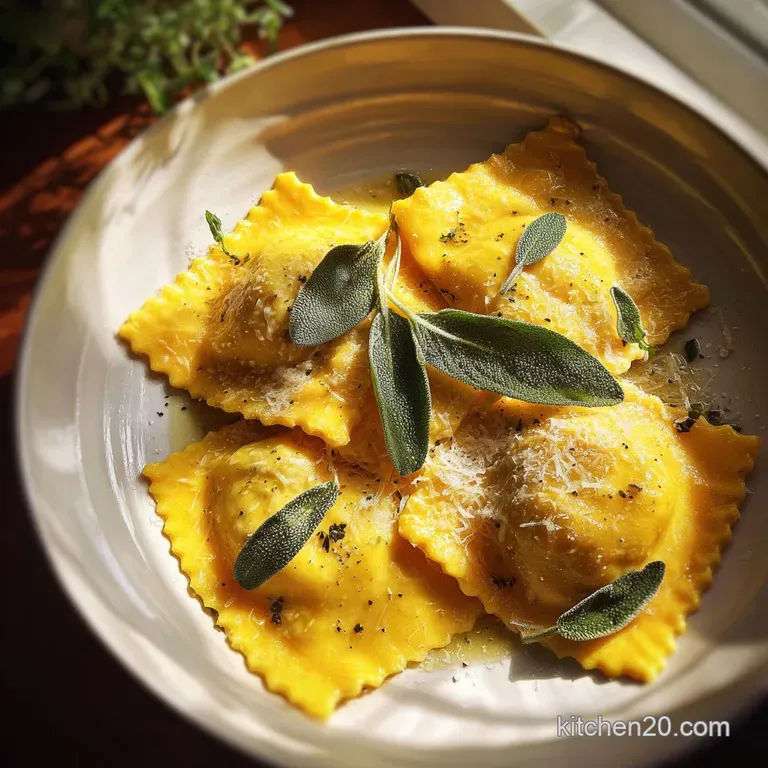
- Time: Active 40 mins, Passive 20 mins, Total 60 mins
- Flavor/Texture Hook: Velvety squash purée encased in translucent, al dente pasta ribbons.
- Perfect for: An intentional weekend project or a high impact seasonal gathering.
- Master the Perfect Butternut Squash Ravioli
- Why This Filling Logic Works
- Essential Ingredient Component Analysis
- Selecting Your Premium Ingredients
- Required Kitchen Platform Tools
- Executing the Stepwise Process
- Resolving Pasta Structural Failures
- Scaling the Pasta Production
- Debunking Pasta Preparation Myths
- Storage and Sustainable Practices
- Designing the Final Plate
- Recipe FAQs
- 📝 Recipe Card
Master the Perfect Butternut Squash Ravioli
The first time I attempted this, my kitchen looked like a flour explosion, and the ravioli exploded in the pot, leaving me with a sad "squash soup" instead of dinner. I realized I was treating the filling like a mashed potato side dish rather than a structural component.
The secret isn't just in the squash itself, but in how we connect the moisture heavy vegetables with the proteins in the cheese.
We've all been there: you spend an hour rolling dough only for it to tear or go gummy. I’ve spent months refining a workflow that ensures the pasta has enough elasticity to hold the weight of the filling while keeping the filling concentrated and intense.
This recipe solves the "watery squash" dilemma by roasting for density rather than boiling for speed.
You’re going to love the way the sage leaves sizzle and shatter when they hit the hot butter, creating a textural contrast against the soft pasta. It’s about building a flavor platform where the natural sweetness of the 900g squash is balanced by the sharp, salty notes of the Parmesan and the earthy crunch of toasted pepitas.
Why This Filling Logic Works
- Hydroscopic Concentration: Roasting the 900g squash at a high temperature evaporates excess water, preventing the filling from weeping and making the pasta soggy.
- Protein Matrix: Straining the 125g ricotta cheese creates a thicker, more stable emulsion with the 50g Parmesan, ensuring the filling stays put during the boil.
- Gluten Network: Using Type 00 flour provides a finer grain that develops a supple, translucent skin which protects the delicate interior.
- Maillard Integration: Browning the 115g butter creates nutty aromatic compounds that connect the sweetness of the squash with the savory sage.
| Method | Time | Texture | Best For |
|---|---|---|---|
| Stovetop (Steaming) | 15 mins | Watery, pale | Quick purée, but risky for ravioli |
| Oven (Roasting) | 40 mins | Concentrated, nutty | Ideal density and deep flavor |
| Microwave | 10 mins | Soft, but steamed | Emergency use only, lacks depth |
Roasting is the clear winner here because it revolutionizes the flavor profile, turning simple squash into a complex, caramelized base. It’s worth the extra time to ensure your Butternut Squash Ravioli doesn't fall apart.
Essential Ingredient Component Analysis
| Ingredient | Science Role | Pro Secret |
|---|---|---|
| Type 00 Flour (250g) | High protein/fine grind | Creates a silky, "shatter proof" pasta skin |
| Whole Milk Ricotta (125g) | Fat based binder | Strain for 2 hours to avoid "filling leak" |
| Large Eggs (150g) | Emulsifier/Protein | Use room temp eggs for better gluten bonding |
Selecting the right flour is the foundation of any homemade butternut squash ravioli. If you can't find Type 00, all purpose works, but your dough might feel slightly more rustic.
I often find that the moisture content in squash varies, so adjusting the ricotta is the key to a consistent "platform" for your filling.
Selecting Your Premium Ingredients
- 900g Butternut Squash: Choose one with a long neck for more uniform flesh. Sub: Roasted pumpkin for a deeper, earthier profile.Why this? Dense flesh provides the best "filling matrix."
- 125g Strained Ricotta: Look for "basket" ricotta if possible. Sub: Cream cheese, though it adds a tangier note.Why this? Adds creaminess without excessive liquid.
- 50g Parmesan Cheese: Freshly grated is non negotiable for melting. Sub: Pecorino Romano for a sharper, saltier kick.Why this? Provides the salt balance to the sweet squash.
- 250g Type 00 Flour: This is the gold standard for pasta. Sub: All purpose flour (250g).Why this? Makes the dough more elastic and easier to roll thin.
- 115g European style Butter: Higher fat content means better browning. Sub: Regular unsalted butter.Why this? Essential for achieving that mahogany brown butter sizzle.
- 15 Fresh Sage Leaves: Don't use dried here. Sub: Fresh thyme.Why this? Becomes crispy and aromatic when fried in butter.
This Butternut Squash Ravioli recipe relies on the quality of the fats. Similar to how I balance textures in my Roasted Butternut Squash recipe, the goal is to have the squash be the star while the butter and sage act as the supporting tech.
Required Kitchen Platform Tools
For the best results, you'll want a reliable pasta machine (like an Atlas 150) to get that uniform, translucent thinness. A bench scraper is also my best friend for cleaning the flour off the counter without scratching it.
If you don't have a pasta machine, a heavy rolling pin and some patience will get the job done, but it’s a workout!
Executing the Stepwise Process
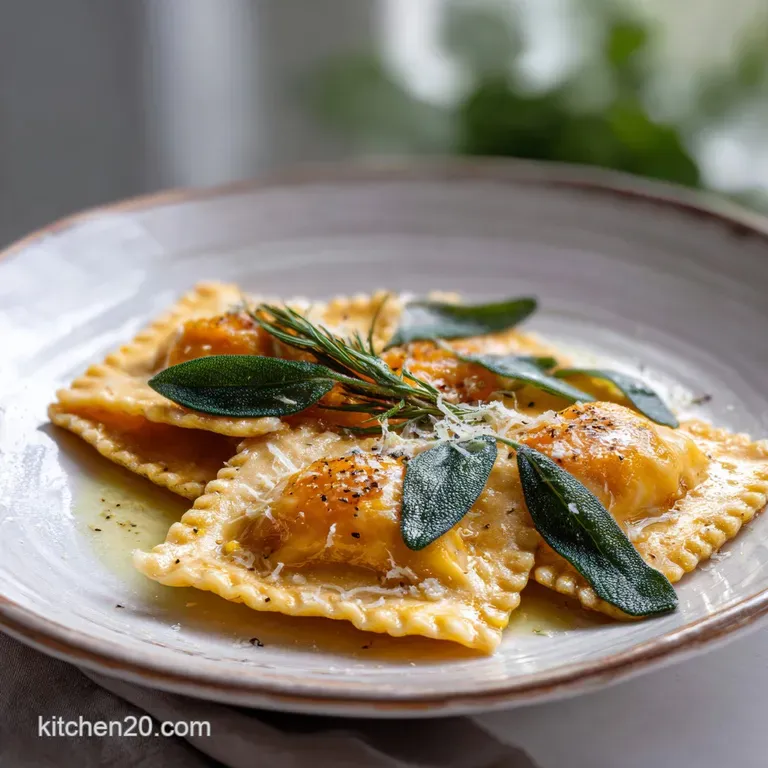
- Roast the squash. Place the halved 900g squash cut side down on a tray at 200°C for 40 minutes until the skin is blistered and flesh is velvety.
- Make the dough. Mound 250g flour, create a well, and add 150g eggs, 15ml oil, and 3g salt. Note: Incorporate flour slowly to avoid "egg leaks" on the counter.
- Knead the dough. Work the dough for 10 minutes until it feels smooth and elastic like an earlobe.
- Rest the pasta. Wrap the dough and let it sit for 30 minutes at room temperature. Note: This allows the gluten to relax so it doesn't snap back when rolled.
- Prepare the filling. Mix the roasted squash flesh with 125g ricotta, 50g Parmesan, 1g nutmeg, 3g salt, and 1g pepper.
- Roll the sheets. Pass the dough through the machine until you can see the shadow of your hand through it.
- Assemble the ravioli. Place teaspoon sized mounds of filling 5cm apart, fold the dough over, and press out all air. Note: Air bubbles are the primary cause of ravioli "explosions" in the water.
- Cut and seal. Use a fluted cutter or knife to separate the rounds, ensuring the edges are firmly crimped.
- Boil the pasta. Drop into salted boiling water for 4 minutes until they float and the edges look translucent.
- Brown the butter. Melt 115g butter with 15 sage leaves until the foam subsides and it smells like toasted hazelnuts.
- Finish and plate. Toss the ravioli in the brown butter, add a splash of lemon juice, and top with 30g pepitas.
Resolving Pasta Structural Failures
Why Your Ravioli Burst
If your pasta is exploding in the pot, it’s usually due to trapped air. When the air heats up, it expands, putting pressure on the seams until they "shatter." Always press from the center of the filling outward to the edge to evacuate the air before sealing.
Fixing Watery Squash Filling
Sometimes a squash is just more "hydrated" than others. If your purée looks like soup, don't use it yet! Spread it on a baking sheet and pop it back in a 150°C oven for 10 minutes to dry it out.
This keeps the easy butternut squash ravioli from becoming a soggy mess.
| Problem | Root Cause | Solution |
|---|---|---|
| Dough is crumbling | Low hydration/Cold eggs | Add 1 tsp of water at a time and keep kneading |
| Sauce is greasy | Butter didn't emulsify | Add 2 tbsp of pasta water to the brown butter |
| Filling is bland | Lack of acidity | Add an extra squeeze of the 1/2 lemon at the end |
Common Mistakes Checklist: ✓ Strain the ricotta for at least 2 hours to remove excess whey. ✓ Don't skip the 30 minute dough rest; it’s vital for rolling. ✓ Use a damp cloth to cover pasta sheets so they don't dry out.
✓ Ensure the water is a gentle simmer, not a rolling boil, to protect the seams. ✓ Pat the squash dry after roasting if any steam collected on the surface.
Scaling the Pasta Production
When scaling down (for 1 or 2 people), use 1 large egg and half the flour, but keep the seasoning for the filling slightly higher to maintain the flavor impact. For the squash, it’s actually easier to roast the whole 900g and just use the leftovers for a Smooth Butternut Squash Soup.
When scaling up for a party (8-12 people), do not double the salt in the dough immediately. Start with 1.5x and taste. You’ll want to work in batches for the boiling stage; crowding the pot drops the temperature too fast, resulting in gummy pasta.
| Servings | Squash Needed | Flour Amount | Cook Time |
|---|---|---|---|
| 2 People | 450g | 125g | 4 mins |
| 4 People | 900g | 250g | 4 mins |
| 8 People | 1.8kg | 500g | 6 mins (in batches) |
Debunking Pasta Preparation Myths
One common myth is that you must add olive oil to the boiling water to stop the ravioli from sticking. This is actually counterproductive as it prevents the brown butter sauce from "connecting" with the pasta. The starch on the surface of the pasta is what helps the sauce cling; oil just rinses it away.
Another misconception is that the "float test" is the only way to tell if it's done. While floating is a good sign, you should always check the thickness of the crimped edge. If the edge is still white and opaque, it needs another 30 seconds, even if it's bobbing on the surface.
Storage and Sustainable Practices
Storage: You can keep the uncooked ravioli in the fridge for up to 24 hours, but make sure they are on a tray dusted with plenty of semolina or flour. For longer storage, freeze them in a single layer on a tray first, then move to a bag. They’ll stay fresh for 2 months.
Cook them directly from frozen just add 2 minutes to the boil time.
Zero Waste: Don't toss those squash seeds! Rinse the pulp off, dry them, and roast them with a bit of salt for a snack. The squash skin can also be roasted until crispy and used as a rustic garnish. If you have leftover filling, it makes an incredible base for a Creamy Tuscan Butter Beans recipe.
Designing the Final Plate
To achieve a high level presentation, we focus on a specific color balance. The goal is to avoid a "monochrome orange" plate.
- Deep Mahogany: This comes from the browned butter. When plating, spoon the dark solids (the "milk solids") directly onto the pasta.
- Vibrant Forest Green: The sage leaves should be fried until they are translucent and crispy. Place three leaves on top of each serving at the very last second.
- Copper Orange: The toasted pepitas provide a different shade of orange than the filling, adding a "connected" visual layer.
Chef's Tip: If you want to take this to a professional level, use a microplane to zest a tiny bit of fresh lemon over the plate right before it hits the table. The aroma hits the guest before the first bite, revolutionizing the sensory experience.
Decision Shortcut: If you want a richer flavor, add 1/4 tsp of espresso powder to the squash filling to deepen the earthy notes. If you want a crispier texture, pan fry the boiled ravioli in the brown butter for 1 minute on each side.
If you want a quicker meal, use high-quality wonton wrappers instead of making the dough from scratch.
This Butternut Squash Ravioli is more than just a recipe; it’s a system of balancing moisture and texture. Once you master the "roast and strain" method, you'll never go back to store-bought again. Let's get cooking!

Recipe FAQs
What sauce is good for butternut squash ravioli?
Brown butter and sage is classic. The nutty, caramelized notes of brown butter beautifully complement the sweetness of the squash, while fresh sage adds an aromatic depth. For a richer option, consider a simple Alfredo or a creamy tomato sauce. If you enjoyed mastering the texture control in this recipe, see how a similar flavor balancing technique works in our Creamy Pesto Sauce My 15Minute Italian Dream.
What pairs well with butternut squash ravioli?
Simple sides that don't overpower the ravioli are best. Think a light arugula salad with a lemon vinaigrette, roasted Brussels sprouts, or crusty garlic bread. For a more substantial meal, consider pairing it with a lean protein like grilled chicken or shrimp.
If you loved the roasting technique here, you'll find it useful for Crispy How to Bake Brussel Sprouts My Balsamic Roasted Secret.
Is butternut squash ravioli healthy?
It can be, depending on preparation. Made with whole ingredients like squash, pasta, and cheese, it offers vitamins and fiber. Opting for whole wheat pasta, moderating cheese and butter in the sauce, and serving with plenty of vegetables can enhance its health profile.
Roasting the squash for the filling, as detailed, helps maintain nutrients better than boiling.
Does alfredo sauce go with butternut squash ravioli?
Yes, it's a delicious combination. The rich, creamy texture of Alfredo sauce coats the ravioli beautifully and its mild flavor allows the sweetness of the butternut squash to shine through. It's a decadent pairing that works well for a comforting meal. If you enjoyed the focus on texture and moisture here, see how that skill applies to creating perfectly cooked pasta in our How to Cook Creamy Mushroom Linguine in 20 Minutes: A Cozy Favorite!.
What is the best way to cook the squash for ravioli filling?
Roasting is best for flavor and texture. Roasting at a high temperature concentrates the squash's natural sugars, giving a deep, nutty flavor and a dense purée that won't make the filling watery. This method also helps to achieve the ideal moisture content for the ravioli filling.
How long should butternut squash ravioli be cooked?
Typically 3-5 minutes in boiling salted water. They are done when they float to the surface and the pasta edges look translucent. It's important not to overcook them, as they can become mushy and may burst. Cooking them directly from frozen will add about 2 extra minutes to the cooking time.
Can I make butternut squash ravioli ahead of time?
Yes, uncooked ravioli can be made ahead. Refrigerate them on a floured tray, separated to prevent sticking, for up to 24 hours. For longer storage, freeze them in a single layer on a baking sheet until solid, then transfer to a freezer safe bag.
Cook directly from frozen, adding a couple of minutes to the boiling time.
Butternut Squash Ravioli
Ingredients:
Instructions:
Nutrition Facts:
| Calories | 768 kcal |
|---|---|
| Protein | 23.1 g |
| Fat | 41.2 g |
| Carbs | 79.3 g |
| Fiber | 5.4 g |
| Sugar | 9.8 g |
| Sodium | 645 mg |
