Canned Salmon Pasta with Lemon Glaze
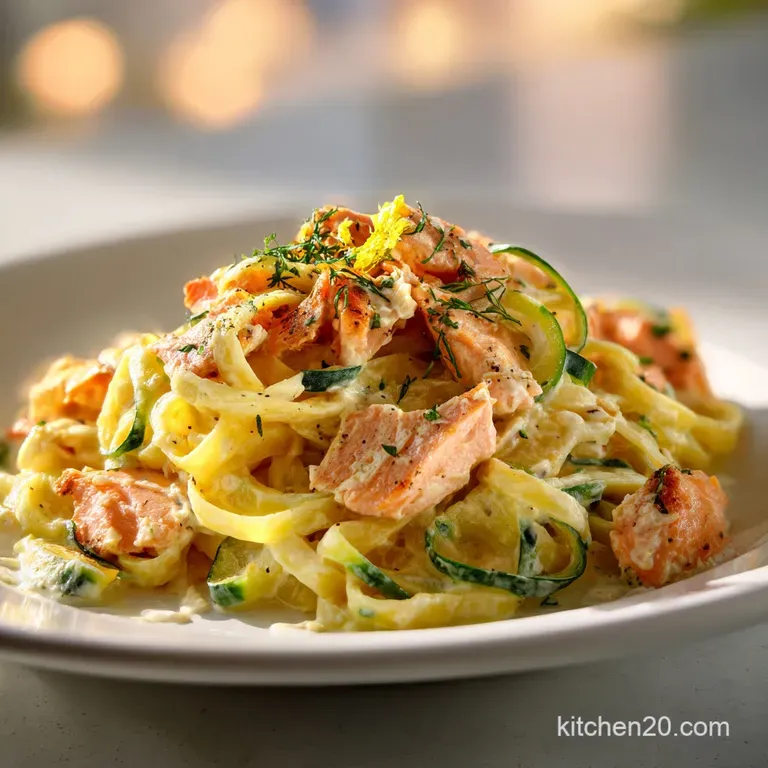
- Time: Active 10 mins, Passive 15 mins, Total 25 mins
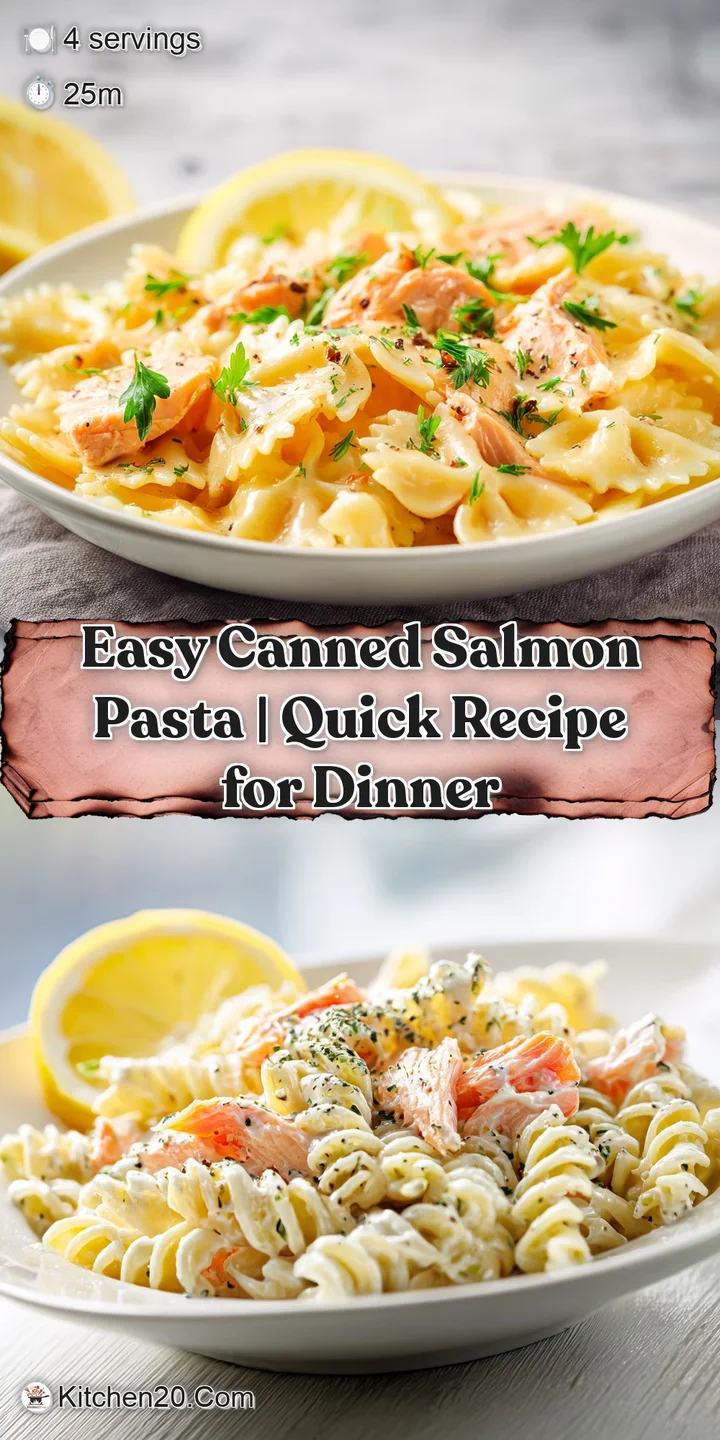
- Flavor/Texture Hook: Silky whole wheat strands coated in a briny, lemon kissed glaze with flaky protein.
- Perfect for: High energy weeknights, post workout recovery, or when your fridge looks empty.
- Mastering This Effortless and Connected Canned Salmon Pasta Recipe
- Performance Metrics and Technical Specifications for Success
- Deconstructing the Elemental Science of Your Ingredients
- Selecting the Essential Tools for Your Kitchen Platform
- A Step-by-Step Workflow for a Flawless Outcome
- Refining Your Process and Resolving Technical Hurdles
- Iterating the Recipe to Match Your Personal Style
- Systems for Sustainable Storage and Zero Waste Cooking
- Curating a Balanced Menu for Meaningful Connections
- High in Sodium
- Recipe FAQs
- 📝 Recipe Card
Mastering This Effortless and Connected Canned Salmon Pasta Recipe
We've all stood there, staring into the dark abyss of a pantry at 6:00 PM, wondering how to turn a metal tin of fish into something that actually tastes like a real meal. I remember the first time I cracked open a can of salmon with zero plan - I was skeptical, thinking it would be dry or "too fishy." But the moment those garlic slices hit the hot oil and started that rhythmic sizzle, I realized I wasn't just making dinner, I was building a platform for serious flavor innovation.
The secret isn't just in the fish, it's in the connection between the starchy pasta water and the fat from the olive oil. When you get that emulsification right, the sauce becomes velvety, hugging the linguine in a way that feels intentional, not accidental.
It’s about taking basic components and syncing them up to create a dish that is surprisingly refined and deeply satisfying.
You aren't just following a set of instructions today; you're joining a community of home cooks who know that "convenience" doesn't have to mean "compromise." We’re going to use lemon and capers to cut through the richness of the salmon, creating a balanced profile that will have you rethinking what "pantry food" can be.
Let's crack on and get this workflow started.
The Secret of the Starchy Emulsion
The Physics of the Bind: Starch molecules released from the linguine act as a natural bridge between the water and the olive oil, creating a stable emulsion. This ensures your sauce is a cohesive, silky glaze rather than a puddle of grease at the bottom of the bowl.
Performance Metrics and Technical Specifications for Success
Before we start the cooking process, it is vital to understand the parameters of the dish. Achieving the right texture is a matter of precision, particularly when it comes to the timing of the pasta and the temperature of the oil. This isn't just a meal, it's a technical execution of pantry management.
| Method | Time | Texture | Best For |
|---|---|---|---|
| Stovetop | 15 minutes | Silky and light | Maximum speed and connection |
| Oven (Bake) | 25 minutes | Concentrated and toasted | Deep flavor and meal prep |
Choosing the stovetop method allows for real time adjustments to the sauce's consistency. If the pasta feels a bit dry, you can add a splash more water; if it’s too loose, a minute more of tossing will tighten everything up.
This interactive feedback loop is what makes stovetop cooking so rewarding for the modern home cook.
Deconstructing the Elemental Science of Your Ingredients
Every component in this Canned Salmon Pasta serves a functional purpose in the overall architecture of the flavor profile. We aren't just adding ingredients; we are layering textures and chemical reactions to achieve a sophisticated result.
| Ingredient | Science Role | Pro Secret |
|---|---|---|
| Whole Wheat Linguine | Structural Base | The nuttier grain stands up to the bold salmon flavor |
| Wild Caught Salmon | Protein Core | Drain thoroughly to avoid introducing excess "tinny" liquid |
| Fresh Baby Spinach | Nutrient Dense Filler | Add at the very end to prevent total cell wall collapse |
| Nonpareil Capers | Acidic Pop | Fry them in the oil until they "bloom" like tiny flowers |
The Magic of Pasta Water
Pasta water is liquid gold because it contains residual starch from the linguine. This starch is the invisible glue that prevents the oil from separating, resulting in a sauce that is velvety rather than oily.
Balancing Fat with Acid
The lemon juice and zest provide the necessary acidity to denature the heavier fats in the salmon and olive oil. This chemical balance is what makes the dish feel light and refreshing instead of heavy.
Maximizing Salmon Texture
Canned salmon is already cooked, so we only want to warm it through. Adding it last ensures the flakes stay intact and don't turn into a "mush" throughout the pasta strands.
Selecting the Essential Tools for Your Kitchen Platform
To execute this Canned Salmon Pasta with professional precision, you don't need a high end lab, but you do need the right gear. A large skillet or wide sauté pan is non negotiable here; you need surface area to toss the pasta and spinach together without everything spilling over the sides.
I personally use a 12 inch stainless steel pan because it allows for excellent heat distribution. You'll also want a microplane or fine grater for that lemon zest - that’s where the aromatic oils live. And for the love of all things holy, keep a glass measuring cup right by the stove.
It’s the only way to remind yourself to save that pasta water before you drain the whole pot into the sink.
Chef's Note: If you're using a non stick pan, be careful with the heat. You want the garlic to turn golden and translucent, not brown and bitter. A medium low heat is your safest bet for developing that "sweet" garlic flavor that defines the base of this sauce.
A step-by-step Workflow for a Flawless Outcome
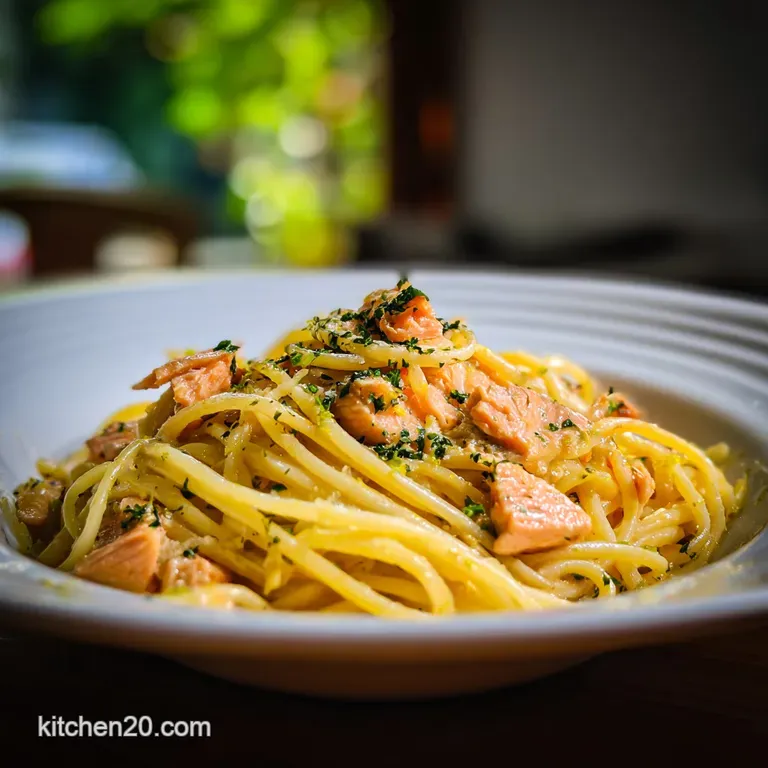
Let's get organized and ready to build. Success in the kitchen is all about the "mise en place" - having everything ready to drop into the pan when the time is right.
- Boil the water. Fill a large pot with water and add the 1 tbsp sea salt. Bring to a rolling boil.
- Cook the linguine. Add the 12 oz whole wheat linguine and cook for 1 minute less than the package directions. Note: It will finish cooking in the sauce later.
- Prep the aromatics. While the pasta boils, thinly slice your 4 cloves of garlic and finely mince the 1 large shallot.
- Infuse the oil. Heat 3 tbsp extra virgin olive oil in a large skillet over medium heat. Add the garlic, shallot, and 1/4 tsp red pepper flakes.
- Bloom the capers. Toss in the 2 tbsp nonpareil capers. Cook for 3 minutes until the garlic is golden and the capers slightly shatter.
- Save the water. Before draining the pasta, carefully scoop out 1/2 cup of the starchy pasta water.
- Wilt the greens. Add the 5 oz fresh baby spinach to the skillet. Toss for 30 seconds until the leaves just begin to collapse.
- Build the emulsion. Add the cooked linguine and the reserved pasta water to the skillet. Increase heat to medium high.
- Incorporate the salmon. Fold in the 2 cans of drained salmon and the lemon juice. Toss gently for 2 minutes until the sauce is glossy and the salmon is heated through.
- Add the finish. Turn off the heat. Sprinkle with the lemon zest and 1/4 cup chopped Italian parsley.
Flavor Harmony Checklist
- Green: Add the fresh parsley at the very last second for maximum brightness.
- Yellow: Ensure the lemon zest is finely grated so it distributes evenly through the strands.
- Red: The chili flakes provide a subtle heat that cuts through the richness of the salmon.
Refining Your Process and Resolving Technical Hurdles
Even with a straightforward recipe, variables like stove heat or pasta brands can change the outcome. Don't panic if things don't look exactly like the photos on the first try. If you've enjoyed this technique, you might also want to explore our How to Cook Salmon recipe for a different perspective on seafood prep.
Why Your Sauce Separates
If the oil is sitting at the bottom of the pan while the pasta looks dry, you haven't achieved a full emulsion. This usually happens if the heat is too low or you didn't toss the pasta vigorously enough with the starchy water.
Why Your Canned Salmon Tastes Salty
Canned salmon can vary wildly in sodium content. If your dish tastes too salty, balance it out with an extra squeeze of lemon juice or a pinch of sugar. The acidity or sweetness will neutralize the salt on your palate.
| Problem | Root Cause | Solution |
|---|---|---|
| Mushy pasta | Overcooked in the water | Boil for 2 mins less next time; finish in pan |
| Dry salmon | Added too early | Fold in at the very end to just warm through |
| Bitter flavor | Garlic burned | Sauté garlic on medium low; keep it golden |
Common Mistakes Checklist:
- ✓ Not salting the pasta water (the pasta needs flavor from the inside out).
- ✓ Draining all the pasta water before saving some (this is a fatal error).
- ✓ Stirring the salmon too much (it breaks into a paste rather than nice flakes).
- ✓ Using bottled lemon juice (the fresh zest is mandatory for that aromatic lift).
- ✓ Overcrowding the skillet with too much spinach at once.
Iterating the Recipe to Match Your Personal Style
One of the best things about this platform of cooking is that it’s incredibly adaptable. You can scale it up for a dinner party or down for a solo night in.
- Scaling DOWN (1-2 servings): Use half the pasta and one can of salmon. You can use the remaining salmon to try a Crispy Salmon Croquettes recipe the next day.
- Scaling UP (6-8 servings): Use a massive pot for the final toss. Increase the garlic and shallots linearly, but only go to 1.5x on the salt and red pepper flakes to avoid overpowering the dish.
- Alternative Methods: If you prefer a Mediterranean vibe, swap the spinach for sundried tomatoes and olives. It adds a totally different, sun soaked dimension to the meal.
Customization Decision Shortcut
- If you want more crunch, add 1/4 cup of toasted breadcrumbs right before serving.
- If you want extra creaminess, stir in 2 tbsp of Greek yogurt or creme fraiche at the very end.
- If you want a lower carb profile, swap half the linguine for our Speedy Garlic Parmesan recipe with zucchini noodles.
Systems for Sustainable Storage and Zero Waste Cooking
Canned salmon is a revolution in sustainable eating. It has a long shelf life and often utilizes wild caught fish that are lower on the food chain. To keep your kitchen running as a zero waste platform, don't just toss the remnants of this meal.
Storage Guidelines: This pasta keeps surprisingly well in the fridge for up to 3 days. Store it in an airtight glass container to prevent the lemon and salmon scents from migrating.
When reheating, add a tiny splash of water or a drizzle of oil to loosen the sauce back up, as the pasta will have absorbed most of the moisture.
- The Salmon Liquid
- Don't just pour the liquid from the can down the drain. If it's a high-quality water packed salmon, you can use a tablespoon of it in the sauce for an extra umami boost, or even mix it into your pet's food for a healthy treat.
- Lemon Rinds
- Once you've zested and juiced your lemon, toss the rinds into a jar of white vinegar. After two weeks, you'll have a citrus scented natural cleaner for your countertops.
- Parsley Stems
- Don't throw them out! Finely mince the tender top stems along with the leaves; they pack even more flavor and a nice crunch.
Curating a Balanced Menu for Meaningful Connections
This Canned Salmon Pasta is a complete meal on its own, but pairing it correctly can turn a quick dinner into a true experience. Because the pasta is bright and slightly heavy on the linguine, you want a side that offers a different texture and flavor profile.
A crisp green salad with a simple vinaigrette is the classic choice, but I also love serving this alongside roasted asparagus or steamed broccoli with a little bit of sea salt. The earthiness of the vegetables provides a perfect counterpoint to the briny, citrusy pasta.
If you’re feeling ambitious, a piece of crusty sourdough is perfect for swiping up any leftover lemon garlic oil from the bottom of your plate.
Dispelling Common Culinary Myths
- Myth 1: You must rinse pasta after boiling. Truth: Never rinse! You’ll wash away the starch needed to make the sauce stick to the noodles.
- Myth 2: Canned salmon isn't as healthy as fresh. Truth: Canned salmon is often wild caught and retains all its Omega-3 fatty acids and Vitamin D, making it a nutritional powerhouse.
- Myth 3: Cheese and seafood never mix. Truth: While we didn't use it here, a little pecorino romano can actually work beautifully with salmon if balanced with enough acidity from the lemon.
High in Sodium
845 mg mg of sodium per serving (37% % of daily value)
The American Heart Association recommends limiting sodium intake to no more than 2,300mg per day for overall cardiovascular health.
Sodium Reduction Tips for Your Salmon Linguine:
-
Reduce Added Salt-25%
Eliminate the 1 tbsp of added sea salt entirely and adjust to taste with salt free seasoning or a tiny pinch of salt only if needed. This significantly lowers the overall sodium content.
-
Choose Low-Sodium Salmon-20%
Opt for canned salmon labeled 'no salt added' or 'low sodium'. This can reduce sodium by up to 20% compared to regular canned salmon.
-
Rinse the Capers-15%
Rinse the capers thoroughly under cold water before adding them to the dish to remove excess sodium. Rinsing can lower their sodium content by up to 15%.
-
Embrace Lemon Power-10%
Enhance the flavor with extra lemon zest and juice instead of relying on salt. Lemon provides brightness and acidity that complements the other ingredients.
-
Adjust Red Pepper Flakes-5%
Reduce the amount of red pepper flakes or omit it entirely. While it doesn't contain sodium, it can sometimes trick you into thinking you need more salt.
-
Herb & Spice Boost
Fresh herbs and spices add flavor without sodium! Experiment with different combinations like dill, chives, or oregano to enhance the taste.
Recipe FAQs
Can you use canned salmon in pasta?
Yes, absolutely; it is a fantastic pantry staple base. Canned salmon is fully cooked and adds immediate protein and rich flavor with minimal effort. Drain it well to prevent introducing excess liquid flavor into your sauce.
What can I do with canned salmon besides making a salad?
Use it as the protein anchor in hot, oil-based pasta sauces. The richness pairs wonderfully with bright acids like lemon and capers, turning a simple pantry item into a sophisticated meal. For a richer, oven based application, see our Sour Cream Baked recipe for inspiration.
What sauce goes best with canned salmon pasta?
A simple emulsified oil and garlic sauce is ideal. You want a light coating that allows the salmon's flavor to shine, achieved by combining quality olive oil, sautéed aromatics, pasta water starch, and fresh lemon juice.
Are you supposed to rinse canned salmon before using it in pasta?
No, you should drain it thoroughly, but do not rinse it with water. Rinsing washes away the natural oils and gelatin that help bind the salmon flakes to the pasta and sauce.
How do I prevent my canned salmon pasta sauce from being watery or oily?
Achieve a stable emulsion using reserved, starchy pasta water. The starch molecules released from the noodles act as a binding agent between the fat (olive oil) and the liquid, creating a velvety sauce that coats everything evenly.
How do I avoid making the salmon dry or mushy in the pasta?
Add the canned salmon in the final minute of cooking. Since the salmon is already cooked, your goal is only to warm it through and incorporate it; overcooking will cause the flakes to break down completely.
How should I season canned salmon pasta to balance the richness?
Use high acid and fresh herbs to cut through the fish oils. Finish the dish with fresh lemon zest, juice, and capers; this acidic balance prevents the dish from tasting too heavy or flat.
Canned Salmon Pasta Quick Dish
Ingredients:
Instructions:
Nutrition Facts:
| Calories | 528 kcal |
|---|---|
| Protein | 31.2 g |
| Fat | 17.4 g |
| Carbs | 64.8 g |
| Fiber | 9.2 g |
| Sugar | 2.8 g |
| Sodium | 845 mg |
