Caramelised Comfort Perfectly Sautéed Sweet Peppers and Onions
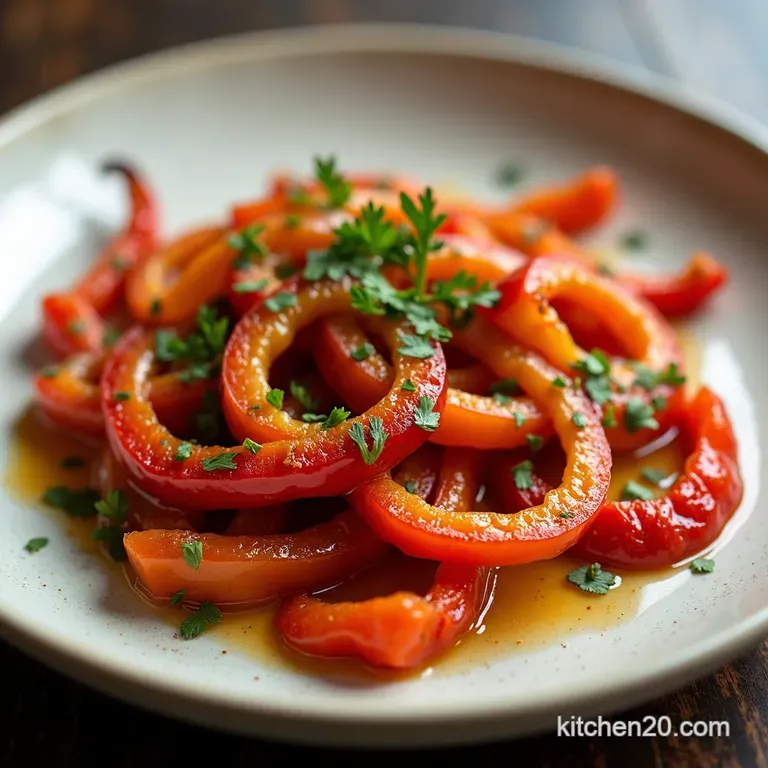
- The Secret to Culinary Cornerstone Vegetables
- Elevating the Humble Sauté: Why This Recipe Shines
- Gathering Your Sauté Components
- The Definitive Method for Cooking Sauted Peppers and Onions
- Achieving Golden-Brown Perfection
- Maximising Flavour and Storage Potential
- Creative Ways to Serve Your Sauté
- Frequently Asked Questions
- 📝 Recipe Card
The Secret to Culinary Cornerstone Vegetables
There are certain preparations in the kitchen that, once mastered, unlock a world of flavour possibilities for countless other dishes. Sauted Peppers and Onions sit firmly at the top of this essential list.
Often relegated to a simple afterthought, these two humble vegetables, when treated with the respect they deserve, transform into something profoundly flavourful sweet, savory, and tenderly yielding.
Forget those hastily cooked vegetables that still retain a harsh, raw bite; we are aiming for deep, complex sweetness achieved through patient cooking. Mastering this technique is a game changer, providing a versatile base for everything from hearty pub fare to vibrant Tex-Mex meals.
Elevating the Humble Sauté: Why This Recipe Shines
The primary goal when creating Sautéed Peppers and Onions is to coax out their natural sugars. We are not merely cooking them until soft; we are deliberately employing heat management to achieve a delightful transformation.
This approach ensures the final product is far more impactful than simply tossing them into a hot pan for five minutes. The resulting texture and depth of flavour make this the definitive Sauteed Peppers and Onions Recipe you'll return to again and again.
Unlocking Deep, Natural Sweetness
The secret lies in the slow release of moisture and the subsequent concentration of flavour. Both bell peppers and onions contain high amounts of natural sugars. By applying medium low heat over an extended period about 40 to 50 minutes total time we evaporate the water content slowly.
This process concentrates the sugars, leading to a robust sweetness that salt alone cannot achieve. The careful selection of two large sweet or yellow onions alongside three large, mixed colour bell peppers sets the stage for this natural flavour profile.
From Side Dish to Star: Versatility Defined
When prepared correctly, this mixture transcends its role as a mere accompaniment. While it makes for a magnificent Sauteed Bell Peppers Side Dish for roasted meats or grilled fish, its utility extends much further.
Indeed, this preparation is a mandatory component for achieving authentic results when making Sauteed Peppers and Onions for Fajitas . Beyond that, consider them piled onto sausages, mixed into grain bowls, or even added to a rustic pizza base; their adaptability is truly remarkable.
Understanding the Caramelization Magic
Caramelisation is the browning process where sugars react with heat, creating hundreds of new flavour compounds this is where the magic happens. In the context of a Bell Pepper Onion Recipe , this means achieving that appealing golden brown hue on the edges of the slices.
It’s a slow development that requires attention; aggressively high heat will only lead to scorching before the interior softens sufficiently. This technique is what separates a bland sauté from a deeply satisfying, almost umami rich experience.
Gathering Your Sauté Components
A successful sauté relies on quality ingredients handled correctly. Since this recipe is so straightforward, every component plays a crucial role in the final taste profile. We need the right balance of produce, fat, and seasoning to encourage that desirable low-and-slow cooking process.
The Core Produce Selection: Peppers and Onions Ratio
For this recipe, we rely on 2 large yellow or sweet onions and 3 large bell peppers (using a mix of colours like red, yellow, and orange). The slightly higher volume of peppers helps balance the sharper character of the onion as they soften.
The key preparation detail here is uniformity: aim to slice both the onions and the peppers thinly, around 1/8 inch or 3mm thick. Consistency in slice size ensures every piece finishes cooking at the same moment, which is crucial for an Easy Sauteed Peppers and Onions experience.
Choosing the Right Fat for Flavour Infusion
We initiate the cook using 3 tablespoons of good quality olive oil. Olive oil has a relatively high smoke point and imparts a pleasant, fruity base note. However, to achieve truly luxurious Caramelized Peppers and Onions , we introduce 1 tablespoon of unsalted butter near the end of the cooking process.
Butter not only adds richness but helps deepen the browning slightly during the final stage.
Essential Seasonings Beyond Salt and Pepper
The foundation of our flavour comes from simple, effective seasoning. You must start with Kosher salt approximately 1/2 teaspoon initially which you sprinkle over the vegetables right when they hit the pan.
Salt is vital as it draws out the moisture trapped inside the vegetable cells, allowing them to soften and begin to release their sugars faster. Black pepper is added to taste throughout, but for a little extra complexity in our Sauteed Peppers and Onions Seasoning , consider a tiny optional splash of balsamic vinegar right at the very end to brighten the deep, cooked flavours.
Related Recipes Worth Trying
- Air Fryer Hand Pies Flaky Pastry Pockets Ready in Minutes — Learn how to make the best Air Fryer Hand Pies using simple dough Get that perfect golden crunch for these savoury pocket pies without the deep fry fuss
- Easy Crockpot Black Bean Burritos and Rice The HandsOff Smoky Weeknight Dinner — Forget fuss This Crockpot Black Bean Burritos and Rice recipe uses the slow cooker for a smoky vegetarian filling Perfect for batch cooking and easy...
- My Best Budget Bean and Rice Burrito Cheesy Smoky Meal Prep Secret — Right then craving the ultimate Bean and Rice Burrito This quick vegetarian dinner uses smoky homemade black bean filling and zesty rice Easy meal prep...
The Definitive Method for Cooking Sauted Peppers and Onions
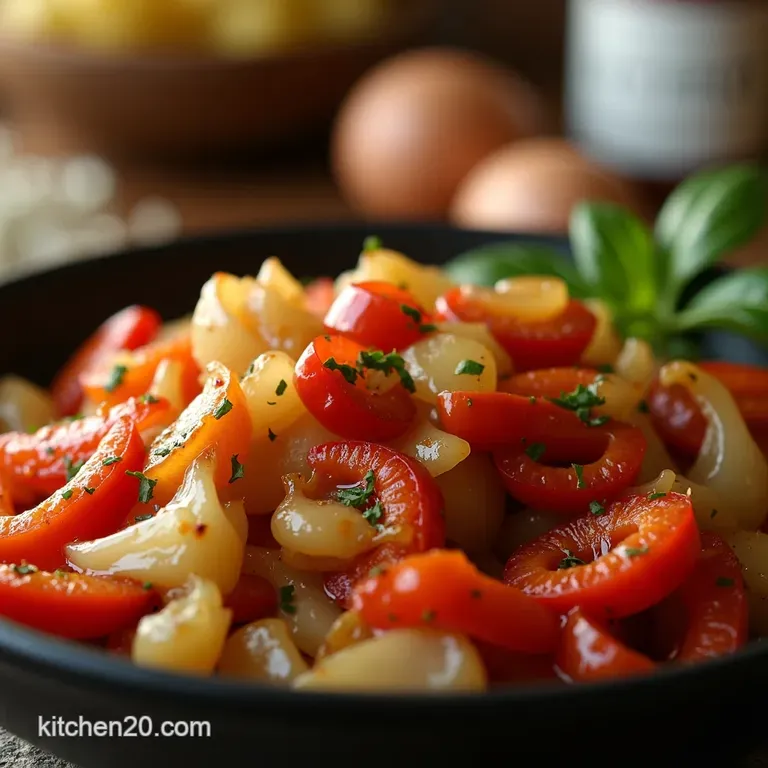
The beauty of this process is that it is highly technique driven rather than ingredient driven. It demands patience, which is the most overlooked tool in a home cook's arsenal. We start gently to sweat the vegetables down before moving into the browning phase.
Achieving Golden Brown Perfection
The total cook time for this dish is approximately 25 to 35 minutes, broken down into distinct phases designed to maximize flavour extraction.
Preparation: Slicing Techniques That Matter
Before any heat is applied, dedicate time to slicing. Remove the cores and seeds from the bell peppers and slice them lengthwise into thin strips. Peel the onions and slice them pole-to-pole (from root to tip) into thin, even pieces.
Having every vegetable strip similar in thickness ensures they all wilt and brown simultaneously, preventing some pieces from burning while others remain undercooked.
Phase One: Building the Initial Sizzle
Place a large, heavy bottomed skillet or Dutch oven over medium low heat. Add the 3 tablespoons of olive oil and allow it to warm until it shimmers faintly never let it smoke aggressively. Introduce all the sliced vegetables to the pan and immediately sprinkle with the initial measure of salt.
Toss everything thoroughly to coat every piece in the oil. For the first 15 minutes, keep the heat at low and cook uncovered, stirring only every five to seven minutes. This step is purely to sweat out the moisture and soften the structure of the vegetables.
The Low and Slow Finish for Ultimate Softness
Once the vegetables have visibly reduced in volume they will look significantly wilted increase the heat slightly to medium low. Now, the real flavour development begins. Continue cooking, but stir more frequently, perhaps every two to three minutes.
You should see the edges of the onions and peppers beginning to take on a translucent, golden hue. This requires consistent scraping of the bottom of the pan to ensure nothing sticks and burns instead of caramelises.
This stage can take an additional 10 to 15 minutes to achieve truly deep colour.
Testing for Doneness in Your Sauted Peppers and Onions
The vegetables are ready when they are fork tender, collapsed, and beautifully browned, but they should not be mushy. When tasting your Sauted Peppers and Onions , they should offer a gentle resistance followed by a soft yielding, with a pronounced, natural sweetness lingering on the palate.
They should look almost jammy in consistency.
Maximising Flavour and Storage Potential
Once you’ve achieved that perfect tenderness and colour, the final steps lock in the flavour. Just before removing the pan from the heat, stir in the 1 tablespoon of unsalted butter until it melts and coats the vegetables luxuriously.
If using, add the teaspoon of balsamic vinegar now, stirring constantly for 60 seconds to allow the sharpness to evaporate slightly while the tang permeates the vegetables. Taste one final time and adjust the freshly ground black pepper.
Troubleshooting Common Sauté Mistakes
The most frequent issue when learning How To Saute Bell Peppers And Onions is crowding the pan. If you try to cook too many vegetables at once, the temperature drops immediately, and the steam created forces the vegetables to boil in their own liquid rather than fry and caramelise.
If you are doubling the recipe, use two separate skillets. Another common pitfall is impatience; if you turn the heat up too high too soon, the exterior will blacken rapidly before the interior has softened sufficiently, resulting in a bitter flavour profile rather than sweet caramelisation.
Extending Shelf Life: Storage and Reheating Tips
These Sautéed Peppers and Onions store beautifully. Allow the mixture to cool completely before transferring it to an airtight container. Stored correctly in the refrigerator, they will maintain excellent quality for up to four days.
Reheating is best done gently; avoid microwaving if possible, as it can bring back a mushy texture. Instead, warm them slowly in a small, non-stick pan over medium low heat, perhaps with a tiny splash of water or stock if they seem dry.
Suggested Pairings: From Steaks to Sandwiches
The Uses For Sauteed Peppers and Onions are nearly endless once you have a batch on hand. They are the perfect partner for grilling, elevating a simple steak or pork chop by spooning them over the top just before serving.
Naturally, they are essential for creating sublime hot sandwiches, especially when layered with melted cheese. On top of that,, try stirring a portion into creamy polenta or using them as a colourful, flavourful topping for baked sweet potatoes.
Creative Ways to Serve Your Sauté
The foundational method outlined provides a spectacular blank canvas. From there, you can easily pivot the flavour profile based on what you are serving.
For an Italian influence, consider mixing in Italian herbs oregano and dried basil along with a pinch of red pepper flakes while the vegetables are softening. If you're preparing them as a base for a steak sandwich, a small addition of Worcestershire sauce during the final seasoning stage adds a hidden depth of umami.
Alternatively, if you need a dairy-free approach, simply skip the butter finish, relying solely on the olive oil, which still provides a robust flavour foundation for any Sauteed Peppers and Onions application.
Frequently Asked Questions
My peppers and onions are going soggy instead of getting brown and sweet. What am I doing wrong?
Ah, that’s a classic kitchen conundrum! Usually, this means the pan is too hot or you've crowded it, causing the vegetables to steam rather than sauté. Remember, we want low and slow cooking to caramelise those sugars.
Try turning the heat down to medium low and ensure you aren't overloading the skillet; a crowded pan drops the temperature significantly.
How can I make the best Caramelised Comfort: Perfectly Sautéed Sweet Peppers and Onions for steak night?
For steak night, you absolutely must focus on developing that deep colour, which means patience is your best mate! After the vegetables are softened, increase the heat slightly and keep stirring every minute or two to encourage browning without burning.
Finishing with that tablespoon of butter and a tiny splash of balsamic vinegar right at the end adds a fantastic, rich tang that pairs perfectly with beef.
Can I prep these ahead of time, and how long do Sautéed Peppers and Onions keep in the fridge?
Absolutely, they keep like a charm, which is brilliant for meal prep! Once completely cooled, store them in an airtight container in the fridge for up to four days they often taste even better the next day, much like a good stew.
Reheat gently in a pan with a tiny bit of oil or water to bring back that lovely tenderness without scorching them.
I can’t eat butter; what’s the best substitution for the finishing touch?
No worries, ditching the dairy doesn't mean missing out on flavour! You can skip the butter entirely and simply finish with a drizzle of high-quality olive oil once off the heat. For an even richer mouthfeel, consider using a tablespoon of avocado oil or a vegan butter substitute at the end instead of the dairy butter in Step 6.
Do the colour of the peppers matter? Should I stick to just green ones?
The colour really does make a difference, both visually and flavour wise! Green peppers are slightly sharper and less sweet, whereas red, yellow, and orange peppers have much more natural sugar.
Using a mix gives you that beautiful rainbow effect and a more balanced, complex sweetness, turning them into a proper treat for the eyes!
Caramelised Peppers And Onions
Ingredients:
Instructions:
Nutrition Facts:
| Calories | 744 kcal |
|---|---|
| Protein | 5.9 g |
| Fat | 52.8 g |
| Carbs | 37.8 g |
| Fiber | 7.0 g |
| Sodium | 48 mg |
