The Perfect Sugar Cookie Recipe: Chewy & Structurally Sound
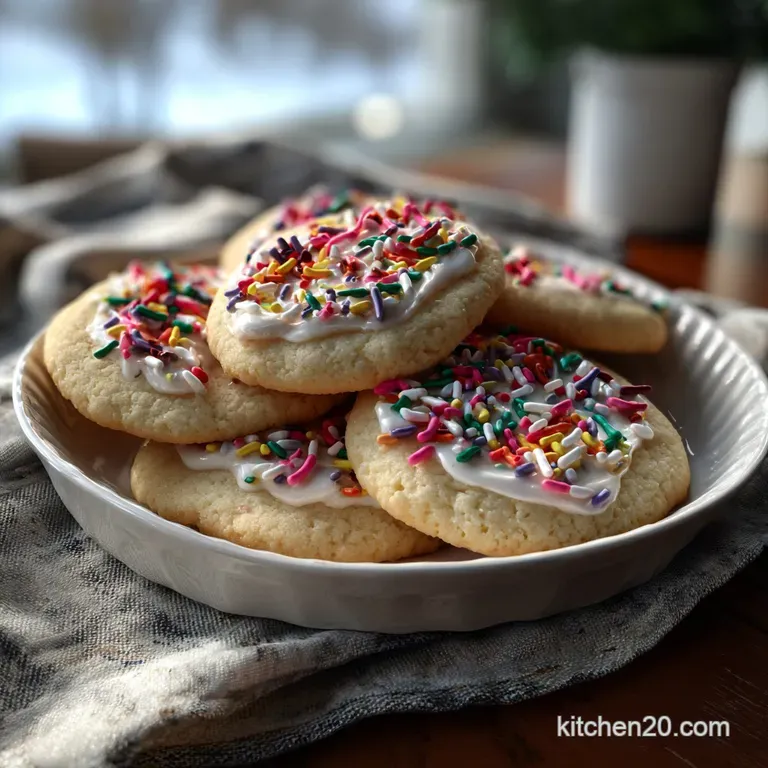
- Effort/Time: Moderate effort | 1 hour 30 mins total
- Flavor Hook: Rich Madagascar vanilla underscored by a subtle, professional almond-extract finish.
- Perfect for: Intricate holiday cut-outs, birthday celebrations, or high-end gift boxes.
- Achieving the Ultimate Balance of Crisp Edges and Tender Centers
- The Culinary Physics Behind the Best Chewy Sugar Cookie Recipe
- Essential Chronology and Yield Metrics for Successful Baking
- The Alchemy of Sweetness: Selecting high-quality Elements for Success
- Precision Tools Required for Professional Grade Cookie Architecture
- Mastering the Strategic Workflow for Consistent Cookie Perfection
- Fixing Texture Failures and Solving Common Baking Pitfalls
- ⚗️ The Scaling Lab: The Physics of Quantity
- Common Myths About the Sugar Cookie Recipe
- Storage & Reheating for Maximum Freshness
- Creative Flavor Architecture and Aesthetic Presentation
- Recipe FAQs
- 📝 Recipe Card
Achieving the Ultimate Balance of Crisp Edges and Tender Centers
There is nothing more demoralizing than spending two hours on a batch of dough, only to watch your meticulously cut stars and hearts melt into a singular, amorphous blob on the baking sheet.
I once wasted three pounds of high end European butter and an entire afternoon trying to "shortcut" the chilling process, resulting in cookies that were simultaneously greasy and rock hard.
That financial and emotional drain taught me that the sugar cookie recipe isn't just about mixing ingredients; it’s about managing thermal energy and protein networks.
I’ve ruined more batches than I care to admit by over creaming the butter until it was too warm, or thinking that "chilled" was just a suggestion. Those failures were the catalyst for finding a better way a way that respects the physics of the oven.
We aren't just baking; we are engineering a solid structure that can withstand heat while maintaining a velvety mouthfeel. This superior sugar cookie recipe ensures structural integrity.
The secret to this sugar cookie recipe lies in the mechanical aeration of the butter followed by a period of gluten relaxation. When you allow the flour to fully hydrate and the fats to re-solidify, you create a cookie that offers a satisfying snap at the edge and a soft, melt-in-the-mouth center.
This isn't magic; it's the result of strategic temperature control and a balanced ratio of solids to liquids, making this the definitive sugar cookie recipe.
The Culinary Physics Behind the Best Chewy Sugar Cookie Recipe
- Lipid Aeration: Creaming cool butter with granulated sugar creates microscopic air pockets that expand in the oven, providing lift without excessive spreading.
- Gluten Relaxation: Resting the dough allows the tightened protein strands to slacken, ensuring a tender bite rather than a bready or tough texture.
- Maillard Reaction Synergy: The specific ratio of sucrose to proteins in the flour ensures a pale golden edge that adds a toasted flavor profile without overwhelming the delicate vanilla.
- Hygroscopic Balance: Using corn syrup in the glaze retains moisture, preventing the icing from becoming brittle and ensuring a professional, glossy "shatter" when bitten.
Essential Chronology and Yield Metrics for Successful Baking
| Metric | Value |
|---|---|
| Total Yield | 24 cookies |
| Prep Time | 1 hour 20 mins |
| Bake Time | 10 minutes |
| Total Time | 1 hour 30 mins |
| Optimal Temp | 350°F (175°C) |
The Alchemy of Sweetness: Selecting high-quality Elements for Success
| Ingredient | Chemical/Physical Role (Science) | The Pro Secret (Why This Matters) |
|---|---|---|
| Unsalted Butter | Fat provides shortening effect by coating flour proteins | Using cool butter (not room temp) prevents premature melting and dough spread. |
| Fine Sea Salt | Electrolyte that enhances flavor perception and strengthens gluten | Sea salt dissolves faster than kosher, ensuring even distribution in low-moisture dough. |
| Baking Powder | Chemical leavener that releases CO2 when heated | Provides just enough vertical lift to keep the cookie light without distorting the shape. |
| Almond Extract | Volatile aromatic compound | The "secret" bakery scent that masks the metallic notes of chemical leaveners. |
For the Cookie Dough
- 225g (1 cup) Land O'Lakes Unsalted Butter: Why this? High fat-to-water ratio ensures a more stable emulsion during creaming.
- 200g (1 cup) C&H Granulated White Sugar: Why this? Sharp crystals are essential for mechanical aeration of the butter.
- 1 large Egg: Ensure this is at room temperature to prevent the butter from curdling.
- 10ml (2 tsp) Nielsen Massey Pure Vanilla Extract
- 2ml (1/2 tsp) Almond Extract
- 375g (3 cups) King Arthur All-Purpose Flour: Why this? Consistent 11.7% protein content provides the perfect structural framework.
- 4g (3/4 tsp) Fine Sea Salt
- 2g (1/2 tsp) Baking Powder
For the Easy Decorating Glaze
- 250g (2 cups) Domino Powdered Sugar: Sifted to ensure a velvety, clump free finish.
- 30ml (2 tbsp) Whole Milk or Water
- 15ml (1 tbsp) Light Corn Syrup: Why this? Acts as an interference agent to prevent sugar crystallization, keeping the glaze glossy.
Precision Tools Required for Professional Grade Cookie Architecture
- KitchenAid Stand Mixer: Using the paddle attachment is non-negotiable for controlled aeration without whipping in too much air.
- USA Pan Half Sheet Pans: The corrugated surface allows for superior airflow and even heat distribution.
- Silpat Silicone Baking Mat: Provides a non-stick surface that prevents the bottom of the sugar cookie recipe from browning too quickly.
- Stainless Steel Rolling Pin: A heavy, chilled pin prevents the dough from sticking and helps maintain a consistent 1/4 inch thickness.
- Digital Kitchen Scale: Essential for measuring the 375g of flour, as volume measurements can vary by up to 20%.
Mastering the Strategic Workflow for Consistent Cookie Perfection
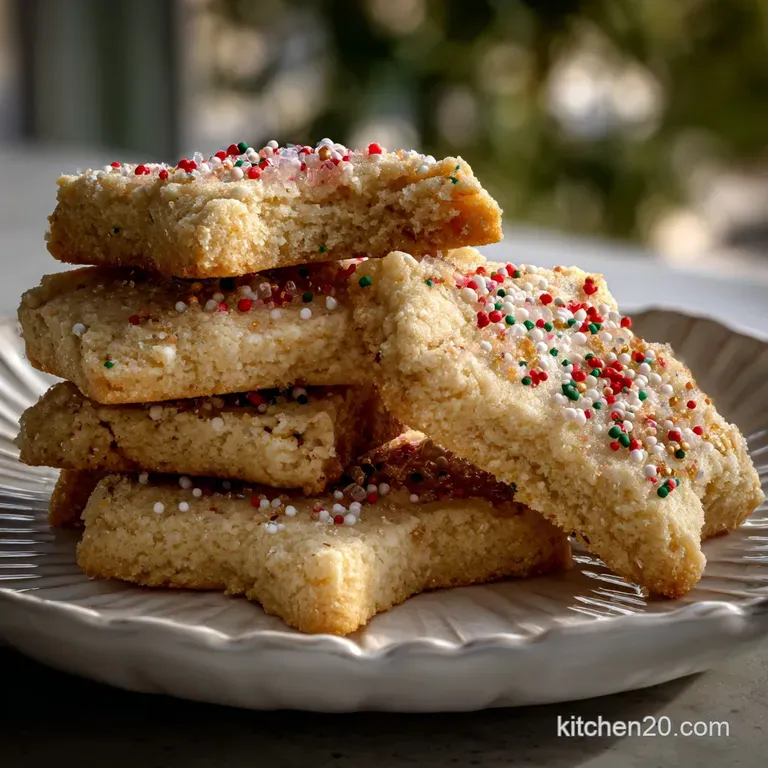
Phase 1: Creaming and Emulsifying
- Cream 225g butter and 200g sugar for 3 minutes until the mixture is pale ivory and no longer feels gritty between your fingers.
- Add 1 room temperature egg and beat for 1 minute until the emulsion is glossy and fully unified.
- Incorporate 10ml vanilla and 2ml almond extract for 30 seconds until the fragrance is potent and well distributed.
Phase 2: Incorporating Dry Ingredients
- Whisk 375g flour, 4g salt, and 2g baking powder in a separate bowl until no clumps remain.
- Add dry ingredients to the wet mixture on low speed until just combined and no white streaks of flour are visible. Note: Overmixing here will develop too much gluten, leading to a tough cookie; mastering this step is crucial for any great sugar cookie recipe.
Phase 3: The Chill and Roll
- Divide dough into two discs, wrap in plastic, and refrigerate for 1 hour until the dough feels firm to the touch.
- Roll dough on a floured surface to 1/4 inch thickness until the surface is smooth and even.
- Cut shapes with floured cutters and place on a Silpat lined sheet until the tray is full, leaving 1 inch of space between cookies.
Phase 4: Precision Baking
- Bake at 350°F for 10 minutes until the edges are just set and the tops look matte, not shiny. This is the ideal finish for this type of sugar cookie recipe.
- Cool on the pan for 5 minutes until the structure is firm enough to move to a wire rack.
- Whisk 250g powdered sugar, 30ml milk, and 15ml corn syrupuntil the glaze is thick enough to coat the back of a spoon.
Fixing Texture Failures and Solving Common Baking Pitfalls
Why Your Cookies Spread Too Much
If your cookies lose their definition in the oven, the issue is almost always thermal. When butter enters the oven at too high a temperature, it melts before the flour proteins have a chance to set the structure. This creates a "puddle" effect where the fat leaks out of the dough matrix.
Understanding this failure point is key to perfecting your sugar cookie recipe execution.
| Problem | Root Cause | The Fix | Pro Protocol |
|---|---|---|---|
| Blurry Edges | Butter was too warm before baking | Chill cut shapes for 15 mins before baking | Freeze the baking sheet for 10 mins before adding dough. |
| Sandy/Crumbly | Too much flour (over measured) | Use a digital scale for exactly 375g | Spoon and level flour if you don't have a scale. |
| Tough Texture | Overworked gluten during mixing | Mix only until flour disappears | Let dough rest longer to allow proteins to relax. |
Why Your Cookies Are Dry
A dry sugar cookie recipe is often the result of "over flouring" the work surface during the rolling phase. The dough absorbs that extra raw flour, throwing off the fat-to-dry-ratio. This technique is similar to how we manage moisture in a Classic French Toast recipe to avoid sogginess, only here we are preventing desiccation.
⚗️ The Scaling Lab: The Physics of Quantity
When you decide to double this recipe for a large event, you cannot simply double everything and expect the same results. Physics dictates how heat and chemistry interact at scale. Mastering the scaling is essential when preparing a large batch of this sugar cookie recipe.
- The Evaporation Paradox: If you make a massive batch of the glaze, the surface area to volume ratio changes. Reduce the added milk by 10% initially; you can always add more, but a massive bowl of runny icing is hard to fix without wasting pounds of sugar.
- Thermal Mass: Doubling the dough means your mixer will work harder, generating friction heat. This will warm your butter faster than a single batch. Mandatory instruction: Split the dough into four discs instead of two for faster, more even chilling.
- Leavening Precision: Do not "heap" your baking powder when doubling. Chemical leaveners can create a soapy aftertaste and cause the cookies to puff and collapse if the pH balance is tipped too far.
- Batch Baking: Never crowd two trays on different racks unless you have a high end convection oven. The bottom tray will block heat to the top, leading to uneven browning. Bake one tray at a time for the most consistent snap.
Common Myths About the Sugar Cookie Recipe
- Myth: Room temperature butter is best for creaming.
- Truth: Butter should be "cool room temp" (about 65°F). If it’s too soft, it cannot hold the air bubbles required for a light texture, leading to a heavy, greasy cookie.
- Myth: You don't need to sift powdered sugar for glaze.
- Truth: Powdered sugar is highly prone to clumping due to cornstarch and moisture. Sifting is the only way to achieve a professional, mirror like finish on your icing for this classic sugar cookie recipe.
- Myth: Chilling dough is optional if you're in a hurry.
- Truth: Chilling is a chemical requirement. It allows the flour to fully hydrate and the fats to solidify, which is the only way to prevent the cookies from spreading into each other.
Storage & Reheating for Maximum Freshness
- Room Temp
- Store in an airtight container for up to 5 days. Add a slice of white bread to the container; the hygroscopic nature of the sugar in the bread will keep the cookies soft.
- Freezing
- These cookies freeze beautifully. Wrap undecorated cookies in parchment paper and place in a heavy duty freezer bag for up to 3 months.
- Reheating
- To restore the "just baked" warmth, place on a baking sheet at 300°F for 3 minutes. Do not do this if they are already glazed!
Chef's Tip: If you find yourself with scraps of dough that have been rolled too many times, don't throw them away. Transform: Press them into a small tart pan and bake as a shortbread base.
Science: The extra flour and handling make these scraps less ideal for delicate shapes but perfect for a sturdy, crunchy crust. A slight modification allows even the scraps to honor the spirit of the original sugar cookie recipe.
Creative Flavor Architecture and Aesthetic Presentation
While the classic vanilla almond profile is iconic, this sugar cookie recipe serves as a structural canvas for experimentation. If you are looking for a more seasonal twist, you might consider the spice profiles found in an Italian Christmas Cookies recipe, which uses anise and lemon to provide a bright contrast to the buttery base. This robust sugar cookie recipe handles diverse flavor additions admirably.
- Citrus Zest
- Add the zest of one lemon or orange to the sugar during the creaming phase. The friction releases the essential oils for a vibrant, aromatic lift.
- Lavender Honey
- Replace the corn syrup in the glaze with a high-quality honey and add 1/2 tsp of crushed culinary lavender to the dry ingredients.
- Brown Butter
- Brown the 225g of butter first, then chill it back to a solid state before creaming. This adds a nutty, toasted depth that mimics the Maillard reaction throughout the entire cookie.
For a professional presentation, wait until the cookies are completely cool before glazing. Using a squeeze bottle for the glaze allows for much higher precision than a spoon, ensuring your edges stay clean and your designs stay sharp.
This sugar cookie recipe is designed for those who value the intersection of science and art, resulting in a bake that is as visually stunning as it is technically sound.

Recipe FAQs
how to make sugar cookies?
Cream cool butter, sugar; add egg/flavor; gradually mix in dry ingredients; chill dough completely before rolling and cutting. This controlled thermal process prevents the fat from melting prematurely in the oven, ensuring shape retention. If you enjoyed mastering the temperature control in this recipe, apply the same foundational principles when learning to make a stable emulsion for our Pistachio Butter: Ultra Creamy Homemade Recipe in 20 Minutes.
how to make sugar cookie dough?
Cream cool butter and sugar until pale, then mix in eggs, dry flour mix, and chemical leavener until just combined. The key is the chilling phase following mixing, which allows the gluten to relax and the fat to solidify for a manageable, non-sticky texture.
Failure to chill results in fat migration during baking, causing excessive spread.
how to make sugar cookie icing?
Whisk sifted powdered sugar with milk and corn syrup until smooth and glossy. The corn syrup acts as a professional "interfering agent," preventing the sucrose from recrystallizing, which keeps the final glaze shiny and slightly pliable instead of brittle.
Ensure the cookies are completely cool before dipping to prevent melting the glaze's structure. Use this technique to prevent crystallization in other sugar heavy toppings.
how to make sugar cookie frosting?
Use the royal icing method: sifted confectioner's sugar, a small amount of liquid, and a stabilizer like corn syrup. A perfect frosting requires a precise hydration level; too much liquid makes it runny, while too little makes it stiff and difficult to spread.
If your frosting is too thin, add more sifted sugar, one tablespoon at a time, until you reach a piping consistency.
how to make sugar cookies from scratch?
Cream butter and sugar, incorporate wet/dry ingredients sequentially, chill dough for structure, roll evenly, and bake immediately. Starting from scratch ensures control over fat quality and leavening agents, which are critical for clean, sharp cut-out shapes.
For those who prefer maximum flavor development, you can brown the butter first, but it must be fully re-solidified before mixing.
Why are my sugar cookies spreading too thin?
Butter was too warm before baking, causing premature melt. When the fat melts before the starch and protein network sets, the dough structure collapses, leading to flatness.
- Chill dough for at least one hour
- Use chilled, cut-out shapes on a cold sheet pan
- Measure baking powder precisely (over leavening also causes puffing/spreading)
Should I use salted or unsalted butter?
Unsalted butter allows for precision control in flavor balancing. Commercial salted butter varies significantly in sodium content, making it impossible to standardize the final salt level necessary for this precise recipe.
Unsalted butter lets you perfectly adjust the necessary electrolyte balance needed to enhance the vanilla notes.
Chewy Sugar Cookie Recipe Master

Ingredients:
Instructions:
Nutrition Facts:
| Calories | 203 kcal |
|---|---|
| Protein | 2.1 g |
| Fat | 7.8 g |
| Carbs | 31.3 g |
| Fiber | 0.5 g |
| Sugar | 19.4 g |
| Sodium | 70 mg |
