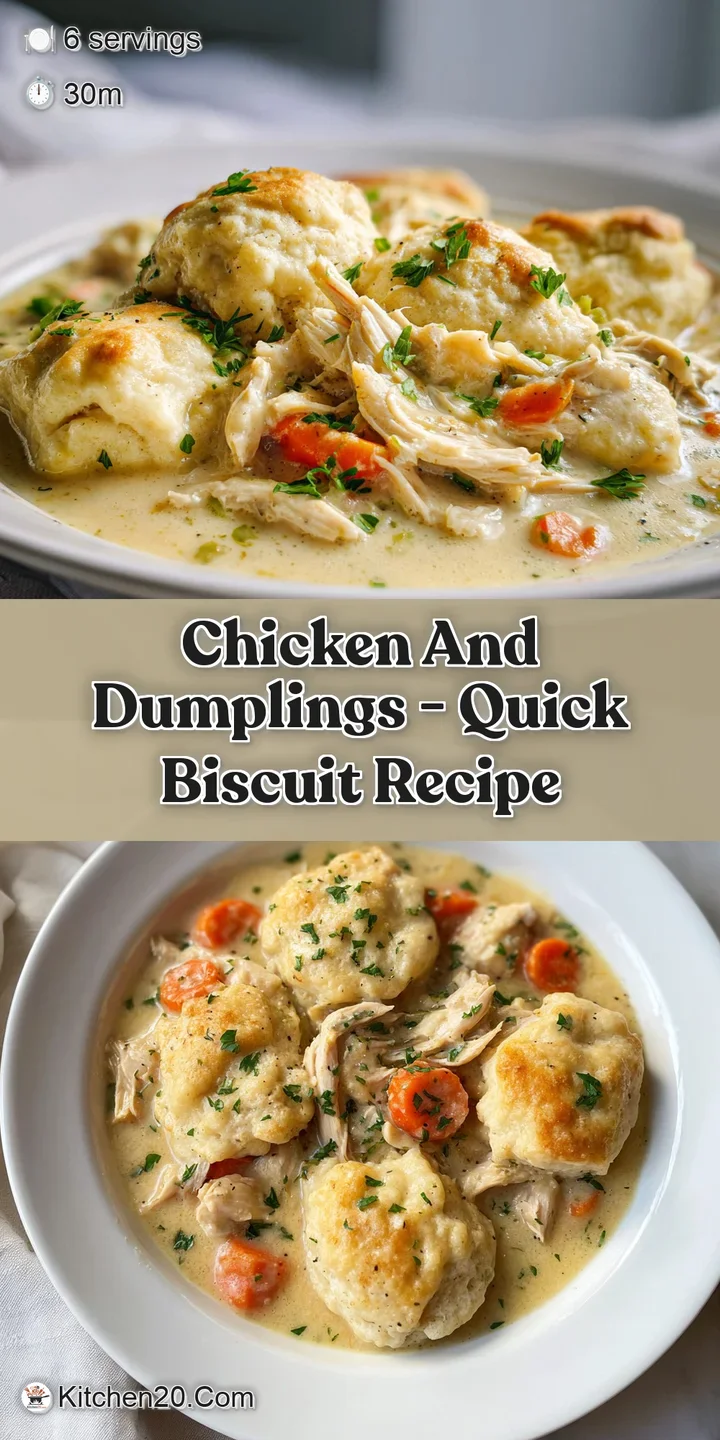
Chicken and Dumplings: Creamy & Comforting
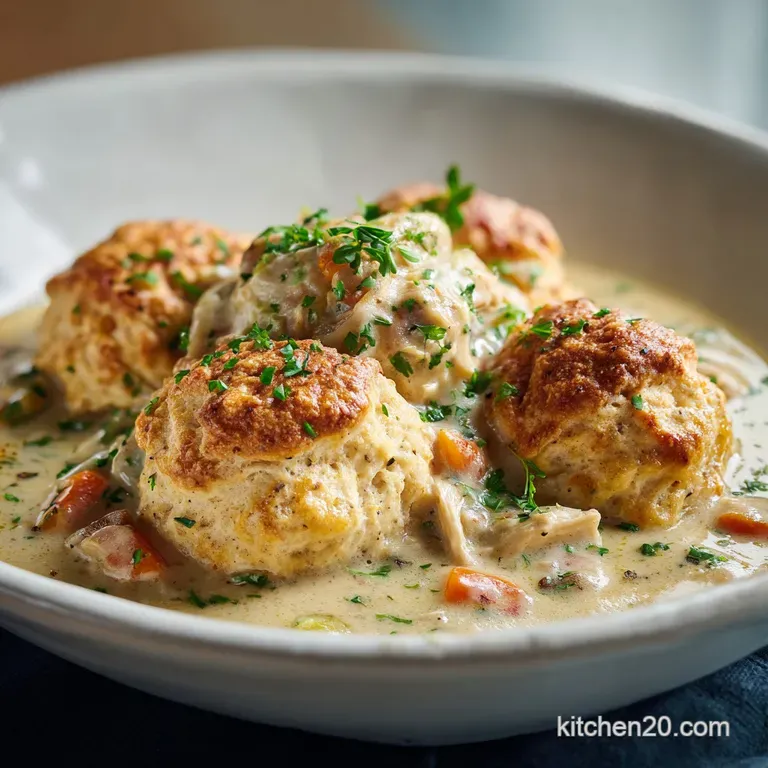
- Time: Active 10 minutes, Passive 20 minutes, Total 30 minutes
- Flavor/Texture Hook: Silken cream base with pillowy, cloud like dumplings
- Perfect for: Busy weeknights or stormy weekend comfort
- Master Hearty Homemade Chicken and Dumplings
- Understanding Texture and Heat Science
- Essential Components for Culinary Success
- Precision Tools for Better Results
- Necessary Ingredients and Smart Substitutes
- Step-by-Step Culinary Workflow
- Fixing Common Textural Errors
- Recipe Adaptations and Ingredient Swaps
- Storage and Long-Term Preservation
- Debunking Common Kitchen Myths
- Plating Styles and Presentation Levels
- Curated Side Dish Pairings
- High in Sodium
- Chicken and Dumplings FAQs
- 📝 Recipe Card
Master Hearty Homemade Chicken and Dumplings
Picture this: the rain is drumming against the window, and the kitchen air is thick with the scent of simmering rosemary and sweet yellow onion. You want that deep, soul soothing warmth that only a thick stew provides, but the thought of spending hours kneading dough feels exhausting after a long day.
We've all been there, standing in the pantry, weighing the desire for a "home cooked" feel against the reality of a 6:00 PM hunger spike.
This recipe is about revolutionizing how we view convenience by connecting high-quality shortcuts with precise culinary science. We aren't just dumping ingredients into a pot; we are building a layered platform of flavor that mimics a slow simmered classic.
By leveraging refrigerated biscuits as a structural base, we achieve a texture that is surprisingly light and airy rather than dense or leaden.
I remember the first time I tried this shortcut. I was skeptical, thinking it would taste like "canned" food, but the secret lies in how you treat the broth and the steam. When you drop those biscuit pieces into a simmering, velvety liquid, they undergo a transformation that even seasoned home cooks find impressive.
It is about working smarter to foster those genuine moments of connection around the dinner table without the stress of a three hour cook time.
Understanding Texture and Heat Science
The success of this dish relies on two specific scientific principles that transform liquid and dough into a cohesive, thickened meal.
Starch Gelatinization: As the biscuit pieces simmer, the starches within the flour absorb the surrounding chicken bone broth, swelling and bursting to naturally thicken the sauce into a velvety consistency.
The Hydrothermal Steam Effect: Covering the pot traps moisture, allowing the dumplings to cook through convective heat, ensuring they puff up rather than remaining flat and doughy.
| Cooking Method | Cook Time | Texture Outcome | Best For |
|---|---|---|---|
| Stovetop (Standard) | 20 minutes | Fluffy and soft | Quick weeknight meals |
| Slow Cooker | 4 hours | Dense and chewy | Hands off prep |
| Dutch Oven | 25 minutes | Crusty edges | Enhanced flavor depth |
Choosing the right method depends entirely on your schedule, but the stovetop version provides the most immediate gratification and the softest dumpling crumb. By controlling the heat manually, you ensure the heavy cream doesn't break and the peas maintain their bright green hue.
Essential Components for Culinary Success
Every ingredient in this recipe serves a functional purpose, moving beyond mere flavor to provide structural integrity and mouthfeel. Using chicken bone broth instead of standard stock provides a higher protein content and a more viscous body, which is essential for that signature "creamy" finish without needing a flour based roux.
| Ingredient | Science Role | Pro Secret |
|---|---|---|
| Bone Broth | Provides collagen and body | Use low sodium to control seasoning |
| Heavy Cream | Emulsifies the fat | Add at the end to prevent curdling |
| Refrigerated Biscuits | Acts as the leavening agent | Cut into 1/2 inch pieces for even rise |
| Yellow Onion | Provides sulfur based aromatics | Sauté until translucent, not browned |
The bone broth acts as the backbone of the entire dish, while the fats in the unsalted butter and heavy cream create a silken barrier that coats the palate. This is a culinary platform designed for maximum impact with minimal resistance.
Precision Tools for Better Results
You don't need a professional kitchen, but a few specific tools will make the process seamless. A heavy bottomed pot, such as a 5 quart Dutch oven (like those from Lodge), is vital for heat retention.
This ensures that when you drop the cold biscuits into the liquid, the temperature doesn't plummet, which would lead to soggy, water logged dough.
A sharp chef's knife is non negotiable for dicing the mirepoix (onion, carrots, and celery) into uniform pieces. If the carrots are too thick, they won't soften in the 20 minutes of cook time.
Finally,, a tight fitting lid is the most important tool for the "steam phase." If steam escapes, your dumplings will be dry and hard in the center.
- 5 quart Dutch oven or heavy stockpot
- Sharp chef's knife and cutting board
- Bench scraper (perfect for cutting biscuit dough)
- Wooden spoon or silicone spatula
- Liquid measuring cups
Necessary Ingredients and Smart Substitutes
To achieve the best results, use the freshest aromatics possible, but don't be afraid to lean on high-quality prepared items like pre shredded rotisserie chicken to save time.
- 2 tbsp Unsalted butter: Why this? Provides a rich fat base for sautéing aromatics.
- Substitute: 2 tbsp Olive oil (Healthier, but lacks the milky richness).
- 1 cup Yellow onion, finely diced: Why this? Forms the fundamental aromatic base of the stew.
- Substitute: 1 cup Shallots (Adds a more delicate, garlicky sweetness).
- 1 cup Carrots, sliced into rounds: Why this? Adds sweetness and visual contrast.
- Substitute: 1 cup Parsnips (More peppery and earthy flavor).
- 1 cup Celery, sliced: Why this? Provides essential savory depth.
- Substitute: 1/2 tsp Celery seed (If you lack fresh stalks).
- 3 cloves Garlic, minced: Why this? Deepens the savory profile of the broth.
- Substitute: 1 tsp Garlic powder (Add to liquid, not sauté).
- 4 cups Chicken bone broth: Why this? Higher protein and collagen for a thicker sauce.
- Substitute: 4 cups Chicken stock (Less body, may need more simmering).
- 1 cup Heavy cream: Why this? Creates the velvety texture we crave.
- Substitute: 1 cup Whole milk (Thinner sauce, less richness).
- 3 cups Cooked chicken breast, shredded: Why this? Lean protein that absorbs the broth easily.
- Substitute: 3 cups Chicken thighs (Moister, more fat content).
- 1 can (462g) Refrigerated flaky layers biscuits: Why this? The ultimate shortcut for light, airy dumplings.
- Substitute: Homemade drop biscuit dough (Thicker, more rustic texture).
- 1/2 cup Frozen sweet peas: Why this? Adds a pop of sweetness and color.
- Substitute: 1/2 cup Chopped green beans (Needs more cook time).
step-by-step Culinary Workflow
Building this dish is a lesson in patience and layering. Each step is designed to maximize the aromatic potential of the ingredients before the liquid is introduced.
- Sauté the aromatics. Melt the 2 tbsp unsalted butter in the Dutch oven over medium heat. Add the 1 cup yellow onion, 1 cup carrots, and 1 cup celery. Cook for 5 minutes until the onions are translucent and fragrant.
- Season the base. Stir in the 3 cloves minced garlic, 1 tsp dried thyme, and 1/2 tsp crushed rosemary. Cook for 1 minute until the garlic smells nutty and warm.
- Introduce the liquids. Pour in the 4 cups chicken bone broth and 1 cup heavy cream. Add the 1 tsp sea salt and 1/2 tsp black pepper. Stir to combine.
- Simmer and integrate. Bring the liquid to a gentle boil, then stir in the 3 cups shredded chicken breast. Note: Using pre cooked chicken ensures the meat stays tender and doesn't overcook.
- Prepare the dumplings. While the liquid heats, open the 1 can of biscuits. Cut each biscuit into 6-8 small pieces. Note: Smaller pieces cook faster and more evenly than large chunks.
- Drop the dough. Once the liquid is at a steady simmer, drop the biscuit pieces into the pot. Space them out so they don't immediately clump together.
- Seal and steam. Reduce heat to low and cover the pot with a tight lid. Cook for 10 minutes until the dumplings are puffed and no longer doughy.
- The final touch. Remove the lid and gently stir in the 1/2 cup frozen peas. The residual heat will cook them in about 2 minutes.
- Garnish and serve. Sprinkle with 2 tbsp fresh chopped parsley. Ladle into deep bowls and serve immediately while the steam is rising.
Chef's Tip: To ensure your dumplings never sink or turn gummy, avoid the urge to lift the lid during the 10 minute steam phase. This drop in temperature is the leading cause of "heavy" dumplings.
Also, try blooming your dried herbs in the butter for 30 seconds before adding the broth to unlock their fat soluble flavor compounds.
Fixing Common Textural Errors
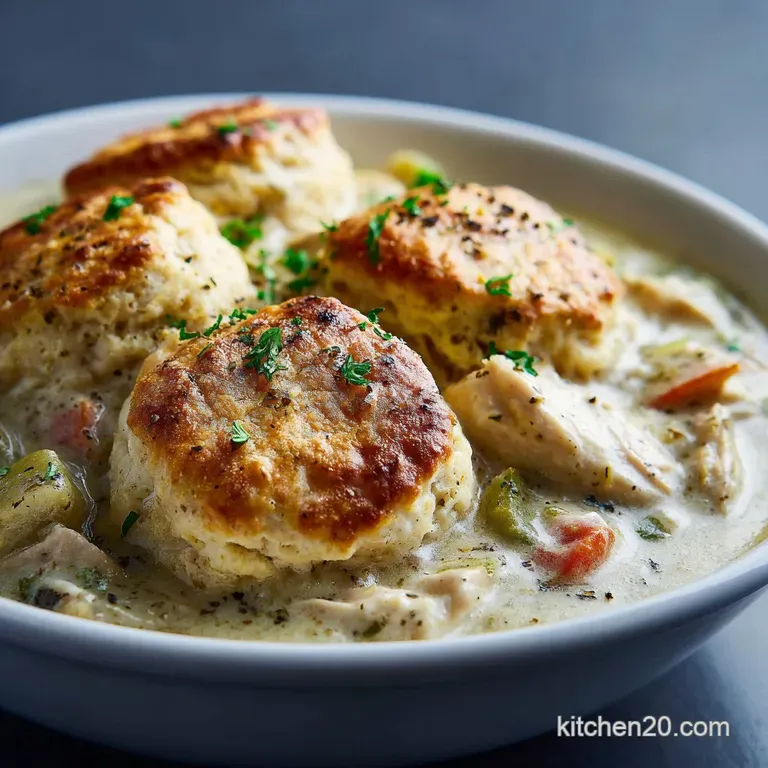
Even with a straightforward recipe, things can go wrong. The environment in your kitchen, the brand of biscuits, or the heat of your stove can all impact the final result. If you've ever ended up with a soup that's too thin or dumplings that feel like lead, you're not alone.
Solving the Sinking Dumpling Mystery
If your dumplings aren't floating, it is usually a sign of low temperature. Dumplings need the immediate lift of steam to expand. If the liquid isn't at a steady simmer when you drop them in, they will absorb the liquid and become heavy. Think of it like the technique used in my Juicy Authentic Homemade recipe where the steam to liquid ratio determines the final chew.
Correcting the Sauce Consistency
Sometimes the sauce doesn't thicken as much as you'd like. This usually happens if the heat was too low to release the starches from the biscuits. You can fix this easily by mashing one or two of the cooked dumplings into the sauce. The starch will act as a natural thickener without changing the flavor profile.
| Problem | Root Cause | Solution |
|---|---|---|
| Doughy Center | Simmer time too short | Cover and steam for 3 extra mins |
| Broken Cream | Heat too high | Reduce heat; stir in a cold butter pat |
| Bland Broth | Under seasoned at start | Add a splash of lemon or more salt |
Another common hurdle is dry chicken. If you use leftover breast meat, it can sometimes feel stringy. To avoid this, always add the chicken at the very end with the broth so it merely reheats rather than "cooking" twice. It's a similar principle to maintaining the integrity of the protein in The Proper Brew recipe.
Common Mistakes Checklist: ✓ Never boil the stew vigorously after adding the cream (it will curdle). ✓ Ensure the biscuit pieces are consistent in size for even cooking. ✓ Don't overcrowd the pot - the dumplings need room to expand.
✓ Use a heavy lid to prevent the "hydrothermal steam" from escaping. ✓ Add the frozen peas at the very last second to preserve their color.
Recipe Adaptations and Ingredient Swaps
This recipe is a flexible platform that can be adjusted based on dietary needs or available tools. While the stovetop is the most common method, modern technology allows for various adaptations.
The Slow Cooker Shift
For a hands off approach, add everything except the biscuits, cream, and peas into a slow cooker. Cook on low for 6 hours. One hour before serving, stir in the cream and biscuits. This gives the dough enough time to cook without becoming overly mushy from a full 6 hour soak.
Diet Swaps (Dairy and Gluten)
For a dairy-free version, swap the butter for vegan butter and the heavy cream for full fat coconut milk. The coconut milk adds a subtle nuttiness that pairs beautifully with the rosemary.
For gluten-free, you will need to swap the refrigerated biscuits for a gluten-free drop biscuit dough made with a 1 to-1 flour blend.
| Original Ingredient | Substitute | Why It Works |
|---|---|---|
| Heavy Cream (1 cup) | Coconut Milk (1 cup) | Similar fat content. Note: Adds a slight tropical aroma |
| Butter (2 tbsp) | Avocado Oil (2 tbsp) | High smoke point and neutral flavor |
| Biscuits (1 can) | Cornbread cubes (3 cups) | Different texture but great for soaking up broth |
When scaling this recipe down for two people, use a smaller 2 quart saucepan. Reduce the cook time for the aromatics by 2 minutes, but keep the steaming time for the dumplings the same at 10 minutes.
If you are doubling the recipe for a crowd, work in a large stockpot and increase the salt and spices to only 1.5x the original amount to prevent over seasoning.
Storage and Long Term Preservation
Chicken and dumplings are notoriously difficult to store because the dumplings continue to absorb liquid as they sit. If you plan on having leftovers, I recommend storing the stew and the dumplings separately if possible, though that is difficult with this one pot method.
Fridge: Store in an airtight container for up to 3 days. When reheating, you will likely need to add a splash of broth or water to loosen the sauce, as it will thicken into a gel like consistency in the cold.
Freezer: You can freeze the stew base (the chicken, broth, and veg) for up to 3 months. However, I do not recommend freezing the cooked dumplings. They lose their structural integrity and become unpleasantly spongy upon thawing.
Zero Waste: Don't toss the celery leaves! Chop them up and mix them with the parsley for a more complex herbal garnish. If you have leftover biscuit dough, bake the remaining pieces as tiny "croutons" for a salad the next day.
Debunking Common Kitchen Myths
There is a persistent myth that you must use a roux to get a thick sauce in this dish. In reality, the starches from the biscuits and the collagen from the bone broth provide more than enough body. Adding a roux often makes the dish feel heavy and "floury" on the tongue.
Another misconception is that you need to sear the chicken first. Since we are using shredded, pre cooked chicken or poaching it in the broth, searing actually creates a tough outer skin that prevents the broth from penetrating the meat.
For a velvety mouthfeel, poaching or reheating in liquid is the superior technique for this specific profile.
Plating Styles and Presentation Levels
presentation is how we connect with our guests before they even take a bite. You can take this rustic dish from a simple weeknight meal to something that feels intentional and refined.
| Level | Plating Tweak | Visual Impact |
|---|---|---|
| Simple | Deep ceramic bowl | Casual, cozy, and rustic |
| Polished | Wide rimmed bowl | Cleaner look with focused center |
| Restaurant | Micro greens and oil | High contrast, architectural feel |
Level 1: The Simple Bowl
Ladle a generous portion into a deep, heavy ceramic bowl. Ensure there are at least three dumplings visible on top. This style is about abundance and warmth. It looks best on a wooden table with a side of crusty bread.
Level 2: The Polished Plate
Use a wide rimmed shallow bowl. Place the chicken and vegetables in the center, then carefully arrange four dumpling pieces in a square pattern on top. Wipe the rim of the bowl clean and add a very fine dusting of freshly cracked black pepper and a single sprig of parsley.
Level 3: The Restaurant Experience
For a modern "revolutionized" look, strain a bit of the velvety broth and drizzle it around the perimeter of the bowl. Use a small ring mold to stack the chicken in the center. Top with two perfectly steamed dumplings and garnish with micro thyme and a few drops of bright green chive oil.
This creates a high contrast, professional appearance that surprises guests.
Curated Side Dish Pairings
While this is a complete meal on its own, adding a side dish with a different texture or acidity can balance the richness of the cream and dough.
Crispy Roasted Brussels Sprouts: The char and bitterness of the sprouts cut right through the silken heavy cream of the stew. It provides a necessary "shatter" texture that the soft dumplings lack.
Bright Acidic Green Salad: A simple mix of arugula and a lemon mustard vinaigrette provides the acid needed to cleanse the palate between bites of savory chicken and herbs. This makes the meal feel lighter and more balanced.
Ultimately, this version of chicken and dumplings is about finding the intersection between time saving technology and the timeless need for comfort. By understanding the science of the steam and the importance of high-quality broth, you can create a meal that feels like a labor of love, even on your busiest Tuesday.
It is about fostering that connection through food, one velvety bowl at a time.
High in Sodium
945 mg mg of sodium per serving (41% % of daily value)
The American Heart Association recommends limiting sodium intake to no more than 2,300mg per day.
Sodium Reduction Strategies for Chicken Pot Pie
-
Low-Sodium Broth-30%
Replace regular chicken bone broth with a low-sodium or no-salt added variety. This swap can significantly cut down the sodium content.
-
Reduce Added Salt-25%
Eliminate or drastically reduce the added sea salt. Taste the dish before adding any salt and consider using a pinch at the end, if needed. Consider using a salt substitute.
-
Sodium Conscious Biscuits-20%
Opt for a homemade biscuit recipe where you can control the sodium content, or look for lower sodium refrigerated biscuit options.
-
Unseasoned Chicken-15%
Ensure the cooked chicken breast used is unseasoned or lightly seasoned. Pre-seasoned chicken can contain hidden sodium.
-
Boost Flavor Naturally
Enhance the flavor profile with a variety of fresh herbs and spices such as garlic, black pepper, thyme, rosemary, and parsley. This helps compensate for the reduction of salt.
Chicken and Dumplings FAQs
Can I use biscuits for chicken and dumplings?
Yes, refrigerated biscuits are a fantastic shortcut. They cook quickly and absorb the savory broth beautifully, creating light and fluffy dumplings. Just ensure they are cut into bite sized pieces for even cooking.
Can you use Pillsbury biscuits for dumplings?
Yes, Pillsbury biscuits work well for chicken and dumplings. Their flaky layers tend to create a tender dumpling texture when simmered in the broth. Cut them into smaller, uniform pieces before adding them to the pot.
What are some common mistakes when making chicken and dumplings?
Common mistakes include not letting the broth simmer before adding dumplings, overcrowding the pot, and lifting the lid too soon. These can lead to doughy, dense dumplings. Ensure your broth is at a steady simmer, give the dumplings space to expand, and resist peeking until the cooking time is up.
How long do you cook canned biscuits for chicken and dumplings?
Cook canned biscuits for about 10-12 minutes once added to the simmering broth. They need to be fully submerged and allowed to steam uncovered during this time. They'll puff up and cook through as they absorb the liquid.
Can I make dumplings ahead of time?
No, it's best to make the dumplings fresh. Refrigerated biscuit dough is designed for immediate cooking; if made ahead, it can become tough and less fluffy when you're ready to add them to the stew.
My dumplings are falling apart, what went wrong?
This usually means the broth was boiling too rapidly, breaking down the dough. Reduce the heat to a gentle simmer before dropping in the biscuit pieces. If they've already fallen apart, you can try to mash a few into the sauce to help thicken it, similar to how starches work in a Creamy Chicken Gnocchi Soup.
Can I use store-bought chicken for chicken and dumplings?
Yes, using pre-cooked rotisserie chicken is a great time saver. It provides tender, flavorful meat without needing to poach or cook chicken from scratch. Just shred it and add it towards the end of cooking to warm through, much like you would in a Hearty Homemade Chicken Noodle Soup.
Chicken Dumplings 2
Ingredients:
Instructions:
Nutrition Facts:
| Calories | 587 kcal |
|---|---|
| Protein | 35.5 g |
| Fat | 31.9 g |
| Carbs | 40.2 g |
| Fiber | 3.8 g |
| Sugar | 4.1 g |
| Sodium | 945 mg |
