Coconut Curry Shrimp Recipe: Quick Thai Prawns
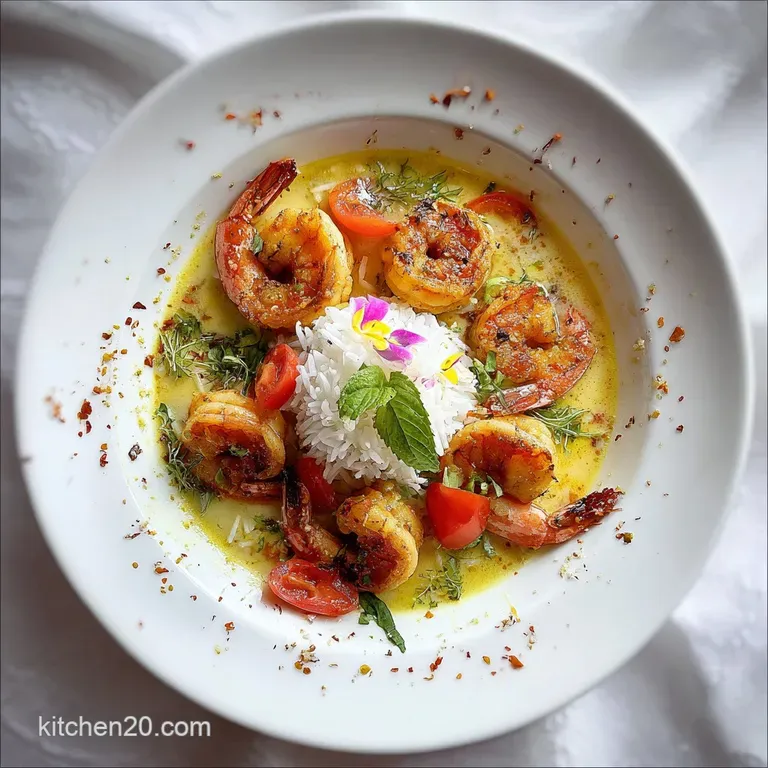
- Time: Active 10 mins, Passive 10 mins, Total 20 mins
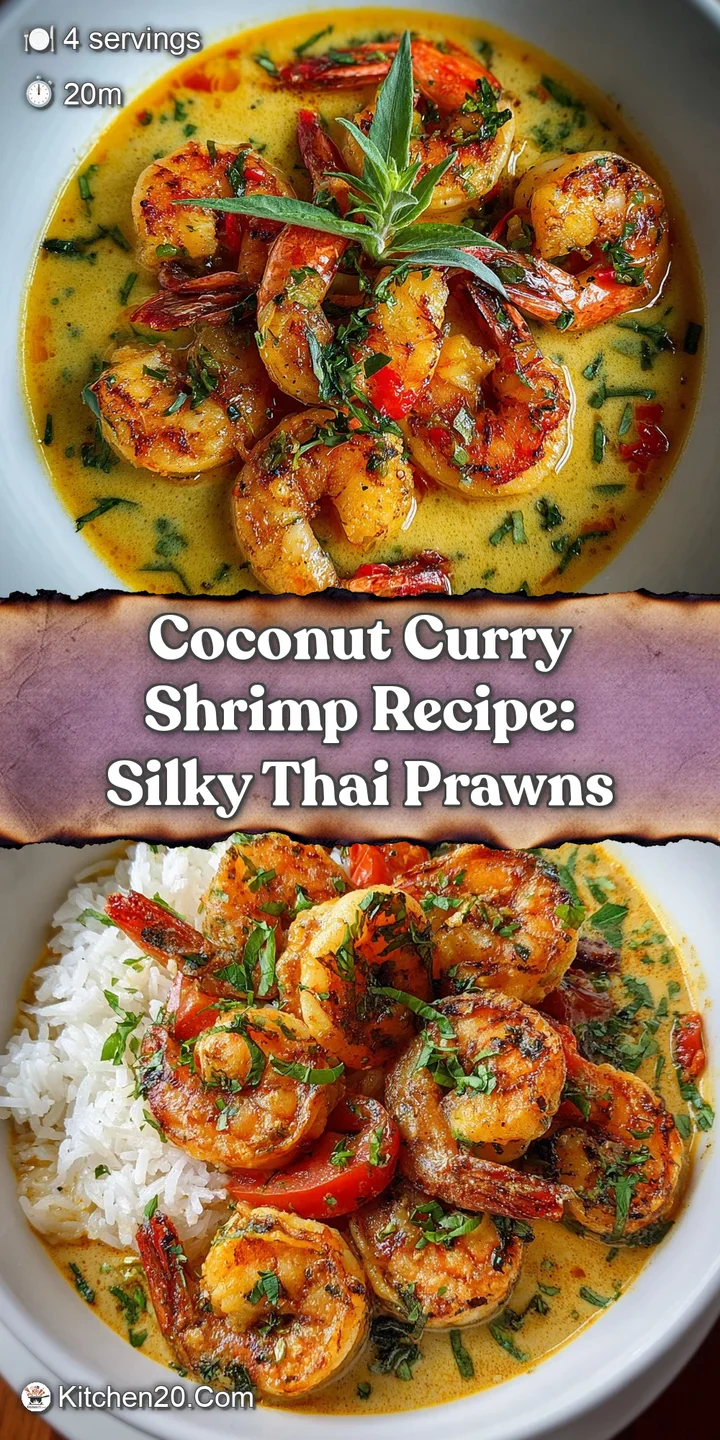
- Flavor/Texture Hook: Silky coconut broth with snappy, spiced prawns
- Perfect for: High speed weeknight hunger or last minute guests
- Mastering the Quick Coconut Curry Shrimp Recipe
- Thermodynamic Secrets for Snappy Prawns
- Component Analysis for Balanced Flavor
- Essential Components for Balanced Flavor
- Tools for Quick Fusion Cooking
- Step-by-Step Cooking for Fast Results
- Fixes for Common Curry Hurdles
- Precise Adjustments for Scaling
- Bold Regional Flavor Profile Variations
- Safe Storage and Leftover Ideas
- Plating and Pairing Your Meal
- High in Sodium
- Recipe FAQs
- 📝 Recipe Card
Mastering the Quick Coconut Curry Shrimp Recipe
That specific hiss when the prawns touch the oil is basically my favorite sound in the world. Last Tuesday, I was staring at a pound of frozen shrimp and feeling zero motivation to cook something complex. I wanted that deep, aromatic warmth of a curry but didn't have an hour to let a sauce reduce.
I realized that if I treated the shrimp like a steak high heat, quick sear, and get them out of there the whole dish transformed.
We've all had that rubbery, overcooked shrimp that feels like chewing on a pencil eraser. It's heartbreaking. But here’s the thing: this recipe is built for speed. It’s a coding style approach to cooking efficient, modular, and yields high results without the legacy code of traditional, slow simmered stews.
You're going to get a velvety sauce and prawns that actually "pop" when you bite into them.
Trust me on this, once you nail the order of operations, you'll be making this on repeat. We aren't just dumping everything into a pot and hoping for the best. We’re building layers. It starts with the aromatics, hits a crescendo with the coconut milk, and finishes with a bright zap of lime.
Let's get into the mechanics of why this works so well.
Thermodynamic Secrets for Snappy Prawns
Protein Denaturation Control: Shrimp cook in a flash because their muscle fibers are short and loosely packed. By searing at high heat and removing them early, we prevent the proteins from tightening into a rubbery knot.
Fat Soluble Flavor Extraction: Red curry paste contains spices like galangal and lemongrass that only release their full aromatic potential when fried in oil. This "blooming" process creates a deeper flavor profile in minutes rather than hours.
Emulsion Stability: Using full fat coconut milk provides the necessary lipids to suspend the spice particles. This creates a silky mouthfeel that coats the back of a spoon without feeling greasy or separated.
| Method | Cook Time | Texture | Best For |
|---|---|---|---|
| Stovetop | 10 mins | Snappy, charred edges | Quick weeknight dinners |
| Oven Roasting | 15 mins | Even, tender finish | Hands off bulk cooking |
| Slow Cooker | Not recommended | Mushy, overcooked | Use for chicken instead |
When choosing between stovetop and oven, the pan is almost always superior for a Coconut Curry Shrimp Recipe. The direct heat allows for the Maillard reaction on the shrimp surface, giving you those tiny brown bits of flavor that an oven just can't replicate in such a short window. It’s similar to the over high heat technique I use in my Creamy Garlic Shrimp recipe where the sear is everything.
Component Analysis for Balanced Flavor
| Ingredient | Science Role | Pro Secret |
|---|---|---|
| Red Curry Paste | Aromatic base | Fry it until it smells fragrant and turns a shade darker. |
| Coconut Milk | Emulsifier/Fat | Use full fat only; the light version lacks the viscosity for a velvety sauce. |
| Fish Sauce | Umami booster | Don't smell it raw it provides the "salt" and depth once merged. |
Essential Components for Balanced Flavor
- 1.5 lbs large prawns: Peeled and deveined. Why this? Larger prawns handle high heat better without overcooking instantly. (Sub: Scallops or firm tofu cubes).
- 1 tbsp neutral oil: Avocado or grapeseed. Why this? High smoke point prevents the oil from breaking down during the sear. (Sub: Coconut oil).
- 1/2 tsp kosher salt: For the initial seasoning. (Sub: Sea salt).
- 1 small yellow onion: Finely diced. (Sub: Shallots for a sweeter, milder vibe).
- 1 red bell pepper: Thinly sliced. (Sub: Snap peas or julienned carrots).
- 3 cloves garlic: Minced fresh. (Sub: 1 tsp garlic paste).
- 1 tbsp fresh ginger: Grated. Why this? Fresh ginger provides a sharp, spicy bite that dried ginger lacks. (Sub: Galangal).
- 3 tbsp red curry paste: The flavor engine. (Sub: Yellow or green curry paste).
- 13.5 oz full fat coconut milk: One standard can. (Sub: Heavy cream with a splash of lime).
- 1 tbsp fish sauce: The secret umami. (Sub: Soy sauce or tamari).
- 1 tbsp brown sugar: Balances the heat. (Sub: Honey or coconut sugar).
- 1 tbsp fresh lime juice: Cuts through the fat. (Sub: Rice vinegar).
- 1/4 cup fresh cilantro: For brightness. (Sub: Thai basil).
- 1/2 tsp red pepper flakes: For extra kick. (Sub: Sriracha).
Tools for Quick Fusion Cooking
You don't need a professional kitchen, but a heavy bottomed pan is non negotiable. I usually reach for my 12 inch cast iron skillet or a high sided stainless steel pan. The goal is surface area you want the shrimp to have space to sear rather than steam in their own juices.
If you're using a thin non stick pan, be careful with the heat levels, as they can't always hold the temperature when the cold shrimp hit the surface. A good microplane is also a lifesaver for the ginger and garlic.
It turns them into a paste that melts into the sauce instantly, which is exactly what we want for a 20 minute meal.
step-by-step Cooking for Fast Results
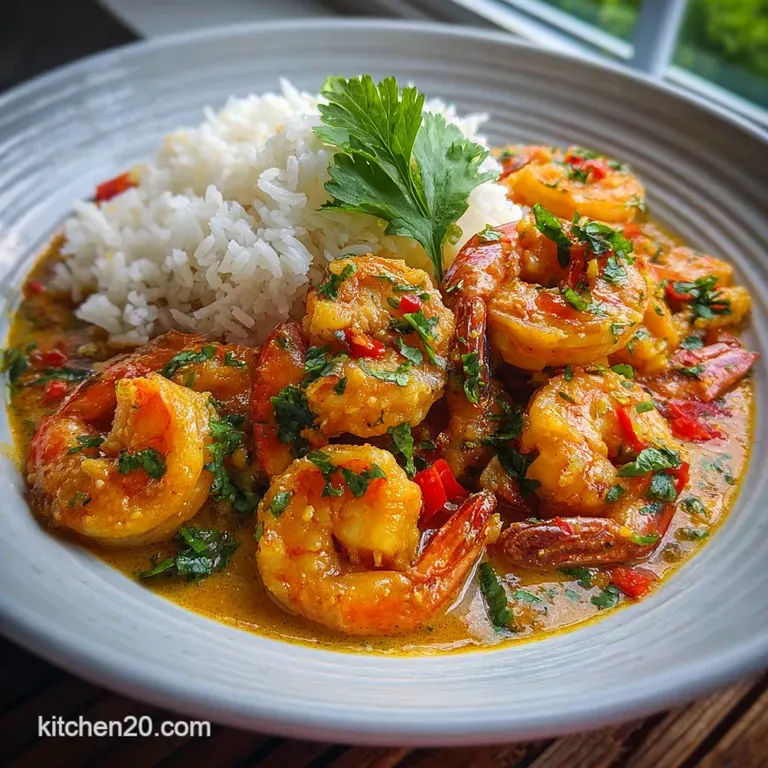
1. over High heat Shrimp Sear
Pat the 1.5 lbs prawns completely dry with paper towels. Toss them with 1/2 tsp kosher salt. Heat 1 tbsp neutral oil in the pan over medium high heat until it shimmers and slightly wisps smoke.
Add the shrimp in a single layer and cook for 1 minute per side until they just turn opaque and pink. Remove them to a plate immediately. Note: They should be slightly undercooked in the center at this stage.
2. Building Aromatic Depth
In the same pan, add the diced yellow onion and sliced red bell pepper. Sauté for 3 minutes until the onion is translucent and the pepper starts to soften. If the pan looks dry, add a tiny splash of oil.
3. Blooming the Spices
Push the vegetables to the side and add the minced garlic, grated ginger, and 3 tbsp red curry paste to the center. Fry for 1 minute until the kitchen smells incredible and the paste darkens slightly. Use your spatula to break up the paste so it mixes with the aromatics.
4. Creating the Sauce
Pour in the 13.5 oz coconut milk. Use a whisk or spatula to scrape up any browned bits from the bottom of the pan. Stir in 1 tbsp fish sauce and 1 tbsp brown sugar.
5. The Velvety Reduction
Bring the liquid to a gentle simmer. Cook for about 4 to 5 minutes until the sauce thickens enough to coat a spoon. Don't let it boil violently, or the coconut milk might separate.
6. Finishing the Dish
Return the seared shrimp and any accumulated juices to the pan. Stir in 1 tbsp lime juice and 1/2 tsp red pepper flakes. Cook for 1 more minute until the shrimp are heated through and firm.
7. Final Seasoning Adjustments
Taste the sauce. If it's too salty, add a pinch more sugar. If it's too heavy, add another squeeze of lime. This is where you make it your own.
8. Garnish and Serve
Turn off the heat and fold in 1/4 cup chopped cilantro. Serve immediately over jasmine rice or rice noodles.
Fixes for Common Curry Hurdles
Preventing Thin Watery Sauce
If your sauce looks more like a soup than a silky curry, it usually means the coconut milk wasn't reduced enough or you used "light" coconut milk. The fix is simple: let it simmer for an extra 3 minutes without the shrimp.
The evaporation will concentrate the fats and sugars, giving you that thick, luxurious texture you're after.
Managing High Heat Levels
Sometimes red curry paste can be surprisingly spicy depending on the brand. If your first taste makes your eyes water, don't panic. Add an extra tablespoon of brown sugar or a dollop of peanut butter. The fat and sweetness neutralize the capsaicin, making it much more manageable for everyone at the table.
| Problem | Root Cause | Solution |
|---|---|---|
| Rubbery Shrimp | Overcooking during the sear | Remove prawns when they are 80% done; they finish in the sauce. |
| Separated Sauce | Boiling too vigorously | Keep the sauce at a gentle simmer; high heat breaks the fat emulsion. |
| Flat Flavor | Missing acidity | Add an extra squeeze of fresh lime juice just before serving. |
Common Mistakes Checklist
- ✓ Patting the shrimp dry is vital for a golden sear rather than a gray steam.
- ✓ Do not skip blooming the curry paste; raw paste tastes "tinny" and flat.
- ✓ Use a large enough pan to prevent overcrowding, which drops the temperature.
- ✓ Add the lime juice at the very end to keep the flavor bright and punchy.
- ✓ Avoid low-fat coconut milk as it will likely curdle or remain watery.
Precise Adjustments for Scaling
Reducing the Batch
If you're cooking for one, halving this recipe is easy. Use 0.75 lbs of shrimp and half a can of coconut milk. Keep the garlic and ginger amounts the same curry thrives on aromatics. Reduce the simmer time for the sauce by 2 minutes since there is less volume to evaporate.
Feeding a Crowd
When doubling to 8 servings, work in batches for the shrimp sear. If you crowd 3 lbs of shrimp into one pan, they will release too much moisture and boil. Use 1.5x the salt and spices rather than a full 2x to start, then adjust at the end. Use a larger Dutch oven to handle the increased volume of coconut milk.
| Servings | Shrimp Amount | Coconut Milk | Pan Size |
|---|---|---|---|
| 2 People | 0.75 lbs | 1/2 can (7 oz) | 10 inch Skillet |
| 4 People | 1.5 lbs | 1 can (13.5 oz) | 12 inch Skillet |
| 8 People | 3.0 lbs | 2 cans (27 oz) | Large Dutch Oven |
If you find yourself needing to swap out the protein for a vegetarian guest, this base works beautifully as a How to Make recipe for vegetable curry. Just swap the fish sauce for soy sauce and the shrimp for extra peppers and chickpeas.
Bold Regional Flavor Profile Variations
Indian Style Adaptation
To lean into an Indian Coconut Curry Shrimp Recipe, swap the red curry paste for 2 tbsp of yellow curry powder and a teaspoon of turmeric. Add a splash of heavy cream at the end for a "Malai" style finish.
The ginger and garlic remain the foundation, but the flavor profile shifts from citrusy to earthy and warm.
Jamaican Twist Ideas
For a Jamaican Coconut Curry Shrimp Recipe, use a Madras style curry powder and add a whole scotch bonnet pepper (keep it whole so you can remove it later). Swap the cilantro for fresh thyme and add a few allspice berries to the simmering coconut milk.
It’s a completely different vibe but equally fast and satisfying.
Safe Storage and Leftover Ideas
Fridge and Reheating
This curry keeps well in the fridge for up to 3 days in an airtight container. When reheating, do it gently on the stovetop over low heat. If you microwave it on high, the shrimp will turn into rubber pellets. Add a splash of water or extra coconut milk if the sauce has thickened too much in the fridge.
Freezing and Zero Waste
You can freeze the sauce, but I don't recommend freezing the cooked shrimp as the texture suffers. Instead, freeze the "base" (the sauce with veggies) for up to 2 months. To reduce waste, save your shrimp shells! Toss them in a bag in the freezer.
When you have a few handfuls, boil them with water and ginger to make a quick seafood stock for your next soup.
Plating and Pairing Your Meal
Presentation is half the battle with a Coconut Curry Shrimp Recipe. I like to serve this in wide, shallow bowls to show off the vibrant orange sauce. A heavy pile of fluffy jasmine rice is the classic move, but if you're feeling adventurous, try serving it with crusty sourdough bread to soak up every last drop of the liquid.
- Jasmine Rice: The floral notes complement the coconut perfectly.
- Fresh Herbs: Don't just stir the cilantro in; pile a fresh handful on top for color.
- Lime Wedges: Always serve with extra wedges on the side for those who want more zing.
- Toasted Coconut: A sprinkle of toasted unsweetened coconut flakes adds a great crunch.
Right then, you're all set. This dish is proof that you don't need all day to make something that tastes like it took hours. It’s quick bites, fusion flavors, and efficient cooking at its best. Let's crack on and get that pan heating up!
High in Sodium
875 mg mg of sodium per serving (38% of daily value)
The American Heart Association recommends limiting sodium intake to about 2,300mg per day for overall cardiovascular health.
Tips to Reduce Sodium in Your Prawn Curry
-
Reduce Added Salt-25%
Eliminate or significantly reduce the 1/2 tsp of kosher salt. Taste as you cook and only add a pinch if absolutely necessary.
-
Lower Sodium Fish Sauce-20%
Use a low-sodium fish sauce alternative or reduce the amount of fish sauce by half (from 1 tbsp to 1/2 tbsp). You can also replace it with lime juice and a small pinch of salt if needed.
-
Lower Sodium Curry Paste-15%
Use a homemade or low-sodium red curry paste, as commercial pastes can be high in sodium. Alternatively, reduce the amount of curry paste used by half, and add other spices like turmeric, cumin, and coriander to compensate for flavor.
-
Unsweetened Coconut Milk-10%
Ensure your coconut milk is unsweetened and contains no added salt. Check the label for sodium content and choose a brand with the lowest amount.
-
Enhance with Herbs & Spices
Maximize flavor by using generous amounts of fresh herbs (like cilantro and basil), spices (like ginger, garlic, and red pepper flakes), and lime juice. This will help compensate for reduced saltiness.
Recipe FAQs
What are common mistakes when making coconut curry?
Overcooking the shrimp. Shrimp cook extremely fast; they should be removed from the heat when only 80% opaque and finished in the sauce. Another major error is skipping the step of frying the curry paste until fragrant, which leads to a flat, raw flavor base.
Is it better to use coconut milk or coconut cream in a curry?
Use full fat coconut milk for the best results. Coconut milk contains the necessary fat content (lipids) to create a stable, velvety emulsion that coats the spoon beautifully. Coconut cream is too thick and may result in a gloppy texture unless significantly diluted.
What goes well with coconut curry shrimp?
Fluffy white rice or rice noodles are ideal pairings. These starches absorb the sauce perfectly, balancing the richness of the coconut milk. For a more substantial side, consider serving it alongside Perfectly Fluffy Arroz recipe to soak up every bit of flavor.
What is the secret to good Thai curry?
Blooming the curry paste and balancing the four key tastes. You must fry the paste in oil until it darkens slightly to release its fat-soluble flavor compounds. Then, balance salt (fish sauce), sweetness (sugar), sour (lime), and heat (chili).
How do I stop my coconut sauce from separating?
Maintain a gentle simmer, never a rolling boil. High heat causes the fat in the coconut milk to separate from the water content, creating an oily top layer. If you mastered stabilizing an emulsion in another recipe, apply that same low and slow heat management here.
Can I use frozen shrimp instead of fresh?
Yes, but proper thawing is essential for texture. Thaw the shrimp slowly in the refrigerator overnight, then pat them absolutely dry before searing. Moisture on the surface will cause steaming instead of searing, resulting in less flavor development.
How do I achieve a rich, deep umami flavor in a quick curry?
Incorporate fish sauce sparingly near the end of cooking. Fish sauce provides deep savoriness without tasting explicitly like fish when properly integrated. If you prefer a vegetarian approach, a few drops of high-quality soy sauce can replicate some of that depth.
Coconut Curry Shrimp In 20 Min
Ingredients:
Instructions:
Nutrition Facts:
| Calories | 452 kcal |
|---|---|
| Protein | 37.5 g |
| Fat | 22.8 g |
| Carbs | 12.8 g |
| Fiber | 1.2 g |
| Sugar | 6.4 g |
| Sodium | 875 mg |
