How to Cook Acorn Squash
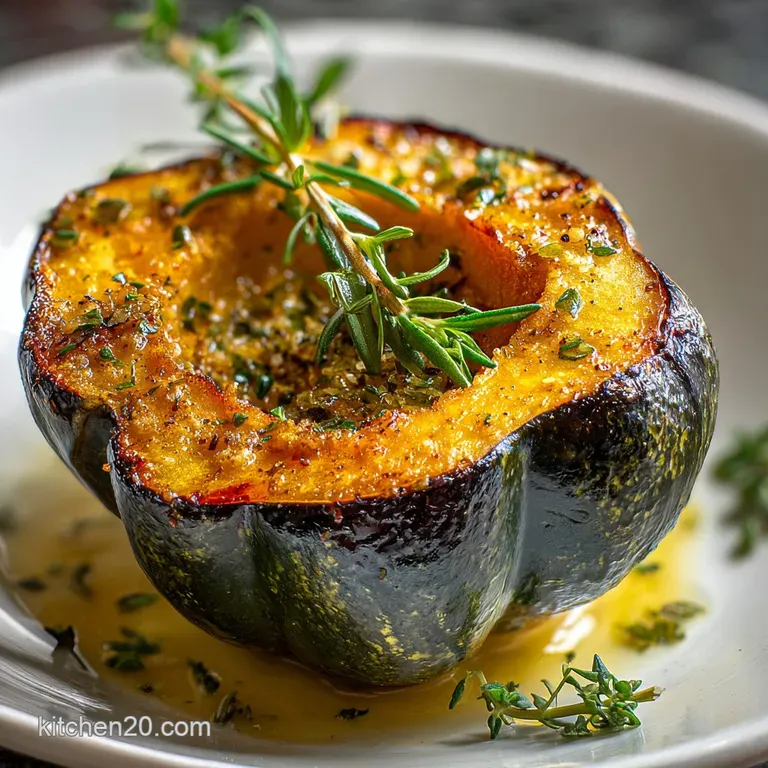
- Time: Active 10 minutes, Passive 35 minutes, Total 45 minutes
- Flavor/Texture Hook: Earthy sage crust with a velvety, melt in-the mouth center
- Perfect for: Stress free holiday sides or a nutrient dense weeknight base
- Innovative Techniques to Master How to Cook Acorn Squash
- Precision Specifications for Your Kitchen Platform Success
- Essential Components for a Savory Seasonal Masterpiece
- Tech and Tools for a Connected Cooking Experience
- Systematic Instructions for Achieving Velvety Squash Textures
- Practical Solutions for Common Roasted Squash Challenges
- Inclusive Adaptations for a Global Cooking Community
- How to Store and Keep Fresh for Zero Waste
- Strategic Pairings for a Revolutionizing Meal Presentation
- Recipe FAQs
- 📝 Recipe Card
Innovative Techniques to Master How to Cook Acorn Squash
The first time I tried to tackle an acorn squash, it nearly ended in a call to the emergency room. I was wrestling with a dull chef's knife, trying to pierce that stubborn green hide, while the squash rolled around the cutting board like a loose cannon.
I eventually hacked it into uneven chunks that either turned to mush or stayed crunchier than a raw carrot. It was a mess. But that failure sparked a obsession with finding a systematic way to handle this ribbed beauty.
Now, when I hear that first crisp "thwack" of the knife hitting the board and smell the sage hitting the hot oil, I know I've cracked the code on this seasonal staple.
We've all been there staring at those deep ridges and wondering if it’s even worth the effort. Trust me, it is. When you treat the squash like a platform for flavor rather than just a side dish, everything changes.
This recipe isn't about hiding the squash under a mountain of brown sugar; it’s about revolutionizing the way we see savory winter vegetables. We are going to use high temperature roasting to create a textural contrast that feels intentional and sophisticated.
You’ll get edges that shatter slightly between your teeth and a middle that is so silky it rivals any potato puree.
Connecting with your ingredients means understanding their geometry. Those ridges aren't just for show they are built in channels for caramelization. By slicing the squash into "C" shapes, we maximize the surface area that touches the hot pan.
This creates a rhythmic pattern on the plate and ensures every single bite is seasoned to the core. We’re moving away from the "scoop and serve" mush of the past and stepping into a more connected, modern way of plating that respects the integrity of the produce.
Precision Specifications for Your Kitchen Platform Success
Every successful cook knows that consistency is the result of precision. When we look at the data for this dish, we see a perfect balance of healthy fats and complex carbohydrates. By following these specific metrics, you ensure that your result isn't just "good for home," but restaurant quality every single time.
The Physics of the Caramelized Edge: High heat triggers the Maillard reaction between the squash's natural sugars and the amino acids in the garlic and sage. This creates a savory crust that acts as a protective barrier, keeping the interior moisture from evaporating.
| Method | Time | Texture | Best For |
|---|---|---|---|
| Oven Roasting | 35 minutes | Crispy ridges, tender flesh | Deep flavor and big batches |
| Air Fryer | 18 minutes | Maximum crunch, less silky | Quick meals for two |
| Microwave | 8 minutes | Entirely soft, no browning | Purees or fast meal prep |
Choosing the right method depends on your goals for the evening. If you are looking for that classic, roasted aesthetic that looks stunning on a platter, the oven is your best friend.
However, the air fryer acorn squash variation is a total game changer for those nights when you're short on time but still want that "shatter" factor on the skin.
If you're looking for a low carb alternative that still feels like a platform for flavor, my How to Cook recipe is another seasonal win that utilizes similar over high heat techniques.
Essential Components for a Savory Seasonal Masterpiece
To build a truly connected flavor profile, we need to analyze why these specific elements work together. It’s not just about what’s in the pantry; it’s about how these ingredients interact under heat.
| Ingredient | Science Role | Pro Secret |
|---|---|---|
| Acorn Squash | Complex Starch | Pick ones with a single orange patch for peak ripeness. |
| Extra Virgin Olive Oil | Heat Conductor | Use a high-quality oil to carry the fat soluble herb flavors. |
| Dried Rubbed Sage | Aromatic Bridge | Rub it between your palms to release the oils before adding. |
| Smoked Paprika | Color/Depth | Adds a "charred" note without needing a grill. |
Chef's Tip: If your squash is particularly hard to cut, microwave the whole thing for 60 seconds. This softens the cell walls just enough for your knife to glide through without affecting the final roasted texture.
Choosing Your Elements
- 2 medium acorn squash: Look for heavy ones (about 1kg each).
- 2 tbsp Extra Virgin Olive Oil: The fat platform that ensures even browning.
- 1 tsp Kosher salt: Vital for drawing out moisture and intensifying flavor.
- 1/2 tsp Coarsely cracked black pepper: Provides a bite to cut through the sweetness.
- 1 tsp Dried rubbed sage: The earthy soul of the dish.
- 1/2 tsp Garlic powder: Distributes more evenly than fresh garlic in high heat.
- 1/4 tsp Smoked paprika: The secret for that "roasted all day" look.
- 1 tbsp Fresh parsley: A bright, grassy finish to wake up the palate.
Tech and Tools for a Connected Cooking Experience
You don't need a high tech lab to master how to cook acorn squash, but a few specific tools will revolutionize your efficiency. First, a heavy duty half sheet pan is non negotiable.
Thin pans warp at 200°C, causing your oil to pool in the corners and leaving half your squash dry and the other half greasy.
A sharp, heavy chef's knife or a cleaver is your primary interface here. Because we are dealing with a dense, round object, stability is everything. I also highly recommend using a metal grapefruit spoon for deseding.
The serrated edges grip the fibrous "guts" of the squash much better than a standard dinner spoon, leaving you with a clean, smooth interior in seconds.
For another cold weather favorite, you should try my Crispy How to recipe which uses similar oven mechanics and requires the same high-quality sheet pan for the best results.
Systematic Instructions for Achieving Velvety Squash Textures
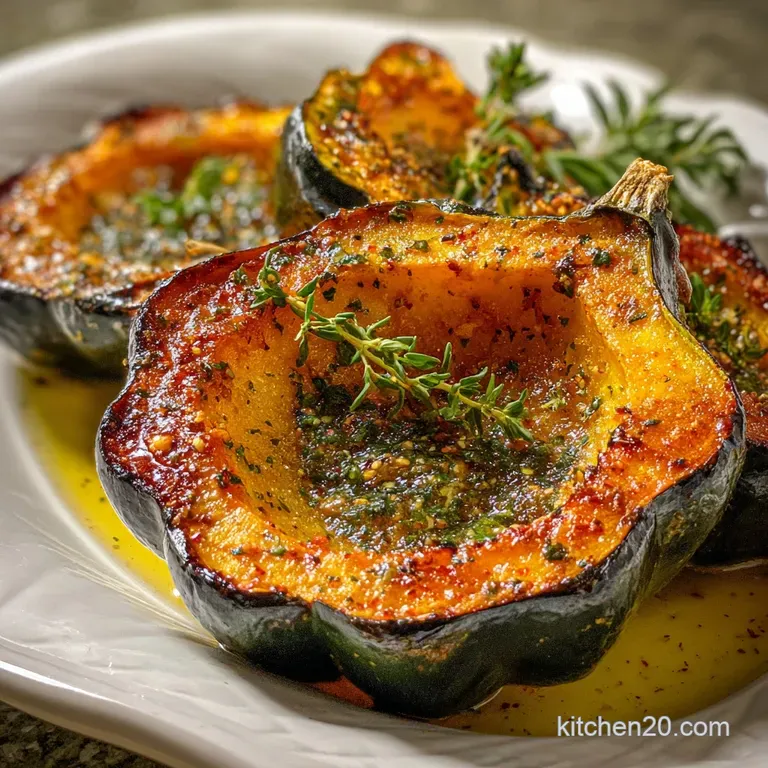
- Preheat the oven. Set your rack to the middle position and crank the heat to 200°C. Note: This high temp is essential for immediate moisture evaporation.
- Prep the squash. Slice the stem off, then cut the squash in half from pole to pole. Use a steady hand and a rocking motion to slice through the thickest part.
- Clean the cavity. Use your serrated spoon to scrape out the seeds and stringy bits until the interior is smooth and pale.
- Create the crescents. Slice each half into 2cm thick wedges. Aim for uniform thickness to ensure they all finish at the same time.
- Emulsify the rub. In a large bowl, whisk the 2 tbsp oil with the salt, pepper, sage, garlic powder, and smoked paprika.
- Apply the coating. Toss the squash wedges in the bowl. Use your hands to massage the spice oil into every ridge and crevice.
- Arrange the platform. Place wedges on the sheet pan, leaving at least 2cm of space between each. Listen for the faint sizzle as they touch the pan.
- Roast to perfection. Bake for 35 minutes, flipping halfway through. Cook until the edges are dark mahogany and the center is soft when pierced with a fork.
- Final touch. Remove from the oven and immediately sprinkle with the fresh parsley. The residual heat will wake up the herb's aroma.
Practical Solutions for Common Roasted Squash Challenges
Even with a perfect plan, variables like oven calibration or squash hydration can throw a wrench in the works. The most common complaint I hear is about "sogginess." Usually, this is a ventilation issue.
If you crowd the pan, the squash releases steam that gets trapped between the slices, effectively boiling the vegetable instead of roasting it.
Why Your Squash Isn't Browning
If your wedges look pale and sad after 20 minutes, check your oil distribution. Oil is the heat conductor; without it, the surface temperature of the squash won't rise high enough to caramelize.
Also, make sure you aren't using a silicone mat if you want maximum crispiness roasting directly on the metal (or parchment) provides better heat transfer.
| Problem | Root Cause | Solution |
|---|---|---|
| Tough Skin | Underripe squash | Roast for an extra 5-10 mins at a lower temp (180°C). |
| Burnt Spices | Spices not fully oiled | Ensure the rub is a wet paste before applying to the squash. |
| Uneven Cooking | Wedges sliced too thick | Aim for 2cm slices; thinner wedges cook faster and crisper. |
Common Mistakes Checklist
- ✓ Always pat the squash dry with a paper towel after washing to remove surface moisture.
- ✓ Don't skip the "flip" the side touching the pan gets the best caramelization.
- ✓ Avoid using "light" olive oil; the flavor of Extra Virgin is part of the seasoning profile.
- ✓ Make sure your oven is actually at 200°C before the pan goes in; use an oven thermometer to verify.
Inclusive Adaptations for a Global Cooking Community
Cooking is about connection, which means making sure everyone at the table can enjoy the meal. This savory acorn squash recipe is naturally gluten-free and vegetarian, but we can easily pivot it to fit other needs.
If you're hosting someone on a strict Paleo or Whole30 diet, this recipe is already a win. For a vegan twist, just ensure your olive oil is high-quality, as you won't be relying on any butter for flavor.
If you want to add a bit of "connected" crunch, toss some pumpkin seeds (pepitas) onto the pan during the last 5 minutes of roasting.
| Original Ingredient | Substitute | Why It Works |
|---|---|---|
| EVOO | Avocado Oil | Higher smoke point; very neutral flavor profile. |
| Dried Sage | Dried Thyme | Similar earthy vibe but slightly more floral/minty. |
| Kosher Salt | Tamari (1 tsp) | Adds a deep, fermented umami kick. Note: Color will be darker. |
If you are cooking for a crowd, remember that acorn squash shrinks significantly as it loses water in the oven. For 8 people, you'll need 4 medium squashes and two sheet pans. Do not try to jam them all onto one pan, or you'll lose that beautiful "shatter" on the skin and end up with a tray of steam.
How to Store and Keep Fresh for Zero Waste
Leftover roasted squash is a gift to your future self. It stays delicious in the fridge for up to 4 days. I love to cold chop the leftovers and throw them into a massaged kale salad the squash acts almost like a creamy dressing as it breaks down.
To reheat, avoid the microwave if you want to keep the texture. A quick 5 minute blast in a 200°C air fryer or a hot skillet will revive those crispy edges. For freezing, it's best to puree the roasted flesh first.
Frozen roasted wedges tend to get a bit "mealy" when thawed, but a frozen squash puree is a perfect platform for a quick soup or a revolutionary addition to pancake batter.
Zero Waste Tip: Don't throw away the seeds! Rinse them, pat them dry, and roast them with a little salt and smoked paprika for 15 minutes at 160°C. They are a nutrient dense snack that connects you to the whole plant.
Strategic Pairings for a Revolutionizing Meal Presentation
Plating is where we bridge the gap between "home cook" and "chef." I like to think of it in three levels of connectivity. Each level uses the same base recipe but changes the visual narrative.
| Plating Level | Key Addition | Visual Impact |
|---|---|---|
| Simple | Large Platter | Rustic, family style abundance. |
| Polished | Pomegranate Seeds | High contrast color and acidic "pop." |
| Restaurant | Whipped Feta Base | Creamy white platform for the dark gold squash. |
Achieving the "Restaurant" Look
To really wow your community, spread a thick layer of whipped feta or Greek yogurt on a flat plate. Arrange the squash crescents in a tight, overlapping spiral on top. Drizzle with a tiny bit of extra oil and a flourish of the fresh parsley.
The contrast between the cold, tangy base and the warm, savory squash is absolutely revolutionizing for the palate.
Debunking Squash Myths
One common myth is that you have to peel acorn squash. This is a total waste of time! The skin is completely edible and actually provides a necessary structural "snap" to the dish. Another misconception is that squash needs sugar.
By using smoked paprika and sage, we highlight the natural sweetness of the vegetable through contrast rather than burying it under syrup.
Finally, don't believe that "bigger is better." Huge acorn squashes often have a higher water content and less concentrated flavor. Stick to the medium sized ones (around 1kg) for the most velvety results and the most connected cooking experience.
Now, get that oven preheated it’s time to revolutionize your harvest table.
Recipe FAQs
What's the best way to prepare acorn squash?
Halve, seed, and roast cut-side down in high heat. This allows the natural sugars to caramelize into a sweet glaze. You can also slice into wedges for easier handling and more surface area for crisping.
What to season acorn squash with?
Savory herbs and spices are ideal. Think sage, rosemary, garlic powder, smoked paprika, salt, and pepper. A touch of brown sugar or maple syrup is optional but not necessary; the squash is naturally sweet.
Do you need to peel acorn squash before cooking?
No, the skin is edible and delicious when cooked. It softens considerably and adds a pleasant texture contrast to the tender flesh. Peeling is a tedious step that can be skipped entirely.
Do you bake squash face up or down?
For maximum caramelization, bake cut-side down. This allows the moisture released from the squash to pool and create a sweet, syrupy glaze. For wedges, a single layer on the pan promotes even crisping.
How do you cut a hard acorn squash?
Stabilize and saw with a sharp knife. Pierce the squash a few times with a fork and microwave for 1-2 minutes to soften slightly, then cut from stem to bottom with a heavy chef's knife, using a rocking motion.
Can I cook acorn squash without roasting?
Yes, steaming or boiling are options, but roasting is superior. Steaming yields very soft flesh, ideal for purees like in How to Make Smooth Butternut Squash Soup in 45 Minutes: A Cozy Autumn Delight, but lacks the caramelization that roasting provides.
What is the best temperature to roast acorn squash?
High heat, around 200°C (400°F), is ideal. This temperature promotes quick cooking, allowing the exterior to crisp up and caramelize while the interior becomes tender and creamy. If you enjoyed mastering this temperature precision, apply it to our How to Cook Flank Steak Pan-Seared for Medium Rare for perfectly seared results.
Cook Acorn Squash
Ingredients:
Instructions:
Nutrition Facts:
| Calories | 151 kcal |
|---|---|
| Protein | 1.9 g |
| Fat | 7.2 g |
| Carbs | 23.4 g |
| Fiber | 3.5 g |
| Sugar | 0.1 g |
| Sodium | 582 mg |
