Creamy Scrambled Eggs with Cheese
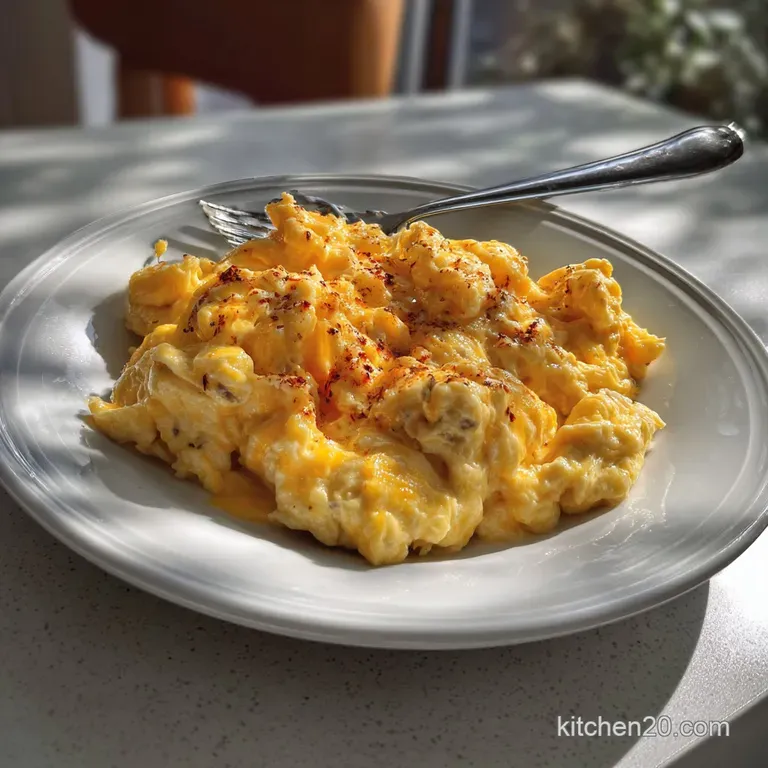
- Time: Active 2 minutes, Passive 5 minutes, Total 7 minutes
- Flavor/Texture Hook: Silky, custardy curds with a rich, tangy finish
- Perfect for: Slow weekend brunches or a high protein, indulgent morning meal
- Mastering Creamy Scrambled Eggs with Cheese
- Science of the Perfect Curd
- Analyzing Each Key Component
- Tools for Precision Cooking
- Step by Step Method
- Solving Common Texture Issues
- Adjusting Portion Sizes
- Debunking Breakfast Misconceptions
- Sustainability and Leftovers
- Plating and Presentation Levels
- Recipe FAQs
- 📝 Recipe Card
Nothing quite matches the gentle hiss of butter hitting a warm pan as you prepare a breakfast that feels like a warm embrace. If you have ever been disappointed by dry, rubbery curds that resemble yellow sponges, this approach is the revolution you need.
We are moving away from over high heat rushing and embracing a more connected, mindful way of cooking that prioritizes texture over speed.
The secret lies in the marriage of cold dairy and low thermal energy. I remember the first time I swapped over high heat frying for this gentle method, it was a total revelation for my morning routine. Honestly, once you experience the silkiness of these curds, you will never go back to the "fast and hot" method again.
It is about creating a platform for the eggs to shine without being stressed by the pan.
We are going to use a specific technique that involves folding in cold cream cheese at the very end. This not only stops the cooking process instantly but also creates pockets of melted richness that dance across the palate. Let's get into the mechanics of how to make these the best eggs you have ever served.
Mastering Creamy Scrambled Eggs with Cheese
Controlling Protein Coagulation
Temperature Management: Keeping the heat low prevents the egg proteins from tightening too quickly and squeezing out moisture. This ensures the final result stays velvety rather than weeping water on the plate.
Emulsifying with Cold Fats
Lipid Integration: Adding cold heavy cream and butter early on creates a stable emulsion that coats the proteins. This interference prevents the "rubbery" bond from forming between the egg whites and yolks.
Halting the Carryover Cook
Thermal Shock: Folding in cold cream cheese at the end drops the temperature of the pan immediately. This technique ensures the eggs finish at the exact point of custardy perfection without drying out.
Science of the Perfect Curd
The interaction between lipids and proteins determines whether your breakfast is a success or a struggle. By introducing fats like butter and heavy cream before the heat is applied, we are effectively insulating the egg proteins. This is similar to the technique used in our Cheesy Scrambled Eggs recipe.
| Component | Science Role | Pro Secret | ||||
|---|---|---|---|---|---|---|
| Pasture Raised Eggs | Protein Structure | Use room temp for better whisking | ||||
| Cold Heavy Cream | Lipid Interference | Whisk until no streaks remain | ||||
| Unsalted Butter | Emulsification | Add to cold pan for slow melt | ||||
| Cream Cheese | Temperature Control | Keep it cold until the final fold | Feature | Fast Method | Classic Method | |
| --------- | ------------- | ---------------- | ||||
| Heat Level | High/Aggressive | Low/Gentle | ||||
| Cook Time | 2 minutes | 5 minutes | ||||
| Final Texture | Firm and bouncy | Custardy and velvety |
Analyzing Each Key Component
For this recipe, we need specific elements to ensure the texture remains consistent. I prefer using a Lodge Non Stick Skillet because the heat distribution is incredibly even, which is vital for preventing hot spots.
- 4 large pasture raised eggs: These provide a deeper flavor and more orange yolk. Why this? Higher fat content in the yolk leads to a richer mouthfeel.
- 1 tbsp cold heavy cream: This thins the proteins slightly for a softer curd. Why this? Prevents the eggs from becoming too dense or tough.
- 1 tbsp high-quality unsalted butter: I recommend Kerrygold for its high butterfat. Why this? Control over salt levels allows for better seasoning precision.
- 2 tbsp cream cheese: Use full fat Philadelphia for the best melt. Why this? Adds a tangy counterpoint to the rich egg yolks.
- 1 tsp freshly snipped chives: Provides a mild onion aroma without the crunch. Why this? Breaks up the richness with a hit of freshness.
- 1 pinch kosher salt: Use Diamond Crystal for even coverage. Why this? Flaky texture dissolves quickly into the raw egg mixture.
- 1 pinch freshly cracked black pepper: Grind it fresh for the most impact. Why this? Pre ground pepper loses its aromatic oils too quickly.
| Original Ingredient | Substitute | Why It Works |
|---|---|---|
| Heavy Cream | Whole Milk | Lighter result; less fat but still provides necessary hydration. |
| Cream Cheese | Goat Cheese | Adds a sharp, earthy funk. Note: Does not melt as smoothly. |
| Unsalted Butter | Ghee | Higher smoke point but lacks the milk solids for browning flavor. |
Tools for Precision Cooking
To achieve the best results, you need a few specialized items. A silicone spatula is non negotiable here. You need to be able to sweep the bottom of the pan continuously without scratching the surface.
I also find that a stainless steel balloon whisk incorporates more air into the eggs, making them fluffier before they even hit the heat.
If you are looking to expand your egg skills further, you might enjoy learning How To Make recipe for hard boiled versions, which requires a completely different approach to heat. But for these creamy curds, it is all about the "low and slow" philosophy.
Chef's Note: Freeze your butter for 10 minutes before adding it to the pan. This delayed melting point allows the eggs to begin setting before the fat fully integrates, creating a more layered flavor.
step-by-step Method
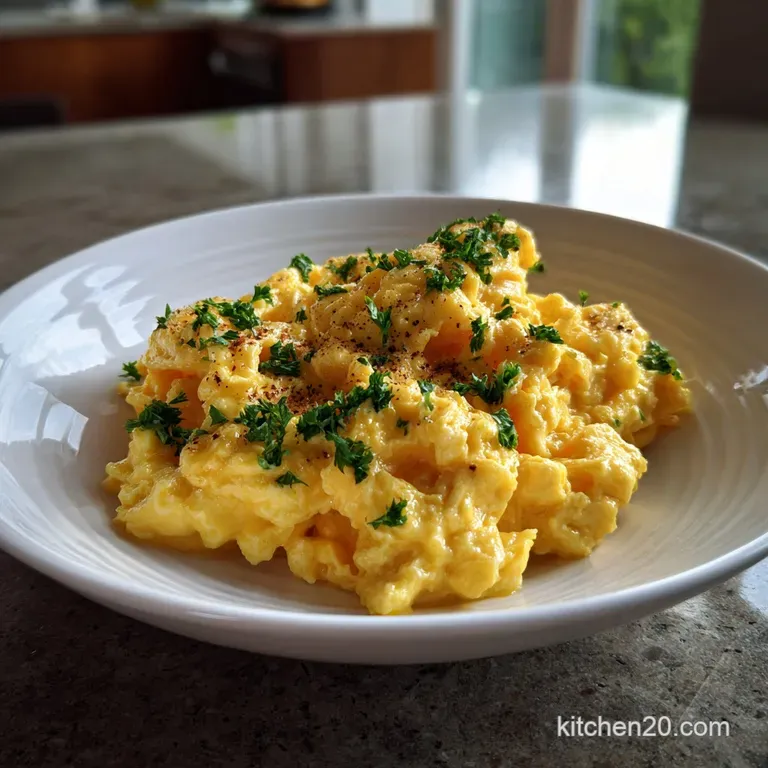
Whisking for Complete Integration
- Crack the 4 large eggs into a medium glass bowl.
- Add the 1 tbsp cold heavy cream and a pinch of salt.
- Whisk vigorously for about 30 seconds until the mixture is one solid color with no clear streaks. Note: This breaks the protein bonds for a uniform cook.
Mastering the Pan Temperature
- Place 1 tbsp unsalted butter in a cold non stick pan.
- Turn the heat to low medium and let the butter melt until it begins to foam slightly but does not brown.
Sweeping the Curds
- Pour the egg mixture into the center of the pan.
- Wait 20 seconds until the edges start to turn opaque and set.
- Using your spatula, push the cooked edges toward the center in long, sweeping motions.
Folding in the Cheese
- Continue sweeping for 3 to 4 minutes until the eggs look like wet custard but are no longer liquid.
- Remove the pan from the heat immediately.
- Dot the surface with 2 tbsp cold cream cheese.
- Gently fold the cheese into the eggs until it is partially melted but still visible in small pockets.
- Sprinkle with 1 tsp chives and freshly cracked pepper before serving.
Solving Common Texture Issues
Why Your Eggs Weep
Sometimes you finish your plate and find a puddle of water at the bottom. This is usually because the heat was too high, causing the proteins to tighten into a "net" that squeezes out the liquid. It's frustrating, but easily fixed.
Fixing a Dry Texture
If the eggs look matte and dull, they are overcooked. The carryover heat from the pan continues to cook the eggs even after you turn off the stove. This is why we add the cold cream cheese it acts as a heat sink.
| Problem | Cause | Fix | Pro Tip |
|---|---|---|---|
| Rubbery Texture | High Heat | Lower the flame to the minimum setting. | Pull the pan off the heat every 30 seconds to regulate. |
| Grainy Curds | Over whisking in pan | Use long, slow sweeps instead of fast stirring. | Think "folding" rather than "scrambling." |
| Grayish Color | Cast iron reaction | Use a high-quality non stick or ceramic pan. | Avoid using metal utensils which can scrape the pan. |
Adjusting Portion Sizes
Scaling Down
If you are cooking for one, use 2 eggs and half of all other ingredients. Reduce the cook time by about 25%. I recommend using a smaller 8 inch pan to ensure the eggs aren't spread too thin, which leads to instant overcooking.
Scaling Up
For a crowd of four, double the recipe. However, do not double the salt immediately; start with 1.5x and adjust at the end. Use a larger pan to maintain a shallow layer of egg, and work in batches if your stove cannot maintain a consistent low heat across a massive surface.
Debunking Breakfast Misconceptions
One of the biggest myths is that you should salt eggs only at the very end. Actually, salting the eggs about 15 minutes before cooking (or even right before whisking) acts as a buffer for the proteins. It helps them stay tender.
If you wait until the end, the salt just sits on the surface rather than seasoning the interior of the curd.
Another misconception is that "scrambled" means you have to constantly stir. If you stir too fast, you end up with tiny, fragmented bits of egg. For the best Creamy Scrambled Eggs with Cheese, you want large, billowy folds.
Let the eggs sit for a few seconds between sweeps to allow the base to stabilize.
Sustainability and Leftovers
- Storage: These are best eaten immediately. However, you can store leftovers in an airtight container in the fridge for up to 2 days.
- Reheating: Do not use the microwave; it will turn them into rubber. Instead, place them in a small pan with a teaspoon of water or milk over low heat, stirring constantly until just warmed through.
- Zero Waste: Save your eggshells! Crush them up and add them to your garden soil for a calcium boost, or use leftover chive stems to flavor a quick herb butter for tomorrow's toast.
Plating and Presentation Levels
Simple Home Style
Serve the eggs directly onto a thick slice of buttered sourdough. It is honest, fast, and satisfying. This is the "connected" meal we often share on busy Tuesday mornings.
The Polished Look
Use a warmed plate (run it under hot water for a minute). Ring the eggs with a drizzle of extra virgin olive oil and a few extra chive blossoms. The warmth of the plate prevents the fats in the eggs from seizing up while you eat.
Restaurant Quality Finish
Place a ring mold on the plate and fill it with the eggs for a structured look. Top with a pinch of Maldon sea salt and perhaps a small dollop of trout roe. This is the "revolutionizing" way to present a simple ingredient as a high end delicacy.
| Level | Prep Tweak | Garnish | Vessel |
|---|---|---|---|
| Simple | Straight from pan | Extra pepper | Standard ceramic plate |
| Polished | Sifted chives | Micro greens | Wide shallow bowl |
| Restaurant | Truffle oil drizzle | Edible flowers | Matte slate platter |
If you find yourself with extra eggs, you might want to try this My Go To Deviled recipe for your next gathering. But for now, focus on the pan. The sizzle should be a whisper, not a shout. When the curds look like they are almost done, that is exactly when you pull them. Trust the process, and you will be rewarded with a breakfast that is truly transformative.

Recipe FAQs
How to make creamy scrambled eggs with cheese?
Yes, the key is low heat and adding cold dairy at the end. Gently cook the eggs over low heat while constantly sweeping them with a spatula until they resemble wet custard. Remove from the heat and fold in cold cream cheese to stop the cooking instantly and maximize creaminess.
How to make creamy scrambled eggs with cottage cheese?
It is possible, but not ideal for maximum silkiness. Cottage cheese curds are already formed and may not fully melt into the egg, resulting in a lumpier texture rather than the desired uniform creaminess. For a smoother blend, I suggest sticking to cream cheese or heavy cream, similar to the binding technique used in our Sausage Balls: The Ultimate Cheesy Appetizer Guide for binding mixtures.
How to make creamy scrambled eggs with cream cheese?
Yes, this is the recommended method for rich texture. Use full fat cream cheese and ensure it is cold, cutting it into small cubes or dollops. Fold the cold cheese in immediately after removing the eggs from the heat to create pockets of melted richness that prevent overcooking.
How to make scrambled eggs with cream cheese?
You incorporate the cream cheese at the very end of the cooking process. After the eggs are almost set and have reached a wet custard stage, pull the pan off the burner and fold the cold cream cheese into the residual heat.
This method uses thermal shock to halt coagulation while melting the cheese slightly.
How to make fluffy scrambled eggs with cream cheese?
Yes, whisking with heavy cream before cooking ensures fluffiness alongside richness. Whisk your eggs and cream until they are pale yellow and smooth before adding them to the low-heat pan. The combination of aeration from whisking and the fat from the cream cheese creates soft, billowy curds.
Should I add the cheese while the eggs are cooking on the stove?
No, avoid adding the cheese while on the heat source if you want maximum creaminess. Adding cold cream cheese directly to the hot eggs causes it to melt unevenly or sometimes seize up before fully integrating. For perfect texture control, mastering temperature management is key; if you enjoy precise temperature application, see how that same control is crucial for making a stable custard in the Foolproof Classic Tiramisu Recipe Creamy Rich Italian Dessert.
What is the secret to preventing rubbery scrambled eggs?
The secret is rigorously controlling the heat and cooking low and slow. High heat forces the egg proteins to tighten too rapidly, squeezing out essential moisture, which results in a rubbery texture.
Continuously sweeping the eggs and pulling the pan off the burner periodically keeps the temperature consistent.
Creamy Cheese Eggs Recipe
Ingredients:
Instructions:
Nutrition Facts:
| Calories | 271 kcal |
|---|---|
| Protein | 13.8 g |
| Fat | 23.0 g |
| Carbs | 1.7 g |
| Fiber | 0.1 g |
| Sugar | 1.2 g |
| Sodium | 225 mg |
