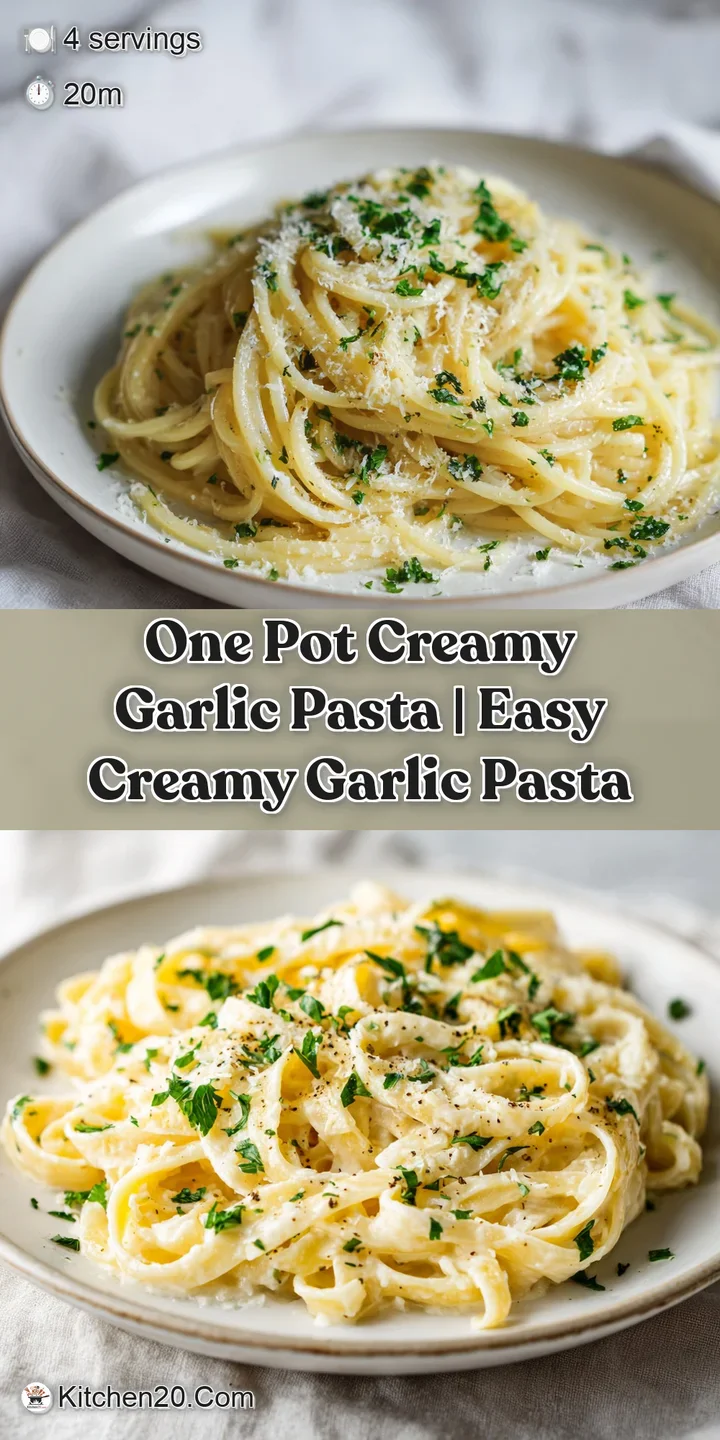
One Pot Creamy Garlic Pasta: Silky & Quick
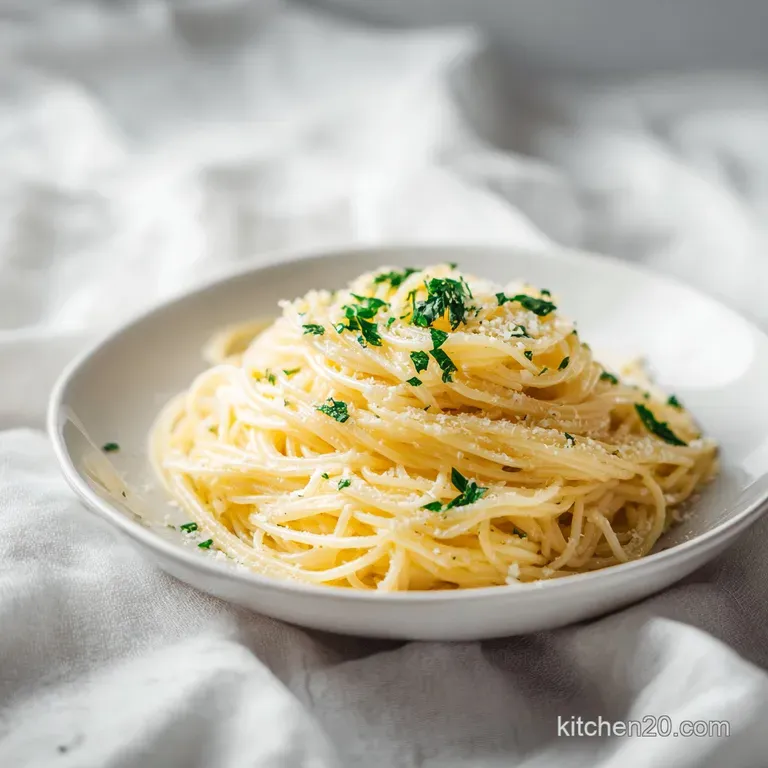
- Time: Active 5 mins, Passive 15 mins, Total 20 mins
- Flavor/Texture Hook: Silky, pungent, and buttery with a sharp parmesan finish.
- Perfect for: High speed weeknight dining or a cozy connected dinner for two.
- Master One Pot Creamy Garlic Pasta
- The Architecture of One Pot Starch
- Core Recipe Performance Data
- Primary Flavor Building Blocks
- Necessary Kitchen Hardware
- Standard Operating Procedures
- Refined Techniques and Common Errors
- Alternative Ingredients and Variations
- Maintenance and Restoration Guidelines
- Strategic Culinary Partnerships
- Flavor Dynamics: Fresh vs Shortcut
- Kitchen Myths Debunked
- Recipe FAQs
- 📝 Recipe Card
Master One Pot Creamy Garlic Pasta
Picture this: you’ve just finished a long day of work, your digital notifications are finally silent, and you want something that feels like a hug in a bowl but doesn't require a mountain of cleanup. I remember the first time I tried making this. I was skeptical.
Putting dry pasta into cold liquid felt like a culinary sin, but the moment that sizzle of garlic hit the butter, I knew I was onto something revolutionizing.
The aroma that fills the kitchen is purely intoxicating the kind that brings everyone to the table without you having to say a word. It’s about building a connection through a shared, simple experience.
We’re taking basic pantry staples and using a bit of kitchen technology heat and starch to create a meal that rivals any high end bistro.
This isn't just a meal; it's a solution for the modern, busy life. We've all been there, staring at a box of pasta and wondering if we have the energy for a multi step sauce. This one pot creamy garlic pasta recipe is my answer to that Tuesday night slump.
It’s fast, it’s reliable, and it’s genuinely satisfying to watch the liquid transform into a glossy, velvety coating.
The Architecture of One Pot Starch
- Starch Suspension: Simmering pasta directly in the sauce allows amylose molecules to leach out, creating a natural thickener that prevents the cream from breaking.
- Flavor Infusion: Because the linguine absorbs broth instead of plain water, the pasta itself becomes seasoned from the inside out.
- Emulsification Stability: The combination of dairy fats and pasta starch creates a connected molecular structure that holds the sauce together even as it cools.
- Garlic Mellowing: Gently poaching the garlic in the simmering liquid removes the harsh bite, leaving behind a nutty, sweet profile.
| Method | Time | Texture | Best For |
|---|---|---|---|
| Stovetop (Standard) | 15 mins | Silky and glossy | Quick weeknight meals |
| Instant Pot | 6 mins | Very soft and tender | Maximum speed/Minimum effort |
| Slow Cooker | 2 hours | Thick and heavy | Large batch prep |
Choosing the right method depends on your available bandwidth. While the stovetop offers the most control over the final texture, the Instant Pot is revolutionizing how we handle busy evenings.
Most people find the stovetop version provides the most velvety finish because you can see the emulsion happening in real time.
Core Recipe Performance Data
Success in the kitchen often comes down to precision. We aren't just tossing things in a pan; we're managing a series of thermal reactions. To ensure your one pot creamy garlic pasta turns out consistent every time, pay attention to the liquid levels.
If the heat is too high, the liquid evaporates before the pasta softens.
| Component | Role | Pro Secret |
|---|---|---|
| Unsalted Butter | Fat Carrier | Use European style butter for higher fat content and less water. |
| Heavy Cream | Body & Mouthfeel | Never swap for skim milk; the fat is necessary for the emulsion. |
| Parmesan Cheese | Salinity & Grip | Grate it yourself from a wedge to avoid the grainy anti clumping agents. |
| Chicken Broth | Flavor Foundation | Use low sodium to control the final salt concentration precisely. |
When the garlic hits the butter, you’re looking for a pale golden color. If it turns dark brown, it becomes bitter and will ruin the delicate balance of the cream. Think of the garlic as the heartbeat of the dish it needs to be present but not aggressive.
Primary Flavor Building Blocks
The beauty of this easy one pot creamy garlic pasta lies in the quality of these few ingredients. Since there's nowhere to hide, using fresh garlic and high-quality cheese makes a massive difference. You'll need:
- 2 tbsp Unsalted Butter Why this? Provides the fat base for sautéing aromatics.
- 6 cloves Garlic, finely minced (approx. 2 tablespoons) Why this? The primary aromatic driver of the entire dish.
- 1/2 tsp Red Pepper Flakes Why this? Adds a subtle back end heat to cut through the fat.
- 1 lb Dry Linguine or Fettuccine Why this? Flat surfaces hold onto the creamy sauce better than round pasta.
- 3 cups Low Sodium Chicken Broth Why this? The main cooking liquid that seasons the pasta.
- 1.5 cups Heavy Cream Why this? Creates the signature velvety texture.
- 1/2 tsp Kosher Salt Why this? Enhances all other flavor profiles.
- 1/2 tsp Freshly Cracked Black Pepper Why this? Adds a woody, pungent contrast to the cream.
- 1 cup Freshly Grated Parmesan Cheese Why this? Melts into the sauce for thickness and umami.
- 2 tbsp Fresh Italian Parsley, chopped Why this? Provides a necessary herbal brightness.
- 1 tsp Lemon Zest Why this? The acid cuts through the richness of the heavy cream.
| Original Ingredient | Substitute | Why It Works |
|---|---|---|
| Heavy Cream | Full fat Coconut Milk | Similar viscosity. Note: Adds a distinct nutty flavor. |
| Chicken Broth | Vegetable Broth | Maintains the liquid ratio for vegetarian needs. |
| Linguine | gluten-free Pasta | Brown rice pasta holds up best in one pot methods. |
Necessary Kitchen Hardware
You don't need a high tech lab to make this, but the right vessel is non negotiable. A wide, high sided skillet is the hero here. It provides enough surface area for the pasta to lay flat but enough depth to hold the liquid without splashing over.
I prefer a heavy bottomed stainless steel pan or a Dutch oven for even heat distribution.
Using a thin, cheap pot often leads to hot spots where the pasta sticks and burns to the bottom. A silicone spatula or a pair of tongs is also essential for moving the noodles around as they soften. You want to be able to gently tease the strands apart so they don't clump into a single starchy mass.
Standard Operating Procedures
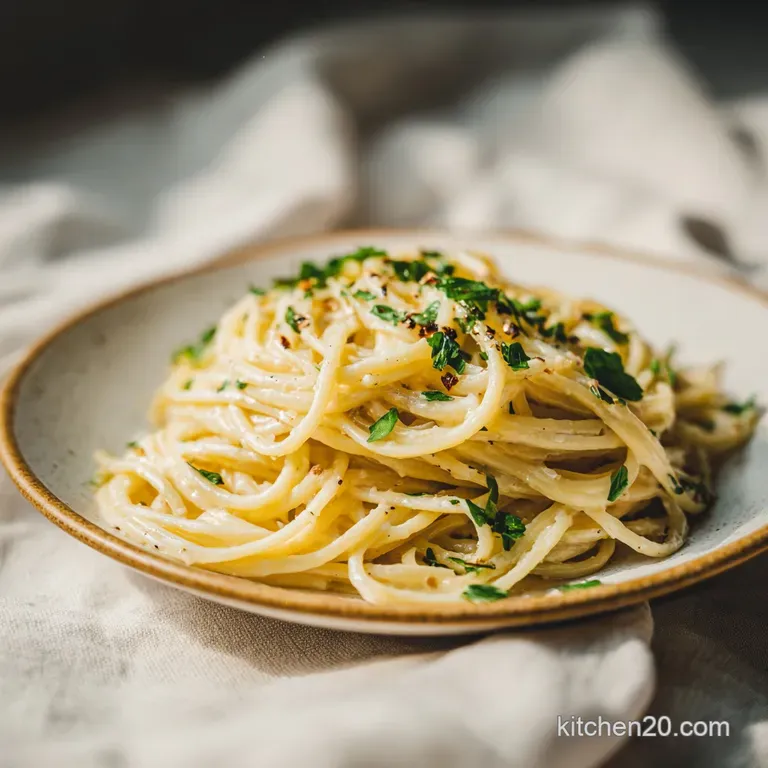
- Melt the 2 tbsp Unsalted Butter in a large skillet over medium heat until it begins to foam.
- Add the 6 cloves of minced garlic and 1/2 tsp red pepper flakes. Note: Sauté for exactly 60 seconds to release the oils without burning.
- Pour in the 3 cups chicken broth, 1.5 cups heavy cream, 1/2 tsp salt, and 1/2 tsp black pepper.
- Place the 1 lb dry linguine into the pan, pressing down until the liquid covers the noodles.
- Bring the mixture to a gentle boil, then immediately reduce the heat to medium low.
- Simmer for 10-12 minutes, stirring frequently with tongs until the pasta is al dente and the liquid has reduced by half.
- Turn off the heat. This is similar to the resting stage in a Creamy Dreamy Simple recipe where the sauce thickens as it sits.
- Stir in the 1 cup grated Parmesan cheese, tossing vigorously until the sauce is glossy and clings to the pasta.
- Add the 2 tbsp parsley and 1 tsp lemon zest.
- Let the dish rest for 3 minutes before serving to allow the emulsion to fully set.
Starch and Liquid Equilibrium
The ratio of liquid to pasta is the most critical variable. If you find the liquid is disappearing too fast, don't be afraid to add a splash more broth. The goal is a sauce that looks slightly too thin while the heat is on, as it will thicken significantly the second you add the cheese and kill the flame.
Achieving Proper Emulsification
To get that restaurant style sheen, you need to work the Parmesan into the sauce while the pasta is still very hot but the burner is off. This prevents the proteins in the cheese from tightening up and becoming rubbery. You’re looking for a smooth, unified coating that looks like liquid silk.
Refined Techniques and Common Errors
The biggest mistake I ever made was walking away from the pan. Because this is a one pot method, the starch is concentrated. If you don't stir, the pasta will fuse together like a brick. You need to be present, gently moving the noodles to ensure every inch is bathed in that garlic infused liquid.
Another pitfall is using pre shredded cheese. Those bags of cheese are coated in potato starch or cellulose to keep them from sticking together in the package. That same coating will prevent the cheese from melting smoothly into your sauce, leaving you with a grainy, sandy texture that is far from velvety.
Correcting Sauce Texture
If your sauce looks broken or oily, it usually means the heat was too high. You can often save it by adding a tablespoon of very hot broth and whisking it back together.
| Problem | Root Cause | Solution |
|---|---|---|
| Crunchy Pasta | Heat too high/evaporation | Add 1/4 cup warm broth and cover for 2 mins. |
| Grainy Sauce | Pre shredded cheese | Use a microplane to grate fresh Parmesan next time. |
| Clumpy Noodles | Insufficient stirring | Stir vigorously in the first 3 mins of simmering. |
Common Mistakes Checklist
- ✓ Never rinse your pasta; we need every bit of that starch for the sauce.
- ✓ Ensure the garlic is minced finely, not crushed, for even distribution.
- ✓ Use a pan that is at least 12 inches wide to accommodate the length of the noodles.
- ✓ Don't add the cheese while the liquid is at a rolling boil.
- ✓ Season with salt at the end only after tasting, as the broth and cheese are salty.
Alternative Ingredients and Variations
This one pot creamy garlic pasta easy method is a fantastic base for experimentation. If you're feeling like you need a bit more color, tossing in a handful of baby spinach at the very end will wilt it perfectly into the heat of the sauce. It's a great way to sneak in some greens without extra prep work.
For those who want to add a protein boost, I often sear some shrimp or chicken strips in the pan first, remove them, and then proceed with the recipe. Toss the cooked protein back in at the end to warm through. It keeps the meal connected in one pan while making it feel much more substantial.
Integrating Supplemental Proteins
- Shrimp: Sauté in butter for 2 mins per side before starting the sauce.
- Chicken: Use thinly sliced breasts and brown them thoroughly for flavor.
- Mushrooms: Sauté with the garlic for an earthy, savory depth.
gluten-free Adaptation
If you are using gluten-free noodles, keep a close eye on the cook time. They often go from hard to mushy in about 60 seconds. I recommend checking the texture 2 minutes before the package directions suggest.
You might also need slightly less liquid as GF pasta doesn't always absorb as much as traditional semolina.
Maintenance and Restoration Guidelines
Leftover one pot creamy garlic pasta parmesan pasta is a treasure, but it requires a specific touch to reheat. Because the starch continues to absorb moisture, the noodles will likely be quite dry the next day. This is a natural part of the process and nothing to worry about.
Store your leftovers in an airtight container in the fridge for up to 4 days. I don't recommend freezing this specific dish; the heavy cream and Parmesan emulsion tends to separate and become "mealy" once thawed and reheated. Fresh is definitely best here.
Reheating Techniques
To revive the silky texture, place the pasta in a skillet over low heat. Add a splash of broth or a tablespoon of milk. Cover and let it steam for 2 minutes, then stir gently. This re hydrates the starch and brings the sauce back to life without making the pasta mushy.
Avoid the microwave if possible, as it tends to heat unevenly and can make the oil separate from the cream.
Zero Waste Tips
If you have leftover Parmesan rinds, don't throw them away! Toss them into the pan while the pasta is simmering. They release incredible amounts of umami into the broth. Just remember to fish them out before you serve. Any leftover parsley stems can be kept in the freezer for your next batch of homemade stock.
Strategic Culinary Partnerships
This garlic pasta is quite rich, so you’ll want to pair it with something that offers a crisp, acidic contrast. A simple arugula salad with a sharp lemon vinaigrette is my go to. The peppery bite of the greens cuts right through the heavy cream. If you're looking for more veggies, this Broccoli Pasta Recipe is a great inspiration for how to incorporate greens into a creamy base.
For a more indulgent evening, a piece of crusty sourdough is essential for mopping up any leftover sauce at the bottom of the bowl. It’s all about creating a complete experience that feels intentional and connected. If you’re a fan of deeper, more complex sauces, you might want to try this Roasted Tomato Pasta recipe for a completely different flavor profile.
Level Up the Presentation
| Level | Plating Tweak | Vibe |
|---|---|---|
| Simple | Direct from pan to bowl | Casual weeknight |
| Polished | Twirled with tongs, extra pepper | Date night at home |
| Restaurant | Nested high, micro planed cheese, herb oil | Dinner party |
Optimal Wine Pairings
A high acid white wine is the revolutionizing partner for this dish. Look for a Pinot Grigio or a crisp Sauvignon Blanc. The acidity acts as a palate cleanser, making every bite of the creamy pasta feel fresh. If you prefer red, go for something very light like a Beaujolais, but white is generally the winner here.
Flavor Dynamics: Fresh vs Shortcut
When you're in a rush, it's tempting to reach for the jar of minced garlic or the canned broth. While technology has made these shortcuts available, there is a distinct trade off in the final flavor profile.
| Component | Fresh Version | Shortcut Version | Impact |
|---|---|---|---|
| Garlic | Sharp, aromatic, sweet | Muted, slightly acidic | Fresh garlic provides the "zing" that defines the dish. |
| Parmesan | Nutty, salty, complex | Salty, flat | Freshly grated cheese melts into a smooth sauce; pre grated can be gritty. |
| Lemon | Bright, floral | Tart, one dimensional | Fresh zest provides essential oils that bottled juice lacks. |
Kitchen Myths Debunked
Many people believe you must add oil to the pasta water to keep it from sticking. In reality, this just prevents the sauce from clinging to the noodles. In a one pot dish, the oil would interfere with the starch emulsification we’ve worked so hard to build.
Another common misconception is that you need to rinse pasta to stop the cooking. This is a crime in the one pot world! Rinsing washes away the very starch that makes our sauce velvety. The residual heat will finish the cooking during the resting phase, so just trust the process.
Decision Shortcut
- If you want it extra creamy: Add a dollop of mascarpone or cream cheese at the very end.
- If you want it lighter: Swap half the heavy cream for additional broth and a squeeze of extra lemon.
- If you want it spicy: Sauté the red pepper flakes in the butter for 2 minutes before adding the garlic.
By understanding the science of starch and the importance of high-quality fats, you’re not just making dinner; you’re mastering a technique that will serve you for years to come.
This one pan creamy garlic pasta is a testament to the fact that great food doesn't have to be complicated it just has to be connected to good ingredients and a little bit of kitchen intuition. Enjoy the process, and more importantly, enjoy that first velvety bite!
Recipe FAQs
Can I substitute heavy cream with half and-half or milk?
No, stick to heavy cream. Half and-half or milk lack the necessary fat content to create a stable, rich emulsion with the pasta starch.
How to prevent the sauce from becoming grainy when I add the Parmesan?
Turn off the heat completely before stirring in the cheese. The residual heat is sufficient to melt the Parmesan smoothly; boiling liquid causes the cheese proteins to seize, resulting in graininess.
Is it true I must use freshly grated Parmesan cheese for this recipe?
Yes, grating from a block is critical. Pre-shredded cheese contains anti caking agents like cellulose which actively prevent the sauce from achieving that essential silky, velvety texture.
How to adjust the seasoning if I used salted broth instead of low sodium?
Omit the added salt entirely at the start. Wait until the sauce is fully emulsified, then taste and adjust the salinity right before serving, as Parmesan also contributes significant salt.
How to reheat leftovers without making the sauce oily or dry?
Reheat gently on the stovetop with a splash of liquid. Add one tablespoon of broth or milk per serving and warm over low heat, stirring until the sauce rehydrates and reappears silky.
What is the secret to getting the pasta perfectly cooked in the sauce?
Stir frequently and manage the liquid level diligently. The pasta must cook submerged, absorbing the flavored broth rather than plain water; see how we manage liquid density in the Cheese Sauce Recipe for similar texture control.
How to add a protein component without dirtying a second pan?
Sear the protein first, remove it, then start the sauce base. Sauté shrimp or thinly sliced chicken in the butter, remove them while you bloom the garlic, and toss everything back in right before the final cheese addition.
Creamy Garlic Pasta One Pot
Ingredients:
Instructions:
Nutrition Facts:
| Calories | 885 kcal |
|---|---|
| Protein | 26.3 g |
| Fat | 46.3 g |
| Carbs | 90.5 g |
| Fiber | 3.5 g |
| Sugar | 4.2 g |
| Sodium | 675 mg |
