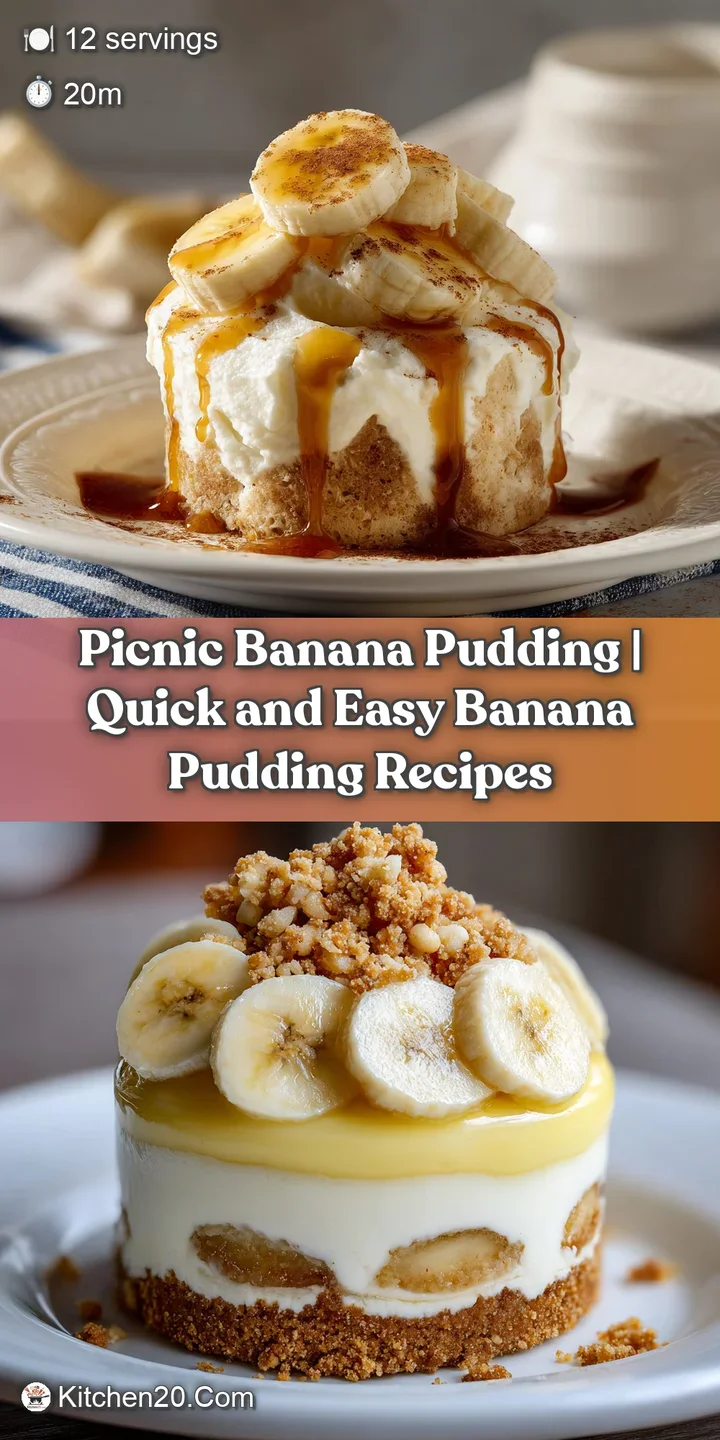
Picnic Banana Pudding: Creamy and Silky
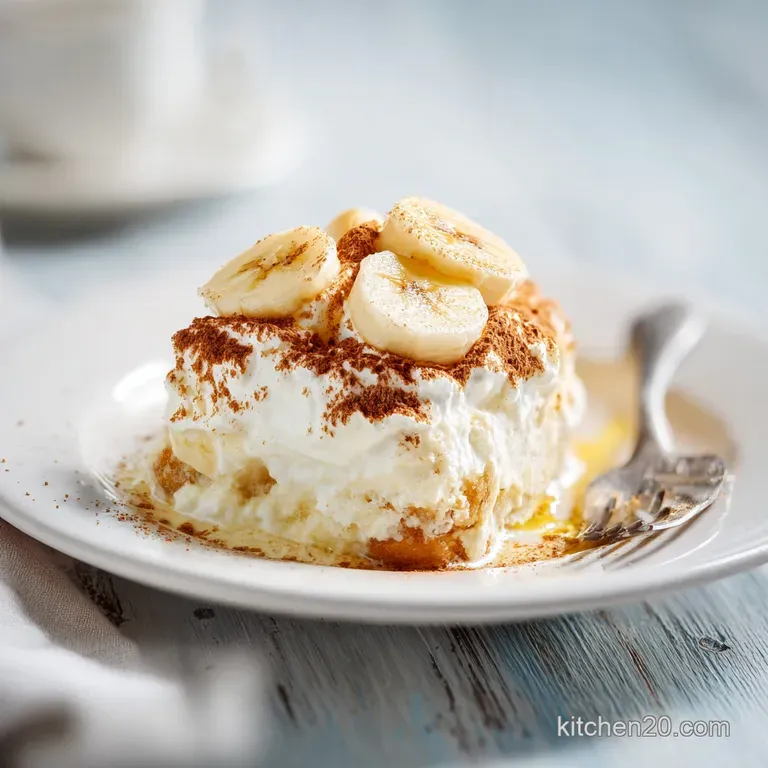
- Time: Active 20 minutes, Passive 4 hours, Total 4 hours 20 minutes
- Flavor/Texture Hook: Silky vanilla mousse paired with wafers that transition from a snap to a tender, cake like crumb.
- Perfect for: High volume meal prep, office potlucks, or an efficient weekend treat.
- Creating the Ultimate Velvety Layered Banana Pudding
- Modern Kitchen Efficiency Meets Classic Southern Comfort Dessert
- Core Metrics for a Flawless Dessert Build
- Component Deep Dive for Superior Structural Integrity
- Streamlining Your Kitchen for High Speed Assembly
- Systematic Layering for the Perfect Texture Contrast
- Navigating Texture Failures and Banana Oxidation Issues
- Customizing Flavors While Maintaining Proper Pudding Stability
- Maximizing Freshness and Reducing Food Waste Systems
- Crafting a Visual Masterpiece with Minimal Effort
- Recipe FAQs
- 📝 Recipe Card
Creating the Ultimate Velvety Layered Banana Pudding
Forget everything you have been told about the "necessity" of standing over a hot stove, frantically whisking egg yolks and praying they don't curdle. Most people assume that a scratch made custard is the only path to a respectable dessert, but that is a myth that limits efficiency in a modern kitchen.
In reality, the most consistent, velvety, and structurally sound version of this dish comes from a smart combination of stabilized fats and rapid set starches. I have seen too many home cooks struggle with watery puddings or "scrambled egg" custards when a streamlined approach yields a superior mouthfeel every single time.
The secret lies in the physics of the "air lock" layer. When we stack these components correctly, we are not just making a mess of cream and fruit, we are creating a controlled environment where the moisture from the pudding migrates into the wafers, transforming them into a texture that mimics a delicate sponge cake.
If you have ever had a version where the cookies were still hard or the bananas turned a depressing shade of grey, it is because the structural seals were broken. We are going to fix that today with a system that prioritizes speed without sacrificing the integrity of the final bite.
We are aiming for a specific sensory experience: the moment your spoon glides through a cloud like mousse, hits a softened wafer that offers just a hint of resistance, and finally meets a sweet, ripe banana slice. This isn't just a "picnic banana pudding" to be tossed together; it is a calculated assembly of textures.
By focusing on streamlining the process with modern appliances and reliable ingredients, we ensure that every serving is identical, from the first scoop to the very last.
Modern Kitchen Efficiency Meets Classic Southern Comfort Dessert
The success of this recipe depends on the interaction between moisture and starch. Unlike a traditional cooked custard, which relies on the coagulation of egg proteins, this method uses a pre gelatinized starch system. This is far more reliable for busy cooks because it eliminates the variable of heat.
When we combine ice cold water with sweetened condensed milk, we create a high solids base that hydrates the pudding mix instantly, resulting in a density that can actually support the weight of the bananas without collapsing into a soupy mess.
Starch Hydration: Using ice cold water allows the instant pudding starches to swell evenly without clumping, creating a velvety base in 120 seconds.
Lipid Stabilization: The addition of a brick of cream cheese introduces a dense fat matrix that prevents the whipped cream from "weeping" or losing its aeration over the 4 hours of chilling.
Moisture Migration: A 4 hours rest period allows the wafers to absorb exactly enough liquid from the pudding to soften into a cake like consistency while the "air lock" of the cream topping prevents oxidation.
Saccharose Balance: Powdered sugar contains a small percentage of cornstarch, which acts as an additional secondary stabilizer for the heavy cream peaks.
| Method Type | Texture Profile | Active Labor | Structural Integrity |
|---|---|---|---|
| Classic Stovetop | Heavy, eggy, dense | 45 minutes | Moderate (prone to weeping) |
| Modern Stabilized | Light, velvety, silky | 20 minutes | High (stays firm for 72 hours) |
| 3 Ingredient Quick | Thin, overly sweet | 10 minutes | Low (collapses quickly) |
The transition from a standard "easy banana pudding recipe" to a master level dessert happens in the folding phase. If you are too aggressive with your movements, you destroy the tiny air bubbles we worked so hard to incorporate into the cream.
We want a mousse that feels substantial on the tongue but light in the tray. This balance is what distinguishes a professional grade dessert from something that looks like a bowl of soup.
Core Metrics for a Flawless Dessert Build
Efficiency in the kitchen requires precision. While many home cooks "eyeball" their ingredients, I have found that following these exact specifications ensures the structural success of the layers. If the pudding is too thin, the wafers will dissolve into mush; if it is too thick, they will remain stubbornly crunchy.
These metrics are designed to create the perfect "snap to cream" ratio that makes this dish iconic.
| Ingredient Component | Science Role | Pro Secret |
|---|---|---|
| Sweetened Condensed Milk | Provides a high sugar, high fat base for the custard. | Use a brand with high milk solid content for a richer mouthfeel. |
| Brick Cream Cheese | Acts as a structural anchor for the whipped mousse. | Must be exactly room temperature to prevent "pearls" of unmixed fat. |
| Vanilla Bean Paste | Delivers concentrated flavor and visual "specks" of luxury. | Sub for extract only if paste is unavailable, but reduce water by 5ml. |
| Instant Vanilla Pudding | Provides the rapid set starch network for the filling. | Whisk for 2 full minutes to ensure every starch granule is hydrated. |
When you are preparing for a crowd, it helps to think of this as a "picnic dessert idea" that needs to travel well. Because we use a stabilized mousse, this pudding can sit in a cooler or on a buffet table far longer than a traditional whipped cream version.
The cream cheese creates a "memory" in the foam, allowing it to hold its shape even as it approaches room temperature. This is the difference between a dessert that looks great for five minutes and one that looks great until the last person is served.
Component Deep Dive for Superior Structural Integrity
For this recipe, you will need to gather your elements before you begin. Efficiency is key here - don't start whisking until everything is measured and on the counter.
- 14 oz (397g) sweetened condensed milk: This is our primary sweetener and thickener.
- 1.5 cups (355ml) ice cold water: Must be frigid to ensure the pudding sets rapidly.
- 5.1 oz (144g) instant vanilla pudding mix: Ensure it is the "instant" variety, not "cook and serve."
- 8 oz (226g) brick cream cheese: Must be softened to a spreadable consistency.
- 3 cups (710ml) heavy whipping cream: Keep this in the back of the fridge until the second you need it.
- 0.5 cup (60g) powdered sugar: Sift this if it looks lumpy.
- 1 tsp (5ml) vanilla bean paste: For that deep, aromatic punch.
- 11 oz (312g) vanilla wafers: Nilla Wafers are the gold standard for texture here.
- 6 large ripe bananas: Look for "sugar spots" - the yellow skin should have small brown dots.
If you find yourself with extra bananas after this build, you can always repurpose them. I often use the over ripe leftovers for buttermilk pancakes the next morning to minimize waste.
| Original Ingredient | Substitute | Why It Works |
|---|---|---|
| Vanilla Wafers | Graham Crackers | Similar honey notes, though the texture is slightly grittier. |
| Heavy Whipping Cream | Frozen Whipped Topping | Note: Much sweeter and less "velvety" than fresh cream. |
| Vanilla Bean Paste | Vanilla Extract (1:1) | Provides the flavor but lacks the visual bean specks. |
Streamlining Your Kitchen for High Speed Assembly
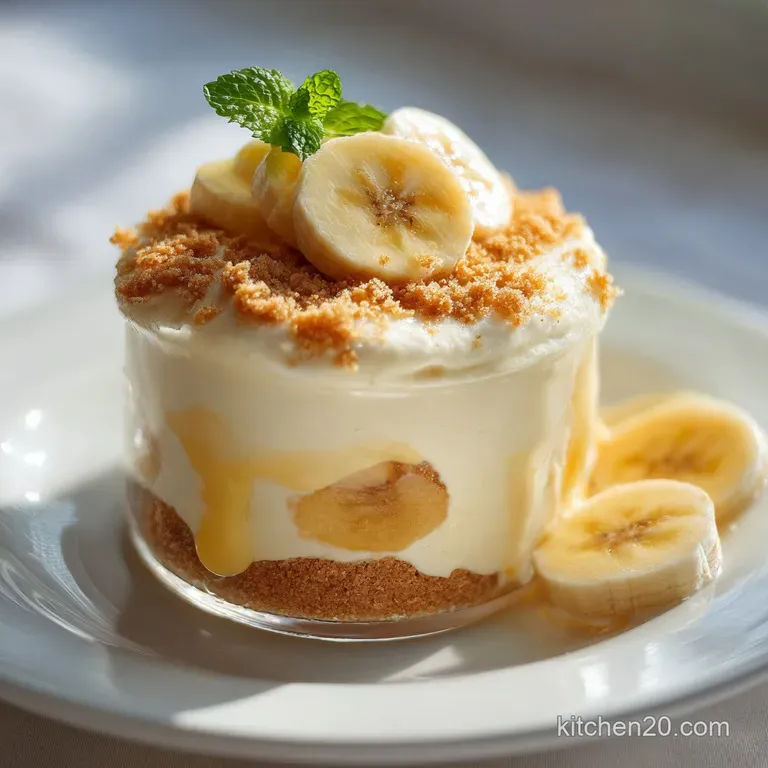
You don't need a mountain of specialized gear, but using the right tools will shave minutes off your prep time. I advocate for a "three bowl system" to keep the workflow moving without needing to wash dishes mid process.
- Stand Mixer or Electric Hand Mixer: Essential for aerating the cream cheese and whipping the cream to stiff peaks. Manual whisking will take three times as long and won't achieve the same stability.
- Large Glass 9x13 Inch Dish: Glass allows you to see the layers, which is half the appeal.
- Offset Spatula: This is the secret weapon for getting perfectly flat, professional layers of mousse.
- Stainless Steel Bowls: If possible, chill your bowls in the freezer for 10 minutes before starting. Cold metal helps the fat molecules in the cream stay firm during the aeration process.
Chef's Tip: To prevent the bananas from browning during the 4 hours chill, ensure they are completely "sealed" by the pudding and cream. Any fruit exposed to the air will oxidize and turn grey, which ruins the visual appeal.
Systematic Layering for the Perfect Texture Contrast
- Hydrate the Base: In a large bowl, whisk together the 355ml ice cold water and the 397g sweetened condensed milk until the mixture is perfectly smooth. Note: Starting with water ensures the milk dissolves without streaks.
- Set the Starch: Gradually whisk in the 144g instant vanilla pudding mix for approximately 2 minutes until no lumps remain. Refrigerate this for 5 minutes to allow the starches to fully hydrate and thicken.
- Aerate the Stabilizer: In a separate bowl, beat the 226g softened cream cheese with 60g powdered sugar and 5ml vanilla bean paste. Whip until the mixture is fluffy and smooth, which usually takes 3 minutes.
- Create the Foam: In a third chilled bowl, whip the 710ml heavy cream on high speed until stiff peaks form. The cream should hold its shape when the beaters are lifted.
- Assemble the Mousse: Gently fold the cream cheese mixture into the whipped cream using a silicone spatula. Once combined, fold this into the chilled pudding mixture. Note: Use a "figure eight" motion to preserve the air bubbles.
- Build the Foundation: Layer the bottom of your 9x13 dish with a single, tight layer of vanilla wafers.
- Add the Fruit: Place a layer of sliced bananas over the wafers. Use all 6 bananas to ensure every bite has fruit.
- The Middle Layer: Pour half of the pudding cream mixture over the bananas and smooth it to the edges.
- Repeat and Seal: Add another layer of wafers, bananas, and the remaining pudding. Top with a final layer of the stabilized cream.
- The Final Crunch: Crush a handful of wafers and sprinkle them over the top. Chill for at least 4 hours to allow the "air lock" seal to set and the cookies to soften into their final velvety state.
Navigating Texture Failures and Banana Oxidation Issues
Even with an "easy banana pudding recipe," things can go sideways if the environment isn't controlled. The most common complaint is a "soupy" center. This almost always happens because the cream was under whipped or the pudding wasn't given that crucial 5 minutes in the fridge to hydrate before being folded into the fats.
My Pudding is Too Runny
This usually happens if the water wasn't cold enough or the measurements were slightly off. If your mixture feels like a thin sauce rather than a thick gel, the wafers will turn into a soggy slurry rather than a cake like layer.
The Bananas Turned Grey
Oxidation is the enemy of the banana. If your fruit is exposed to air for even an hour, it begins to break down. This is why the "air lock" technique is so vital - every slice of banana must be completely submerged or covered by the pudding mixture.
| Problem | Root Cause | Solution |
|---|---|---|
| Lumpy Mousse | Cold cream cheese | Ensure cheese is room temp (21°C) before beating. |
| Crunchy Wafers | Short chill time | Must chill for 4 hours minimum to allow moisture migration. |
| Weeping Cream | Over beating | Stop whipping as soon as stiff peaks form to avoid breaking the fat. |
Common Mistakes Checklist:
- ✓ Never use "Cook and Serve" pudding; the starches won't hydrate without heat, leaving you with a liquid mess.
- ✓ Avoid low-fat cream cheese; the lower fat content lacks the structural integrity to hold up the mousse.
- ✓ Don't skip the 5 minutes pudding rest; this "cure" time is essential for the starch to reach its full thickening potential.
- ✓ Ensure the heavy cream is as cold as possible; warm cream will never achieve the stiff peaks required for a stabilized mousse.
Customizing Flavors While Maintaining Proper Pudding Stability
If you want to deviate from the "homemade banana pudding" standard, you can do so, provided you don't mess with the liquid to starch ratios. For a tropical version, you might consider swapping the vanilla wafers for shortbread cookies and adding a hint of lime zest to the cream cheese.
For a more "old fashioned banana pudding" feel, you can use a higher ratio of vanilla bean paste and even a pinch of nutmeg.
If you are looking for a lower carb option that still satisfies that craving, you can see how I handle the "Banana Illusion" in my Keto Banana Pudding recipe. It uses different thickening agents but keeps that same velvety mouthfeel.
To Save 30 Minutes
If you are in a rush, you can skip the cream cheese stabilization and use a high-quality frozen whipped topping. While the flavor won't be as "gourmet," it will set faster. However, I highly recommend the 4 hours chill regardless, as that is the time required for the physics of the wafer softening to occur.
The Trifle Advantage
If you want to make this for a formal event, use a glass trifle bowl instead of a 9x13 dish. You will need to double the layers, but the vertical presentation of the yellow pudding and white cream is spectacular. Just be sure to press the banana slices against the glass so they are visible from the outside.
Maximizing Freshness and Reducing Food Waste Systems
Banana pudding is one of the few desserts that actually improves after a few hours, but it does have a shelf life. Because of the fresh fruit, the window of "peak" texture is relatively short.
After 72 hours, the bananas will begin to release excess moisture, which can make the pudding base lose its velvety tightness.
Storage: Keep the dish tightly covered with plastic wrap, pressing the wrap directly onto the surface of the cream to prevent a skin from forming. It will stay fresh in the fridge for up to 3 days.
Freezing: I do not recommend freezing this dish. The cellular structure of the bananas collapses upon thawing, resulting in a mushy, watery mess. The cream cheese also has a tendency to become "grainy" after being frozen and thawed.
Zero Waste: If you have leftover wafers that have gone stale, toast them in a 150°C oven for 5 minutes to restore their crunch, then grind them into a powder to use as a crust for a cheesecake.
For the banana peels, they are incredibly rich in potassium - I chop them up and soak them in water for 24 hours to create a nutrient dense "tea" for my indoor plants.
Crafting a Visual Masterpiece with Minimal Effort
Presentation is where you can really show off the "modern efficiency" of this build. Instead of just plopping the pudding into a bowl, focus on the clean lines of the layers. Use the back of a large spoon to create "swirls" in the top layer of cream, which catches the light and makes the dessert look more voluminous.
A final dusting of crushed wafers is traditional, but for a "restaurant quality" look, try bruleeing a few banana slices. Sprinkle a little extra powdered sugar on a few slices and hit them with a kitchen torch until they shatter like glass. Place these on top right before serving.
It adds a smoky, caramelized note that cuts through the sweetness of the vanilla.
Remember, the goal is a dessert that looks as good as it tastes without requiring you to spend your entire evening in the kitchen. By focusing on the "air lock" layering and the stabilized mousse, you have created a dish that is reliable, efficient, and undeniably velvety.
Enjoy the process, and don't be surprised when people ask if you spent hours over a stove to get that custard just right. We’ll let that be our little secret.
Recipe FAQs
How to achieve the perfect cake like texture for the vanilla wafers?
Chill the assembled dessert for at least 4 hours. This resting period allows the moisture from the pudding and cream to migrate into the wafers, softening them into a delicate, cake like crumb.
Is it necessary to use a stovetop custard to get a professional result?
No, this is a common misconception. A stovetop custard is often temperamental and prone to curdling, whereas our stabilized mousse method provides a consistent, velvety texture every time.
How to prevent the banana slices from darkening?
Layer the banana slices immediately before adding the stabilized cream and pudding mixture. By sealing the fruit quickly with these layers, you create an air-lock that effectively slows the oxidation process.
How to ensure the pudding mixture is lump free?
Whisk the instant vanilla pudding mix into the sweetened condensed milk and ice-cold water gradually over 2 minutes. Ensuring the starches are fully hydrated before refrigerating prevents any grainy texture or remaining clumps.
How to get the most stable texture for the whipped cream layer?
Whip the heavy cream until stiff peaks form, then gently fold in the cream cheese mixture. If you enjoyed mastering this stable foam technique, you can apply the same structural principles when making fudgy bars where fat balance determines the final bite.
How to tell when the cream cheese mixture is properly aerated?
Beat the softened cream cheese with powdered sugar and vanilla paste until it becomes visibly smooth and light in volume. Proper aeration at this stage is the foundation for a light, professional grade mousse.
How to prepare the pudding mix for maximum thickness?
Refrigerate the whisked pudding base for 5 minutes before assembly. This short rest allows the starches to fully hydrate and set, ensuring the pudding stays thick enough to hold the weight of the layers.
Creamy Picnic Banana Pudding
Ingredients:
Instructions:
Nutrition Facts:
| Calories | 622 kcal |
|---|---|
| Protein | 6.9 g |
| Fat | 35.6 g |
| Carbs | 70.8 g |
| Fiber | 2.1 g |
| Sugar | 52.4 g |
| Sodium | 385 mg |
