Mashed Potatoes and Sweet Potatoes: the Duchesss Blend
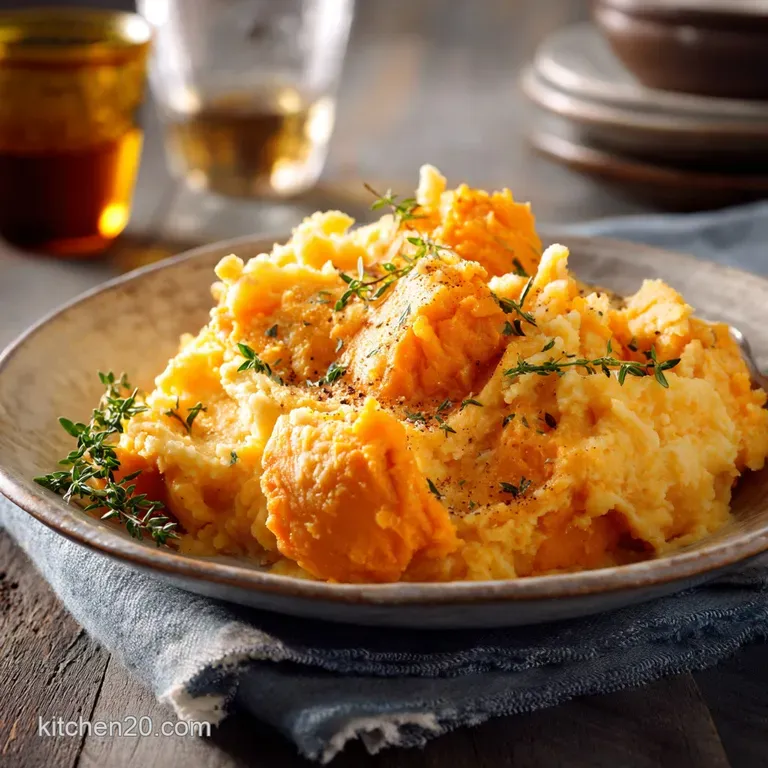
- The Duchess's Blend: Elevating Mashed Potatoes and Sweet Potatoes
- The Science of Creaminess: Achieving the Perfect Velvety Texture
- Essential Provisions: The Ingredients List for a Superior Mash
- Step-by-Step Method: Preparing Your Creamy Sweet and White Potato Mash
- Expert Tips from the Kitchen: Troubleshooting and Enhancements
- Make-Ahead and Storage Solutions
- Perfect Pairings: How to Serve This Versatile Root Vegetable Side
- Recipe FAQs
- 📝 Recipe Card
The Duchess's Blend: Elevating Mashed Potatoes and Sweet Potatoes
Oh, darling, you know that aroma, right? It’s the smell of pure comfort butter melting into hot starch, a subtle earthy sweetness that immediately makes you feel like everything is going to be okay.
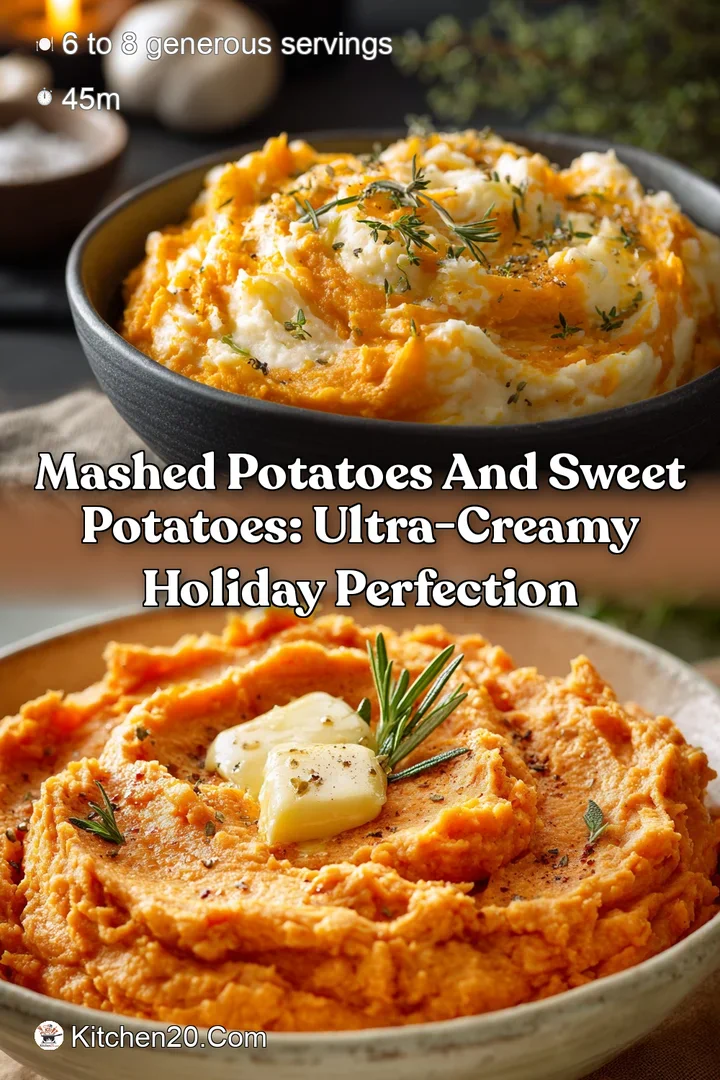
Forget those dry, gluey, single note mashes you suffered through as a kid; we are making the ultimate version of Mashed Potatoes and Sweet Potatoes . This combined mash delivers the fluffiness of a Russet and the velvety richness of the sweet potato, all in one glorious, subtly orange mound.
Seriously, this recipe for Mashed Potatoes and Sweet Potatoes is a culinary lifesaver; it’s fast, super affordable, and requires minimal babysitting once the boiling starts.
You get maximum flavour and texture payoff for very little effort, making it the perfect side dish for a weeknight dinner, yet elegant enough for Thanksgiving. We are taking two simple tubers and turning them into something magnificent.
I learned the hard way that texture matters more than flavour when it comes to mash; no one likes potato glue. We're going to dive into the exact ratios and techniques trust me, there are key steps, like draining and drying, that you simply cannot skip if you want the silkiest Mashed Potatoes and Sweet Potatoes imaginable.
Let’s crack on and get you that gold star side dish.
The Science of Creaminess: Achieving the Perfect Velvety Texture
The magic of great mash isn't just luck; it’s simple food science. We need the starch from the white potatoes (Russets, specifically) to puff up and hold air, giving us that lightness, but we also need the moisture control that the sweet potato provides. The secret weapon, though?
It’s managing the starch release during mashing and incorporating the fats correctly. If you get this technique right, your Mashed Potatoes and Sweet Potatoes will be legendary.
The Perfect Ratio: Balancing Starch and Sweetness
I’ve experimented relentlessly, and the ratio of 2.5 pounds of white potato to 2 pounds of sweet potato is the sweet spot. Too much sweet potato, and the mash becomes sticky and overly sweet; too much white potato, and you lose that beautiful colour and earthy depth.
This balance ensures the final Mashed Potatoes and Sweet Potatoes retains that classic comfort texture while sporting a lovely, gentle sweetness.
Nutritional Boost: Why Combining Tubers Works
Beyond the phenomenal flavour, combining these tubers gives you a serious nutritional advantage. You get the higher potassium and Vitamin C from the white potatoes, paired beautifully with the Vitamin A and antioxidants from the sweet potatoes.
It’s like getting the best of both worlds, packaged in one incredibly satisfying spoonful.
Essential Kitchen Tools for the Ultimate Mash
Please, step away from the food processor! Seriously, never, ever use a food processor for mash; it spins the potatoes too fast, violently ripping the starch cells apart and activating all that sticky gluten, resulting in potato glue.
A sturdy hand masher is your friend here, or if you're going for extreme fluffiness, a ricer will work wonders when preparing the Mashed Potatoes and Sweet Potatoes .
Starch Release: Preventing Gumminess Through Proper Cooking
Starch molecules swell when they absorb water, especially when they are cut and boiled. The trick is to start the potatoes in cold, aggressively salted water. This allows them to heat up gradually and cook evenly all the way through, minimizing the trauma to the cell walls before they even reach a boil.
This simple cold water start is foundational to making excellent Mashed Potatoes and Sweet Potatoes .
The Role of Warm Dairy and Fat Incorporation
This is the non-negotiable step: You must add the cold butter first and only then introduce the warm cream. Adding the cold, solid butter melts instantly, coating the starchy particles with fat. This fat barrier protects the starch from the moisture in the warm cream, dramatically reducing the risk of a gummy outcome.
Always warm the cream! Cold cream cools down your hot potatoes too fast, making them harder to incorporate smoothly.
Steaming Post Boil: The Secret to Moisture Control
The single most important tip I can give you, the one that guarantees a fluffy mash, is to dry the potatoes after draining. After you pour them into the colander, return them to the empty, hot pot and put it back over the stove on very low heat for two or three minutes.
Shake the pot constantly, allowing the residual heat to steam off surface moisture, ensuring your Mashed Potatoes and Sweet Potatoes are ready to absorb the rich butter and cream without getting watery.
Essential Provisions: The Ingredients List for a Superior Mash
You don't need a lot of ingredients to make truly transformative Mashed Potatoes and Sweet Potatoes , but the quality and preparation of the ingredients you do use matter immensely. Don't skimp on the fat, and definitely don't skip the seasoning steps.
Choosing Your Potatoes: Russet vs. Yukon Gold for Maximum Fluff
I prefer Russets (or King Edwards/Maris Pipers if you're across the pond) because they are high in starch and low in moisture, resulting in a light, fluffy mash the perfect contrast to the denser sweet potato.
If you only have Yukon Golds, your Mashed Potatoes and Sweet Potatoes will be slightly denser and naturally creamier, which is fine, but you might lose some of that desirable loft.
| Ingredient | My Recommendation | Viable Substitution |
|---|---|---|
| White Potato | Russet (high starch) | Yukon Gold or King Edward |
| Sweet Potato | Jewel or Beauregard | Japanese Sweet Potato (less sweet, denser) |
| Fat | Unsalted Butter (82% fat) | high-quality Olive Oil or Lard |
| Liquid | Heavy Cream (36% fat) | Full Fat Coconut Milk or Oat Milk |
Selecting the Best Sweet Potatoes (Yams vs. Jewel/Beauregard)
For this specific Mashed Potatoes and Sweet Potatoes recipe, you want the common orange fleshed, moist varieties like Jewel or Beauregard. They are rich, vibrant, and incredibly sweet, which balances the plain white potatoes perfectly.
Note that true yams are different they are drier and starchier, yielding a less silky result.
Dairy Decisions: Butter and Cream Fat Percentage Matters
Use unsalted butter so you control the salt content, and ideally, choose a butter with a high fat content (82% is brilliant). For the cream, heavy cream (36% fat) gives the luxurious mouthfeel you’re after.
If you are out of heavy cream, half and half works, but you might need to reduce it slightly first or add a bit more butter for richness. For dairy-free Mashed Potatoes and Sweet Potatoes, use full fat coconut milk and good olive oil.
Seasoning Mastery: Salt, Pepper, and Subtle Spices
We are talking beyond just salt and pepper here. That tiny dash of freshly grated nutmeg is key; it somehow amplifies the natural earthiness and sweetness of the sweet potatoes without tasting like a holiday casserole.
Don't forget to season the boiling water heavily, then season the final Mashed Potatoes and Sweet Potatoes to taste right before serving.
Crucial Chef’s Note: Never use a cheap table salt for boiling water; stick to coarse sea salt or kosher salt. The chlorine in table salt can sometimes affect the texture and taste of boiled potatoes negatively.
step-by-step Method: Preparing Your Creamy Sweet and White Potato Mash
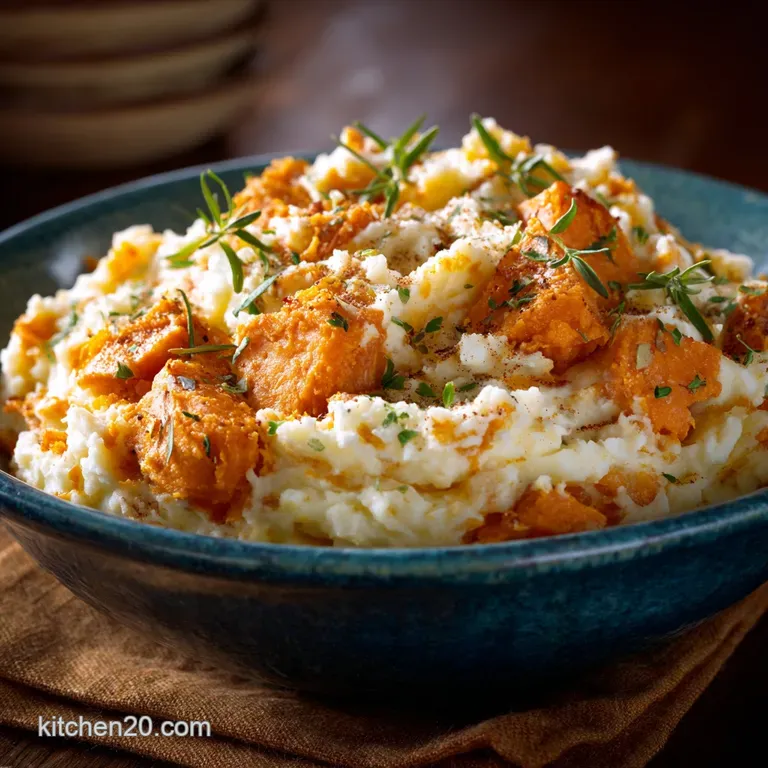
Follow these steps exactly, especially the draining and fat incorporation stages. That is where the success of your Mashed Potatoes and Sweet Potatoes lives or dies.
Preparation and Even Boiling Techniques
First, peel both sets of tubers and cut them into roughly 1.5 inch pieces. I know it seems fussy, but make sure the sizes are uniform! If the sweet potatoes are much smaller than the white potatoes, they will turn to mush before the white ones are done.
Toss them all into a pot, cover them with cold, salted water, and bring that pot to a rolling boil before reducing it to a gentle simmer.
Draining and Dehydration: Crucial Steps Before Mashing
Once the potatoes are fork tender (around 20- 25 minutes), drain them completely in a colander. Return the drained potatoes to the empty hot pot. Place the pot back on the burner for 2 minutes on low heat, shaking the pot vigorously to help evaporate the water.
This step ensures that your mixed Mashed Potatoes and Sweet Potatoes are perfectly dry and ready for enrichment.
Warming the Dairy: Infusing Fat and Flavor
While the potatoes are drying out on the stove, gently warm your heavy cream with a tiny pinch of salt and the nutmeg in a small saucepan. You want it hot, but not boiling. If you want to add aromatics, now is the time to infuse them into the cream.
For maximum flavor, I often add a sprig of rosemary or two crushed garlic cloves to the warming cream.
Whipping to Perfection: Achieving Lightness Without Overworking
Remove the pot from the heat. Add your cold, cubed butter and mash just until the butter is completely melted and absorbed. Now, slowly stream in the warm cream while mashing simultaneously. Stop immediately once the mash looks smooth and creamy.
Overworking the Mashed Potatoes and Sweet Potatoes at this stage is the number one cause of gluey texture less is definitely more here.
Expert Tips from the Kitchen: Troubleshooting and Enhancements
We all make mistakes, believe me, I once tried to mash potatoes in a stand mixer, and the resulting potato paste was a crime against humanity. Learn from my errors and keep these tips handy.
Fixing a Runny or Gummy Mash (Common Mistakes)
If your Mashed Potatoes and Sweet Potatoes are too runny (usually from skipping the steam dry step), you can add a thickener. My favourite trick? A spoonful of dry milk powder or a tablespoon of cornstarch (mixed with a tiny bit of cold milk first) stirred in gently over low heat can rescue it.
If it’s gummy, there's not much you can do for the immediate batch, but next time, remember the butter first rule and to stop mashing sooner!
Infusing Aromatics (Garlic or Herbs) Into the Warm Dairy
Instead of just plain cream, infuse it! Add a few crushed cloves of garlic, some thyme, or even finely diced shallots to the cream as it warms. Let it steep for 5 minutes, then strain the cream before pouring it into the mash.
This gives the Mashed Potatoes and Sweet Potatoes a lovely, subtle background flavour without having large chunks of herbs or garlic interrupting the texture.
Adjusting Texture for Special Diets (dairy-free Alternatives)
If you need to go dairy-free, full fat coconut milk is the best replacement for cream it has a similar fat content and silkiness, and the sweet potato’s strong flavour masks any strong coconut notes. Instead of butter, use high-quality olive oil.
This modification ensures your Mashed Potatoes and Sweet Potatoes remain rich and delicious, regardless of dietary needs. If you’re looking for other great dairy-free sides, check out my recipe for pan-fried brussels sprouts with bacon and balsamic glaze Recipe it pairs beautifully!
make-ahead and Storage Solutions
Does this glorious side dish freeze well? You bet it does! Making large batches of Mashed Potatoes and Sweet Potatoes ahead of time is a brilliant strategy for busy hosts or meal preppers.
Refrigeration Rules: Storing Mash Safely
Transfer any leftovers immediately to an airtight container and refrigerate within two hours. Properly stored, your Mashed Potatoes and Sweet Potatoes will keep wonderfully for 3 to 4 days. It tastes even better the next day, honestly, once the seasonings have really settled in.
The Freezing Process: Best Practices for Thawing
I freeze mash all the time, especially during holiday prep. Cool the mash completely, then transfer it to a freezer safe bag or container, pressing out all the air. It freezes well for up to 3 months. To thaw, just let it sit in the fridge overnight.
Reviving Leftovers: Reheating Without Drying Out
The key to reheating Mashed Potatoes and Sweet Potatoes is moisture. Place the mash in an oven safe dish, add a splash of milk or cream (about 1 2 tablespoons per serving), cover it tightly with foil, and bake at 350°F (175°C) for 20- 30 minutes until piping hot.
The foil traps the steam, keeping the mash moist and creamy. Alternatively, you can revive it gently on the stovetop, adding a bit more butter and cream as you stir it over low heat.
Perfect Pairings: How to Serve This Versatile Root Vegetable Side
This vibrant, creamy Mashed Potatoes and Sweet Potatoes is truly versatile, pairing equally well with a simple roasted chicken or a decadent holiday centerpiece.
This mash is robust enough to handle anything from a weeknight meal of Air Fryer Pork Chops: Quick, Juicy, and Perfectly Crispy to a formal holiday dinner. For a lovely pairing, serve it with something acidic and green to cut through the richness. A simple side of steamed green beans or asparagus is perfect. The slight sweetness in the Mashed Potatoes and Sweet Potatoes makes it especially complementary to savoury, well seasoned mains.
If you’re looking for a killer sauce, you could even try serving it alongside my homemade Keto Hollandaise Sauce: Silky Smooth Foolproof Recipe — the richness works beautifully with the sweetness of the potatoes. No matter how you serve it, this superior blend of Mashed Potatoes and Sweet Potatoes will quickly become your new favourite side dish. Enjoy!
Recipe FAQs
Why did my mash turn out gluey or gummy?
Gummy mash usually results from overworking the starch. When hot starch cells break, they release an amylopectin glue; avoid using a food processor or aggressively whipping the potatoes once the dairy is added. Stick to a ricer, a hand masher, or gentle whipping with a stand mixer paddle attachment.
What is the best way to store and reheat leftover mash?
Store leftovers in an airtight container in the refrigerator for up to 3 days. To reheat, place the mash in an oven safe dish, add a splash of milk or cream to restore moisture, cover loosely with foil, and bake at 350°F (175°C) until hot throughout.
Alternatively, reheat slowly on the stovetop over low heat, stirring frequently.
Can this recipe be made completely dairy-free or vegan?
Absolutely. Substitute the butter with a high-quality vegan butter substitute and replace the heavy cream with full fat coconut milk (for richness) or unsweetened, unflavored nut milk like cashew or oat milk. Be mindful that coconut milk may impart a subtle sweetness and tropical flavour.
Why is it crucial to drain and steam the potatoes after boiling?
Steaming the potatoes after draining helps to evaporate excess surface moisture. Too much residual water dilutes the dairy and prevents the mash from achieving that rich, creamy texture without becoming loose or watery. This crucial step concentrates the flavour and starch before mashing.
Which variety of white potato yields the best texture for this mash?
High starch varieties like Russets (Idaho) or King Edward potatoes are ideal because they break down easily and absorb butter and cream beautifully. Avoid waxy potatoes like New Reds or Fingerlings, as they tend to produce a denser, stickier mash.
Can I freeze this combined potato and sweet potato mash?
Freezing mashed potatoes is generally discouraged, as the texture changes dramatically upon thawing, often becoming watery and grainy. If necessary, freeze small portions flat in airtight bags, but plan to incorporate extra butter and cream when reheating to try and improve the texture.
What additions or herbs pair well with the sweet and savoury combination?
Sage, thyme, and rosemary are excellent herbs that complement both potato and sweet potato flavours. For a deeper savoury note, consider stirring in some roasted garlic, or for a holiday inspired twist, mix in a pinch of nutmeg and cinnamon.
Creamy Potato And Sweet Potato Mash
Ingredients:
Instructions:
Nutrition Facts:
| Calories | 400 calories |
|---|---|
| Fat | 22 g |
| Fiber | 5 g |
