Creamy Pumpkin Alfredo: Rich and Nutty
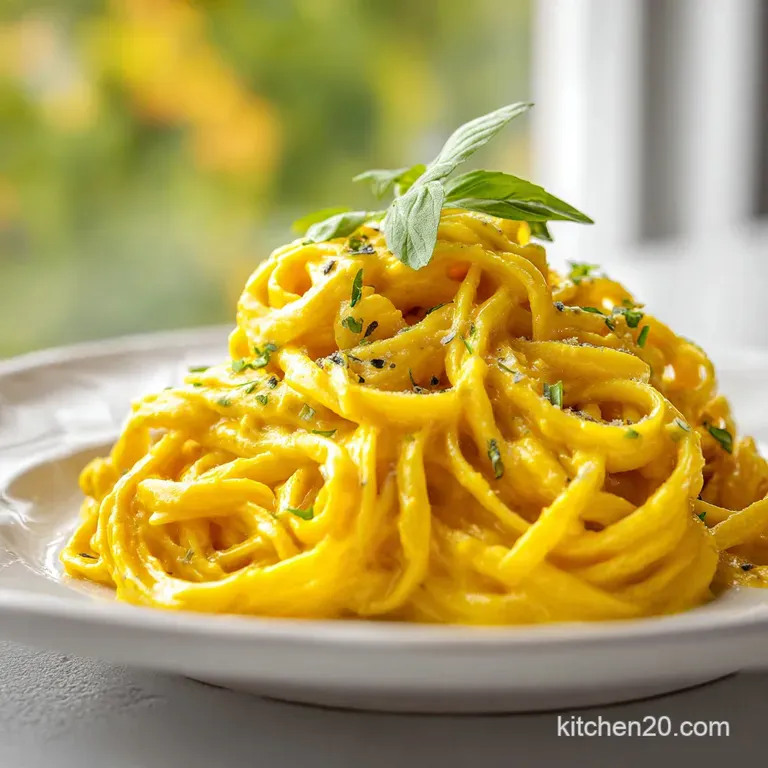
- Time:5 minutes prep + 15 minutes cook = 20 minutes total
- Flavor/Texture Hook: Velvety, nutty, and savory sweet
- Perfect for: High efficiency weeknight dinners or modern autumn entertaining
- Mastering the Creamy Texture of Pumpkin Alfredo
- The Science Behind the Velvety Sauce
- Precise Measurements for Better Results
- Essential Ingredients for Savory Success
- Step-by-Step Guide to the Perfect Marriage
- Troubleshooting Common Culinary Hurdles
- Creative Variations to Suit Every Palate
- Storage Guidelines and Sustainability Practices
- Plating Techniques for a Professional Finish
- Debunking Common Kitchen Myths
- High in Sodium
- Recipe FAQs
- 📝 Recipe Card
Mastering the Creamy Texture of Pumpkin Alfredo
My first attempt at this dish was a total disaster. I thought I could just whisk cold pumpkin puree into a bubbling pot of cream and cheese. What I got was a grainy, orange tinted mess where the fat separated and the pumpkin sat at the bottom of the bowl like sediment.
It was watery, tasted like a tin can, and frankly, looked unappetizing. The mistake was treating pumpkin like a liquid when it's actually a fibrous solid that needs to be tamed before it meets the dairy.
To get that silky, professional grade finish, we have to change our approach to how we handle the squash. This isn't just about mixing ingredients; it's about streamlining the way the fibers and fats interact.
We’re going to use a wide skillet to maximize surface area, allowing the natural sugars in the pumpkin to concentrate and the moisture to evaporate. This simple shift in technique transforms a "good enough" pasta into something truly exceptional.
Trust me on this: once you see how the butter and pumpkin meld into a glossy, fragrant paste, you’ll never go back to the "dump and stir" method. We’re solving the problem of bland, chalky sauces by building layers of flavor right from the start.
It's efficient, it's fast, and the results are far superior to any restaurant version I've tried. Let's get into the specifics of why this method actually works.
The Science Behind the Velvety Sauce
The secret to a successful sauce lies in managing the water content of the squash. Most people skip the sautéing step, which is where the real magic happens.
- Fiber Smoothing: Sautéing the pumpkin in butter coats the tiny squash fibers in fat, preventing them from clumping together when the cream is added.
- Aromatic Blooming: Heat releases the fat soluble compounds in the sage and garlic, which then permeate the butter and carry flavor throughout the entire dish.
- Starch Binding: The reserved pasta water contains amylose, which acts as a bridge between the watery pumpkin and the fatty cream, creating a stable emulsion.
- Sugar Concentration: Cooking the puree for exactly 2 minutes reduces its raw moisture, intensifying the sweetness and removing that metallic canned aftertaste.
| Cooking Method | Time | Texture | Best For |
|---|---|---|---|
| Stovetop Skillet | 15 minutes | Silky and glossy | Quick weeknight efficiency |
| Baked Casserole | 30 minutes | Set and bubbly | Meal prep and crispy edges |
| Slow Cooker | 2 hours | Deeply infused | Hands off entertaining |
By choosing the stovetop method, we maintain total control over the emulsion. This ensures the sauce clings to every strand of fettuccine without becoming a heavy, glibbery mess. The high heat of the skillet allows for rapid evaporation, which is the fastest way to achieve that concentrated flavor profile we’re after.
| Component | Science Role | Pro Secret |
|---|---|---|
| Unsalted Butter | Fat based flavor carrier | Use European style for higher fat content |
| Pumpkin Puree | Fibrous thickener | Never use pumpkin pie filling by mistake |
| Pasta Water | Emulsification agent | Scoop it out right before draining for max starch |
| Fresh Sage | Aromatic stabilizer | Fry the leaves until they just begin to curl |
The interaction between the Parmesan and the pasta water is the final piece of the puzzle. If you add the cheese too quickly to a boiling sauce, the proteins will tighten up and turn rubbery. By reducing the heat to low before adding the cheese, you allow it to melt slowly and integrate into the cream. If you've ever mastered a silky homemade alfredo sauce, you know that temperature control is the difference between a smooth finish and a broken sauce.
Precise Measurements for Better Results
Efficiency in the kitchen starts with having everything measured and ready. This recipe moves fast once the butter hits the pan, so don't be caught peeling garlic while the butter is browning.
- 1 lb Fettuccine
- 2 tbsp Kosher salt (for the water)
- 0.5 cup Unsalted butter
- 3 cloves Garlic, minced
- 6 fresh Sage leaves, chopped
- 1 cup Canned pumpkin puree
- 1.5 cups Heavy cream
- 0.25 tsp Nutmeg, freshly grated
- 0.5 tsp Black pepper, freshly cracked
- 1 cup Parmesan cheese, freshly grated
- 0.5 cup Pasta cooking water
| Original Ingredient | Substitute | Why It Works |
|---|---|---|
| Heavy Cream | Full fat Coconut Milk | Provides similar viscosity but adds a subtle nutty note |
| Fresh Sage | Dried Thyme | Earthy profile. Note: Use half the amount as dried is more potent |
| Fettuccine | Whole Wheat Pasta | Adds a robust, grainy texture that stands up to the thick sauce |
When selecting your ingredients, quality matters. For the Parmesan, skip the green shaker bottle; the cellulose used to prevent clumping in pre shredded cheese will ruin your emulsion. Buy a wedge and grate it yourself it takes two minutes but saves the entire dish from becoming gritty.
Essential Ingredients for Savory Success
Modern cooking is about streamlining, and that means using the right tools for the job. You don't need a thousand gadgets, just a few high performance pieces.
- Wide 12 inch Skillet: Essential for surface area. A wide pan allows the cream to reduce evenly and provides enough room to toss 1 lb of pasta without making a mess.
- Microplane Grater: This is the only way to get the Parmesan fine enough to melt instantly. It’s also the best tool for that fresh nutmeg.
- Silicon Whisk: Vital for emulsifying the pumpkin and cream without scratching your skillet. It gets into the "corners" of the pan better than a metal one.
- Large Pasta Pot: You need at least 6 quarts of water to ensure the fettuccine has room to move, which prevents sticking.
Using a heavy bottomed skillet, like a Lodge cast iron or a heavy stainless steel pan, helps maintain a consistent temperature. Cheap, thin pans have hot spots that will burn your garlic in seconds. Efficiency is about preventing mistakes before they happen, and a good pan is your first line of defense.
step-by-step Guide to the Perfect Marriage
- Bring a large pot of salted water to a rolling boil. Cook your pasta 1 minute less than the package directions to achieve al dente texture. Before draining, reserve 1 cup of the starchy pasta water. Note: This water is "liquid gold" for binding your sauce later.
- In a wide 12 inch skillet over medium heat, melt the butter. Once it begins to foam and develop a nutty aroma, add the minced garlic and sage. Sauté for 60 seconds until garlic is translucent.
- Whisk the pumpkin puree into the butter mixture. Sauté for approximately 2 minutes to caramelize the natural sugars and deepen the orange color to a rich burnt sienna.
- Pour the heavy cream into the skillet. Add the nutmeg and black pepper. Bring to a gentle simmer for 3-5 minutes, allowing the sauce to reduce until it coats the back of a spoon.
- Reduce heat to low. Gradually whisk in the freshly grated Parmesan cheese until the sauce is completely emulsified and smooth. Note: High heat at this stage will cause the cheese to clump.
- Add the cooked pasta to the skillet. Toss thoroughly, adding the reserved pasta water a splash at a time until the sauce is glossy and clings perfectly to the noodles.
Chef's Tip: If you want a restaurant style finish, fry a few extra sage leaves in a tiny bit of butter until they "shatter" when touched, and crumble them over the top right before serving.
Troubleshooting Common Culinary Hurdles
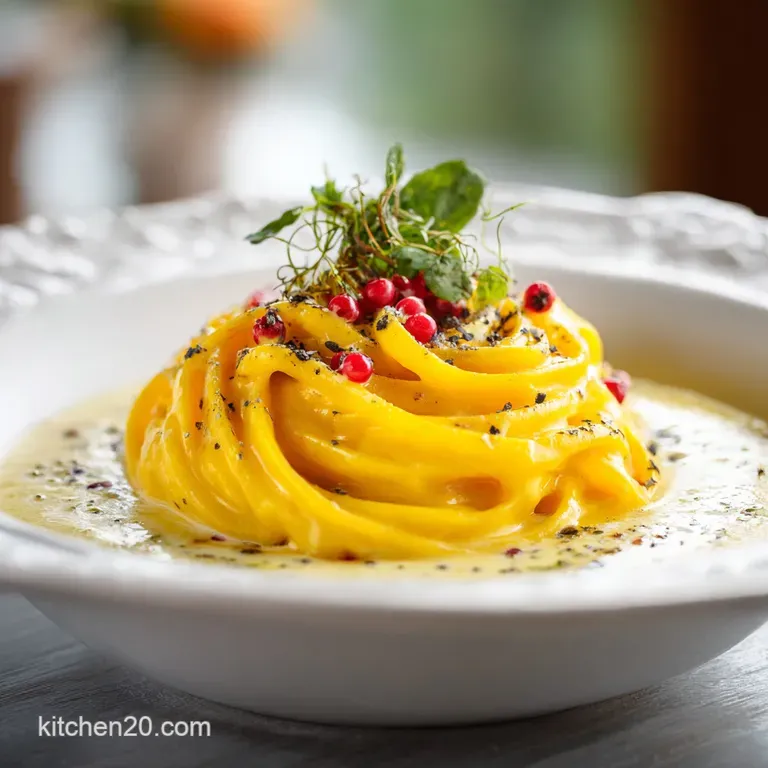
Why Your Sauce Is Grainy
If your sauce feels like fine sand on the tongue, it’s usually because the Parmesan was added to a boiling liquid. The proteins in the cheese seize up at high temperatures. To fix this, remove the pan from the heat entirely and whisk in a tablespoon of very hot pasta water.
The extra starch can sometimes help re smooth the proteins, though prevention is much easier than the cure.
Adjusting Thin or Thick Consistencies
Sometimes the sauce looks perfect in the pan but turns into a thick paste the second it hits the pasta. This happens because pasta continues to absorb moisture even after it's cooked. Always keep extra pasta water on hand. If it's too thick, add water; if it's too thin, keep tossing over low heat for 60 seconds.
The starch in the pasta itself will naturally thicken the liquid.
| Problem | Root Cause | Solution |
|---|---|---|
| Sauce is breaking | Heat is too high or cream added too fast | Whisk vigorously off heat with a splash of water |
| Bland flavor | Not enough salt in the pasta water | Add a pinch of salt and an extra grate of nutmeg at the end |
| Clumpy pumpkin | Puree wasn't whisked into the butter properly | Use a whisk to break up solids before adding cream |
Common Mistakes Checklist
- ✓ Stop cooking the pasta 1 minute early; it finishes in the sauce.
- ✓ Never discard the pasta water until the dish is plated and ready.
- ✓ Use a room temperature pumpkin puree to avoid dropping the skillet temp too fast.
- ✓ Grate the Parmesan as finely as possible for a velvety melt.
- ✓ Don't skip the nutmeg it’s the bridge between the pumpkin and the cream.
Creative Variations to Suit Every Palate
If you want to turn this into a Pumpkin Chicken Alfredo, the key is to sear the chicken separately. I like to dust thin chicken cutlets in a mix of flour, salt, and sage, then pan fry them until golden and crispy. Slice them into strips and lay them over the finished pasta.
This keeps the chicken crispy while the pasta stays creamy.
For a Healthy Pumpkin Alfredo, you can replace half of the heavy cream with chicken bone broth or vegetable stock. You'll lose some of that velvety mouthfeel, but the pumpkin puree is naturally thick enough to compensate.
Just be sure to simmer the sauce a few minutes longer to reduce the liquid further.
If you’re looking for a Vegan Pumpkin Alfredo, swap the butter for olive oil and the heavy cream for full fat canned coconut milk. For the Parmesan, a mixture of nutritional yeast and ground cashews provides that salty, umami kick.
It won't be identical to the classic, but it hits all the same comfort food notes.
| Serving Size | Pasta Amount | Cream Amount | Skillet Size |
|---|---|---|---|
| 2 People | 0.33 lb | 0.5 cup | 10 inch skillet |
| 4 People | 0.66 lb | 1 cup | 12 inch skillet |
| 6 People | 1 lb | 1.5 cups | 12 inch skillet |
When scaling up to 8 or more people, work in two separate batches. Crowding 2 lbs of pasta into a single skillet makes it impossible to toss properly, and you’ll end up with some noodles that are dry and others that are swimming in sauce.
Efficiency sometimes means doing the work twice to ensure the quality remains high.
Storage Guidelines and Sustainability Practices
Pasta with cream sauce is always best eaten immediately, but life happens. You can store leftovers in an airtight container in the fridge for up to 3-4 days. When you reheat it, do not use the microwave if you can avoid it.
The microwave's uneven heating will almost certainly cause the sauce to "break" into a puddle of oil. Instead, put the pasta in a small skillet with a splash of milk or water and heat it slowly over low heat while tossing.
For a zero waste approach, never toss that half can of leftover pumpkin puree. You can freeze it in an ice cube tray for future sauces, or better yet, use it to make a homemade pumpkin spice latte the next morning. It’s a great way to use every bit of the ingredient without any extra effort.
Freezing is not recommended for this specific dish. The emulsion of heavy cream and pumpkin tends to separate and become "mealy" once frozen and thawed. If you must freeze it, do so without the pasta.
Freeze the sauce base separately, then whisk it back together over a stove with fresh pasta water when you're ready to eat.
Plating Techniques for a Professional Finish
Presentation doesn't have to be complicated to be effective. Because this sauce is so rich and orange, it looks best in wide, shallow white bowls. This provides a clean contrast and lets the color pop. Use a large meat fork or tongs to twirl the fettuccine into a "nest" in the center of the bowl.
This keeps the heat trapped inside the pasta while looking like you spent way more time on it than you actually did.
Finish with a heavy hand of freshly cracked black pepper. The dark flecks look beautiful against the orange sauce and provide a necessary bite to cut through the richness of the cream. If you’re feeling fancy, a few curls of Parmesan shaved with a vegetable peeler add a nice textural element.
Balancing the Earthy Tones
The combination of pumpkin and sage is classic for a reason the earthiness of the herb grounds the sweetness of the squash. If your sauce feels a bit too "heavy" or "flat," a tiny squeeze of fresh lemon juice right before serving can brighten the whole dish.
You don't want it to taste like lemon; you just want the acid to lift the flavors.
Selecting the Right Pasta Shape
While we use fettuccine here, this sauce is incredibly versatile. It works beautifully with rigatoni or penne, as the hollow centers trap the thick sauce. My personal favorite alternative is Pumpkin Alfredo gnocchi.
The pillowy texture of the potato dumplings is a match made in heaven for the velvety pumpkin base. Just ensure you don't overcook the gnocchi, or the whole dish becomes a bit too soft.
Debunking Common Kitchen Myths
One common myth is that you should never boil heavy cream because it will curdle. In reality, heavy cream is very stable due to its high fat content. You can simmer and reduce it without fear.
What actually causes curdling in most pasta sauces is the addition of acidic ingredients (like lemon or wine) or low-fat dairy (like milk or half and half) at high temperatures.
Another misconception is that pumpkin puree is "sweet" and only belongs in pies. Pumpkin is a squash, and like butternut or acorn squash, its natural state is quite savory and earthy. The "pie flavor" we associate with it actually comes from the cinnamon, cloves, and ginger added to desserts.
By focusing on sage, garlic, and nutmeg, we pull the pumpkin into the savory world where it truly shines as a complex base for pasta.
Finally, searing the pumpkin doesn't just "warm it up." It's about a specific process where the moisture is removed and the flavors are concentrated. Some people think they can skip the sautéing step and get the same result they can't.
That two minute sizzle in the butter is the difference between a shallow flavor and a deep, multi dimensional sauce. Trust the process, and your dinner guests will definitely notice the difference.
High in Sodium
845 mg of sodium per serving (37% of daily value)
The American Heart Association recommends limiting sodium intake to 2,300mg per day, with an ideal limit of 1,500mg for most adults.
Tips to Reduce Sodium
-
Reduce Added Salt-25%
Significantly decrease the 2 tbsp of Kosher salt used in cooking the fettuccine. You can often achieve delicious results with much less, or even omit it entirely if relying on other flavorful ingredients. Start by using only 1/4 of the amount.
-
Use Less Parmesan Cheese-15%
Parmesan cheese is a significant source of sodium. Reduce the 1 cup of Parmesan cheese to half or even a quarter cup. You can also explore lower sodium cheese options or nutritional yeast for a cheesy flavor boost.
-
Boost Flavor with Herbs & Spices
Enhance the taste of your dish without adding sodium. Utilize fresh ingredients like garlic and sage and spices like nutmeg and black pepper. Consider adding other fresh herbs like parsley or chives for more depth.
-
Be Mindful of Pasta Water-5%
While pasta cooking water can add flavor, it also contains sodium from the salt added to it. If you reduce or omit the added salt when cooking the pasta, this will also reduce the sodium content of the reserved water.
Recipe FAQs
How to prevent the sauce from breaking when reheating leftovers?
Place the pasta in a small skillet over low heat instead of using a microwave. Adding a splash of water while gently tossing the noodles will re-emulsify the sauce and restore its creamy consistency.
Is it true I should use pre-shredded cheese to save time?
No, this is a common misconception. Pre-shredded cheese is coated in potato starch that prevents proper melting, so you must use freshly grated Parmesan to ensure the sauce becomes smooth and perfectly emulsified.
How to achieve the perfect al dente texture?
Cook your pasta exactly one minute less than the package instructions. This ensures the noodles remain firm after they finish cooking in the skillet with the hot sauce.
Why is reserving the pasta water essential?
The starchy water acts as a binding agent that helps the sauce cling to the noodles. If you enjoyed the emulsification technique used here, applying that same logic of using starchy water will consistently yield a glossy, restaurant quality coating.
How to caramelize the pumpkin puree effectively?
Sauté the puree in the butter mixture for two minutes before adding the cream. This quick step cooks out raw starchiness and deepens the natural sweetness of the pumpkin.
Can I keep leftover pumpkin puree?
Yes, store any remaining puree in the freezer for future use. Place it in an airtight container or a freezer safe bag to prevent waste and maintain quality for your next batch.
How to tell when the butter is ready for the garlic?
Wait until the butter begins to foam and releases a distinct nutty aroma. Adding the garlic at this precise moment ensures it infuses the fat perfectly without burning during the 60-second sauté.
Creamy Pumpkin Alfredo
Ingredients:
Instructions:
Nutrition Facts:
| Calories | 675 kcal |
|---|---|
| Protein | 15.2 g |
| Fat | 42.1 g |
| Carbs | 60.8 g |
| Fiber | 3.2 g |
| Sugar | 4.1 g |
| Sodium | 845 mg |
