Creamy Roasted Garlic Mashed Potatoes
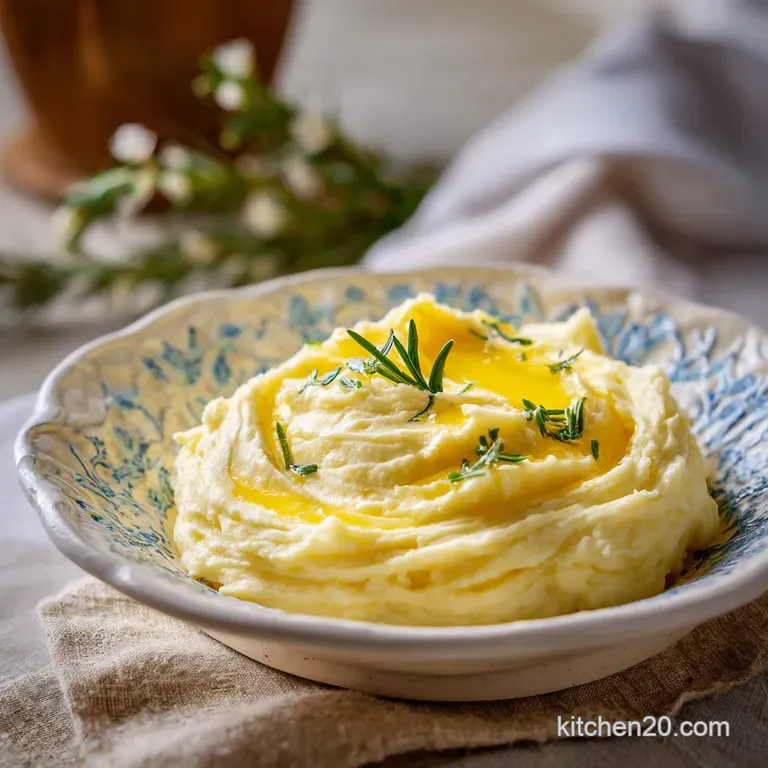
- Time: Active 15 minutes, Passive 20 minutes, Total 35 minutes
- Flavor/Texture Hook: Velvety, buttery, and cloud like
- Perfect for: Holiday hosting or streamlining weeknight dinners
- Achieving Silky, Reliable Mashed Potatoes
- Why This Technique Always Works
- Choosing the Best Potato Blend
- Essential Ingredients for Success
- Modern Tools for Efficiency
- Executing the Perfect Mash Process
- Solving Common Texture Disasters
- Scaling and Planning Guidelines
- Flavor Variations and Mix ins
- Troubleshooting Common Issues
- Storing and Repurposing Your Leftovers
- What to Serve With Mash
- Recipe FAQs
- 📝 Recipe Card
Achieving Silky, Reliable Mashed Potatoes
We've all been there: you spend forty minutes peeling, boiling, and mashing, only to end up with a bowl of sticky, translucent glue that could double as wallpaper paste. It’s frustrating because the ingredients are simple, yet the physics of a potato are surprisingly temperamental.
I used to think the answer was just adding more butter, but that usually just leads to greasy, heavy potatoes that sit like a brick in your stomach.
This recipe is my targeted fix for the "gummy mash" epidemic. It’s about streamlining the workflow and respecting the starch. By using a specific hybrid blend of potatoes and a rapid evaporation step, we ensure every forkful is light and velvety rather than dense and tacky.
We aren't just making a side dish here; we’re optimizing a system for consistent, high-quality results every single time you cook.
If you’re tired of the hit or-miss nature of homemade mash, this is your blueprint. We’re going to focus on efficiency and precision, using modern home cook tricks that actually work. No more guessing when they’re done or wondering why they turned out watery.
Let's get into the mechanics of what makes a potato truly great.
Why This Technique Always Works
Starch Hybridization: Mixing Russets and Yukon Golds provides the "shatter" of a starchy potato with the creamy, buttery structural integrity of a waxy one.
Surface Dehydration: Returning the drained potatoes to the hot pot forces residual moisture to evaporate, preventing a watery, diluted flavor profile.
Thermal Stability: Adding warm dairy instead of cold milk prevents the starch granules from "shocking" and seizing, which is a primary cause of graininess.
Fat Emulsification: The addition of cream cheese acts as a stabilizer, helping the butter and milk bind into a silky, consistent emulsion that doesn't break.
Why does the "Dry Steam" step change everything?
Most people go straight from the colander to the masher, but that's a mistake. When you see that white, floury "matte" look on the surface of your potatoes after stirring them in the hot pot for a minute, you’re seeing the removal of excess water.
Less water in the potato cells means more room for butter and cream. It’s an efficiency trade off: 60 seconds of stirring saves you from a lifetime of soggy side dishes.
Choosing the Best Potato Blend
| Method | Time | Texture | Best For |
|---|---|---|---|
| Stovetop (This Recipe) | 35 minutes | Ultra light and velvety | Maximum control and texture |
| Instant Pot | 25 minutes | Dense and creamy | Maximum efficiency/speed |
| Slow Cooker | 4 hours | Soft and rustic | Holiday prep/hands off |
The hybrid approach is non negotiable for the best results. Russet potatoes are high in starch and low in moisture; they fall apart beautifully, which is why we look for them to "shatter" when tested. Yukon Golds, on the other hand, have a medium starch content and a naturally buttery flavor.
By combining 680g (1.5 lbs) of each, you get the volume of the Russet with the luxury of the Gold.
| Component | Science Role | Pro Secret |
|---|---|---|
| Russet Potatoes | High starch cells provide the fluffy, airy volume. | Peel deeply to remove all green bits which carry a bitter alkaloid. |
| Yukon Gold Potatoes | Medium starch "glue" that keeps the mash from being too dry. | These hold their shape longer, so cut them slightly smaller than the Russets. |
| Cream Cheese | Lactic acid and high fat provide a tangy, stable emulsion. | Ensure it is completely softened at room temperature before adding. |
| Whole Milk | Liquid medium that hydrates the starch without adding excess weight. | Heat it until it barely simmers; never use cold milk from the fridge. |
For another streamlined potato project, you might enjoy my Instant Pot Garlic Herb Mashed Potatoes which uses the same scientific principles but cuts down on active monitoring time.
Essential Ingredients for Success
- 680g (1.5 lbs) Russet potatoes: Peeled and chopped into 3.8 cm (1.5 inch) chunks. Why this? They provide the essential "fluff" factor and volume.
- Sub: Idaho potatoes (nearly identical starch profile).
- 680g (1.5 lbs) Yukon Gold potatoes: Peeled and chopped into 3.8 cm (1.5 inch) chunks. Why this? Adds a natural yellow hue and a richer, creamy mouthfeel.
- Sub: Red potatoes (slightly waxier, keep the skins on for texture).
- 1 tbsp Sea salt: For the boiling water. Why this? Seasons the potato from the inside out during the cooking process.
- Sub: Kosher salt (use 1.5 tbsp as it is less dense).
- 115g (0.5 cup) Unsalted butter: Cubed for faster melting. Why this? Controls the salt level while providing essential richness.
- Sub: Ghee (for a nuttier, more intense toasted flavor).
- 240ml (1 cup) Whole milk: High fat content is key. Why this? Creates a silky liquid phase for the mash.
- Sub: Half and half (if you want an even more decadent holiday version).
- 115g (4 oz) Cream cheese: Softened. Why this? The secret weapon for stability and a slight, pleasant tang.
- Sub: Sour cream (adds more tang but is slightly less stable).
- 1 tsp Fine sea salt: To season the final mash. Why this? Dissolves instantly into the warm potatoes.
- Sub: Celery salt (for a subtle, savory herb like undertone).
- 0.5 tsp Freshly cracked white pepper: Why this? Provides heat without the black specks for a clean look.
- Sub: Black pepper (if you don't mind the visual contrast).
Modern Tools for Efficiency
To maintain an efficient workflow, I recommend a large 5.5 liter heavy bottomed pot. This ensures even heat distribution and prevents the bottom layer of potatoes from scorching during the dehydration phase.
A high-quality potato ricer is the gold standard for texture because it extrudes the potato through small holes, separating the fibers without overworking the starch.
If you don't have a ricer, a sturdy stainless steel hand masher works, but you must be careful not to "whip" the potatoes too aggressively. I personally avoid using a stand mixer or a food processor; the high speed blades tear the starch molecules apart, releasing the amylose that turns your beautiful mash into a sticky mess.
Efficiency isn't just about speed; it's about using the tool that produces the right result the first time.
Executing the Perfect Mash Process
- Place the 1.5 inch potato chunks in your large pot. Cover them with cold water by at least 2.5 cm (an inch). Add the 1 tablespoon of sea salt now. Note: Starting with cold water ensures the outside and inside of the potato cook at the same rate.
- Bring the pot to a boil over high heat. Once boiling, reduce the heat to a simmer. Cook for 15 to 20 minutes until the potatoes shatter easily when pierced with a fork.
- Drain the potatoes thoroughly using a colander. Don't worry about getting them bone dry yet; the next step handles that.
- Return the drained potatoes to the same pot. Keep the heat off, but the pot will still be hot. Stir gently for 1 to 2 minutes until the potato surfaces look matte and floury.
- In a small saucepan or a microwave safe jug, warm the milk and butter together. The butter should be completely melted and the milk steaming.
- Using a potato ricer, process the hot potatoes back into the pot. If using a masher, press firmly but avoid twisting motions.
- Gently fold in the softened cream cheese using a silicone spatula. The residual heat will melt it into the fibers.
- Slowly pour in half of the warm milk and butter mixture. Use a folding motion to incorporate the dairy.
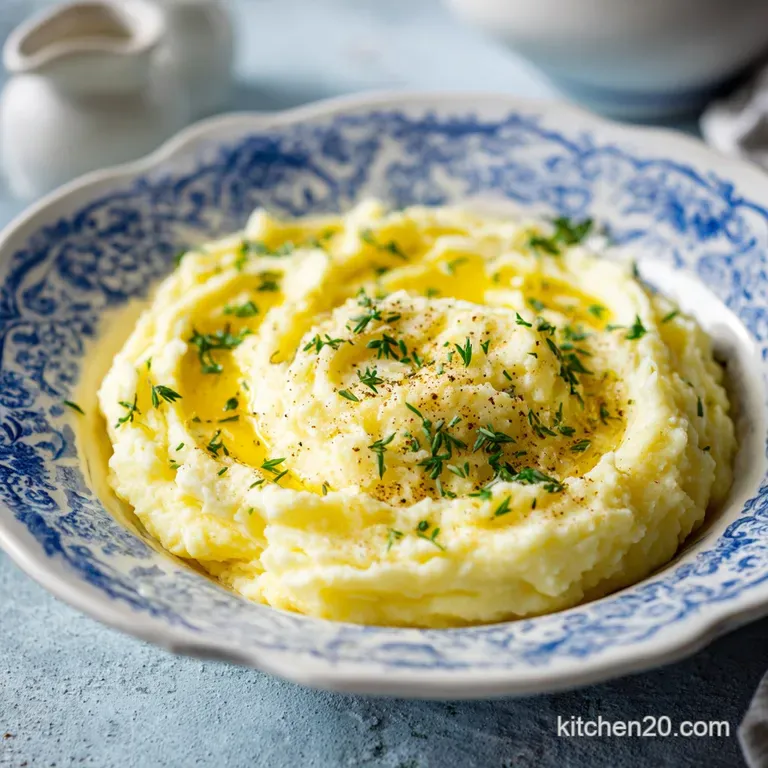
- Add the remaining dairy, fine sea salt, and white pepper. Continue folding until the texture is velvety and holds a soft peak.
- Taste and adjust seasoning immediately while the mash is hot.
Solving Common Texture Disasters
Why Your Mashed Potatoes Turned Gummy
Gummy potatoes are almost always a result of overworking the starch. When you mash too vigorously or use a high speed appliance, you break the cell walls and release starch in a way that creates a glue like bond.
Another culprit is cooling the potatoes too much before adding your dairy; cold starch is much stickier than warm starch.
| Problem | Root Cause | Solution |
|---|---|---|
| Gluey/Gummy | Over mashing or using a blender | Use a ricer and fold gently; never use a food processor. |
| Watery/Bland | Excess moisture or under salting | Stir in the hot pot to evaporate water; salt the boiling water. |
| Lumpy/Hard | Under cooked potato centers | Ensure chunks are uniform and boil until they "shatter." |
Why is a hybrid potato blend superior?
Using only Russets can lead to a mash that feels "dry" or grainy because they lack the natural sugars and fats of waxier varieties. Conversely, using only Yukon Golds can result in a mash that is too dense and heavy.
The hybrid blend creates a structural network where the fluffy Russet starch is "cradled" by the creamy Yukon Gold lipids. It's the most efficient way to get a professional grade mouthfeel.
Common Mistakes Checklist:
- ✓ Never start with hot water; the outside will turn to mush before the inside is soft.
- ✓ Don't skip the 1-2 minute "drying" phase in the hot pot.
- ✓ Avoid the food processor at all costs it's a one way ticket to Glue Town.
- ✓ Ensure the cream cheese is truly at room temperature to avoid cold lumps.
- ✓ Season the water generously; you can't fix "unseasoned on the inside" at the end.
Scaling and Planning Guidelines
When you're scaling this recipe for a large crowd, don't just double everything linearly. If you are doubling the recipe to 16 servings, use 1.5x the salt for the final seasoning initially, then adjust to taste. High volumes of starch can "mute" saltiness, but it's easier to add more than to fix an over salted batch.
For smaller portions (4 servings), use a smaller pot to ensure the water covers the potatoes correctly without taking too long to reach a boil. You can also use a small hand held ricer which is much more efficient for tiny batches. If you find yourself with leftovers, you can actually transform them. I often use leftovers to top a shepherd's pie or even as a base for twice baked potatoes if I want to re engineer them into something crispier.
- If you want ultra luxe
- Swap 1/4 of the milk for heavy cream.
- If you want rustic
- Use only Yukon Golds and leave the skins on.
- If you want dietary friendly
- Use vegan butter and unsweetened oat milk (the cream cheese must be a high fat vegan version to maintain stability).
Flavor Variations and Mix ins
Troubleshooting Common Issues
| Issue | Solution |
|---|---|
| Make this a slow cooker mashed potatoes recipe | Yes, but you have to adjust the liquid. In a slow cooker, the potatoes don't "boil" in the same way, so they retain all their moisture. Use about 20% less milk than the stovetop version. You’ll still |
| Make creamy red skin mashed potatoes | Red potatoes are waxier and hold their shape significantly better than Russets. If you go this route, skip the ricer. A hand masher is better here because you want those characteristic red "flecks" of |
| What about homemade roasted garlic mashed potatoes | Efficiency tip: don't just throw raw garlic into the water. Roast a whole head of garlic in the oven while the potatoes boil. Squeeze the soft, caramelized cloves directly into the warm milk and butte |
Storing and Repurposing Your Leftovers
Storage Guidelines: These potatoes will keep beautifully in the fridge for up to 4 days. The key is to store them in an airtight container as soon as they reach room temperature. When reheating, do not use the microwave on high power; it will split the fats and leave you with a greasy puddle.
Instead, reheat on the stove over low heat, adding 15-30ml of warm milk to restore the velvety texture.
Freezing: You can freeze mashed potatoes! Because this recipe has a high fat content (butter, milk, and cream cheese), it freezes better than "lean" versions. Place individual scoops on a parchment lined tray, freeze until solid, then transfer to a freezer bag. They will last for 2 months.
Reheat directly from frozen in a covered dish in a 150°C (300°F) oven.
Zero Waste Tip: Don't throw away those potato peels! Toss them with a little olive oil, salt, and smoked paprika. Roast them at 200°C (400°F) for 15 minutes until they are "shatter" crisp.
They make an excellent garnish for the mash itself or a snack for the cook while the main meal finishes.
What to Serve With Mash
Mashed potatoes are the ultimate utility player in the kitchen. They provide a neutral, creamy base that thrives alongside high acid or high salt main courses. Think of them as a "flavor sponge." A classic roast chicken with a lemon herb jus is the natural partner, as the potatoes will soak up every drop of that liquid gold.
If you’re looking for a textural contrast, serve these alongside something with a "crunch" or "snap." A seared steak with a crusty peppercorn rub or even a tray of roasted root vegetables provides the necessary bite to balance the cloud like mash.
For a purely comforting meal, I often serve these with a rich mushroom stroganoff; the earthiness of the mushrooms combined with the tang of the cream cheese in the potatoes is a pairing that never fails.
- 1. Temperature
- Ensure milk and butter reach at least 65°C before adding to potatoes.
- 2. Consistency
- The potatoes are done when they reach an internal temp of 98°C or "shatter" under a fork.
- 3. Weight
- 1.36kg (3 lbs) of raw potatoes should yield approximately 8 servings of 180g each.
Debunking Potato Myths
A common misconception is that "soaking potatoes overnight removes too much starch." In reality, a quick rinse is enough to remove surface starch. Long soaks can actually leach out the potassium and minerals that give the potato its flavor. Another myth is that you need a "starchy" potato for everything.
As we've seen, the hybrid approach is far more efficient for achieving a balance of flavor and fluff. Finally,, adding oil to the boiling water does absolutely nothing for the potatoes; save your oil for the roasting pan!
Recipe FAQs
What is the secret to really good mashed potatoes?
Evaporating excess moisture is essential. After draining, return the potatoes to the hot pot for 1 2 minutes; this dries the starch and ensures they absorb the warm butter and milk mixture for a velvety finish.
Are potatoes ok for heart patients?
Consult your medical provider for specific dietary restrictions. While potatoes are a whole food source of potassium, this recipe contains butter, whole milk, and cream cheese, which are high in saturated fats.
How to make the best mash potatoes?
Combine equal parts Russet and Yukon Gold potatoes for the perfect balance of starch and creaminess. If you enjoyed mastering the texture control here, you can apply similar logic to our green bean casserole to achieve the ideal vegetable consistency.
Are mashed potatoes ok after tooth extraction?
Yes, they are an excellent soft food choice. Ensure the potatoes are cooled to a lukewarm temperature and processed with a ricer until completely smooth to avoid any lumps that could irritate the extraction site.
How to fix lumpy mashed potatoes?
Pass the mixture through a potato ricer or fine mesh sieve. This breaks down remaining chunks and ensures a consistent, smooth texture without overworking the starch, which can cause a gummy consistency.
Can I reheat mashed potatoes in the microwave?
No, avoid high power microwave reheating. High heat causes the fats to separate, resulting in a greasy texture; instead, reheat gently on the stovetop over low heat with a splash of warm milk.
Is it true I should boil potatoes in hot water to save time?
No, this is a common misconception. Always start with cold water so the potatoes cook evenly from the outside in; if the water is hot initially, the outside will disintegrate before the center is cooked through.
Creamy Roasted Garlic Mashed Potatoes
Ingredients:
Instructions:
Nutrition Facts:
| Calories | 302 kcal |
|---|---|
| Protein | 5.4 g |
| Fat | 17.5 g |
| Carbs | 32.1 g |
| Fiber | 2.2 g |
| Sugar | 2.4 g |
| Sodium | 316 mg |
