Spaghetti Carbonara: Velvety Sauce Guaranteed
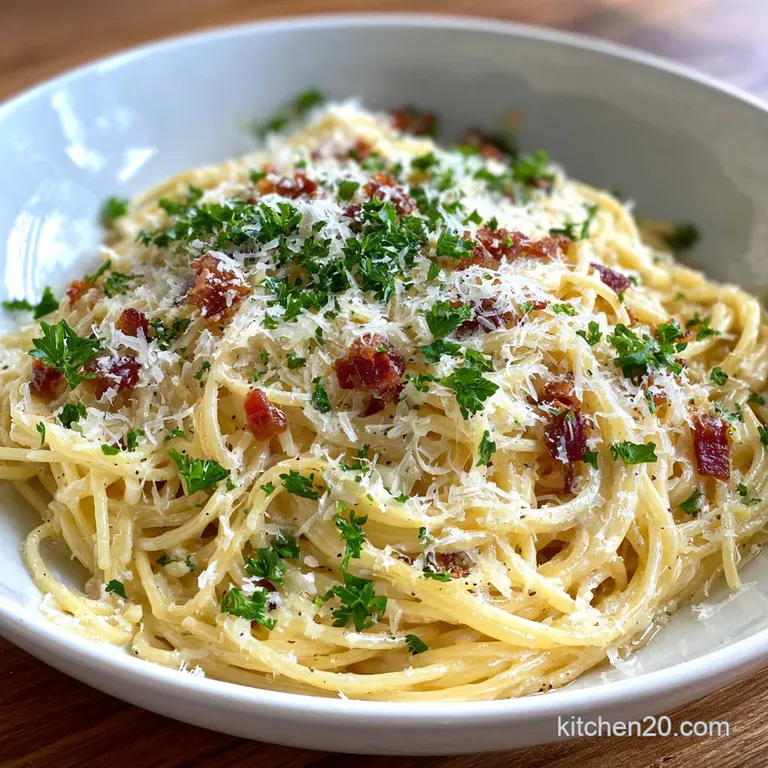
- Time: Active 15 minutes, Passive 5 minutes, Total 20 minutes
- Flavor/Texture Hook: Velvety, salt cured richness with a sharp pepper bite
- Perfect for: Impressing guests at a dinner party or a high reward weeknight meal
- Achieve Creamy Spaghetti Carbonara Perfection
- The Science of a Flawless Silky Emulsion
- Selecting the Best Components for Peak Flavor
- Essential Kitchen Tools for Seamless Pasta Prep
- Quantities and Timings for Group Hosting Success
- Step-by-Step Guide to the Final Velvety Toss
- Solutions for Common Sauce and Texture Issues
- Smart Adjustments for Every Unique Dietary Requirement
- Quantities and Scaling Guidelines
- Optimal Storage and Zero Waste Pasta Methods
- Optimal Presentation Styles for Your Dinner Party
- Debunking Pasta Myths
- Critical High in Sodium
- Recipe FAQs
- 📝 Recipe Card
Achieve Creamy Spaghetti Carbonara Perfection
The first time I tried making this for a crowd, I ended up with what I can only describe as "breakfast pasta." The pan was too hot, my timing was off, and I watched in horror as my beautiful sauce turned into scrambled eggs right before my guests' eyes.
I was devastated, but that failure was the best teacher I ever had. It taught me that this dish isn't just about mixing ingredients; it's about managing a delicate platform of temperatures and fats to create something truly connected.
Now, when I hear the sizzle of guanciale hitting the pan and the sharp aroma of freshly cracked pepper fills the air, I don't feel panic. I feel excitement. We've all seen those glossy photos and wondered how to get that mirror like sheen on the noodles without using a gallon of cream.
It’s all in the technique of using pasta water as a bridge.
This recipe is my "masterclass" version the one I pull out when I want to show off a bit. It’s decadent, it’s sleek, and it’s surprisingly fast once you understand the rhythm. Forget everything you know about heavy, gloopy sauces.
We’re going for a coating that is purely velvety and clings to every single strand of spaghetti like a second skin.
The Science of a Flawless Silky Emulsion
Starch Bound Emulsification: The starchy pasta water acts as a stabilizing agent, allowing the fat from the pork and the proteins in the egg to fuse into a unified, glossy liquid. This prevents the sauce from breaking into a greasy mess.
Coagulation Control: Keeping the egg mixture under 145°F ensures the proteins thicken into a custard like texture rather than hardening into solid curds. The heavy cream in this specific version acts as a thermal buffer, widening your window of success.
Serving Size Calculator
| Servings | Ingredient Adjustments | Pan Size | Cook Time |
|---|---|---|---|
| 2 People | 0.5 lb Pasta, 2 Eggs, 3 oz Pork | 10 inch Skillet | 12 minutes |
| 4 People | 1 lb Pasta, 4 Eggs, 6 oz Pork | 12 inch Skillet | 15 minutes |
| 6 People | 1.5 lb Pasta, 6 Eggs, 9 oz Pork | 14 inch Deep Pan | 18 minutes |
This table helps you scale the recipe without losing the texture. When you're cooking for more than four, the heat retention in the pan increases, so you'll need to be even more careful with your residual heat management.
Selecting the Best Components for Peak Flavor
Getting your hands on the right elements is half the battle. If you want that deep, funky punch, seek out guanciale (cured pork jowl). It has a higher fat to meat ratio than pancetta, which is essential for that "shatter" crunch on the outside and melt in-your mouth interior.
Component Analysis
| Ingredient | Science Role | Pro Secret |
|---|---|---|
| Pecorino Romano | Provides sharp acidity and saltiness | Grate it on the finest setting to ensure instant melting |
| Large Egg Yolks | Emulsifier and color agent | Use room temperature eggs to avoid shocking the sauce |
| Black Pepper | Cuts through the heavy fat | Toast the peppercorns in the pork fat to release oils |
If you can't find guanciale, thick cut pancetta is your best friend. Just avoid the pre diced stuff in the little plastic tubs; it’s often too dry to render properly. For the pasta, look for a "bronze cut" spaghetti.
The rougher surface area is like velcro for your sauce, ensuring it doesn't just slide off into a pool at the bottom of the bowl.
Essential Kitchen Tools for Seamless Pasta Prep
You don't need a high tech lab, but a few specific items make this whole process way less stressful. A large, stainless steel mixing bowl is my secret weapon. Instead of mixing the sauce in the hot pan (which is where most people go wrong), we’re going to use the bowl as a "bain marie" over the boiling pasta water.
This gives you total control over the heat.
You'll also need a solid pair of tongs. I once tried doing this with a fork and a prayer, and it was a disaster. Tongs allow you to whip the pasta into the sauce, creating the friction needed to build that emulsion. Also, don't forget a microplane or a very fine grater. If your cheese is in big "shreds," it won't melt; it will just clump into a rubbery ball. If you're looking for other ways to use these tools, you might enjoy experimenting with the techniques in this Haitian Spaghetti in recipe.
Quantities and Timings for Group Hosting Success
Timing is everything. You want to be sitting down to eat the second that pasta hits the bowl. This isn't a dish that waits for people; people wait for the Carbonara. I usually set the table and pour the wine before the water even starts boiling.
- 1 lb (454g) high-quality SpaghettiWhy this? The structural backbone of the dish; holds the heavy sauce perfectly.
- 1 tbsp Sea salt (for the pasta water)
- 6 oz (170g) Guanciale or thick cut Pancetta, diced into batons Why this? High fat content is necessary for the emulsified sauce base.
- 2 cloves Garlic, smashed (to be removed later)
- 3 Large Eggs, room temperature
- 1 Large Egg YolkWhy this? Adds extra lecithin for a richer, more stable emulsion.
- 1 cup (100g) Pecorino Romano, freshly grated
- 1/2 cup (50g) Parmigiano Reggiano, freshly grated
- 1/4 cup (60ml) Heavy creamWhy this? Acts as a safety net to prevent the eggs from scrambling.
- 2 tsp Coarsely cracked black pepper
step-by-step Guide to the Final Velvety Toss
- Boil the water. Use a large pot with 1 tbsp sea salt. Note: Use less salt than usual because the cheese and pork are very salty.
- Render the pork. Place 6 oz guanciale in a cold skillet. Turn heat to medium. Cook 8 minutes until the fat is translucent and the edges shatter.
- Infuse the fat. Add 2 smashed garlic cloves and 2 tsp black pepper to the skillet with the pork. Note: This toasts the pepper and flavors the oil.
- Whisk the base. In a large bowl, whisk 3 eggs, 1 yolk, 1 cup Pecorino, 1/2 cup Parmigiano, and 1/4 cup heavy cream.
- Cook the pasta. Drop 1 lb spaghetti into the water. Cook 1 minute less than package directions until very al dente.
- Temper the eggs. Whisk 1/2 cup of hot pasta water into the egg mixture in a slow stream. Note: This brings the eggs up to temp gradually.
- Combine the components. Drain the pasta (save extra water!) and add it directly to the skillet with the pork. Toss 1 minute until coated in fat.
- The final emulsion. Remove skillet from heat or move everything to the large mixing bowl. Pour the egg mixture over the pasta.
- Whip it. Use tongs to vigorously swirl the pasta. Toss 2 minutes until the liquid transforms into a velvety, thick sauce.
- Adjust consistency. If it’s too thick, add more pasta water 1 tbsp at a time. Serve immediately with extra cheese.
Solutions for Common Sauce and Texture Issues
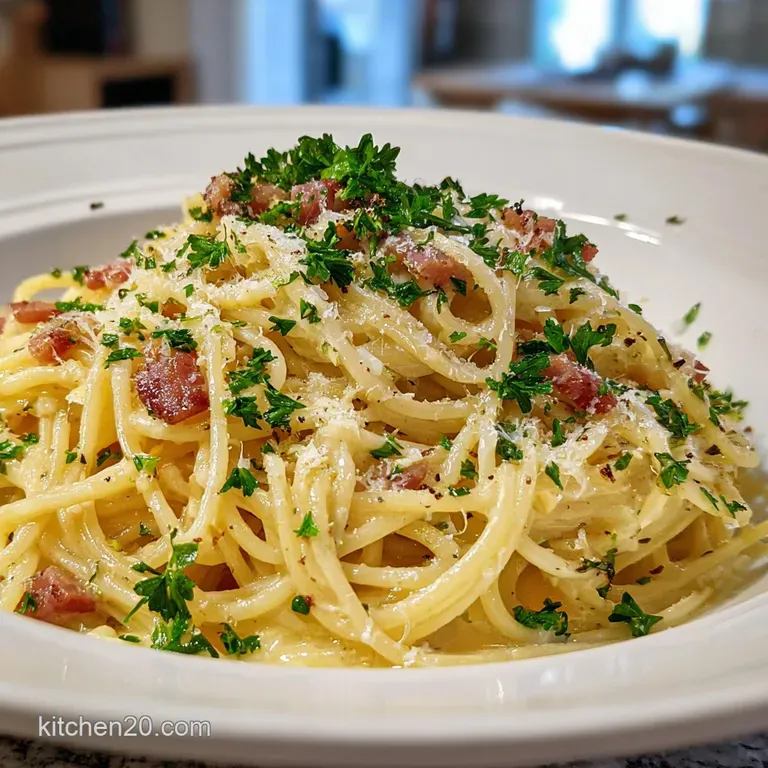
The biggest hurdle is usually the "scramble." If you see white specks starting to form, you’ve gone too far with the heat. Don't panic immediately add a splash of cold pasta water or a tiny bit more cream to drop the temperature. It’s like a cooling system for your dinner.
Quick Fix Table
| Problem | Root Cause | Solution |
|---|---|---|
| Grainy Sauce | Pan was too hot or cheese wasn't fine enough | Whisk in a tablespoon of warm pasta water and stir rapidly |
| Dry Pasta | Not enough residual moisture or starch | Add pasta water 1 tbsp at a time until it glimmers |
| Greasy Bottom | Fat didn't emulsify with the liquids | Increase tossing speed to force the fat and water to bind |
Another common mistake is "Prevailing Garlic." I love garlic, but in this dish, it’s meant to be a background note. That’s why we smash the cloves and remove them before adding the pasta. You want the essence, not the bite. For a different take on sauce structures, you might find the approach in The Classic Spaghetti recipe interesting for your next Sunday meal.
Common Mistakes Checklist
- ✓ Never add eggs to a skillet that is still sitting on a burning flame.
- ✓ Grate your cheese by hand; pre shredded cheese is coated in starch that ruins the melt.
- ✓ Don't over salt the water remember the guanciale is basically a salt block.
- ✓ Save at least two cups of pasta water before draining; you'll always need more than you think.
- ✓ Use a large enough bowl to allow for aggressive tossing and air incorporation.
Smart Adjustments for Every Unique Dietary Requirement
We want everyone at the table to feel connected to the meal, so substitutions are sometimes necessary. While purists might cringe, I've found that you can make a fantastic version of this dish with a few tweaks. If you’re going gluten-free, look for a high-quality corn and rice blend pasta.
These hold their starch well, which is vital for the sauce.
Substitution Table
| Original Ingredient | Substitute | Why It Works |
|---|---|---|
| Guanciale | Smoked Pancetta | Similar fat content. Note: Adds a smokier profile than the original |
| Pecorino Romano | Extra Parmigiano | Salty and hard. Note: Results in a milder, less "tangy" flavor |
| Heavy Cream | Full fat Greek Yogurt | High fat and thick. Note: Adds a noticeable tang to the final sauce |
For a vegetarian version, you can swap the pork for sun dried tomatoes or smoked mushrooms. You’ll lose that specific pork fat emulsion, but if you add a little extra butter to the pan when tossing the pasta, you’ll get a similar richness.
Just make sure to season with a bit more sea salt to compensate for the missing cured meat.
Quantities and Scaling Guidelines
If you're scaling DOWN to a single serving, use one whole egg and one extra yolk. It's hard to divide an egg, so the extra yolk just makes it richer. Reduce your pan size to a small skillet so the fat doesn't spread too thin and burn.
When scaling UP for a party (8+ people), do the tossing in a huge pre warmed ceramic bowl rather than the pan. The pan will hold too much heat and scramble the eggs instantly when you have that much volume.
Also, only scale the salt and pepper to 1.5x the flavors concentrate as the water evaporates.
Budget Alternatives
| Premium | Budget | Flavor Impact | Savings |
|---|---|---|---|
| Aged Guanciale | Thick Bacon | Adds smoky/sweet notes | Save $10-15 |
| DOP Pecorino | Domestic Parmesan | Less sharp/salty | Save $5-8 |
| Bronze Cut Pasta | Store Brand Spaghetti | Smoother texture, less sauce grip | Save $2-4 |
Optimal Storage and Zero Waste Pasta Methods
Honestly, don't even bother with the freezer. Carbonara is a "live" emulsion, and the freezing process breaks the bond between the fat and the egg, leaving you with a watery, oily mess when thawed.
Fridge Life: Store in an airtight container for up to 2 days.
Reheating: This is the tricky part. Never use the microwave it will cook the eggs and make them rubbery. Instead, put the cold pasta in a skillet with a splash of water or milk over very low heat. Stir constantly until it just barely becomes creamy again.
It won't be as perfect as day one, but it's still better than most things.
Zero Waste Tip: Don't throw away those Pecorino rinds! Throw them into your next batch of soup or stock. They add a deep, savory umami that is revolutionary for a simple vegetable broth.
Optimal Presentation Styles for Your Dinner Party
Presentation is part of the experience. I like to use a large meat fork to twirl the spaghetti into a high "nest" in the center of a warmed bowl. If the bowl is cold, the sauce will seize up before the guest even takes a bite.
Leveraging Residual Heat
The residual heat of the pasta is your primary cooking tool. By using a metal bowl set over the pasta pot (off the heat), you create a gentle heat zone that thickens the eggs without curdling them. It's like a warm hug for your noodles.
Chef's Tip: Grind your black pepper directly into the rendering pork fat. The heat "blooms" the piperine in the pepper, making it way more fragrant and spicy than if you just sprinkled it on at the end.
The Pasta Foundation
Choose a spaghetti with a long cook time. Thin "angel hair" or quick cook varieties turn to mush under the vigorous tossing required for the emulsion. You want a noodle that can stand up to the "whipping" action of the tongs.
Debunking Pasta Myths
"You must use cream for it to be 'Creamy Carbonara'." This is a huge misconception. While this recipe uses a small amount as a safety net, the real creaminess comes from the emulsion of fat and starchy water. The cream is just there to help beginners keep the eggs from scrambling.
"Adding oil to pasta water prevents sticking." No, it just makes your pasta greasy and prevents the sauce from sticking to the noodles. The only thing that prevents sticking is a large volume of water and the occasional stir during the first two minutes of boiling.
"Carbonara should be yellow." This depends entirely on your eggs! If you use high-quality pasture raised eggs with deep orange yolks, your sauce will be golden. If you use standard grocery store eggs, it will be paler. The color doesn't change the flavor as much as the quality of the cheese does.
Now, let's crack on and get that water boiling. You've got this! Just remember: heat off, eggs in, toss like your life depends on it. Trust me, that first velvety bite is going to be a total game changer for your weeknight rotation.
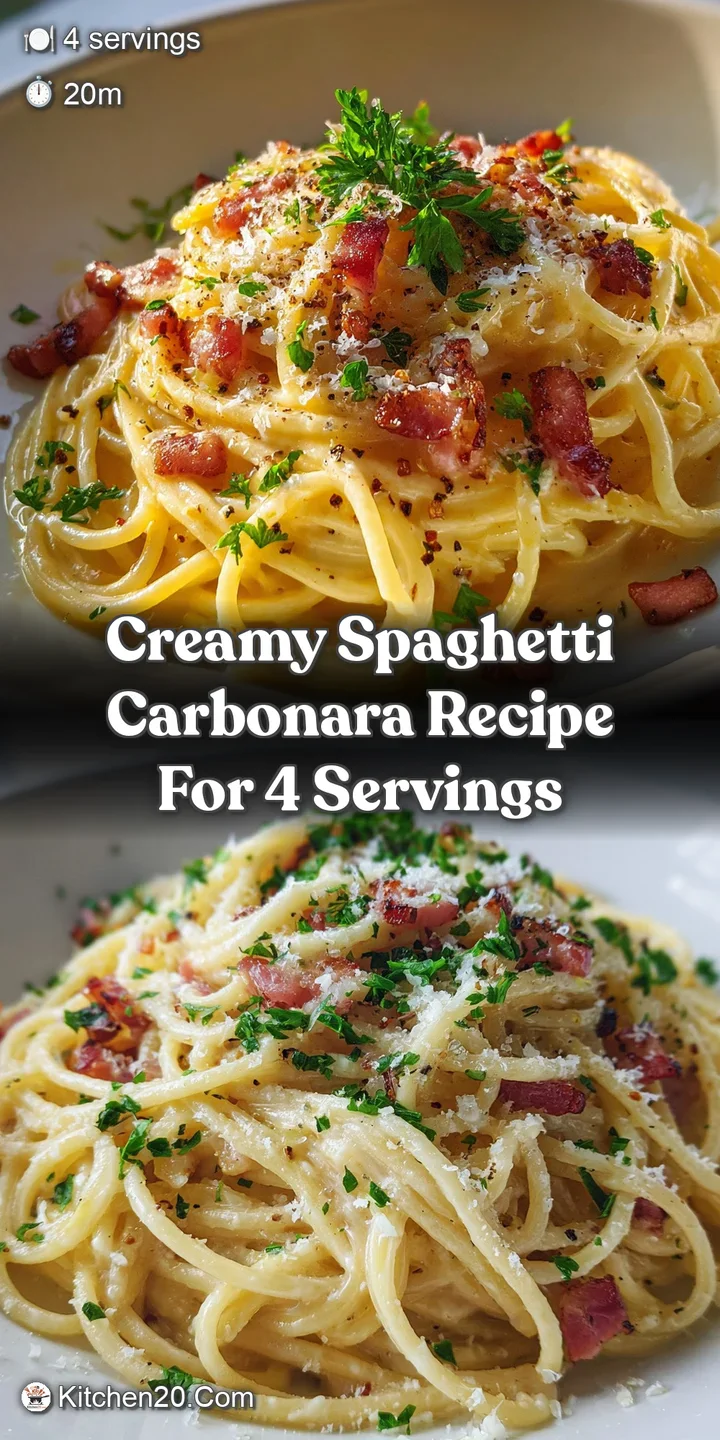
Critical High in Sodium
1245 mg mg of sodium per serving (54% % of daily value)
The American Heart Association recommends limiting sodium intake to no more than 2,300mg per day.
Sodium Reduction Tips for Carbonara
-
Lower Sodium Meat-25%
Guanciale and pancetta are high in sodium. Try using fresh pork belly and curing it yourself with herbs and spices, or look for a lower sodium pancetta option, aiming for less than 400mg sodium per 4oz serving. Be sure to adjust other seasonings accordingly.
-
Reduce Salty Cheese-20%
Pecorino Romano and Parmigiano Reggiano are both very salty cheeses. Reduce the amount of Pecorino Romano by half, and substitute the other half with low-sodium mozzarella or another milder, lower sodium cheese.
-
Omit Added Salt-15%
Eliminate the 1 tbsp of sea salt added to the pasta water. The cheeses and cured meat provide plenty of salt. You can add salt to taste at the end, but taste before adding any additional salt.
-
Enhance with Herbs
Use fresh herbs like parsley, chives, or thyme to boost the flavor of the dish without adding sodium. Freshly ground black pepper and a pinch of red pepper flakes can also add depth and complexity.
Recipe FAQs
Must I use guanciale for authentic Spaghetti Carbonara?
No, but it is highly recommended. Guanciale (cured pork jowl) provides the ideal fat-to-meat ratio for the perfect sauce base. If unavailable, thick cut, high-quality pancetta is the best substitute.
How to prevent the egg from scrambling when making the sauce?
Remove the pan completely from the heat source before adding the egg mixture. The residual heat from the pasta and the hot pan is enough to thicken the eggs into a custard; direct heat will cause them to curdle instantly.
Is it true that adding heavy cream is considered cheating in Carbonara?
No, this is a common misconception, though traditionalists disagree. A small amount of heavy cream acts as a fantastic thermal buffer, making the sauce far more stable and less prone to scrambling for home cooks.
How to achieve a glossy, non-clumpy sauce texture?
Vigorously toss the pasta with the egg mixture in a separate, off-heat bowl. The goal is to rapidly create a stable emulsion between the egg, rendered pork fat, and the starchy pasta water. If you mastered this temperature control here, see how the same principle applies when balancing flavors in the Creamy Dreamy Simple recipe.
What is the role of the starchy pasta water in the recipe?
The starch binds the sauce components together into a cohesive emulsion. Reserve at least one cup of the cooking water before draining, as you will slowly introduce it to achieve the perfect coating consistency.
How to properly grate the cheese for the best melt?
Grate Pecorino Romano and Parmigiano Reggiano as finely as possible using a microplane. Large shreds will not melt quickly enough, resulting in rubbery clumps suspended in the sauce.
Can I make Spaghetti Carbonara ahead of time for later serving?
No, Carbonara must be served immediately after mixing. The sauce is a fragile, temperature dependent emulsion that will break, separate, and become greasy or dry if allowed to cool or sit for too long.
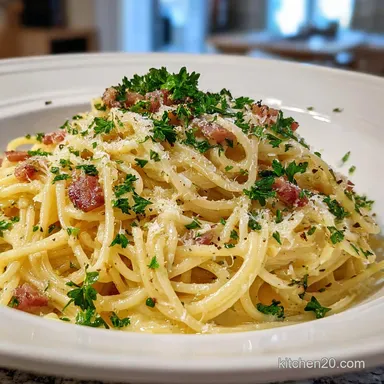
Creamy Spaghetti Carbonara
Ingredients:
Instructions:
Nutrition Facts:
| Calories | 822 kcal |
|---|---|
| Protein | 40.8 g |
| Fat | 34.2 g |
| Carbs | 87.5 g |
| Fiber | 3.9 g |
| Sugar | 3.1 g |
| Sodium | 1245 mg |
