Creamy Tuscan Ravioli: Velvety Sauce
- Time: Active 5 mins, Passive 15 mins, Total 20 mins
- Flavor/Texture Hook: Silky, velvety sauce with concentrated bursts of umami
- Perfect for: High impact weeknight dinners or short notice hosting
- Crafting My Signature Creamy Tuscan Ravioli
- The Physics of Velvety Emulsions
- Timing and Precision Benchmarks
- Selecting Your Quality Components
- The Platform for Stovetop Mastery
- Execution and Plating Workflow
- Strategies for Flawless Execution
- Scaling and Customization Pathways
- Ingredient Shortcuts and Swaps
- Searing and Sauce Realities
- Efficiency and Storage Systems
- Fostering Tabletop Connections
- Critical Level of Sodium
- Recipe FAQs
- 📝 Recipe Card
Crafting My Signature Creamy Tuscan Ravioli
The kitchen was quiet until the first sliced clove of garlic hit that shimmering sun dried tomato oil. That specific sizzle is the sound of a recipe coming to life. I remember the first time I attempted this dish; I was hosting a small group of friends and had completely lost track of time while testing a new digital cooking platform.
I needed something that felt intentional and gathered, yet took less than half an hour to execute.
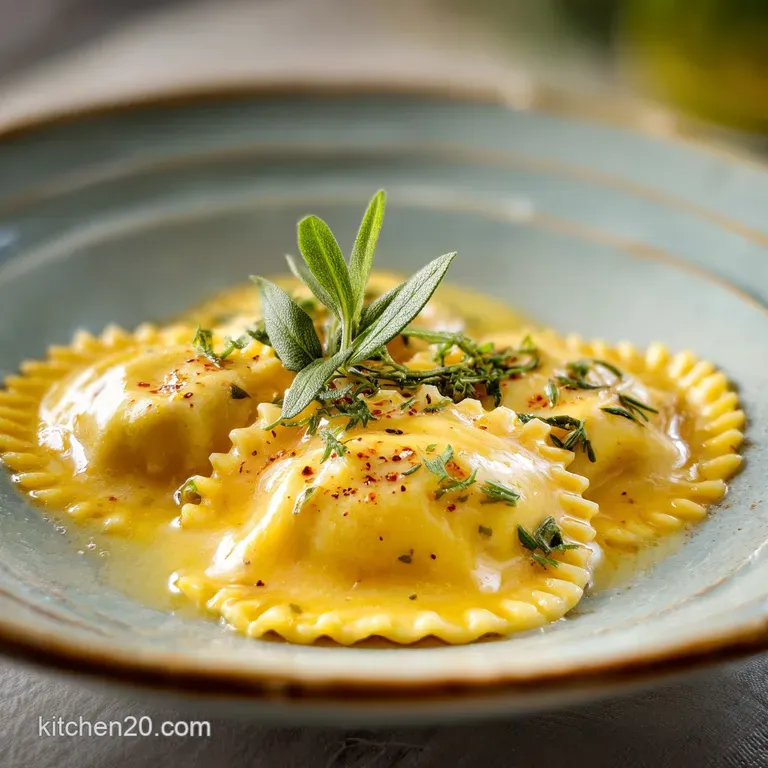
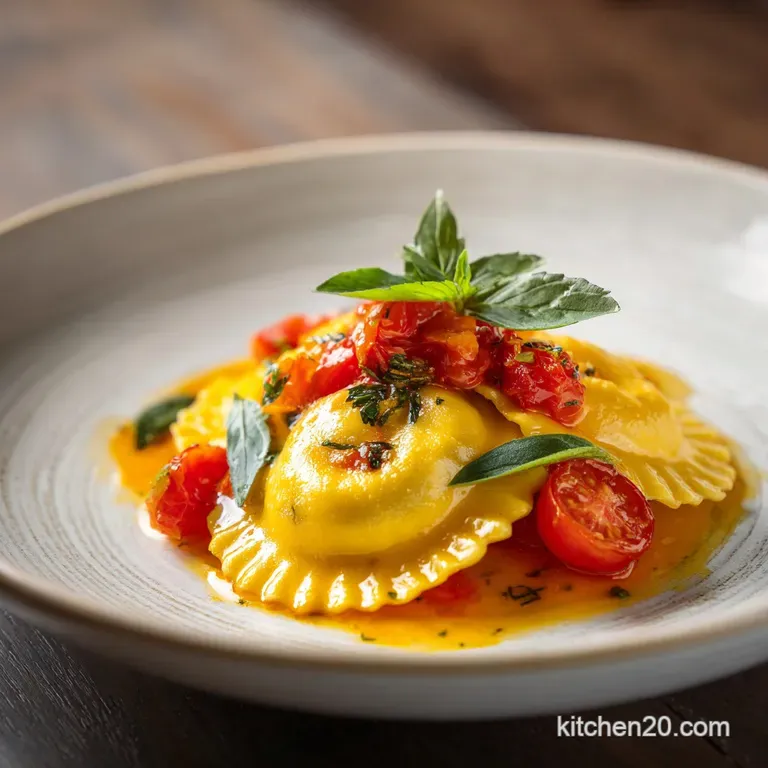
I reached for the refrigerated ravioli and a jar of sun dried tomatoes. As the half and half swirled into the chicken broth, the sauce transformed into a velvety, sunset colored emulsion.
The aroma of basil and garlic filled the room, instantly revolutionizing my perspective on "fast food." It wasn't just a meal; it was a way to foster connection around the table without the stress of a three hour braise.
We've all been there where the sauce separates or the spinach turns to mush. I’ve made those mistakes so you don't have to. This version is all about the science of the sear and the timing of the fold. It's a reliable platform for anyone looking to bridge the gap between convenience and gourmet quality.
The Physics of Velvety Emulsions
- Maillard Concentration: Searing the garlic in reserved sun dried tomato oil creates a foundation of sulfurous compounds and caramelized sugars.
- Starch Stabilization: The residual flour on refrigerated ravioli acts as a secondary thickener, helping the half and half bind with the chicken broth.
- Fat Emulsification: Adding freshly grated Parmesan at the very end prevents the cheese from becoming stringy, ensuring it integrates into the liquid.
- Thermal Carryover: Adding spinach to the hot pan off the heat uses residual energy to wilt the leaves, preserving their cellular structure and bright color.
| Attribute | Fast (This Method) | Classic (Slow Simmer) | Impact |
|---|---|---|---|
| Acid Profile | Sharp, fresh cherry tomatoes | Deep, jammy tomato paste | High contrast brightness |
| Sauce Base | Half and half emulsion | Heavy cream reduction | Lighter mouthfeel |
| Preparation | 20 minutes total | 60+ minutes | Weeknight accessible |
Choosing between a quick sauté and a long braise often comes down to the occasion. While the classic method builds layers over hours, this technique uses high impact ingredients like sun dried tomatoes to provide that aged, concentrated flavor in a fraction of the time.
Timing and Precision Benchmarks
To ensure you’re hitting the right notes during the cook, keep these three precision checkpoints in mind. First, boil your 20 oz refrigerated cheese ravioli for exactly 3-4 minutes you want them slightly resistant to the tooth because they will finish cooking in the sauce.
Second, when you add the 1/2 cup half and half and 1/2 cup chicken broth, maintain a gentle simmer for 2-3 minutes until the liquid coats the back of a spoon. Finally, ensure your Parmesan is grated finely; it should melt into the sauce in under 30 seconds for that velvety finish.
Selecting Your Quality Components
The beauty of this dish lies in the synergy between pantry staples and fresh produce. It's a platform for flavor where every element has a job. This recipe is quite similar to the flavor profile found in my Creamy Tuscan Butter Beans recipe, focusing on that harmony of cream and acidity.
| Ingredient | Science Role | Pro Secret |
|---|---|---|
| Sun dried Tomatoes | Provides concentrated umami and acidity | Use the oil from the jar for searing to double the flavor |
| Half and Half | Creates the creamy emulsion base | Temper it with a splash of warm broth to prevent curdling |
| Fresh Spinach | Adds bitter contrast and moisture | Fold in at the very end to prevent a "slimy" texture |
| Parmesan Cheese | Acts as a savory salt and thickener | Always grate from a block to avoid anti clumping starches |
Building a meal from these components ensures a multi dimensional experience. The sun dried tomatoes offer a chewy, intense sweetness, while the cherry tomatoes provide a fresh, watery snap that cuts through the richness of the half and half.
For the Ravioli
- 20 oz refrigerated cheese ravioli: The star of the show.
- Substitute: Dried ravioli (requires longer boiling). Why this? Refrigerated pasta has higher moisture and a more delicate, silky texture.
- 1 tbsp sea salt: For the pasta water.
- Substitute: Kosher salt.
For the Lighter Tuscan Sauce
- 1/2 cup sun dried tomatoes in oil: Drained, but keep the oil.
- Substitute: Sun dried tomatoes in a pouch (add 2 tbsp olive oil).
- 1 cup fresh cherry tomatoes: Halved for quick juice release.
- Substitute: Grape tomatoes. Why this? These burst quickly, adding natural pectin to thicken the sauce.
- 3 cloves garlic: Thinly sliced for even distribution.
- Substitute: 1 tsp garlic powder (not recommended for flavor).
- 2 cups fresh baby spinach: For color and iron.
- Substitute: Chopped kale (sauté 2 mins longer).
- 1/2 cup low sodium chicken broth: The liquid base.
- Substitute: Vegetable broth or dry white wine.
- 1/2 cup half and half: For the creamy finish.
- Substitute: Whole milk with 1 tsp cornstarch. Why this? Provides richness without the heaviness of full heavy cream.
Seasonings & Finishers
- 1/2 cup freshly grated Parmesan cheese: The salty soul.
- Substitute: Pecorino Romano.
- 1/2 tsp red pepper flakes: For a subtle warmth.
- Substitute: A pinch of cayenne.
- 1/4 cup fresh basil leaves: Chiffonade style.
- Substitute: 1 tsp dried basil (add earlier).
- 1/4 tsp freshly cracked black pepper: For bite.
- Substitute: White pepper for a milder heat.
The Platform for Stovetop Mastery
You don't need a high tech lab to revolutionize your dinner routine, but the right tools matter. A large 12 inch skillet (like a Lodge cast iron or an All Clad stainless steel) is essential here. The wide surface area allows for rapid evaporation, which is how we get the sauce to thicken in just a few minutes.
You’ll also want a large pot for the ravioli and a spider strainer or slotted spoon to transfer the pasta directly into the sauce this brings along a little starchy pasta water, which is culinary liquid gold for emulsification.
Execution and Plating Workflow
1. The Al Dente Foundation
Bring a large pot of water to a boil with 1 tbsp sea salt. Add the 20 oz refrigerated cheese ravioli and cook for 3-4 minutes until they just begin to float. Note: They should be slightly underdone as they will absorb sauce later.
2. Searing the Aromatics
While the pasta cooks, heat 2 tbsp of the reserved sun dried tomato oil in your skillet over medium heat. Add the 3 cloves of thinly sliced garlic and 1/2 tsp red pepper flakes, sautéing for 1 minute until the garlic is fragrant and pale gold.
3. Blistering the Tomatoes
Toss in the 1/2 cup sun dried tomatoes and 1 cup halved cherry tomatoes. Sauté for 3-4 minutes until the cherry tomatoes begin to collapse and release their juices.
4. Building the Sauce
Pour in the 1/2 cup low sodium chicken broth and 1/2 cup half and half. Stir constantly to combine the fats and liquids. Simmer for 2 minutes until the sauce bubbles gently and thickens slightly.
5. Integrating the Cheese
Whisk in the 1/2 cup freshly grated Parmesan and 1/4 tsp cracked black pepper. Continue stirring until the cheese is completely melted and the sauce is velvety.
6. The Pasta Transfer
Using a slotted spoon, move the ravioli from the boiling water directly into the skillet. Note: A little extra water helps the sauce cling to the pasta.
7. The Final Fold
Add the 2 cups baby spinach to the pan. Turn off the heat and toss gently for 1 minute until the spinach is wilted but still bright green.
8. Garnish and Serve
Sprinkle the 1/4 cup fresh basil over the top. Serve immediately in warmed bowls to keep the sauce from setting too quickly.
Strategies for Flawless Execution
One of the biggest hurdles with any cream based pasta is the "break," where the oil separates from the dairy. This usually happens if the heat is too high after the cheese is added. If you notice the sauce looking oily, add a tablespoon of the hot pasta water and whisk vigorously off the heat.
The starch in the water acts as a bridge, reconnecting the fat and water molecules.
Avoiding Sauce Separation
The temperature of your dairy matters. If you pour ice cold half and half into a scorching pan, the proteins can seize. Try to set your cream out for ten minutes before cooking, or temper it by mixing it with a little of the warm broth first.
| Problem | Root Cause | Solution |
|---|---|---|
| Rubbery Ravioli | Overboiled in the water | Pull pasta 1 minute before the package suggests |
| Thin/Watery Sauce | Not enough reduction | Simmer broth/cream for an extra minute before adding pasta |
| Clumpy Cheese | Using pre shredded cheese | Grate fresh Parmesan to avoid anti caking agents |
Common Mistakes Checklist
- ✓ Don't discard all the pasta water; you might need a splash to loosen the sauce later.
- ✓ Slicing the garlic too thin can lead to burning aim for "Goodfellas" translucent but not microscopic.
- ✓ Avoid crowding the skillet; if the tomatoes are stacked, they will steam rather than sear.
- ✓ Never boil the sauce after the Parmesan is added, or the cheese will turn grainy.
- ✓ Pat the spinach dry if it's wet from washing to prevent diluting the cream.
Scaling and Customization Pathways
When you're scaling this recipe for a crowd, remember that liquids don't always double linearly. If you are making 8 servings (40 oz of ravioli), increase the broth and half and half to 3/4 cup each rather than a full cup. This prevents the dish from becoming a soup.
Use two pans if necessary; overcrowding will drop the temperature and prevent the tomatoes from blistering correctly.
If you're cooking for two, simply halve all ingredients. For the half and half, you can use the remaining portion in your morning coffee to ensure zero waste. Small batch cooking requires a smaller pan (10 inch) to ensure the sauce doesn't evaporate too quickly.
Decision Shortcut
- If you want a thicker sauce, add an extra 1/4 cup of Parmesan.
- If you want more heat, double the red pepper flakes and add a pinch of smoked paprika.
- If you want a crispier texture, sear the ravioli in a separate pan with butter before adding to the sauce.
Ingredient Shortcuts and Swaps
Sometimes we don't have every "perfect" component on hand. If you are missing fresh basil, a spoonful of jarred pesto can be a revolutionizing addition. Just stir it in at the very end. This flexibility is what makes this dish a great platform for creative cooking.
| Original Ingredient | Substitute | Why It Works |
|---|---|---|
| Half and Half (1/2 cup) | Heavy Cream (1/4 cup) + Water (1/4 cup) | Mimics the fat content without being overly thick |
| Fresh Spinach (2 cups) | Frozen Spinach (1/2 cup, thawed/squeezed) | Same nutrient profile, though less visual texture |
| Chicken Broth (1/2 cup) | Dry White Wine (e.g., Pinot Grigio) | Adds a sophisticated acidity boil for 1 min to cook off alcohol |
Chef's Tip: To deepen the flavor, freeze your Parmesan rind and toss it into the simmering broth/cream mixture. Remove it before serving. It adds a massive hit of savory depth that salt alone can't provide.
Searing and Sauce Realities
There's a common misconception that you must use heavy cream for a "Tuscan" sauce. In reality, the combination of chicken broth and half and half creates a much more balanced profile that allows the tomatoes to shine. Another myth is that you need to rinse the ravioli after boiling.
Rinsing removes the starch that actually helps the sauce stick to the pasta never rinse!
Another thing I hear often is that fresh tomatoes and sun dried tomatoes shouldn't mix. Total nonsense. The sun dried versions bring the "bass notes" of deep, earthy flavor, while the fresh cherry tomatoes bring the "treble" of bright, acidic pops.
Together, they create a full spectrum flavor experience that feels incredibly connected.
Efficiency and Storage Systems
Storage: This dish is best enjoyed immediately because the ravioli will continue to absorb the sauce as it sits. If you do have leftovers, keep them in an airtight container in the fridge for up to 3 days.
When reheating, add a splash of milk or broth to the pan to loosen the sauce back to its velvety state.
Freezing: I don't recommend freezing the assembled dish, as the cream sauce will likely break and the ravioli will become mushy upon thawing. However, you can freeze the "Tuscan base" (tomatoes, garlic, broth, and cream) without the pasta and spinach for up to 2 months.
Zero Waste: Don't throw away that sun dried tomato oil! Use it for salad dressings or for searing chicken breasts. If you have leftover spinach that's starting to wince, blend it into a quick pesto or add it to my Italian Wedding Soup recipe for an extra nutritional boost.
Fostering Tabletop Connections
To truly elevate this meal into an occasion, pair it with something that offers a structural contrast. A crusty baguette or a simple arugula salad with a lemon vinaigrette works wonders. The sharpness of the lemon cuts through the creamy Ravioli sauce, refreshing the palate between bites.
For a complete Italian themed evening, start with a hearty appetizer and finish with a classic dessert. If you have the time to prep ahead, this Classic Italian Lasagna recipe is another great way to explore creamy sauces. And for the ultimate finale, nothing beats a Tiramisu recipe to leave your guests feeling truly cared for. If it’s a cozy night in, even a slice of Pecan Pie Recipe provides a lovely, nutty contrast to the savory herbs in the ravioli. Enjoy the process, and remember that the best part of any recipe is the people you share it with.
Critical Level of Sodium
1150 mg mg of sodium per serving (50% % of daily value)
The American Heart Association recommends limiting sodium intake to no more than 2,300mg per day for most adults. Ideally, aim for 1,500mg per day for even greater heart health benefits.
Actionable Tips to Reduce Sodium:
-
Swap Broth-30%
Replace regular low-sodium chicken broth with a no-sodium added version. This simple switch can significantly cut down on sodium without sacrificing flavor. Alternatively, use homemade broth with no added salt.
-
Reduce Salt-25%
Eliminate the added tablespoon of sea salt during cooking. Taste the dish after cooking and only add a very small pinch if absolutely needed. Remember, other ingredients already contribute sodium.
-
Less Cheese, Lower Sodium-15%
Reduce the amount of Parmesan cheese by half (to 1/4 cup) or substitute with a lower sodium cheese alternative. Consider using nutritional yeast for a cheesy flavor with less sodium.
-
Rinse Sun-Dried Tomatoes-10%
Even drained, sun-dried tomatoes can contain residual sodium. Rinse them lightly with water before adding them to the recipe. Consider using fresh tomatoes and oven drying them yourself.
-
Choose Ravioli Wisely-10%
Check the sodium content on the ravioli packaging and select a brand with lower sodium per serving, or consider making your own ravioli to control the ingredients.
-
Herb Power!
Enhance the flavor with plenty of fresh herbs like basil, oregano, and parsley. Experiment with different combinations to create delicious, sodium free flavor profiles.
Recipe FAQs
What is creamy Tuscan sauce?
It is a rich, savory cream sauce featuring sun dried tomatoes and spinach. This style typically uses half and half or heavy cream emulsified with broth, garlic, and Parmesan cheese to coat pasta or protein.
What is Tuscany sauce made of?
The primary components are dairy (half and half/cream), concentrated tomato flavor from sun dried tomatoes, garlic, and Parmesan cheese. Cherry tomatoes add fresh acidity to balance the richness of the cream.
How to keep creamy pasta creamy?
Add starchy pasta water or temper cold dairy before adding it to the hot pan. Whisk vigorously off the heat once the cheese is incorporated to prevent the fats from separating or breaking.
What is the best sauce to go with ravioli?
A versatile, light emulsified sauce like this Tuscan style is often best for cheese ravioli. It coats the pasta without overwhelming the filling flavor, much like the balanced flavor profile in our Greek Cucumber Sauce recipe uses fresh dairy to compliment stronger flavors.
Should I use refrigerated or frozen ravioli for this dish?
No, stick with refrigerated for the best texture. Refrigerated pasta has a higher moisture content, which allows it to finish cooking beautifully in the sauce and absorb flavor better than frozen varieties.
How to prevent the spinach from turning mushy in the sauce?
Add the spinach only after the heat is turned off. The residual heat in the pan is enough to wilt the leaves perfectly while preserving their bright color and structure.
Is it true that heavy cream is essential for authentic Tuscan flavor?
No, this is a common misconception. Using half and half with chicken broth provides a lighter mouthfeel that highlights the tomatoes; using heavy cream can often overpower the dish's delicate savory notes.
Creamy Tuscan Ravioli
Ingredients:
Instructions:
Nutrition Facts:
| Calories | 565 kcal |
|---|---|
| Protein | 18 g |
| Fat | 27 g |
| Carbs | 58 g |
| Fiber | 4 g |
| Sugar | 6 g |
| Sodium | 1150 mg |
