Colombian Empanadas: Shatter Crisp Corn Dough
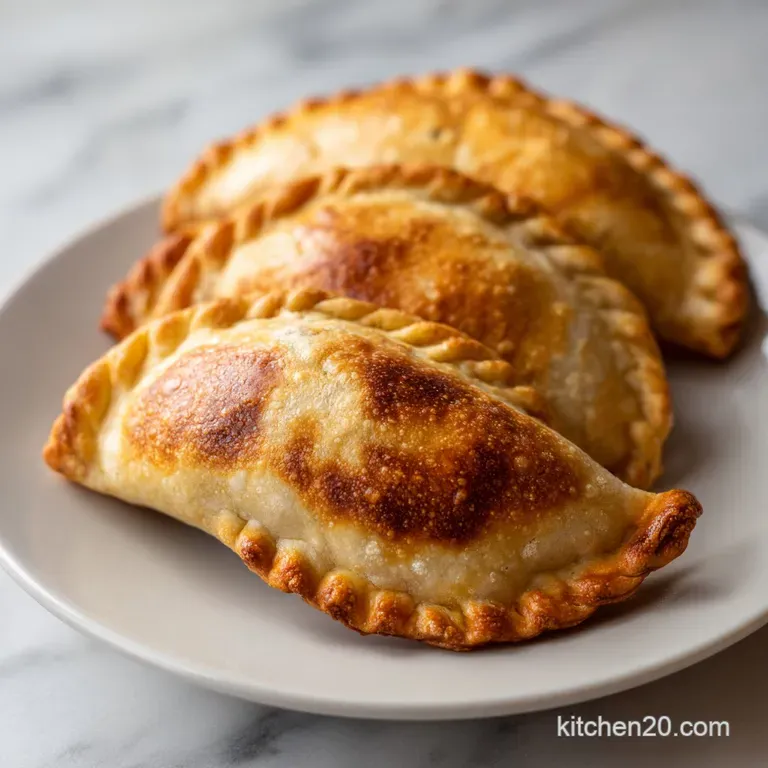
- Time: Active 45 minutes, Passive 1 hours 30 mins, Total 2 hours 15 mins
- Flavor/Texture Hook: Shatter crisp corn crust with velvety beef filling
- Perfect for: Game day gatherings and social appetizer platters
- Mastering the Crunch of Colombian Empanadas
- Essential Recipe Performance Specifications
- The Science of the Snap
- Essential Ingredient Breakdown
- Tools for a Perfect Batch
- Executing the Culinary Process
- Solving Common Preparation Issues
- Tailoring the Flavor Profile
- Preservation and Temperature Recovery
- Final Presentation and Pairings
- Recipe FAQs
- 📝 Recipe Card
Mastering the Crunch of Colombian Empanadas
The first time I stood on a street corner in Bogotá, the air was thick with the scent of hot oil and toasted corn. I watched a woman with lightning fast hands press gold hued dough into perfect half moons using nothing but a plastic sheet and a small bowl.
When she handed me one, the outer shell didn't just crunch, it shattered like glass, revealing a steaming, savory center of beef and potato. It was a revelation in textures that changed how I thought about fried dough forever.
We’ve all tried those thick, doughy versions that feel more like heavy bread, but that isn't the goal here. True success lies in the thinness of that corn crust and the richness of the hogao sauce that binds the filling.
This recipe is about bringing that street side energy into your kitchen, using modern consistency to ensure every single bite has that specific snap. Whether you are hosting a viewing party or just want to treat your roommates, these are the ultimate social connectors.
The beauty of this dish is how it scales for a crowd without losing its soul. It represents a revolutionizing way to look at appetizers, moving away from frozen bags toward something handcrafted and authentic.
We are going to walk through the exact mechanics of the dough and the filling, so you can replicate that Bogotá street corner magic right on your own stove. Trust me, once you hear that first bite crackle, there is no going back to the heavy stuff.
Essential Recipe Performance Specifications
Dough Elasticity: The masarepa must hydrate for at least 10 minutes to ensure the corn starches fully swell, which prevents the shell from cracking during the shaping process.
Maillard Reaction: Searing the beef chuck before braising creates complex flavor molecules that permeate the entire filling, providing a deep savory base that bouillon alone cannot replicate.
Steam Control: Dicing the potatoes into tiny, uniform cubes ensures they soften completely in the braising liquid, acting as a natural thickener that holds the shredded beef together without making the filling runny.
Thermal Stability: Maintaining the frying oil at precisely 180°C prevents the dough from absorbing excess fat, resulting in a clean, non greasy finish that highlights the toasted corn flavor.
| Method | Time | Texture | Best For |
|---|---|---|---|
| Deep Fry | 5 minutes | Shatter crisp shell | Maximum authentic flavor |
| Air Fryer | 12 minutes | Firm and crunchy | Lower fat daily snacking |
| Oven Bake | 20 minutes | Toasted and sturdy | Large batches for parties |
Choosing the right method depends on your timeline, but for the true experience, the deep fry is king. The way the cornmeal reacts to the hot oil creates tiny bubbles on the surface that contribute to that signature mouthfeel. If you are looking for a slightly different flavor profile for your next gathering, you might also enjoy experimenting with a Spicy Chorizo Empanadas recipe which brings a smoky heat to the table.
The Science of the Snap
| Ingredient | Science Role | Pro Secret |
|---|---|---|
| Yellow Masarepa | Pre cooked starch structure | Never use cornmeal; it lacks the binding power for thin crusts. |
| Beef Chuck | Connective tissue breakdown | Braise until collagen turns to gelatin for a velvety mouthfeel. |
| Russet Potatoes | Starch thickening agent | Use old potatoes; their high starch content binds the filling perfectly. |
| Sazón Goya | Flavor and color catalyst | The achiote provides that iconic golden hue without staining the oil. |
Essential Ingredient Breakdown
- 2 cups yellow masarepa: This is pre cooked cornmeal. Why this? It hydrates instantly to form a pliable dough that cornmeal cannot achieve. Substitute: White masarepa for a milder corn flavor.
- 2.5 cups warm water: Used to hydrate the dough. Why this? Warm water activates the starches faster than cold water for better elasticity. Substitute: Vegetable broth for extra depth.
- 1 lb beef chuck: The heart of the filling. Why this? The fat and connective tissue ensure the meat stays juicy after frying. Substitute: Flank steak, though it will be slightly drier.
- 2 large russet potatoes: Peeled and diced. Why this? They break down slightly to create a cohesive, creamy filling texture. Substitute: Yukon Gold for a more buttery finish.
- 1 cup hogao sauce: A blend of scallions and tomatoes. Why this? This is the "mother sauce" of Colombia, providing the aromatic base. Substitute: Fine chopped salsa cruda in a pinch.
- 1 packet Sazón Goya: Specifically with Culantro y Achote. Why this? It provides the specific savory profile and the sunset orange color. Substitute: 0.5 tsp turmeric mixed with 0.5 tsp ground cumin.
- 1 beef bouillon cube: Dissolved in the braise. Why this? It boosts the umami profile of the beef and potato mixture. Substitute: 1 tsp liquid aminos.
- 4 cups water: For the braising liquid.
- 1 tbsp vegetable oil: Added to the dough for suppleness.
- 2 cups vegetable oil: For deep frying.
Tools for a Perfect Batch
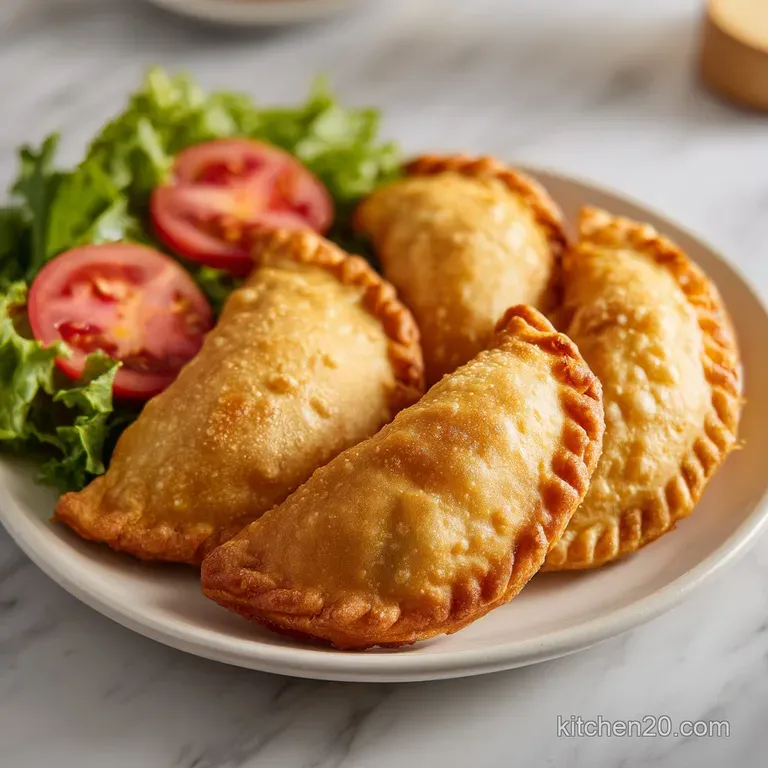
To get that restaurant quality finish, a heavy bottomed pot like a Dutch oven is your best friend for the braise. It distributes heat evenly, which is crucial for breaking down the beef chuck over 1 hours 30 mins.
For the dough, a large glass mixing bowl allows you to see if any dry pockets of masarepa remain at the bottom.
The real "secret weapon" is a simple heavy duty plastic freezer bag, cut down the sides to open like a book. This acts as a non stick platform for pressing the dough. You'll also need a medium sized cereal bowl (about 10-12 cm in diameter) to use as a cutter.
This ensures every empanada is uniform, which is not just about aesthetics it means they all cook at the exact same rate in the oil.
Executing the Culinary Process
- Braise the beef. Combine 1 lb beef chuck, 1 beef bouillon cube, and 4 cups water in a pot. Simmer 1 hours 30 mins until the meat shreds easily with two forks.
- Cook the potatoes. Add the diced russet potatoes to the beef liquid during the last 20 minutes of cooking until fork tender but not mushy.
- Combine the filling. Drain the liquid (save it for soup!), shred the beef, and mix with the potatoes and 1 cup hogao sauce. Note: Mixing while warm helps the flavors meld.
- Hydrate the masarepa. In a large bowl, mix 2 cups yellow masarepa, 1 packet Sazón, 0.5 tsp salt, 1 tbsp oil, and 2.5 cups warm water.
- Knead the dough. Work the mixture with your hands for 2 minutes until it feels like soft play dough and doesn't stick to your fingers.
- Rest the dough. Cover with a damp cloth for 10 minutes. Note: This prevents the dough from cracking when you fold it.
- Shape the discs. Place a golf ball sized piece of dough between two layers of plastic. Press flat with a heavy plate until it is about 3mm thick.
- Fill and seal. Place 1 tablespoon of filling in the center. Fold the plastic over to create a half moon, then press the edges with a bowl to cut and seal.
- Fry the empanadas. Heat 2 cups oil to 180°C. Fry 3-4 at a time for 5 minutes until the exterior is golden and feels rigid to the touch.
- Drain and rest. Place on a wire rack for 2 minutes before serving. Note: A wire rack prevents the bottom from getting soggy compared to paper towels.
Solving Common Preparation Issues
Avoiding Shell Fractures
If your dough is cracking as you fold it, the hydration level is too low. Masarepa is very thirsty. If you live in a dry climate, you might need an extra tablespoon or two of water. The dough should feel supple, almost like damp clay. If it feels grainy, keep kneading with wet hands until it smoothens out.
Preventing Oil Blowouts
Empanadas usually explode because there is air trapped inside or the filling is too wet. When you fold the dough over the beef, start pressing from the center outwards to push the air out.
Also, ensure your filling has cooled significantly; putting hot filling into room temperature dough creates steam that wants to escape through the crust.
| Problem | Root Cause | Solution |
|---|---|---|
| Greasy shell | Oil temperature too low | Wait for oil to reach 180°C before adding next batch. |
| Soggy bottom | Rested on paper towels | Use a wire cooling rack to allow air circulation. |
| Tough crust | Dough worked too long | Knead only until smooth; overworking can make it dense. |
Common Mistakes Checklist ✓ Always use "Masarepa" (pre cooked) and never standard cornmeal or corn flour. ✓ Let the filling cool to room temperature before assembly to prevent steam bursts.
✓ Don't overcrowd the frying pot, as this drops the oil temperature and leads to greasiness. ✓ Use a plastic sheet for pressing; the dough is too delicate to handle without it. ✓ Ensure the potatoes are diced small (0.5 cm) so they integrate with the shredded beef.
Tailoring the Flavor Profile
If you find yourself needing to scale this for a massive party, the math is relatively simple. For the dough, you can double the recipe easily, but I recommend mixing it in two separate batches to ensure even hydration.
When doubling the spices and salt, use only 1.5x the amount first, then taste; saltiness can intensify quickly in large volumes.
For those looking for a different spin, a vegetarian version is quite simple to execute. Replace the beef with a mix of sautéed mushrooms and black beans. The mushrooms provide that necessary umami that the beef chuck usually brings.
If you want a leaner version, the Colombian empanadas air fryer method is fantastic just brush the outsides lightly with oil and cook at 200°C for about 12 minutes, turning halfway through.
Chef's Tip: To get a deeper chocolate like richness in your beef filling, add a teaspoon of instant espresso powder to the braising liquid. It won't taste like coffee, but it anchors the savory notes of the cumin and beef.
Preservation and Temperature Recovery
You can absolutely make these ahead of time, which is why they are so revolutionizing for host led events. You can assemble them and keep them on a tray covered with plastic wrap in the fridge for up to 24 hours.
If you want to freeze them, do so on a flat tray first before transferring to a bag; they will keep for up to 3 months. Fry them directly from frozen, adding about 2 minutes to the total cook time.
When it comes to reheating, avoid the microwave at all costs it will turn that beautiful shatter crisp shell into a rubbery mess. Instead, use a toaster oven or air fryer at 180°C for 5 minutes.
This pulls the moisture back out of the crust and restores that satisfying snap.
Regarding myths: some people believe you need to add wheat flour to the corn dough for it to hold. This is false. Pure masarepa is naturally gluten-free and perfectly capable of holding a seal if hydrated correctly.
Adding wheat flour actually detracts from that specific "corn chip" crunch that makes the Colombian version so iconic.
Final Presentation and Pairings
To serve these like a pro, you need Ají. This is a bright, acidic sauce made from vinegar, lime, cilantro, and habanero or jalapeño. The acidity of the Ají cuts through the richness of the deep fried corn shell and the savory beef filling.
I like to serve them on a large wooden board with lime wedges scattered around for people to squeeze over as they eat.
Zero waste tip: don't throw away that beef braising liquid! It is essentially a concentrated beef and potato stock. Freeze it in ice cube trays and use it later to jumpstart a soup or to add body to a pan sauce.
Even the potato peels can be tossed in olive oil and salt and baked into mini chips while you are waiting for the beef to braise.
These empanadas are more than just a snack; they are a platform for connection. Bringing people together around a platter of hot, crispy food is the ultimate way to foster community. Whether you stick to the classic beef or branch out into new fillings, the technique remains the same.
Focus on the thinness of the crust, the temperature of your oil, and the heart of your filling, and you'll have a snack that everyone will be talking about long after the game is over.

Recipe FAQs
What makes Colombian empanadas different?
Yes, the shell composition is the key differentiator. They use pre-cooked yellow cornmeal (masarepa) which results in a thin, shatter crisp exterior when fried, unlike the flour based or thicker doughs of other regions.
What do Colombian empanadas have in them?
Traditionally, they contain a savory filling of slow braised, shredded beef and finely diced potatoes. This filling is usually seasoned heavily with spices and bound together using a tomato and scallion base called hogao.
What is the secret to a good empanada?
Achieve the perfect texture by using hot oil maintained precisely at 180°C. This ensures the masarepa crust cooks rapidly, becoming crisp without absorbing excess grease, highlighting the corn flavor.
What is the original empanada?
The original empanada concept likely originated in Galicia, Spain, brought to the Americas via colonization. The Colombian iteration evolved uniquely by adopting the corn based crust rather than wheat flour, reflecting indigenous agricultural staples.
Is it true you must use a plastic sheet when pressing the dough?
No, this is not strictly mandatory, but it is highly recommended for consistency. Masarepa dough is delicate; pressing it between two sheets of plastic prevents sticking and allows you to achieve the required thin, even disc without tearing.
How to ensure the filling does not make the dough soggy?
Cool the filling completely to room temperature before assembling the empanadas. Hot fillings generate internal steam, which forces its way out and softens the crust upon frying.
How to reheat Colombian empanadas to restore the crunch?
Use an air fryer or a toaster oven at 180°C for about five minutes. Avoid the microwave entirely, as it rapidly turns the crispy corn shell tough and chewy.
Crispy Colombian Empanadas
Ingredients:
Instructions:
Nutrition Facts:
| Calories | 229 kcal |
|---|---|
| Protein | 6.9 g |
| Fat | 13.7 g |
| Carbs | 20.1 g |
| Fiber | 1.3 g |
| Sugar | 0.8 g |
| Sodium | 175 mg |
