Daniel Fast Food Recipe with Roasted Vegetables
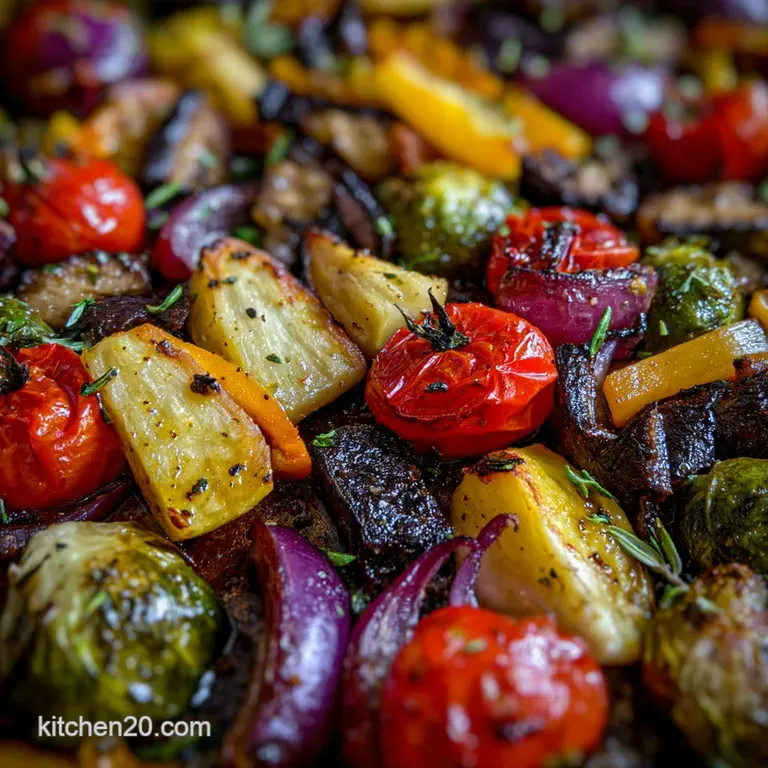
- Time: Active 15 minutes, Passive 35 minutes, Total 50 minutes
- Flavor/Texture Hook: Charred sweetness with a crispy chickpea shatter
- Perfect for: Weeknight meal prep and spiritual fast compliance
- Daniel Fast Food Recipe with Roasted Vegetables
- Essential Specs and Preparation Times
- Selecting Quality Plant Based Components
- Necessary Tools for Better Roasting
- Step by Step Execution Guide
- Fixing Texture and Flavor Issues
- Creative Twists for Your Roast
- Storage and Zero Waste Solutions
- Three Levels of Professional Plating
- Recipe FAQs
- 📝 Recipe Card
Listen, I know what you are thinking. A fast usually means bland steamed greens and a lot of wishing for a cheeseburger. But honestly, we have been looking at this all wrong. After a few failed attempts where my sweet potatoes turned into mush and my broccoli looked like it had given up on life, I realized the secret isn't the vegetable itself, it is the thermodynamics of your sheet pan.
This Daniel Fast food recipe featuring roasted vegetables offers a delicious and compliant meal. By using high heat to trigger specific chemical changes in the plant sugars, we are revolutionizing the way these legacy ingredients taste on your plate.
We are moving away from the "diet food" mindset and connecting with the actual science of flavor.
Trust me on this, once you see how a bit of balsamic and a hot oven can turn a humble carrot into something that tastes like candy, you will never go back. We are building a platform for better eating here, one charred floret at a time.
Let’s get into the mechanics of why this actually works so you don't end up with a soggy mess.
Daniel Fast Food Recipe with Roasted Vegetables
The magic here happens when we stop treating all vegetables the same. You cannot just throw everything in a pile and hope for the best. Different plants have different water contents and sugar levels, which means they react to heat at different speeds.
The Science of Why it WorksMaillard Reaction: The high heat causes a chemical reaction between amino acids and reducing sugars, creating that dark, savory crust.
Starch Gelatinization: The internal moisture in the sweet potatoes heats up, breaking down starch granules into a velvety, soft interior.
Chef's Tip: Freeze your lemon for 10 minutes before zesting. It makes the zest much finer and prevents the oils from sticking to the grater, ensuring every bit of citrus aroma hits the dish.
| Original Ingredient | Substitute | Why It Works |
|---|---|---|
| Balsamic Vinegar | Apple Cider Vinegar | Provides acidity. Note: Less sweet, so add a splash of 100% apple juice if needed. |
| Sweet Potatoes | Butternut Squash | Similar starch profile. Note: Slightly higher water content, might need 5 extra mins. |
| Extra Virgin Olive Oil | Avocado Oil | High smoke point. Note: Very neutral flavor compared to the peppery notes of olive oil. |
If you have ever struggled with vegetables that are burnt on the outside but raw in the middle, you probably didn't dry them enough. Moisture is the enemy of the crunch. When you leave water on the surface, the oven has to spend all its energy evaporating that water before it can even start browning the vegetable.
It is like trying to start a fire with wet wood.
Essential Specs and Preparation Times
When we look at the logistics of this dish, it is all about timing. We are connecting the different cook times of dense roots and delicate florets. If you put the broccoli in at the same time as the carrots, you will have charcoal florets and crunchy carrots, which is a disaster nobody wants.
| Feature | Fast Roasted Version | Classic Butter Roast |
|---|---|---|
| Fat Source | Cold pressed Olive Oil | Unsalted Butter/Lard |
| Flavor Base | Balsamic & Garlic | Sugar/Honey Glaze |
| Texture Goal | Crisp & Concentrated | Soft & Rich |
Right then, let's talk about the weight of your sheet pan. A flimsy, thin pan will warp in the high heat and won't distribute energy evenly. I always suggest a heavy duty rimmed baking sheet. This ensures the base of the vegetables gets that beautiful sizzle the moment they touch the metal. It is similar to the over high heat method used in my Roasted Red Peppers recipe, where the goal is a quick, intense sear to lock in the sugars.
Selecting Quality Plant Based Components
Choosing your ingredients isn't just about what's on sale. We are looking for specific density and sugar profiles. For this recipe with roasted elements, the red onion acts as a natural sweetener.
As it roasts, it softens and releases juices that mingle with the balsamic, creating a sort of "pan sauce" right on the tray.
Component Analysis Table
| Ingredient | Science Role | Pro Secret |
|---|---|---|
| Sweet Potatoes | Starch Structure | Keep skins on for extra fiber and a "shatter" texture. |
| Chickpeas | Protein & Crunch | Pat them with a paper towel until the skins almost peel off. |
| Broccoli | Sulfur Compounds | Cut into tiny "trees" to maximize the surface area for charring. |
| Balsamic Vinegar | Acid Catalyst | Look for "Aceto Balsamico di Modena" for the best natural thickness. |
For the chickpeas, don't just drain them and toss them in. I actually use a hairdryer on the cool setting for about 30 seconds if I'm in a rush. It sounds crazy, but getting them bone dry is the only way they will actually get crispy instead of just becoming chewy little pebbles.
Ingredients & Substitutes
- 2 large sweet potatoes: Cubed into 1 inch pieces. Why this? High fiber content keeps you full during the fast. (Sub: Yukon Gold potatoes)
- 3 large carrots: Sliced into 1/2 inch rounds. Why this? Natural sugars caramelize beautifully at 400°F. (Sub: Parsnips)
- 1 red onion: Cut into thick wedges. Why this? Provides aromatic depth and essential quercetin. (Sub: Shallots)
- 1 can (15 oz) chickpeas: Drained, rinsed, and patted dry. Why this? Adds a necessary protein boost to the meal. (Sub: Cannellini beans)
- 1 head of broccoli: Cut into small florets. Why this? The florets catch the seasoning in their "canopy." (Sub: Cauliflower)
- 3 tbsp extra virgin olive oil: Cold pressed. Why this? Healthy fats are vital for absorbing fat soluble vitamins. (Sub: Grapeseed oil)
- 2 tbsp balsamic vinegar: No added sugar. Why this? The acidity cuts through the heavy starches. (Sub: Fresh lemon juice)
- 1 tsp dried oregano: Why this? Earthy notes that ground the sweetness of the roots. (Sub: Dried thyme)
- 1 tsp garlic powder: Why this? Distributes more evenly than fresh garlic in high heat. (Sub: Onion powder)
- 1/2 tsp sea salt: Why this? Enhances the natural flavors without adding chemicals. (Sub: Pink Himalayan salt)
- 1/4 tsp cracked black pepper: Why this? Adds a subtle back of-the throat heat. (Sub: White pepper)
- 1/4 cup flat leaf parsley: Roughly chopped. Why this? Provides a fresh, grassy finish to balance the roast. (Sub: Fresh cilantro)
- 1/2 lemon: For zest and juice. Why this? Brightens the entire dish right before serving. (Sub: Lime)
Necessary Tools for Better Roasting
You don't need a million gadgets, but you do need the right ones. We are revolutionizing your kitchen setup by focusing on airflow. If you crowd the pan, the vegetables will steam. Steaming is the enemy of the roast. You want at least a half inch of space around every single piece of sweet potato.
For the Roasted Base
The heavy sheet pan is your most important tool. I prefer a half sheet pan made of aluminum. It reflects heat efficiently and won't rust. If you find your vegetables sticking, don't reach for the non stick spray, which often contains soy lecithin (not great for some fasts).
Use a silicone baking mat or high-quality parchment paper instead.
For the Flavor Coating
A large stainless steel bowl is better than tossing things on the pan. It allows you to get that "seasoning massage" just right. You want every nook and cranny of the broccoli canopy to be coated in that oil and balsamic mixture. If you just drizzle it on the pan, you'll end up with oily spots and dry spots.
For the Fresh Finish
A microplane is essential for the lemon zest. You want those tiny, snowy flecks of yellow, not big chunks of bitter white pith. And for the parsley, a sharp chef's knife is non negotiable. If your knife is dull, you'll bruise the herbs and they will turn black within minutes of hitting the warm vegetables.
step-by-step Execution Guide
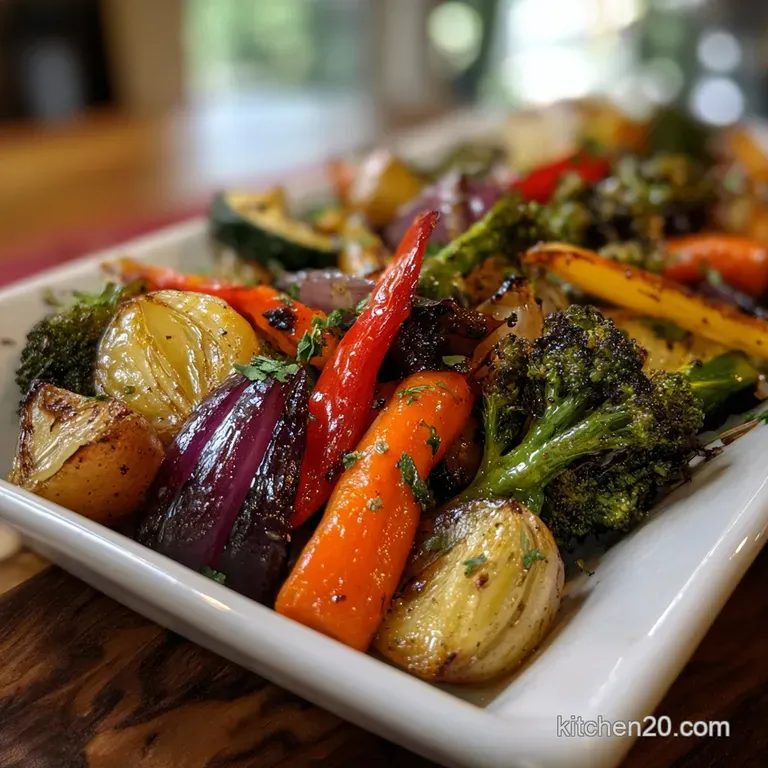
Let's crack on with the actual cooking. Remember, we are using a staggered approach to ensure everything finishes at the exact same moment. This is how we maintain that connective tissue between different textures.
- Preheat the oven. Set your dial to 200°C (about 400°F) and place your empty baking sheet inside. Note: A hot pan starts the searing process instantly.
- Prep the roots. Peel and cube the 2 sweet potatoes and slice the 3 carrots. Ensure they are uniform in size.
- Dry the chickpeas. Drain the 15 oz can of chickpeas and roll them between two kitchen towels. Watch for them to lose their shine, which means they are dry.
- Create the emulsion. In a large bowl, whisk 3 tbsp olive oil, 2 tbsp balsamic, 1 tsp oregano, 1 tsp garlic powder, salt, and pepper.
- Coat the dense veg. Toss the sweet potatoes, carrots, onions, and chickpeas in the bowl. Toss until they look glossy and fully coated.
- Start the first roast. Carefully spread the mixture onto the hot baking sheet. Roast for 20 minutes until the edges of the potatoes start to soften.
- Prep the broccoli. While that cooks, toss your broccoli florets in the remaining dregs of the oil mixture in the bowl.
- Add the greens. At the 20 minute mark, pull the tray out and stir in the broccoli. Listen for a faint sizzle as the broccoli hits the hot oil.
- Finish the roast. Return to the oven for another 15 minutes until the broccoli tips are charred and the chickpeas are crackling.
- The bright finish. Remove from the heat, zest the 1/2 lemon over the top, squeeze the juice, and shower with 1/4 cup chopped parsley.
Fixing Texture and Flavor Issues
Even with the best intentions, things can go sideways. Maybe your oven runs hot, or maybe your sweet potatoes were extra watery today. Don't panic. Most roasting issues are caused by either temperature fluctuations or improper surface prep. We can fix almost anything if we catch it early.
Why Your Vegetables are Sogginess
If your veg comes out limp, it's usually because the pan was overcrowded. This creates a micro climate of steam. To fix this, simply split the ingredients onto two pans next time. If they are already soggy, turn the oven up to 225°C for the last 5 minutes to try and blast off that surface moisture.
Why Your Garlic Tastes Bitter
Garlic powder is used here because fresh minced garlic burns at these temperatures. If you notice a bitter aftertaste, it’s likely the balsamic vinegar has scorched. Next time, try adding the balsamic halfway through the roasting process if your oven has very aggressive bottom heat.
| Problem | Root Cause | Solution |
|---|---|---|
| Burnt Broccoli | Added too early | Add only in the last 15 mins of roasting. |
| Tough Chickpeas | Not enough oil | Ensure they are fully slick with oil before roasting. |
| Pale Potatoes | Oven too cool | Use a thermometer; many ovens are 20 degrees off. |
Chef's Tip: If you want a deeper flavor, add a pinch of smoked paprika to the oil mixture. It adds a "grilled" dimension without any non compliant ingredients. It's an innovative way to trick the brain into thinking there's a smoky fat element involved.
Creative Twists for Your Roast
The beauty of this food recipe with roasted vegetables is that it's a foundation. You can build on this platform depending on what you have in the fridge. If you want a more substantial meal, you can serve this over a bed of quinoa or wild rice, which are both Daniel Fast compliant.
- For a Protein Packed Spicy Twist: Add half a cup of dry roasted walnuts in the last 5 minutes and a pinch of red pepper flakes.
- For an Ancient Grains Power Bowl: Fold the roasted mix into 2 cups of cooked farro and add a dollop of tahini dressing (tahini, lemon juice, water).
- For a Mediterranean Vibe: Swap the oregano for dried rosemary and add a handful of pitted Kalamata olives after roasting.
If you find yourself missing the richness of a traditional meal, you can look at the techniques in my Classic Sunday Roast Recipe to see how we balance heavy fats with acids. While we aren't using beef here, the principle of balancing the "weight" of the food remains the same.
Storage and Zero Waste Solutions
This recipe with roasted ingredients is a meal prep dynamo. It actually holds its structure quite well in the fridge, though you will lose some of that initial "shatter" crunch from the chickpeas.
Storage: Keep in an airtight glass container in the fridge for up to 4 days. I don't recommend freezing this particular mix, as the broccoli and sweet potatoes will become quite mushy upon thawing.
Reheating: Avoid the microwave if you can. It will make everything soft. Instead, throw the leftovers back onto a sheet pan at 200°C for about 8 minutes. This will re crisp the exteriors and wake up the balsamic notes.
Zero Waste: Don't throw away those broccoli stems! Peel the tough outer layer with a vegetable peeler, slice the tender inner core into coins, and roast them right along with the carrots. They taste like a cross between a potato and a water chestnut.
Also, the ends of the red onion can be tossed into a freezer bag to make a vegetable scrap broth later.
Three Levels of Professional Plating
We are revolutionizing how fast compliant food looks. Just because it's a restricted diet doesn't mean it has to look like a chore. By using different plating techniques, we connect the eater to the meal in a more meaningful way.
| Level | Goal | Tech Tip |
|---|---|---|
| Simple | Daily Satiety | Use a wide, shallow bowl to keep textures separate. |
| Polished | Family Dinner | Group vegetables by color on a large platter for impact. |
| Restaurant | Guest Worthy | Stack the sweet potatoes vertically and drizzle the lemon juice from a height. |
For the restaurant level presentation, I like to save the smallest, crispest parsley leaves and place them individually with tweezers (or just very carefully!). It sounds extra, but it makes the dish look like it came out of a high end bistro. If you want a dipping element, you could technically use a sugar-free version of my Homemade Ketchup recipe, provided you use a compliant sweetener like date paste or just omit the sweetener entirely for a savory tomato jam.
There you have it. This isn't just a Daniel Fast food recipe with roasted vegetables; it is a masterclass in treating plants with the respect they deserve. By focusing on dryness, high heat, and staggered timing, we’ve created a meal that feels like a reward rather than a sacrifice.
Now, go get that oven preheated your future self will thank you for those crispy chickpeas!
Recipe FAQs
Can I eat cooked vegetables on a Daniel Fast?
Yes, cooked vegetables are permitted. The Daniel Fast emphasizes whole, plant based foods, and cooking vegetables enhances their flavor and digestibility without compromising their compliance. Roasting, as in this recipe, is an excellent method to bring out natural sweetness.
What vegetables did Daniel eat on his fast?
Daniel primarily ate vegetables and pulse foods, often referred to as "pulse." This generally included legumes, grains, and a variety of vegetables. Think simple, unprocessed produce like root vegetables, leafy greens, and beans, prepared naturally.
Can I eat roasted nuts during Daniel Fast?
No, roasted nuts are generally not permitted. The Daniel Fast typically excludes nuts and seeds, focusing on fruits, vegetables, whole grains, and legumes. While nuts are healthy, they are excluded for the duration of this specific fast.
What fast food can you eat on Daniel Fast?
Focus on whole food preparations rather than traditional "fast food." On a Daniel Fast, compliance means eating unprocessed plant based items. Think simple roasted vegetables, baked potatoes, or plain cooked legumes. If you're looking for quick plant based ideas, check out our Quick Avocado Pasta Sauce Ready in 20 Minutes for inspiration on speedy, compliant meals.
Can I use olive oil for roasting Daniel Fast vegetables?
Yes, cold pressed extra virgin olive oil is allowed. It's a healthy fat that complements the vegetables well and is permitted on the Daniel Fast. If you enjoyed mastering the emulsification in this recipe's dressing, you might find similar techniques useful in creating creamy sauces like those in our Quick Avocado Pasta Sauce Ready in 20 Minutes.
Why are my roasted vegetables soggy instead of crispy?
Sogginess typically stems from overcrowding the pan or excess moisture. Ensure vegetables have space to roast and are patted dry before cooking. If you mastered controlling texture here, apply those same principles to achieve crispiness in dishes like our Homemade Tostadas Recipe: Ultimate Crispy Baked Shells.
How can I add more flavor to my roasted Daniel Fast vegetables?
Use herbs, spices, and natural acids. Roasting vegetables with garlic powder, oregano, and a splash of balsamic vinegar, as in this recipe, deepens flavor significantly. For a burst of fresh herbaceousness, consider a bright sauce like our Truly Authentic Argentine Chimichurri Sauce Recipe 15 Min Prep, which can add another layer of vibrant taste.
Daniel Fast Roasted Vegetables 2
Ingredients:
Instructions:
Nutrition Facts:
| Calories | 423 calories |
|---|---|
| Protein | 11g |
| Fat | 13g |
| Carbs | 68g |
| Fiber | 14g |
| Sugar | 12g |
| Sodium | 325mg |
