Easy Daniel Fast Recipe with Roasted Vegetables
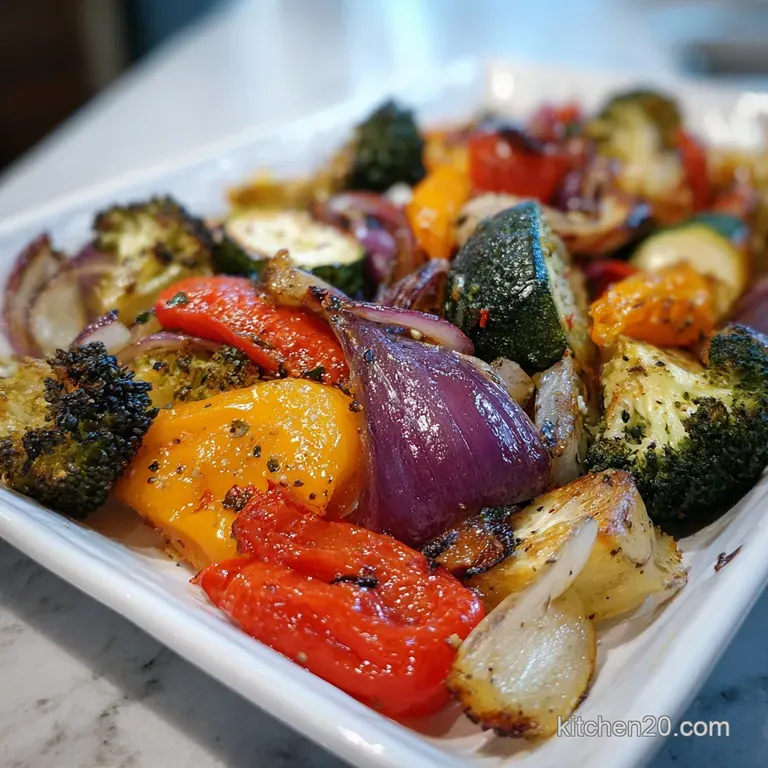
- Time: Active 15 minutes, Passive 30 minutes, Total 45 minutes
- Flavor/Texture Hook: Smoky sweet charred edges with tender crisp interiors
- Perfect for: Batch prepped Daniel Fast lunches or a fuss free weeknight dinner
- Easy Daniel Fast Recipe with Roasted Vegetables
- Timing and Precision for Perfect Roasting
- Selecting Fresh Ingredients for Fasting Success
- Essential Tools for Efficient Kitchen Prep
- Step-by-Step Guide for Flawless Vegetables
- Troubleshooting Sogginess and Cooking Errors
- Simple Variations to Prevent Fasting Fatigue
- Storage Solutions for Efficient Meal Prep
- Serving Ideas for Whole Food Meals
- Efficiency Hacks for Smarter Kitchen Prep
- Recipe FAQs
- 📝 Recipe Card
Honestly, I used to struggle with the Daniel Fast because I didn't understand how to build flavor without butter or honey. This easy Daniel Fast recipe with roasted vegetables is a simple, flavorful meal that's perfect for your fast.
It’s all about the Maillard reaction and using the right fat to heat ratio to get that deep, earthy sweetness out of the produce.
We're focusing on streamlining the process here. No one has time for fussy techniques when they're hungry. We’re using a single sheet pan system to keep cleanup minimal and efficiency high.
You’ll get that satisfying crunch and a hit of smoky paprika that makes the whole thing feel much more indulgent than it actually is.
Trust me, once you see how those sweet potato cubes get those tiny, crispy corners, you'll be making this long after your fast is over. It’s a foundational technique that works for almost any vegetable you have in the crisper drawer. Let's get into how we make the magic happen.
Easy Daniel Fast Recipe with Roasted Vegetables
The beauty of this Daniel Fast recipe with roasted vegetables lies in the heat. By cranking the oven to 400°F (200°C), we’re forcing the natural sugars in the carrots and sweet potatoes to caramelize quickly.
This creates a depth of flavor that offsets the bitterness often found in roasted broccoli. It's a chemistry lesson you can actually eat.
The Science of Why it Works
- Maillard Reaction: High heat causes a chemical reaction between amino acids and reducing sugars, creating that brown, savory crust.
- Cellular Breakdown: Roasting evaporates water within the plant cells, concentrating the natural salts and sugars for a more intense flavor profile.
- Surface Area Maximization: Cutting vegetables into uniform 1 inch pieces increases the area exposed to heat, ensuring even browning and consistent textures.
- Oil Conductivity: Extra virgin olive oil acts as a thermal bridge, transferring heat from the pan and air directly into the vegetables more efficiently than air alone.
| Component | Science Role | Pro Secret |
|---|---|---|
| Sweet Potato | Starch source for browning | Keep skins on for extra fiber and texture. |
| Red Onion | Natural sugar carrier | Cut into wedges to prevent them from burning too fast. |
| Broccoli | Sulfur compounds for depth | Toss in oil last to prevent the florets from soaking it all up. |
Chef's Tip: If you want a deeper flavor, toss your spices in the oil before drizzling them over the veggies. This "blooms" the fat soluble compounds in the oregano and paprika, distributing the flavor more evenly.
Timing and Precision for Perfect Roasting
Efficiency in the kitchen starts with understanding your oven's personality. Most home ovens have hot spots, usually in the back corners. To get the best results from this recipe with roasted vegetables, you need to rotate your pan halfway through.
I usually set a timer for 15 minutes, give everything a quick flip with a spatula, and then finish the final 15 minutes.
| Feature | Fresh Produce | Frozen Shortcut |
|---|---|---|
| Texture | Firm and snappy | Softer, slightly more hydrated |
| Prep Time | 15 minutes chopping | Zero prep required |
| Flavor | Vibrant and earthy | Slightly muted but still good |
Don't be tempted to overcrowd the pan. If the vegetables are touching too much, they’ll trap steam between them. Instead of roasting, they’ll end up boiling in their own juices, leaving you with a soggy mess. Use two pans if you need to; it’s worth the extra minute of washing up.
Selecting Fresh Ingredients for Fasting Success
When you're on a budget, carrots and sweet potatoes are your best friends. They are incredibly shelf stable and provide the bulk of the calories in this fast recipe with roasted vegetables. Look for sweet potatoes that are firm and don't have any soft spots.
For the broccoli, the tighter the florets, the fresher the head.
- 2 large sweet potatoes: Cubed into 1 inch pieces. Why this? Provides the essential complex carbs for energy.
- Substitute: Butternut squash for a similar starch profile.
- 1 head of broccoli: Cut into bite sized florets. Why this? Adds a needed textural contrast and fiber.
- Substitute: Cauliflower, though it takes 5 minutes longer to brown.
- 3 large carrots: Sliced into thick rounds. Why this? Adds sweetness and a different bite than the potatoes.
- Substitute: Parsnips for an earthier, peppery vibe.
- 1 red bell pepper: Chopped into squares. Why this? Provides moisture and a bright acidity when roasted.
- Substitute: Yellow or orange peppers; avoid green as they are more bitter.
- 1 red onion: Cut into thick wedges. Why this? Caramelizes into sweet, jammy petals.
- Substitute: Shallots for a more refined, garlicky sweetness.
- 3 tablespoons extra virgin olive oil: The primary fat. Why this? high-quality fat that carries seasoning perfectly.
- Substitute: Avocado oil if you prefer a higher smoke point.
- 1 teaspoon dried oregano: Earthy herb base. Why this? Holds up well to high heat without burning.
- Substitute: Dried thyme or a Mediterranean herb blend.
- 1 teaspoon garlic powder: Consistent savory notes. Why this? Won't burn like fresh garlic in a 30 minute roast.
- Substitute: Onion powder for a milder savory hit.
- 1/2 teaspoon smoked paprika: Depth and color. Why this? Mimics the flavor of a grill or wood fire.
- Substitute: Sweet paprika if you don't like the smoky notes.
- 1/2 teaspoon sea salt: Flavor enhancer. Why this? Coarser grains provide better coverage.
- Substitute: Pink Himalayan salt for extra minerals.
- 1/4 teaspoon cracked black pepper: Subtle heat. Why this? Freshly cracked offers more aroma.
- Substitute: A pinch of red pepper flakes for more kick.
Essential Tools for Efficient Kitchen Prep
You don't need a professional kitchen, but a few modern appliances make this a breeze. A heavy duty rimmed baking sheet (half sheet size) is non negotiable. It distributes heat evenly and prevents oil from dripping into your oven.
I also love using a large stainless steel bowl for tossing the vegetables; it gives you enough room to ensure every single piece is coated in oil.
If you’re streamlining your meal prep, a sharp chef's knife is your most important tool. Dull knives make chopping sweet potatoes dangerous and slow. For a more modern approach, you could use an air fryer for a half batch, which cuts the cooking time down to about 18 minutes due to the rapid air circulation.
step-by-step Guide for Flawless Vegetables
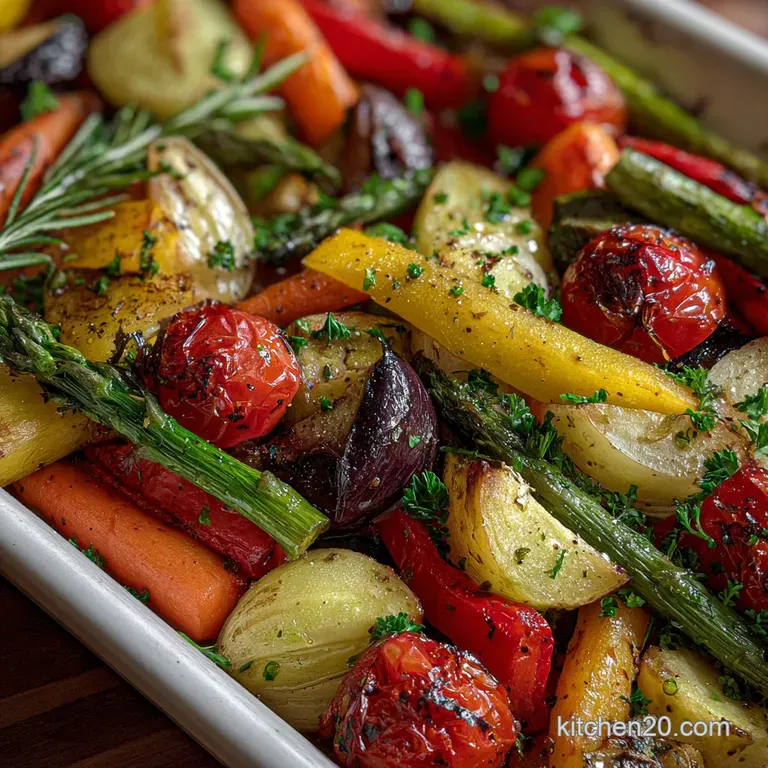
- Preheat the oven to 400°F (200°C). Note: This ensures the veggies sizzle immediately upon contact.
- Wash and dry all your produce thoroughly. Until bone dry to prevent steaming.
- Cube the sweet potatoes into 1 inch pieces and place them in a large mixing bowl.
- Chop the carrots, broccoli, bell pepper, and red onion. Until uniform in size for even cooking.
- Whisk the olive oil, oregano, garlic powder, paprika, salt, and pepper in a small jar.
- Drizzle the oil mixture over the vegetables and toss vigorously. Until every surface is glossy.
- Spread the vegetables onto a large rimmed baking sheet in a single layer.
- Roast for 15 minutes, then remove the pan and flip the vegetables with a spatula.
- Continue roasting for another 15 minutes until the potatoes are tender and edges are charred.
- Serve immediately while the textures are at their peak.
Troubleshooting Sogginess and Cooking Errors
The most common complaint I hear is that roasted vegetables turn out mushy. This usually happens because of moisture. If you wash your broccoli and throw it straight onto the pan while it's still dripping, that water turns into steam. Use a clean kitchen towel to pat everything dry before the oil hits the bowl.
It makes a massive difference in the final crunch.
Why Your Vegetables Lack Texture
If your vegetables look pale and limp after 30 minutes, your oven temperature might be calibrated incorrectly. Many older ovens run 25 degrees cold. Investing in a cheap oven thermometer can save your dinner. Another culprit is using too much oil; you want a thin coating, not a puddle.
| Problem | Root Cause | Solution |
|---|---|---|
| Burnt Onion | Cut too thin | Slice into 1 inch thick wedges only. |
| Hard Potatoes | Pieces too large | Stick to 1 inch cubes for 30 min timing. |
| Soggy Broccoli | Overcrowded pan | Use two sheets to allow air circulation. |
Another common mistake I once made was adding fresh garlic at the start. It burned into bitter black flecks within ten minutes. That's why we use garlic powder here it provides that savory hum without the risk of scorching.
If you insist on fresh garlic, toss it in during the last 5 minutes of roasting only.
Simple Variations to Prevent Fasting Fatigue
Eating the same thing every day is the quickest way to quit a fast. I like to switch up the flavor profiles using different spices while keeping the base the same. If you're bored of the Mediterranean vibe, try a Southwest version by swapping the oregano for ground cumin and adding a squeeze of lime juice right before serving.
The Southwest Transformation
Add a teaspoon of cumin and a pinch of chili powder to the oil mix. Once the vegetables are out of the oven, toss them with fresh cilantro. This pairs beautifully with black beans for a more filling Daniel Fast meal.
You can even use these as a filling for corn tortillas if your fast allows for whole grain unleavened bread.
The Easy Daniel Fast Vegetable Soup Recipe Pivot
If you have leftovers that have lost their crispness in the fridge, don't throw them out. Throw them into a pot with 4 cups of vegetable broth and a can of diced tomatoes. Simmer for 10 minutes and blend half of it for a thick, creamy soup.
This is a great way to use this recipe with roasted vegetables twice in one week without it feeling repetitive.
For another variation that feels a bit more "gourmet," you can try the technique used in my Roasted Fingerling Potatoes recipe. The method of over high heat roasting is very similar and works perfectly for adding more variety to your meal plan.
Storage Solutions for Efficient Meal Prep
This dish is a meal prep workhorse. I usually double the batch on Sunday night because these roasted vegetables hold up surprisingly well. Store them in an airtight glass container in the fridge for up to 4 days. Glass is better than plastic here as it doesn't retain smells and reheats more evenly.
- Fridge: 4 days in an airtight container.
- Freezer: 2 months. Note that the broccoli will be much softer after thawing.
- Zero Waste: Don't throw away the broccoli stalks! Peel the tough outer layer, dice the sweet core, and roast it right along with the florets.
When it comes to reheating, avoid the microwave if you can. It turns the sweet potatoes into mush. Instead, throw them back onto a sheet pan or into an air fryer at 350°F (175°C) for about 5-7 minutes.
This restores that "just roasted" sizzle and keeps the textures intact.
Serving Ideas for Whole Food Meals
While this is great on its own, I often serve it over a bed of quinoa or brown rice to make it a more substantial dinner. The juices from the roasted peppers and onions act as a natural sauce for the grains.
You can also toss the warm vegetables with a handful of fresh arugula; the heat wilts the greens slightly, creating a warm salad.
If you are looking for other ways to round out your plate, consider the textures in my Oven Spaghetti Squash recipe. Serving these roasted vegetables on top of spaghetti squash strands is a brilliant way to add more volume to your meal without adding heavy calories, keeping everything within the fast's guidelines.
Decision Shortcut: If you want a crispier texture, use a dark colored metal baking sheet. If you want a sweeter flavor, increase the ratio of carrots and onions. If you want a faster meal, cut everything into 1/2 inch pieces and roast for 20 minutes.
Efficiency Hacks for Smarter Kitchen Prep
Efficiency isn't just about cooking fast; it's about working smart. One myth people believe is that you have to peel everything. For this Daniel Fast recipe with roasted vegetables, I never peel the carrots or the sweet potatoes.
The skins contain a huge amount of nutrients and add a rustic, earthy texture that I actually prefer. Just give them a good scrub with a vegetable brush.
Another myth is that you need to salt the vegetables hours in advance. For roasting, salting right before they go into the oven is best. If you salt them too early, the salt draws out moisture through osmosis, and you'll end up with a pool of water on your cutting board instead of a crispy crust in the oven.
Scaling for Groups or Prep
If you need to scale this recipe with roasted vegetables down for a single person, use a toaster oven. It heats up faster and uses less energy. When scaling up for a big family, use two separate racks in your oven but swap their positions halfway through.
The pan on the top rack will always brown faster due to the rising heat, so that rotation is crucial for a consistent batch.
For those looking to streamline their entire week, consider making a "Daniel Fast vegetable soup" base by roasting double the onions and peppers. You can blend the extras with some vegetable stock to create a rich, roasted sauce that works as a base for stews or a dip for raw veggies later in the week.
Trust me, your future self will thank you for the foresight.
Recipe FAQs
Can you cook vegetables on Daniel Fast?
Yes, absolutely. The Daniel Fast focuses on whole, unprocessed foods, and roasted vegetables are a perfect fit. They provide essential nutrients and flavor without any forbidden ingredients.
What can I make with roasted vegetables?
Many delicious things! Roasted vegetables can be eaten as a side dish, tossed into salads, blended into soups like this Quick Benihana Fried Rice (minus the rice and meat, of course), or used as a filling for wraps.
What vegetables did Daniel eat on his fast?
Primarily legumes, grains, and vegetables. While specific historical lists are debated, common interpretations include roots, leafy greens, and pulse vegetables, cooked simply.
What can I make with leftover roast vegetables?
Transform them into soups or hashes. Leftover roasted vegetables can be blended with vegetable broth for a flavorful soup or diced and sautéed with a bit more oil for a hearty hash, similar to the flavor profile in Sautéed Pinto Beans.
How do I get crispy roasted vegetables without burning them?
Use high heat and don't overcrowd the pan. Roasting at 400°F (200°C) for about 30 minutes, with a single layer of vegetables, promotes browning. If you enjoyed mastering heat control here, see how the same principle applies to achieving perfect texture in our Speedy Spud How to Cook a Potato in the Microwave.
Can I use frozen vegetables for this recipe?
Yes, but adjust cooking time. Frozen vegetables have more moisture, so they may take longer to brown. Ensure they are well drained before tossing with oil to avoid a steamed rather than roasted texture.
What spices are best for Daniel Fast roasted vegetables?
Simple, pure spices work best. Dried herbs like oregano, garlic powder, onion powder, and smoked paprika are excellent choices. Sea salt and black pepper enhance the natural flavors without adding complexity.
Easy Daniel Fast Roasted Veggies
Ingredients:
Instructions:
Nutrition Facts:
| Calories | 344 kcal |
|---|---|
| Protein | 7.3 g |
| Fat | 11.0 g |
| Carbs | 57.5 g |
| Fiber | 11.5 g |
| Sugar | 12.2 g |
| Sodium | 363 mg |
