Flank Steak Marinade: Tender and Savory
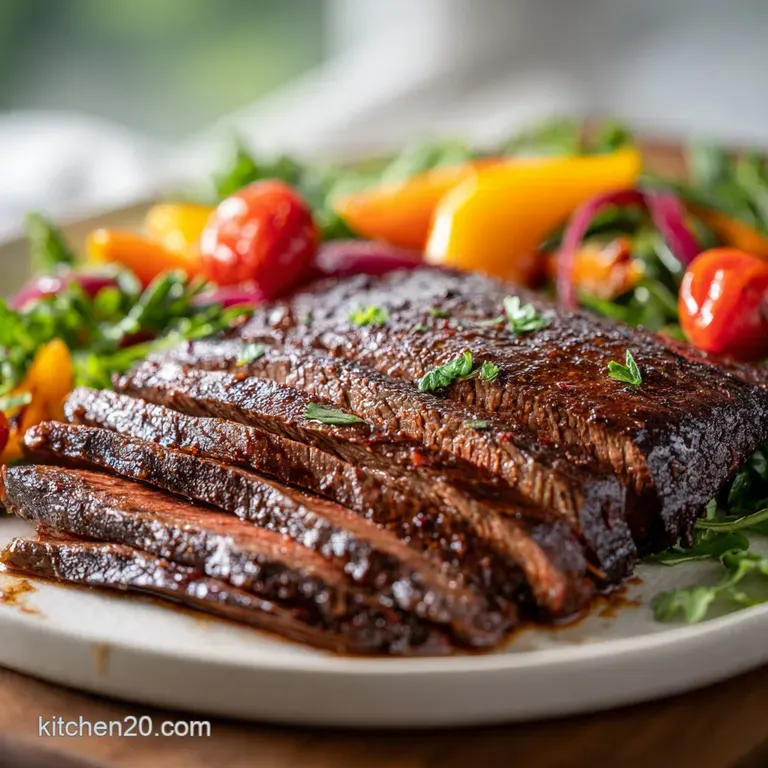
- Time: Active 10 minutes, Passive 130 minutes, Total 140 minutes
- Flavor/Texture Hook: Savory umami with a charred, buttery finish
- Perfect for: High efficiency meal prep or quick weeknight entertaining
- Flank Steak Marinade: The Secret to Tender Beef
- Why This Science Backed Formula Works
- Precise Cooking and Timing Benchmarks
- Analyzing Each Flavor Component
- Efficient Tools for Better Results
- Streamlined Step-by-Step Prep
- Solving Tough Meat Problems
- Flavor Variations and Substitutes
- Storage and Preservation Systems
- Optimizing the Full Meal
- Recipe FAQs
- 📝 Recipe Card
Flank Steak Marinade: The Secret to Tender Beef
Flank steak is a fascinating cut with deep roots in the "vaquero" culture of Mexico and the early American "London Broil" tradition. Historically, this muscle was often overlooked because its long, stringy fibers can be incredibly tough if not handled with precision.
It is a hardworking muscle located near the abdominal area of the cow, which means it is lean, beefy, and lacks the internal marbling found in premium cuts like ribeye. To make it shine, we rely on a strategic soak that does more than just add salt, it physically alters the protein structure to prevent that dreaded rubbery texture.
When we talk about an effective Flank Steak Marinade, we are really discussing a system of streamlining the cooking process. You are doing the hard work of tenderizing during the 130 minutes of passive prep time so that the actual 10 minutes of cooking is effortless.
I have found that skipping the marinade on a flank steak is the fastest way to ruin a meal. The muscle fibers are simply too tight to enjoy without some chemical intervention.
This approach focuses on efficiency and modern kitchen workflows. Instead of guessing, we use specific ratios of acid, fat, and aromatics to ensure the beef remains succulent even over high heat. By the time the steak hits the pan, the surface is primed for a beautiful crust, while the interior stays juicy.
Let's break down how to optimize this process for your busy schedule.
Why This Science Backed Formula Works
Getting a piece of beef this lean to taste this good is not luck. It comes down to a few specific interactions between your ingredients and the meat's anatomy. Flank steak has wide, visible muscle fibers, which act like tiny straws.
Our goal is to get the marinade to cling to these fibers and penetrate the outer layers.
- Surface Tension Management: The Dijon mustard acts as a bridge between oil and vinegar, creating a stable emulsion that coats the meat evenly rather than sliding off.
- Protein Denaturation: The acetic acid in balsamic vinegar and the citric components in Worcestershire gently weaken the tight protein bonds on the surface.
- Osmotic Exchange: Salt from the soy sauce moves into the muscle cells, pulling moisture and seasonings along with it to season the beef from the inside out.
- Maillard Priming: Raw honey provides the necessary sugars to trigger browning at the 10 minutes mark, creating a savory crust before the interior overcooks.
Quick Decision Benchmarks
| Thickness | Internal Temp | Rest Time | Visual Cue |
|---|---|---|---|
| 0.75 inch | 130°F | 5 mins | Deep brown crust, red center |
| 1.0 inch | 133°F | 8 mins | Firm surface, pink center |
| 1.25 inch | 135°F | 10 mins | Charred edges, warm pink core |
Using these benchmarks ensures you don't overcook the meat. Because flank steak is so lean, every degree matters. If you go past 145°F, the fibers tighten up and squeeze out all the moisture you worked so hard to put in. Efficiency in cooking means using a thermometer, not a "feeling."
Precise Cooking and Timing Benchmarks
To achieve consistent results, we need to respect the clock and the thermometer. This recipe is designed around a 140 minutes total window, with the majority of that being hands off time.
This makes it a perfect candidate for modern meal prep systems where you can "set it and forget it" while handling other tasks.
| Component | Science Role | Pro Secret |
|---|---|---|
| Balsamic Vinegar | Acid Catalyst | Softens tough surface fibers quickly |
| Low Sodium Soy | Salt Vehicle | Penetrates deep without over salting |
| Extra Virgin Olive Oil | Fat Barrier | Distributes fat soluble spice flavors |
| Dijon Mustard | Emulsifier | Keeps the oil and acid from separating |
The balance of these four elements is what differentiates a basic soak from a high performance marinade. If you find yourself wanting more heat, you could look into a Ginger Soy Steak recipe which uses similar principles but shifts the aromatic profile toward a sharper, spicy finish.
Analyzing Each Flavor Component
Every ingredient in this list serves a functional purpose. We don't add things just for "flair," we add them to improve the final texture or the efficiency of the sear.
- 2 lb flank steak: The canvas. Look for a piece with consistent thickness so it cooks evenly.
- 1/3 cup extra virgin olive oil: Why this? Provides the fat needed to prevent sticking and carry the dried oregano's flavor.
- 1/2 cup low sodium soy sauce: Why this? Offers concentrated umami and salt for deep seasoning without the harshness of table salt.
- 1/4 cup balsamic vinegar: Why this? The high sugar and acid content promotes both tenderization and rapid browning.
- 2 tbsp Worcestershire sauce: Why this? Adds fermented complexity and anchors the savory notes of the beef.
- 4 cloves fresh garlic, minced: Provides an aromatic punch that survives the over high heat sear.
- 1 tsp cracked black pepper & 1 tsp smoked paprika: Adds a subtle wood fired flavor even if you're cooking indoors.
- 1/2 tsp dried oregano: Why this? Adds an earthy backbone that complements the balsamic notes.
- 1 tbsp Dijon mustard: Crucial for holding the marinade together in a thick glaze.
- 1 tbsp raw honey: Why this? Balances the acidity and ensures the steak develops a "shatter" crust.
Chef's Tip: Freeze your garlic for 10 minutes before mincing. It makes the cloves firmer and easier to process through a microplane for a smoother paste that integrates better into the liquid.
Efficient Tools for Better Results
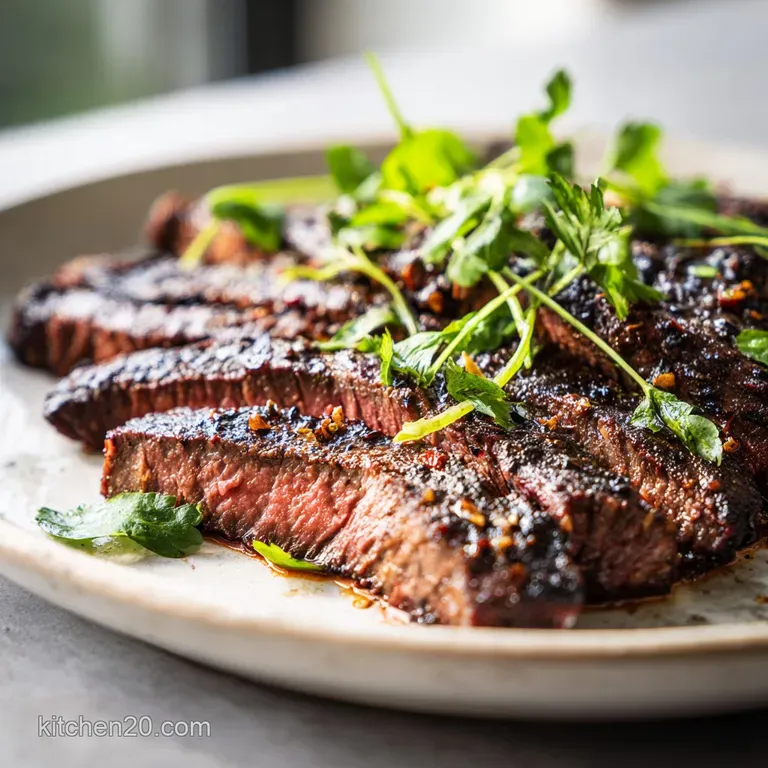
To execute this properly, you don't need a professional kitchen, but a few smart appliances and tools make the workflow much smoother. I'm a big fan of streamlining the cleanup process, so I suggest using a gallon sized freezer bag for the marinating phase.
It allows for maximum contact between the liquid and the meat without requiring a massive amount of marinade.
A heavy bottomed cast iron skillet is the gold standard for cooking flank steak indoors. It retains heat better than stainless steel, which is vital when you're only cooking for 10 minutes.
If you have a vacuum sealer, you can use it to "pulse" the marinade into the meat, which can cut your passive time significantly, though the standard 130 minutes soak works perfectly for most schedules.
Finally,, an instant read digital thermometer is non negotiable. Because flank steak varies in thickness from the center to the edges, you need to know exactly what is happening inside the thickest part. Guessing based on "touch" is a recipe for a dry dinner.
Streamlined step-by-step Prep
- Whisk the soy sauce, balsamic, honey, and Dijon in a small bowl. Note: This creates the stable base before adding oil.
- Slowly drizzle in the 1/3 cup extra virgin olive oil while whisking until the mixture is thick and glossy.
- Stir in the minced garlic, black pepper, smoked paprika, and oregano.
- Place the 2 lb flank steak into a large gallon sized freezer bag.
- Pour the marinade over the beef and squeeze out all the air before sealing. Note: Removing air forces the liquid against the meat fibers.
- Refrigerate for a minimum of 2 hours (120 minutes) up to 12 hours.
- Preheat a cast iron skillet or grill to high heat until a drop of water dances on the surface.
- Remove steak from bag, discarding the liquid, and sear for 4-5 minutes per side.
- Verify the internal temperature is between 130-135°F.
- Rest the meat for 10 minutes until the juices redistribute and the surface looks matte.
Solving Tough Meat Problems
Even with a great Flank Steak Marinade, things can go sideways if the heat isn't managed or the cut is handled poorly after cooking. Most people complain about "chewy" steak, which is almost always a mechanical error, not a flavor error.
Why Your Steak is Chewy
If your steak feels like a rubber band, you likely cut it "with the grain." Flank steak is composed of long, parallel muscle fibers. If you cut along those fibers, your teeth have to do the work of breaking them down.
If you cut across them (perpendicular), you've already broken the fibers into tiny segments, making the meat feel tender in your mouth.
| Problem | Root Cause | Solution |
|---|---|---|
| Gray Surface | Pan not hot enough | Preheat skillet for 5 mins until smoking |
| Tough Texture | Cut with the grain | Slice against the grain at a 45° angle |
| Excess Moisture | Meat was too cold | Let steak sit at room temp for 20 mins before searing |
Common Mistakes Checklist
- ✓ Don't skip the resting period; cutting too soon lets all the juice escape.
- ✓ Pat the steak lightly with a paper towel if it's dripping wet (prevents steaming).
- ✓ Ensure your garlic is finely minced to avoid bitter, burnt chunks on the crust.
- ✓ Use a high smoke point oil if not using the EVOO from the marinade.
- ✓ Never overcook past 140°F; flank steak doesn't have the fat to stay juicy at medium well.
Flavor Variations and Substitutes
If you're missing an ingredient or want to pivot the flavor profile for a specific meal, these swaps are highly effective without ruining the structural integrity of the steak.
| Original Ingredient | Substitute | Why It Works |
|---|---|---|
| Balsamic Vinegar | Apple Cider Vinegar | Similar acidity but Note: lacks the deep sweetness. |
| Honey | Maple Syrup | Provides sugar for browning with a woodsy note. |
| Soy Sauce | Tamari | Keeps the recipe gluten-free with the same salt level. |
If you want a more traditional herbaceous feel, you could transition this toward a Garlic Herb Steak by swapping the soy for more salt and increasing the oregano and fresh parsley.
Cooking Method Comparison
| Method | Time | Texture | Best For |
|---|---|---|---|
| Stovetop Skillet | 10 mins | Deep, even crust | Maximum umami and crust |
| Outdoor Grill | 8 mins | Charred, smoky finish | Summer entertaining |
| Broiler (Oven) | 12 mins | Soft, tender surface | Hands off bulk cooking |
Storage and Preservation Systems
Efficiency doesn't stop once the meal is cooked. Flank steak is one of the best proteins for leftovers because it stays firm and doesn't get "mushy" when reheated.
Storage: Keep cooked steak in an airtight glass container in the fridge for up to 4 days. If you're meal prepping, slice it before storing so you can grab and-go.
Freezing: You can actually freeze the steak in the marinade. Place the raw steak and marinade in a freezer safe bag, squeeze out the air, and freeze for up to 3 months. As it thaws in the fridge, it marinates, saving you a step on a busy weeknight.
Zero Waste: Don't throw away the ends of the steak that might be a bit more "well done." Dice them up and use them for breakfast tacos or a quick stir fry the next day. The concentrated marinade flavor makes them excellent additions to eggs or rice bowls.
Optimizing the Full Meal
Because this Flank Steak Marinade is so savory and rich, you want side dishes that offer a bit of "snap" or freshness to cut through the umami. A bright chimichurri sauce on top is a classic choice, but even a simple squeeze of fresh lime juice can brighten the balsamic notes.
Myths About Marinating
- The Deep Penetration Myth: Marinades do not travel to the center of a thick steak. They mostly treat the outer 1/8th of an inch. That is why we slice thinly against the grain it ensures every bite has a piece of that treated surface.
- Acid "Cooks" the Meat: While acid denatures proteins, it doesn't "cook" them like heat does. Leaving a steak in high acid balsamic for 24 hours won't make it "well done," it will just make the surface mushy. Stick to the 2-12 hour window for the best results.
- Searing Seals Juices: Searing is purely for flavor (the Maillard reaction). The moisture stays in because you didn't overcook the internal temperature and you allowed it to rest.
By focusing on these streamlined techniques and respecting the science of the cut, you'll produce a restaurant quality meal every single time. It's about working smarter with your ingredients and your time. Let's get that skillet hot.
Recipe FAQs
What is best to marinate flank steak in?
A combination of soy sauce, balsamic vinegar, honey, and Dijon mustard works best. This mix balances salt, acidity, and sweetness, while the mustard and honey help emulsify the olive oil into a thick, clinging coating.
Do I need to marinate flank steak before cooking?
Yes, marinating is essential for both flavor and texture. Because flank steak is a lean cut, the 2-hour minimum soak ensures the fibers soften and absorb the savory spices before hitting the heat.
How does Gordon Ramsay marinate a steak?
Focus on high-quality aromatics and proper seasoning. Like the professional method of whisking olive oil into the soy, vinegar, and mustard base, the goal is to create a robust infusion of garlic, smoked paprika, and oregano that penetrates the surface of the meat.
What will tenderize flank steak?
Use acidic ingredients like balsamic vinegar combined with a long resting period. The acid helps break down connective tissue, while slicing the finished steak thinly against the grain provides the ultimate tender bite.
How long can I keep leftovers in the fridge?
Store cooked steak in an airtight glass container for up to 4 days. Slicing the meat before storing is the best way to handle meal prep, and if you enjoy using this quick cooking protein, try the same preparation speed in our easy steak stir fry.
How to avoid overcooking the steak?
Use an instant read thermometer to pull the meat at 130-135°F. Since flank steak lacks significant intramuscular fat, keeping it at medium rare prevents the texture from becoming tough or dry.
Can I freeze flank steak while it is marinating?
Yes, place the raw steak and marinade in a freezer safe bag and seal it tightly. This allows the meat to marinate as it slowly thaws in the refrigerator, and it remains safe to store this way for up to 3 months.
Easy Flank Steak Marinade
Ingredients:
Instructions:
Nutrition Facts:
| Calories | 382 kcal |
|---|---|
| Protein | 38.5 g |
| Fat | 24.1 g |
| Carbs | 3.8 g |
| Fiber | 0.4 g |
| Sugar | 2.1 g |
| Sodium | 745 mg |
