Easy Chinese Beef and Onion Stirfry Recipe with Ginger
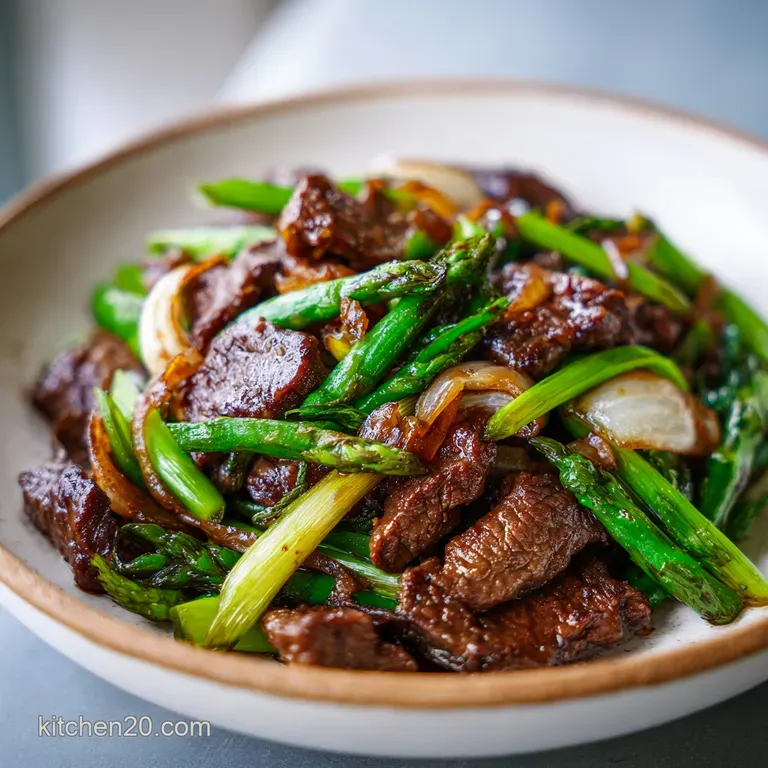
- Time: Active 15 minutes, Passive 5 minutes, Total 20 minutes
- Flavor/Texture Hook: Silky, velvety beef with a pungent ginger kick and charred onions
- Perfect for: High speed weeknight cooking when you need a punchy protein hit
- Mastering This Easy Chinese Beef and Onion StirFry Recipe with Ginger
- Streamlined Timeline for Your Fastest Weeknight Dinner
- The Secret to Savory Success in This Recipe
- Breaking Down the Science of the Stir Fry
- Swaps and Shortcuts for Personalizing Your Plate
- Essential Tools for Achieving the Perfect Wok Hei
- A Practical Guide to Searing and Saucing
- Fixing Texture and Flavor Hits or Misses
- Scaling for Larger Groups or Small Bites
- Debunking Stir Fry Myths
- Managing Leftovers for Maximum Freshness and Flavor
- Perfect Side Dishes to Round Out Your Meal
- High in Sodium
- Recipe FAQs
- 📝 Recipe Card
Mastering This Easy Chinese Beef and Onion StirFry Recipe with Ginger
The second that cold, marinated flank steak hits the screaming hot surface of my wok, I know dinner is going to be a win. There is a specific, sharp sizzle that happens when ginger julienne hits hot oil, releasing an aroma so pungent and bright it wakes up the entire kitchen.
I used to struggle with stir fry, ending up with meat that felt like chewing through a leather belt, but once I cracked the code on the prep flow, it changed everything.
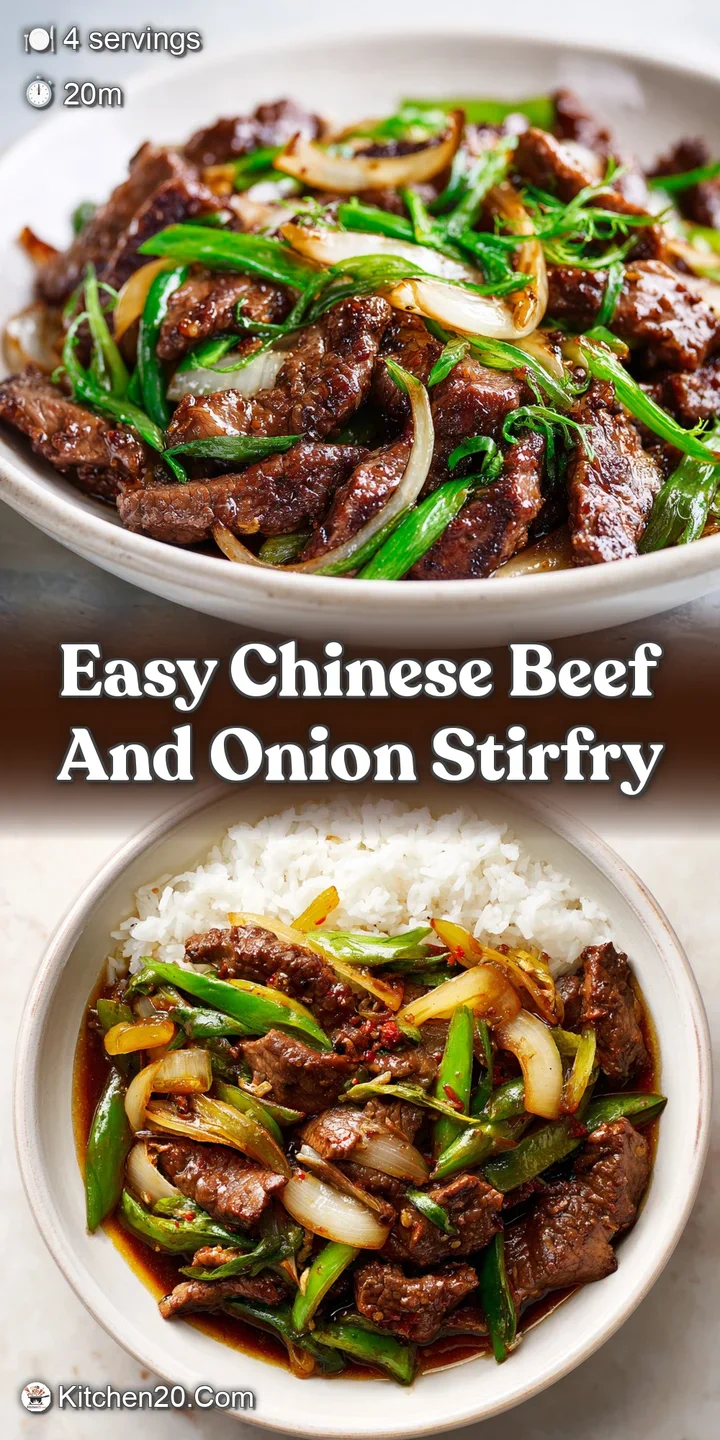
This easy Chinese beef and onion stir fry recipe with ginger delivers a flavorful weeknight dinner that rivals any takeout spot. It is all about the contrast - the silky texture of the beef against the slight crunch of thick onion wedges and the aromatic fire of the julienned ginger.
We are not just tossing things in a pan, we are managing heat and moisture to create a sauce that clings rather than puddles.
If you have 20 minutes and a sharp knife, you can pull this off. We’ve all had those nights where the thought of "cooking" feels like a mountain, but this recipe is more of a sprint. It’s fast, efficient, and relies on a few pantry staples that do the heavy lifting for you.
Let’s get into the mechanics of why this works so you can stop eating gray, steamed beef and start eating something truly vibrant.
Streamlined Timeline for Your Fastest Weeknight Dinner
To execute this properly, you need to think like a line cook. Stir frying is 90% preparation and 10% intense activity. If you are chopping onions while the beef is already searing, you have already lost the battle against overcooking.
| Beef Thickness | Cook Time (per side) | Rest Time | Visual Cue |
|---|---|---|---|
| 1/8 inch strips | 45-60 seconds | 2 minutes | Opaque edges and glossy surface |
| 1/4 inch strips | 90 seconds | 3 minutes | Deep brown sear with no red fluid |
| Hand torn chunks | 2 minutes | 3 minutes | Charred edges and firm bounce |
Success in this dish depends on your "input" variables. If the pan isn't hot enough, the beef will dump its juices and steam. If the onions are cut too thin, they’ll turn into mush before the ginger has a chance to bloom.
I like to keep my onion wedges about half an inch thick at the base so they retain some structure under the high heat.
The Secret to Savory Success in This Recipe
The logic behind this stir fry is all about moisture management and aromatic infusion. We want the beef to stay hydrated while the exterior gets that beautiful Maillard reaction. This is where the "velveting" process comes in, a classic technique that sounds fancy but is basically just a starch based bodyguard for your protein.
- The Velveting Shield: Cornstarch mixed with soy sauce creates a thin coating that prevents the beef from drying out under high heat.
- Aromatic Bloom: Ginger and garlic are added to the oil first to "infuse" the fat, ensuring every bite of beef is coated in flavor.
- The Steam Release: Slicing onions into thick wedges allows them to char on the outside while remaining crisp tender inside.
- Osmotic Balance: Sugar in the sauce balances the saltiness of the dark soy, creating a rounded profile that hits all the taste buds.
The Physics of the Velvet Sear
Cornstarch creates a gelatinous barrier that traps internal juices while providing a high surface area for the sauce to cling to. This results in a velvety mouthfeel that mimics expensive cuts of meat, even when using budget friendly flank steak.
Chef's Tip: Freeze your flank steak for about 15 minutes before slicing. This firms up the fat and muscle fibers, allowing you to get those paper thin, restaurant style strips that cook in under a minute.
Breaking Down the Science of the Stir Fry
Every ingredient in this system has a specific function. We aren't just adding things for the sake of it; we are building a sauce that emulsifies and a texture that satisfies. Understanding the "why" helps you troubleshoot on the fly if your stove isn't as hot as a commercial jet engine.
| Component | Science Role | Pro Secret |
|---|---|---|
| Flank Steak | Muscle Fiber Source | Slice against the grain to break up tough connective tissue |
| Cornstarch | Moisture Sealant | Let it sit with the beef for 10 mins to bond properly |
| Ginger | Pungent Aromatic | Julienne into matchsticks for maximum surface area release |
| Oyster Sauce | Viscosity Agent | Contains natural starches that thicken the sauce without extra slurry |
When you are looking for that deep, rich color, the dark soy sauce is doing the heavy lifting. It has less salt but more caramel notes than light soy. It’s a trick I use in my Proper Classic Homemade recipe to get that deep mahogany finish. In this stir fry, it ensures the beef looks as good as it tastes.
Swaps and Shortcuts for Personalizing Your Plate
Sometimes the grocery store fails us, or we just want to clear out the crisper drawer. This recipe is resilient. You can swap the protein or the aromatics as long as you maintain the ratio of starch to liquid.
| Original Ingredient | Substitute | Why It Works |
|---|---|---|
| Flank Steak (1 lb) | Chicken Thighs (1 lb) | Similar fat content. Note: Cook 2 mins longer to ensure safety |
| Shaoxing Wine (1 tbsp) | Dry Sherry (1 tbsp) | Identical acidity and fermented depth for deglazing |
| Yellow Onions (2 large) | Red Onions (2 large) | Similar sugar content, though slightly sharper when raw |
| Beef Broth (1/4 cup) | Chicken Broth (1/4 cup) | Provides the same liquid volume for the sauce base |
If you find yourself out of beef broth, don't sweat it. Water works in a pinch, though you might need an extra splash of soy sauce to compensate for the lost salt. The key is to keep the liquid volume consistent so the cornstarch can hydrate into a glossy lacquer.
Essential Tools for Achieving the Perfect Wok Hei
You don't need a $200 hand hammered wok to make this, but you do need something that can handle high heat. A heavy cast iron skillet (like a Lodge) is actually a fantastic substitute because it holds heat better than thin non stick pans.
- High Smoke Point Oil: Use vegetable, canola, or grapeseed oil. Avoid olive oil as it will smoke and turn bitter at these temperatures.
- Wide Surface Area: A 12 inch skillet or 14 inch wok is ideal to prevent overcrowding.
- Metal Spatula: You need something thin to get under the beef and flip it before it sticks.
The goal is to get the pan so hot that a drop of water flicked onto it dances and evaporates instantly. This is the "Leidenfrost effect," and it's your signal to start the fry.
A Practical Guide to Searing and Saucing
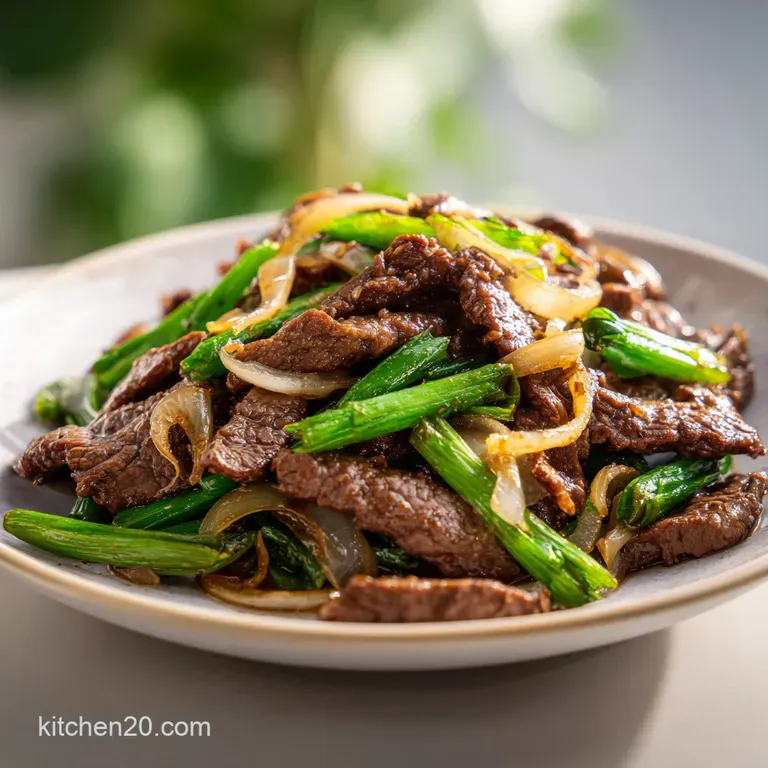
Let's get the flow right. We are going to prep everything, then move through the cook phase like a sprint.
To Prep for Success
- Prepare the Beef: Slice the 1 lb flank steak against the grain into 2 inch strips. In a bowl, toss the beef with 1 tbsp cornstarch, 1 tbsp light soy sauce, and 1 tsp toasted sesame oil. Note: This creates the velvet coating.
- Chop the Aromatics: Peel and julienne the 2 inch piece of ginger into thin matchsticks. Thinly slice the 4 cloves of garlic.
- Prep the Veggies: Slice the 2 large yellow onions into thick wedges. Cut the 3 stalks of spring onions into 2 inch lengths.
- Whisk the Sauce: In a small jar, combine 2 tbsp oyster sauce, 1 tbsp dark soy sauce, 1 tbsp Shaoxing wine, 1 tsp sugar, and 1/4 cup beef broth.
To Develop Maximum Flavor
- Heat the Pan: Add 1 tbsp vegetable oil to your wok over high heat until it starts to smoke slightly.
- Sear the Beef: Spread the beef in a single layer. Let it sit for 45 seconds until a brown crust forms, then toss and cook for another 30 seconds. Remove beef from the pan. Note: Removing the beef prevents it from overcooking while we do the veg.
- Bloom the Aromatics: Add the remaining 1 tbsp oil. Throw in the ginger and garlic, stirring for 20 seconds until fragrant and the ginger edges turn gold.
- Char the Onions: Add the yellow onion wedges. Stir fry for 2 minutes until the edges are charred but the centers stay crisp.
To Finish the Stir Fry
- Combine: Return the beef to the pan along with the spring onions.
- Glaze: Pour the sauce mixture over everything. Toss constantly for 1 minute until the sauce thickens into a glossy coat. Serve immediately.
Fixing Texture and Flavor Hits or Misses
If your stir fry ends up looking like a soup or feeling like rubber, don't panic. Usually, it's a heat or timing issue. The most common mistake is overcrowding the pan, which drops the temperature and turns a "fry" into a "steam."
Why Your Beef is Chewy
This usually happens if you slice with the grain instead of against it. When you slice against the grain, you are shortening the long muscle fibers, making them much easier to break apart when chewing.
If you've already cooked it and it's tough, there's no going back, but you can slice the finished strips even smaller to help the texture.
| Problem | Root Cause | Solution |
|---|---|---|
| Watery Sauce | Pan wasn't hot enough | Remove ingredients, boil sauce down alone, then recombine |
| Bitter Flavor | Garlic burned | Next time, add garlic after the ginger has softened slightly |
| Gray Meat | Too much meat at once | Cook the beef in two batches to maintain high pan heat |
Common Mistakes Checklist
- ✓ Pat the beef dry with a paper towel before adding the marinade (helps the starch stick).
- ✓ Ensure the onions are dry; any excess water will create steam.
- ✓ Don't skip the sugar - it's necessary to balance the pungency of the ginger.
- ✓ Use a over high heat oil; butter or extra virgin olive oil will burn and ruin the flavor profile.
- ✓ Have all your sauce ingredients measured and ready before you turn on the stove.
Scaling for Larger Groups or Small Bites
If you are cooking for one or hosting a crowd, the math changes. Stir frying is sensitive to volume because of the heat sink effect of adding cold food to a hot pan.
- To Scale Down (1-2 servings): Use a smaller 8 inch skillet to keep the sauce from evaporating too quickly. No need to change the ratios.
- To Scale Up (6-8 servings): Do not double the recipe in one pan. Your stove cannot maintain the heat. Cook the beef in three batches and the onions in two, then combine everything at the very end with the sauce.
- For Meal Prep: Under cook the onions slightly. They will soften further when you reheat them in the microwave later.
If you are looking for a deep, savory profile in a larger format, this reminds me of how I adjust the liquid levels in my Au Jus recipe. You want just enough liquid to coat, not enough to drown the components.
Debunking Stir Fry Myths
There's a lot of "rules" out there that don't actually help the home cook. Let's clear some of those up so you can focus on what actually matters for the output.
- Myth 1: You need a wok for "authentic" flavor. Truth: You need heat. A flat bottomed cast iron pan actually provides better contact with a standard electric or induction stove than a round bottom wok does.
- Myth 2: You must use fresh noodles or rice. Truth: This beef and onion combo is high protein and high flavor; it stands perfectly well on its own or over simple steamed greens.
- Myth 3: Marinating for hours makes the beef tender. Truth: Because the strips are so thin, a 10 minute "velveting" session is all you need. Long marinations in salty soy sauce can actually start to cure the meat and make it ham like.
Managing Leftovers for Maximum Freshness and Flavor
This dish is a workhorse for leftovers, but you have to be smart about the reheat. If you just nuke it for three minutes, the beef will turn into rubber.
- Storage: Keep in an airtight container in the fridge for up to 3 days. The ginger flavor actually mellows and permeates the beef more as it sits.
- Freezing: You can freeze this for up to 2 months. However, be aware that the onions will lose their crunch and become soft upon thawing.
- Zero Waste Tip: If you have leftover ginger peels, don't toss them! Simmer them in water with a bit of honey for a quick ginger tea that aids digestion after a big meal.
- Reheating: The best way is a quick toss in a hot skillet with a tablespoon of water to loosen the sauce. If using a microwave, use 50% power in 45 second intervals to avoid overcooking the beef.
Perfect Side Dishes to Round Out Your Meal
Since this dish is heavy on savory umami and sharp ginger, you want sides that provide a clean contrast. A bowl of fluffy jasmine rice is the standard "base," but don't be afraid to experiment.
- Smashed Cucumber Salad: The cold, vinegary crunch of cucumbers balances the hot, oily beef perfectly.
- Steamed Bok Choy: A quick steam with a drop of sesame oil provides a fresh, bitter counterpoint to the sweet onions.
- Crispy Garlic Noodles: If you want to go all out, toss some lo mein noodles in the pan leftovers with extra garlic.
If you are a fan of hearty, beef forward meals, you might also enjoy the depth of a Classic Beef Wellington Recipe for a more formal occasion. But for a Tuesday night? Stick with the stir fry. It’s faster, cleaner, and hits that savory craving every single time.
If you want a spicy kick, add a teaspoon of chili crisp at the very end. If you want a vegetable heavy variation, toss in some sliced bell peppers with the onions. The system is yours to optimize just keep that pan hot and the ginger plentiful. Enjoy the sizzle!
High in Sodium
945 mg mg of sodium per serving (41% % of daily value)
The American Heart Association recommends limiting sodium intake to about 2,300mg per day for overall cardiovascular health.
Simple Swaps for a Lower Sodium Stir Fry
-
Low-Sodium Broth-30%
Swap regular beef broth with low-sodium beef broth. This simple change can significantly cut down the sodium content without sacrificing flavor.
-
Reduce Soy Sauce-20%
Use less light soy sauce, or substitute it with a low-sodium alternative. Consider using 1/2 tbsp of low-sodium soy sauce instead of 1 tbsp.
-
Oyster Sauce Alternative-15%
Reduce the amount of oyster sauce used, and consider replacing it with a homemade sauce using low-sodium soy sauce, a touch of brown sugar, and cornstarch for thickening. Alternatively, look for lower sodium oyster sauce options.
-
Fresh Ingredients-10%
Opt for fresh, unprocessed ingredients wherever possible. Processed ingredients often contain hidden sodium.
-
Spice It Up!
Enhance the flavor of your stir fry with sodium free herbs and spices like black pepper, garlic powder, ginger, and red pepper flakes to create a more flavorful dish without adding extra sodium.
Recipe FAQs
What is the secret to achieving velvety, tender beef in this stir fry?
Use the velveting technique with cornstarch. Toss the sliced beef with cornstarch, soy sauce, and sesame oil; this thin coating seals in moisture during high heat cooking, preventing dryness.
How should I slice the flank steak for the fastest and best texture?
Slice the steak thinly against the grain after chilling it slightly. Freezing the steak for about 15 minutes firms the muscle fibers, allowing for paper thin, restaurant style strips that cook evenly.
Is it necessary to remove the beef from the wok before cooking the onions?
Yes, removing the beef is crucial for proper texture. If you leave it in while cooking the aromatics and onions, the residual heat will cause the thin strips to overcook and become tough.
How do I ensure the ginger flavor is bright and not bitter?
Add the julienned ginger to the hot oil just before the garlic and cook briefly. It should only bloom for about 20 seconds until fragrant; if it browns heavily, it indicates the oil is too hot and the ginger will scorch.
What can I substitute for Shaoxing wine if I don't have any on hand?
Use an equal amount of dry sherry as the primary substitute. Both offer a similar fermented depth needed to deglaze the pan and balance the sauce's sweetness, similar to how acid is used in the Classic Hearty Beef Stew recipe for flavor layering.
My stir fry always turns out soupy; what is the solution?
Your pan temperature is likely too low when adding the sauce. Ensure the wok is screaming hot and the sauce mixture has boiled rapidly for at least one minute so the cornstarch activates fully before tossing the cooked meat back in.
How can I incorporate this flavor profile into a larger, slow cooked meal?
Apply the flavor profile by using beef chuck instead of flank steak. You would still brown the ginger and aromatics first, but for a large batch, consider adapting the technique to a slow cooker method, much like we control the moisture in the Classic Beef Chili recipe.
Easy Ginger Beef Stir Fry
Ingredients:
Instructions:
Nutrition Facts:
| Calories | 338 kcal |
|---|---|
| Protein | 27.5 g |
| Fat | 19.2 g |
| Carbs | 12.4 g |
| Fiber | 1.8 g |
| Sugar | 4.6 g |
| Sodium | 945 mg |
