Quick Pickled Red Onions: Chefs Easy Recipe

- The Scarlet Crunch: Mastering Quick Pickled Red Onions in Minutes
- The Chemistry of Crunch: Why the Quick Pickle Method Excels
- Essential Pantry Checklist: Ingredients for the Perfect Brine
- Speed Pickling: A Simple Four-Step Method
- Professional Polish: Chef’s Tips and Troubleshooting Pickling Pitfalls
- Shelf Life and Storage: Keeping Your Pickles Vibrant
- The Ultimate Culinary Sidekick: Best Uses for Pickled Red Onions
- Recipe FAQs
- 📝 Recipe Card
The Scarlet Crunch: Mastering Quick Pickled Red Onions in Minutes
The aroma of these things developing on the counter? Honestly, it’s one of the best smells in the kitchen. That sharp, sweet vinegar mixed with the mellowing onion and perhaps a whisper of bay leaf it just screams flavor.
You take a bite, and there’s the crunch, followed by a vibrant hit of acid that immediately makes your mouth water. These Quick Pickled Red Onions aren't just a garnish; they are a necessary condiment.
If you are currently serving tacos, burgers, or even a basic salad without this vibrant pink crunch, you are seriously missing out on the easiest flavor hack ever invented. This recipe is a lifesaver because it takes less than 15 minutes of active time and turns a two-dollar onion into a gourmet staple.
It’s cheap, it's fast, and it makes everything you eat taste brighter.
I’m going to walk you through exactly how I make my favorite batch. Forget complicated canning steps; we are speeding up time and harnessing the power of heat and acid. Get ready to have the best batch of Quick Pickled Red Onions chilling in your fridge by the end of the hour.
The Chemistry of Crunch: Why the Quick Pickle Method Excels
If you’ve ever tried to just toss sliced onions into cold vinegar and salt, you know the results are often disappointing. The onions remain sharp, and the texture is uneven. This recipe for Quick Pickled Red Onions is different because we exploit temperature to speed up the process dramatically.
It is kitchen science at its finest, honestly.
Beyond the Jar: Defining the 'Quick' Pickle Difference
Traditional pickling is about fermentation and long term preservation, often requiring specialized equipment and airtight seals. Quick pickling or 'refrigerator pickling' skips the fermentation entirely. We are focused on rapid flavor infusion and achieving that perfect texture, not indefinite storage.
The heat from the boiling brine physically breaks down the strong sulfur compounds in the red onion almost immediately, taming the harsh raw bite. This simple step makes all the difference.
Taming the Bite: What Happens When You Pickle Red Onions?
Red onions are full of pungent volatile sulfur compounds that taste sharp and sometimes overwhelm a dish. When we pour the boiling hot, acidic brine over the raw slices, two things happen instantly. First, the heat denatures those compounds, mellowing their flavor significantly.
Second, the acetic acid (vinegar) replaces some of the water inside the onion cells, causing the beautiful firm texture and the vibrant pink color to set. This is how you get delicious, crunchy, and mild Quick Pickled Red Onions in under an hour.
Difficulty Rating: Why This Recipe is Your Culinary Safety Net
I rate this recipe as genuinely easy. It requires one simple piece of equipment (a saucepan) and a jar. If you can boil water and slice an onion, you cannot fail at this Easy Quick Pickled Red Onions recipe.
It is the perfect entry point for anyone nervous about "preserving" or "canning" because there’s zero risk involved.
The Magic of Vinegar-to-Water Ratios
The ratio of 1:1 vinegar to water is absolutely key for successful Quick Pickled Red Onions . This dilution ensures the final product is tangy and bright, not overwhelmingly sharp or sour. If you use straight vinegar, the onions will be too potent to eat comfortably.
If you use too much water, they won't pickle properly and might spoil faster. Stick to the 1:1 ratio, and you'll always have a perfect, balanced brine.
Achieving that Perfect Crispness: The Role of Heat
I know it sounds counterintuitive to pour boiling liquid over something you want to remain crisp. Trust me, it works. The flash of heat slightly softens the outer layers of the onion while simultaneously setting its interior structure. This is what prevents the onions from turning flabby or rubbery later on.
The brine must be boiling when you pour it, otherwise you risk limp, poorly flavored results.
Salinity and Sweetness: Creating the Perfect Flavor Profile
The sugar and salt don't just add flavor; they help with preservation and texture too. Salt pulls moisture out of the onion, helping the acid penetrate faster. Sugar balances the sharp acidity of the vinegar.
Without sweetness, even the best vinegar makes the Quick Pickled Red Onions taste harsh. I find the small amount of sugar called for in this Sweet Pickled Red Onions Recipe gives them necessary depth without making them taste syrupy.
Essential Pantry Checklist: Ingredients for the Perfect Brine
| Ingredient | Measurement (US) | Measurement (Metric) | Viable Substitution |
|---|---|---|---|
| Red Onion | 1 large | 250 g | Shallots (slice thinner) |
| Water (Filtered) | 1 cup | 240 ml | Tap water, boiled and cooled slightly |
| Vinegar (ACV) | 1 cup | 240 ml | White Wine Vinegar or Rice Wine Vinegar |
| Granulated Sugar | 2 Tbsp | 30 g | Honey or Maple Syrup (Use 2 Tbsp) |
| Fine Sea Salt | 1 tsp | 5 g | Kosher Salt (Use slightly more, about 1.5 tsp) |
| Garlic/Bay Leaf | Optional | Optional | ½ tsp black peppercorns or coriander seeds |
Selecting and Preparing Your Red Onions (Slice Thickness Matters)
When preparing to make the best Quick Pickled Red Onions , you must prioritize uniformity. That means using a mandoline slicer, if you have one. Aim for slices that are almost translucent about 1/16th of an inch thick.
If the slices are too thick, the brine takes forever to penetrate the cell walls, leading to uneven pickling and a still sharp center. Thinner slices mean faster pickling and a consistent, pleasant crunch.
White Distilled vs. Apple Cider: Choosing Your Acid Base
Do not, I repeat, do not use standard, clear distilled white vinegar for this recipe. It is too aggressive and smells harsh. I strongly recommend Apple Cider Vinegar (ACV) for a slightly fruity, mellow tang. If you prefer a cleaner, brighter flavor, White Wine Vinegar is your next best option.
If you want a fun, slightly sweeter result perfect for an Asian inspired slaw, use Rice Wine Vinegar instead. The key to truly delicious Quick Pickled Red Onions Apple Cider Vinegar is balancing that gentle, fruity acidity.
Simple Syrup Alternatives: Honey, Maple, or Granulated Sugar
While granulated sugar dissolves flawlessly, you have options! I often use honey or maple syrup when I am feeling fancy. Just know that these alternatives will slightly tint the brine and add a deeper, more complex flavor. Honey is excellent if you want a subtle floral note. Maple syrup lends a rich, earthy sweetness.
If using a liquid sweetener, try to keep the liquid volume roughly the same (about 2 tablespoons).
Boosting the Brine: Optional Spices and Aromatics
A plain brine works, but a spiced brine sings. Don't skip the optional additions! A smashed garlic clove adds savory depth that mellows beautifully over time. Bay leaves give it an earthy, almost herby background note.
For a bit of heat, I always recommend a few whole black peppercorns or a few slices of fresh jalapeño for a proper Mexican Spicy Pickled Red Onions vibe. Adding just one or two aromatics makes a huge difference in the complexity of your finished Quick Pickled Red Onions Recipe.
Speed Pickling: A Simple Four Step Method
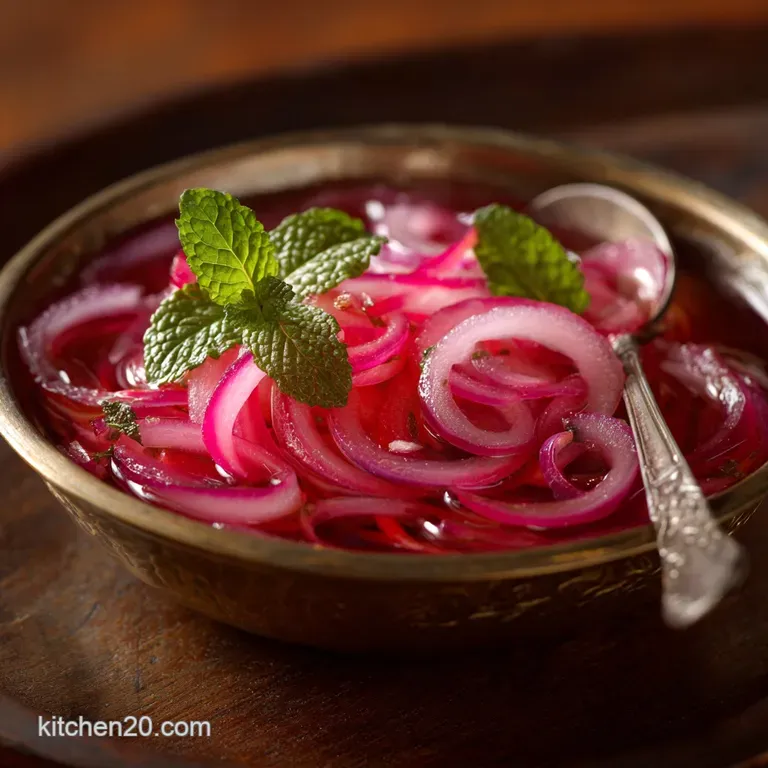
This is where the magic happens. We move quickly because time is money, and hungry friends are waiting.
Prep: Slicing Uniformity and Jar Sterilization
First, slice that gorgeous red onion as thinly and evenly as humanly possible. Then, ensure your jar is spotless. While we aren't canning for shelf stability, using a jar that has been washed in hot, soapy water and rinsed thoroughly is essential for shelf life in the fridge.
Pack the sliced onion tightly into the jar, sliding in any aromatics you’ve chosen, like garlic or peppercorns, around the edges.
Brine Creation: The Quick Simmer and Dissolution
In your saucepan, combine the water, vinegar, salt, and sugar. Place it over high heat and stir constantly. You need to bring this mixture to a rolling boil not just a simmer, but a serious boil. Keep stirring until every single grain of salt and sugar has completely dissolved.
This should take maybe two or three minutes max. Don't step away; burnt sugar is a nightmare to clean.
The Pour: Submerging the Onions and Sealing
Immediately remove the brine from the heat. Carefully pour the boiling liquid directly over the tightly packed onions in the jar. Pour slowly! The heat is doing the work right now, softening and setting the color. Once poured, use the handle of a wooden spoon or a chopstick to gently press the onions down.
They must be fully submerged beneath the brine. This ensures consistent pickling throughout the entire batch of Quick Pickled Red Onions .
Chef’s Note: If you find the brine doesn't entirely cover the onions, don't panic. You can quickly mix a small supplementary batch of 1 part boiling water to 1 part vinegar (with a pinch of salt) and top it off.
The Waiting Game: How Long Until They're Ready? (The 30 Minute Rule)
Screw the lid onto the jar, but leave it slightly loose to allow heat to escape safely. Let the jar sit at room temperature for at least 30 minutes, or until the glass is completely cool to the touch. Once cooled, tighten the lid, and transfer the jar to the refrigerator.
Technically, these Quick Pickled Red Onions are edible right now, but the flavor will be truly superior after a minimum of two hours, and magnificent after 24 hours.
Professional Polish: Chef’s Tips and Troubleshooting Pickling Pitfalls
Why Your Onions Came Out Limp (Temperature Control)
This is the most common mistake home cooks make. Limp pickles are usually the result of using brine that wasn't hot enough. If the brine wasn't boiling when poured, it didn't properly soften the onions’ structure, leaving them tough initially but causing them to collapse later. The fix?
Ensure a rapid, rolling boil before pouring. This helps the raw onion retain its snap.
Speed Infusion: The Salt Soak Pre-Treatment
If you are seriously pressed for time and want Quick Pickled Red Onions No Cook (sort of), you can pre-treat the raw onion slices. Before packing them into the jar, toss the slices with an extra pinch of salt and let them sit for 10 minutes.
The salt will draw out excess moisture and harshness, helping them absorb the (still hot!) brine much faster. Drain any liquid that pools before adding the onions to the jar.
Balancing Acidity: Adjusting for Different Onion Strengths
Sometimes, red onions are just brutally strong. If your first batch of Best Pickled Red Onion Recipe comes out tasting too harsh, next time, increase the sugar by half a teaspoon, or slightly increase the water-to-vinegar ratio (e.g., 1.25 cups of water to 1 cup of vinegar).
This subtle adjustment can take the edge off a particularly strong onion variety.
Shelf Life and Storage: Keeping Your Pickles Vibrant
Refrigerator Longevity: How Long Do Quick Pickles Last?
Because these are refrigerator pickles and not sterilized, shelf stable preserves, they have a limited shelf life. When properly stored in a tightly sealed jar in the fridge, your beautiful Quick Pickled Red Onions will last for about 2 to 3 weeks.
They will lose a bit of their crispness after the first week, but they remain perfectly flavorful.
Signs of Spoilage: When to Discard Your Brine
Safety first, always. Your Easy Quick Pickled Red Onions are low risk, but keep an eye out. If the liquid becomes cloudy, if you see any signs of mold, or if the onions develop a slimy texture or an off-smell (anything yeasty or overtly unpleasant), toss them immediately.
They should maintain their beautiful, vibrant pink color throughout their lifespan.
The Ultimate Culinary Sidekick: Best Uses for Pickled Red Onions
These Quick Pickled Red Onions are designed to cut through fat and add brightness, making them the ultimate sidekick for heavy dishes.
Elevating Sandwiches and Burgers (Beyond the Garnish)
Ditch the raw onion slices on your next sandwich. Use a generous layer of these pickled beauties instead. They add necessary acid and crunch without the lingering onion breath. They are seriously fantastic on any rich, savory sandwich especially if you're making something like my Low Carb Keto Sloppy Joes: Tangy Quick Family Favorite . That tangy crunch against the rich, savory beef is absolute perfection. They also work brilliantly tucked alongside a juicy Air Fryer Pork Chops: Quick, Juicy, and Perfectly Crispy .
Versatile Toppings and Mix-Ins
They are non-negotiable for tacos, chili, and pulled pork. But don't stop there!
- Avocado Toast: The ultimate pairing. Smashed avocado needs that bright acid counterpoint.
- Eggs: Scatter them over scrambled eggs, omelets, or fried eggs for a vibrant breakfast.
- Salads: They add a perfect punch to simple green salads or grain bowls even scattered over a fresh batch of Orzo Pasta with Tomatoes Basil and Parmesan: Quick 30 Minute Summer Recipe .
- Cheese Boards: A vital component of any good charcuterie spread, cutting through the richness of aged cheeses.
Honestly, once you realize how easy and transformative these are, you’ll never look back. Go make your first batch of Quick Pickled Red Onions today your taste buds will thank you!
Recipe FAQs
How long will these Quick Pickled Red Onions last in the refrigerator?
When stored correctly in an airtight, sterilized glass jar, these quick pickles will maintain their quality and crunch for about 2 to 3 weeks. Always ensure the onions remain fully submerged in the brine, as any exposure to air can significantly shorten their shelf life.
Discard them immediately if you notice any cloudiness in the brine or off-smells.
Why are my pickled onions still harsh or too firm after the initial cooling period?
If the onions remain harsh, the brine likely was not hot enough when you poured it over the slices. Ensure your liquid reaches a rolling boil just before adding it to the jar, as the heat is crucial for softening the onion’s cell structure and jumpstarting the pickling process.
If they are slightly too firm, let the jar sit at room temperature for an extra hour before transferring it to the fridge.
Can I use a different type of vinegar, like Balsamic or Apple Cider Vinegar?
You can substitute most clear vinegars, but avoid Balsamic vinegar as its dark color and strong flavor will muddy the profile of the quick pickle. Apple Cider Vinegar (ACV) is an excellent choice, as it provides a slightly fruitier, milder tang compared to standard white distilled vinegar.
Ensure the substitute vinegar has an acidity level of at least 5% for safety and proper preservation.
How can I elevate the flavor or add a spicy kick to this recipe?
To enhance the flavor, try adding 1 teaspoon of whole peppercorns, mustard seeds, or a bay leaf directly to the brine mixture while it heats. For a spicy version, slice a few rounds of jalapeño or serrano pepper and place them at the bottom of the jar before pouring the hot brine over the onions.
The heat from the pepper will infuse rapidly as the onions pickle.
Is it safe to reuse the leftover pickling brine for a second batch of onions?
It is generally not recommended to reuse the brine for preserving a second batch of onions due to safety and quality concerns. The original brine has been diluted by the water released from the first batch of onions, weakening the vinegar-to-salt ratio required for proper preservation.
While the leftover liquid is flavorful and can be used in salad dressings or marinades, always create a fresh brine for pickling.
I don't have red onions; can I quick pickle white or yellow onions instead?
While you can technically pickle any onion variety, red onions are superior for this quick process because of their crisp texture and high anthocyanin content. White or yellow onions will become much softer and will not achieve the iconic bright pink color that makes red onions so visually appealing.
They may also retain a harsher, sulfurous bite that quick pickling doesn't easily eliminate.
Why did my onions not turn the vibrant bright pink color I expected?
The pink color is a chemical reaction between the red onion's pigment and the acidity of the vinegar. If your color is dull, ensure you are using enough vinegar relative to the water in the brine mixture, as a low acid ratio will yield a lackluster hue.
Also, ensure the onions were thinly sliced; thicker slices take significantly longer to achieve full color penetration.
Easy Quick Pickled Red Onions

Ingredients:
Instructions:
Nutrition Facts:
| Calories | 70 kcal |
|---|---|
| Protein | 0.7 g |
| Fat | 0.3 g |
| Carbs | 14.1 g |
