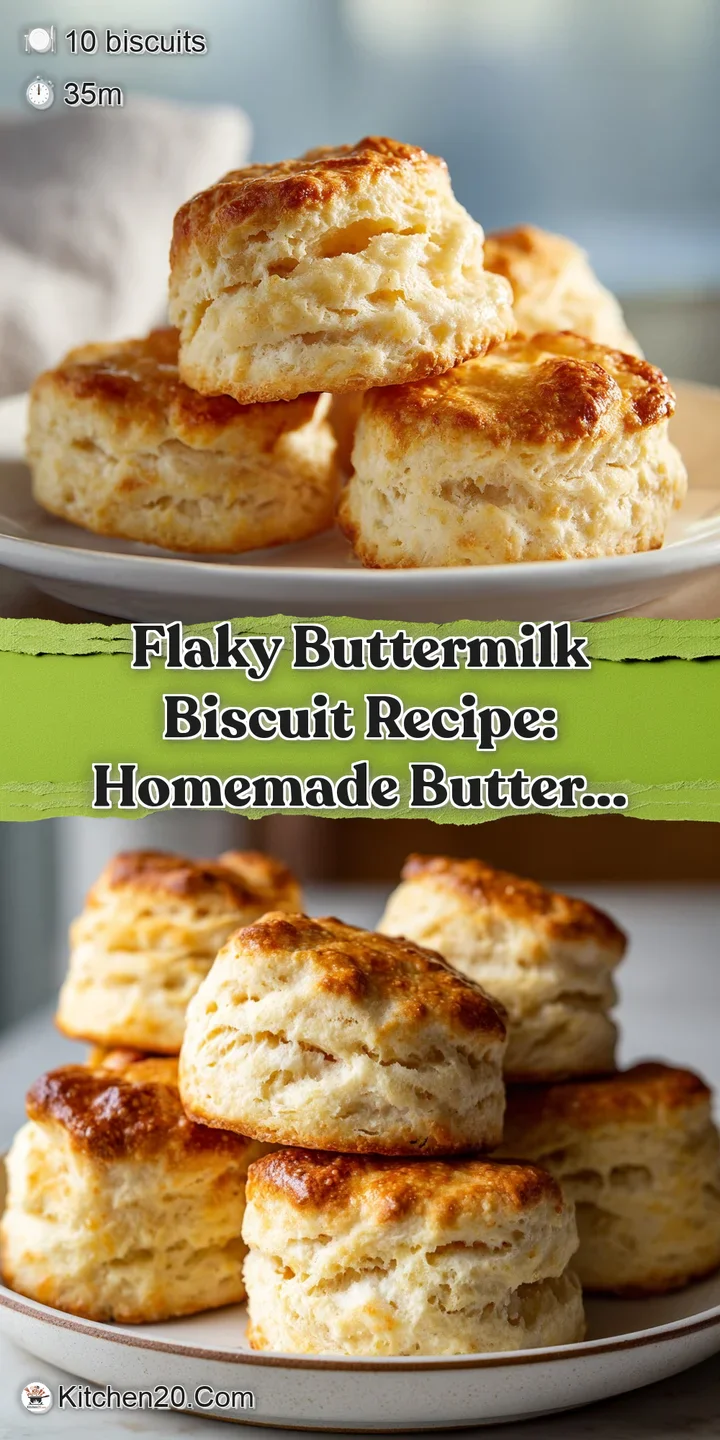
Flaky Buttermilk Biscuit Recipe with Frozen Butter
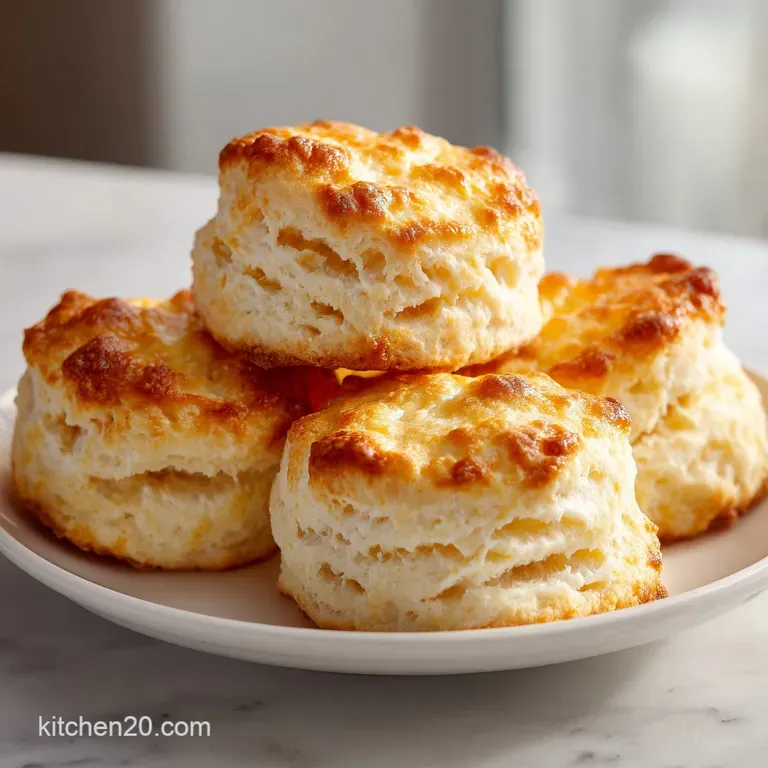
- Time: Active 20 mins, Passive 15 mins, Total 35 mins
- Flavor/Texture Hook: Shatter crisp exterior with a velvety, layered crumb
- Perfect for: Slow weekend mornings or a holiday brunch centerpiece
- The Physics of Steam Lamination
- Quick vs Classic Method Comparison
- Essential Components for High Rise
- Essential Ingredients and Smart Swaps
- Necessary Tools for Superior Flakiness
- Step-by-Step Baking Guide
- Solving Common Texture Issues
- Creative Ways to Adjust Flavor
- Managing Leftovers and Prepped Dough
- Perfect Pairings for Your Table
- Myths Regarding the Rise
- Recipe FAQs
- 📝 Recipe Card
The Physics of Steam Lamination
The Vapor Lift: As the 170g of frozen butter hits the high heat, the water content evaporates instantly, forcing the dough layers upward before the starch sets. This rapid expansion is what creates those distinct, flaky pockets instead of a dense, cake like texture.
- Acidity and Lift: The lactic acid in the buttermilk reacts with the baking soda, creating immediate carbon dioxide bubbles for an extra boost.
- Protein Limitation: Using all purpose flour instead of bread flour keeps the gluten low, ensuring the crumb stays tender rather than chewy.
- Thermal Shielding: Keeping the buttermilk and butter at freezing temperatures prevents the fat from coating the flour, which is essential for layer separation.
Quick vs Classic Method Comparison
| Feature | Fast Method (Drop) | Classic Method (This Recipe) |
|---|---|---|
| Texture | Craggy and rustic | Multi layered and tall |
| Prep Time | 5 minutes | 20 minutes |
| Best For | Weeknight sides | Ultimate brunch status |
Choosing between speed and structure is the big decision here. If you're in a rush, a drop biscuit works, but if you want that "shatter" when you pull the layers apart, the classic folding method is the only way to go. It’s the difference between a quick fix and a kitchen victory. If you find yourself without the key liquid ingredient, you can easily learn How to Make recipe using a few pantry staples to keep the momentum going.
Essential Components for High Rise
| Component | Science Role | Pro Secret |
|---|---|---|
| 170g Frozen Butter | Creates steam pockets | Grate it while frozen to keep it from melting |
| 240ml Buttermilk | Activates leavening agents | Use full fat for the most velvety crumb |
| 1 tbsp Baking Powder | Primary leavening | Check expiration; it must be fresh for the lift |
Essential Ingredients and Smart Swaps
To get the best out of this buttermilk biscuit recipe, you need to be precise with your elements. I always suggest weighing your flour in grams to avoid the "packing" issue that happens with measuring cups.
- 420g All purpose flour: The structural base. Why this? Provides enough strength for layers without becoming tough.
- 170g Unsalted butter: Must be frozen. Why this? Cold fat is the only way to get distinct lamination.
- 240ml Full fat buttermilk: The tangy hydrator. Why this? The fat content adds richness and tenderizes the gluten.
- 1 tbsp Baking powder: For height.
- 0.5 tsp Baking soda: For browning and extra lift.
- 1 tsp Fine sea salt: To sharpen the buttery flavors.
- 1 tbsp Sugar: Just enough to encourage the Maillard reaction (browning).
- 2 tbsp Melted butter: For the final golden brush.
- 1 pinch Flaky salt: For that professional crunch on top.
| Original Ingredient | Substitute | Why It Works |
|---|---|---|
| Full fat Buttermilk | Greek Yogurt + Milk | Similar acidity and fat content. Note: Slightly thicker dough. |
| Unsalted Butter | Salted Butter | Same fat percentage. Note: Reduce added sea salt to 0.5 tsp. |
| All Purpose Flour | Pastry Flour | Lower protein content. Note: Results in an even softer, more delicate crumb. |
Necessary Tools for Superior Flakiness
You don't need a lot of tech, but a few specific items will make this recipe much easier to manage. I personally swear by a heavy duty box grater for the butter. It's a workout, but it beats a pastry cutter every single time.
- Box Grater: For processing the frozen butter into uniform shards.
- Large Mixing Bowl: Chilled in the fridge if your kitchen is warm.
- Bench Scraper: Essential for the folding process and keeping your hands off the dough.
- 6cm Biscuit Cutter: Use a sharp metal one to prevent sealing the edges.
- Baking Sheet: Lined with parchment paper for easy cleanup and even browning.
Chef's Tip: Freeze your box grater and your mixing bowl for 10 minutes before you start. This "cold chain" prevents the butter from softening while you work it into the flour.
step-by-step Baking Guide
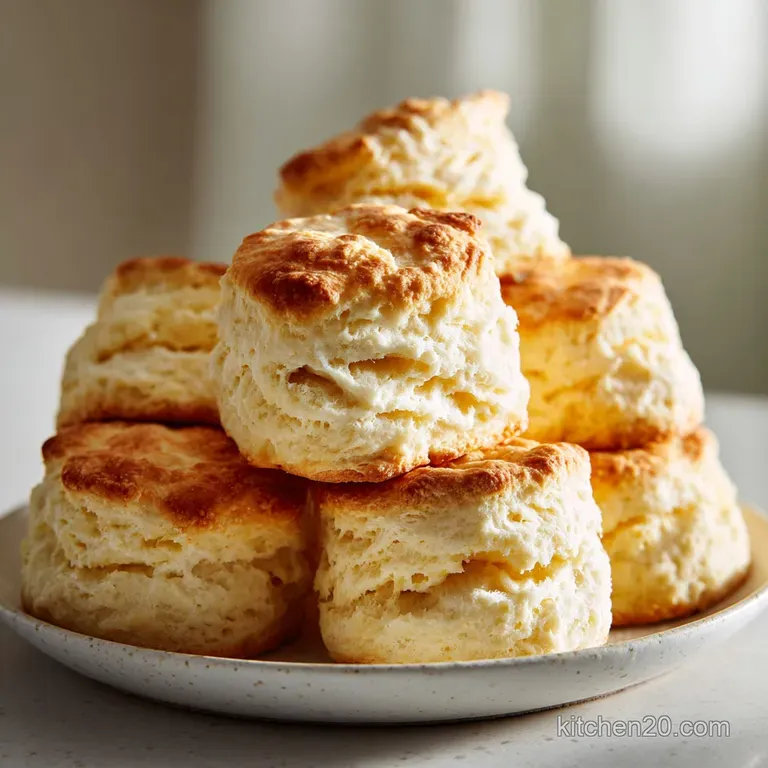
- Preheat and Prep. Set your oven to 200°C. Line your baking sheet with parchment. Note: A hot oven is non negotiable for the initial steam blast.
- Grate the Butter. Take your 170g frozen butter and grate it onto a piece of wax paper. Note: Work fast so it stays as individual shards.
- Mix Dry Ingredients. Whisk the 420g flour, baking powder, soda, salt, and sugar in your chilled bowl.
- Incorporate Fat. Toss the butter shreds into the flour mixture. Use a fork to coat every piece until it looks like a pile of snowy wood shavings.
- Add Liquid. Pour in the 240ml chilled buttermilk. Stir gently with a spatula just until a shaggy dough forms.
- The First Fold. Turn the dough onto a floured surface. Pat into a rectangle, then fold it in half like a book. Note: This is the start of your layers.
- Laminate. Repeat the folding process 5 or 6 times. This is the secret to the southern buttermilk biscuit recipe height.
- Cut the Rounds. Pat the dough to 2.5cm thickness. Press the cutter straight down—never twist the cutter or you'll seal the edges and ruin the rise.
- Bake. Space them out on the tray. Bake for 15 minutes until the tops are golden and the kitchen smells like a bakery.
- Finish. Brush immediately with melted butter and a sprinkle of flaky salt.
Solving Common Texture Issues
Even with a perfect buttermilk biscuit recipe, things can go sideways. But what about the sogginess? Usually, that’s a temperature or handling issue. If your dough feels like a sticky mess, you’ve likely worked it too much with warm hands.
Why Your Biscuits Are Flat
If you followed the steps but ended up with pancakes, check your leavening agents. Baking powder loses its "oomph" faster than you'd think. Also, if you twisted the cutter while pressing down, you effectively "zippered" the edges shut, preventing the steam from pushing the layers up.
Why Your Biscuits Are Tough
Over mixing is the culprit here. Once you add the buttermilk, you want to be as gentle as possible. Every time you fold or stir, you're developing gluten. We want just enough gluten for structure, but not enough for a bread like chew.
| Problem | Root Cause | Solution |
|---|---|---|
| Heavy/Dense Crumb | Melted butter | Freeze butter and use chilled buttermilk. |
| Bottoms Burning | Pan too thin | Use a heavy baking sheet or double up the pans. |
| No Flaky Layers | Not enough folds | Ensure you do at least 5 "letter folds" during prep. |
Common Mistakes Checklist
- ✓ Pat the dough; do not use a rolling pin (it compresses the air pockets).
- ✓ Ensure the oven is fully preheated to 200°C before the tray goes in.
- ✓ Keep the buttermilk in the fridge until the very second you need it.
- ✓ Arrange biscuits so they just touch on the pan for a higher, straighter rise.
- ✓ Use a sharp metal cutter, not a glass or plastic rim.
Creative Ways to Adjust Flavor
Once you've mastered the base biscuit recipe, it’s a platform for all sorts of innovations. You can lean into the savory side or make them a bit more indulgent for a dessert style treat.
- Cheesy Garlic: Fold in 100g of sharp cheddar and 1 tsp of garlic powder during the dry mix stage. These pair beautifully with a Garlic Butter recipe for a serious flavor punch.
- Herbed Buttermilk: Add a handful of chopped chives or rosemary to the flour.
- Sweet Honey: Increase the sugar to 2 tablespoons and brush the tops with a honey butter mixture halfway through baking.
If you want X, do Y If you want an extra crispy bottom, bake them in a preheated cast iron skillet. If you want a softer, pull apart texture, crowd them tightly on the baking sheet. If you want a rustic look, skip the cutter and just use a knife to make square biscuits.
Managing Leftovers and Prepped Dough
Biscuits are best the moment they leave the oven, but we've all had leftovers. To store, keep them in an airtight container at room temperature for up to 2 days.
Zero Waste Tip: If your biscuits go stale, don't throw them out! Tear them into chunks, toss with melted butter and herbs, and toast them at 150°C for 10 minutes. They make the most incredible croutons for a creamy soup. You can also use leftover dough scraps to top a Peach Cobbler recipe for a cobbler biscuit hybrid.
Freezing: You can freeze the unbaked dough rounds for up to 3 months. Just bake them directly from frozen, adding about 3-5 minutes to the total bake time.
Perfect Pairings for Your Table
How you present these depends on the vibe of your meal. I’ve broken it down into three levels of "plating" to help you choose the right look for your community gathering.
| Level | Presentation Style | The Finishing Touch |
|---|---|---|
| Simple | Served warm in a basket lined with a cloth napkin. | A small bowl of softened salted butter. |
| Polished | Stacked on a wooden board with a ramekin of honey. | A sprig of fresh thyme for aroma. |
| Restaurant | Split open, lightly toasted, topped with a soft poached egg. | A drizzle of chili oil and micro greens. |
These biscuits are also the foundation for the Classic Southern Drop recipe if you find yourself wanting to compare the textures. Whether you're serving them with sausage gravy or a simple smear of jam, the goal is always that "shatter" of the crust.
- 1. Butter Weight
- Exactly 170g (frozen).
- 2. Oven Heat
- 200°C (verified with a thermometer).
- 3. Dough Height
- 2.5cm thick before cutting.
Myths Regarding the Rise
Many people think you need a "special" southern flour to get a good rise. While some brands have lower protein, you can achieve the same results with standard all purpose flour by simply not overworking the dough. The flour brand matters much less than your handling technique.
Another common misconception is that you must use a rolling pin. In reality, a rolling pin often squashes the very air pockets you’ve worked so hard to create. Using your hands to gently pat the dough into shape is far more effective for maintaining that light, airy crumb.
Finally, don't believe the myth that "more baking powder equals more height." Too much leavening will leave a metallic, soapy aftertaste and can actually cause the biscuits to collapse if they rise too fast for the structure to set. Stick to the ratios in this recipe for the most balanced results.
Right then, let's crack on. Grab that butter from the freezer and get started you’re about to revolutionize your breakfast game.
Recipe FAQs
What is the secret to good biscuits?
Keeping all ingredients extremely cold. The core secret is using frozen, grated butter and ice-cold buttermilk to maximize steam lift during baking, which creates distinct layers.
How do you make 3 ingredient butter biscuits?
Combine self rising flour, frozen grated butter, and cold whole milk. Gently mix until just combined, pat out, and cut immediately; this relies solely on the chemical leavening already in the flour.
What is the best flour for buttermilk biscuits?
All-purpose flour is generally the best choice. Its moderate protein level provides structure without developing excessive gluten, ensuring a tender crumb rather than a tough one.
What makes Southern biscuits different?
Southern biscuits prioritize texture over volume achieved by folding. They rely on higher fat content and the acid reaction from buttermilk to create a tender, flaky layering structure rather than a purely cake like rise.
Is it true I must use a biscuit cutter, or can I use a glass?
No, using a sharp, straight edged metal cutter is superior to a glass. A dull edge or twisting a glass seals the edges, preventing the layers from separating and rising vertically.
How do I ensure my biscuits rise tall instead of spreading flat?
Pat the dough to 2.5cm thickness and avoid twisting the cutter. If you master this technique of maintaining air during cutting, you'll see better height, similar to the precise folding required for our Ravioli Sauce recipe stability.
Why did my biscuits taste faintly metallic after baking?
This indicates an excess of baking soda or old leavening agents. Ensure your baking powder is fresh and stick strictly to the small amount of soda needed to react with the buttermilk's acid.
Flaky Buttermilk Biscuit Recipe
Ingredients:
Instructions:
Nutrition Facts:
| Calories | 316 kcal |
|---|---|
| Protein | 5.3 g |
| Fat | 17.3 g |
| Carbs | 34.4 g |
| Fiber | 1.2 g |
| Sugar | 2.3 g |
| Sodium | 458 mg |
