Spot-On Foil Baked Trout with Zesty Lemon Dill Butter
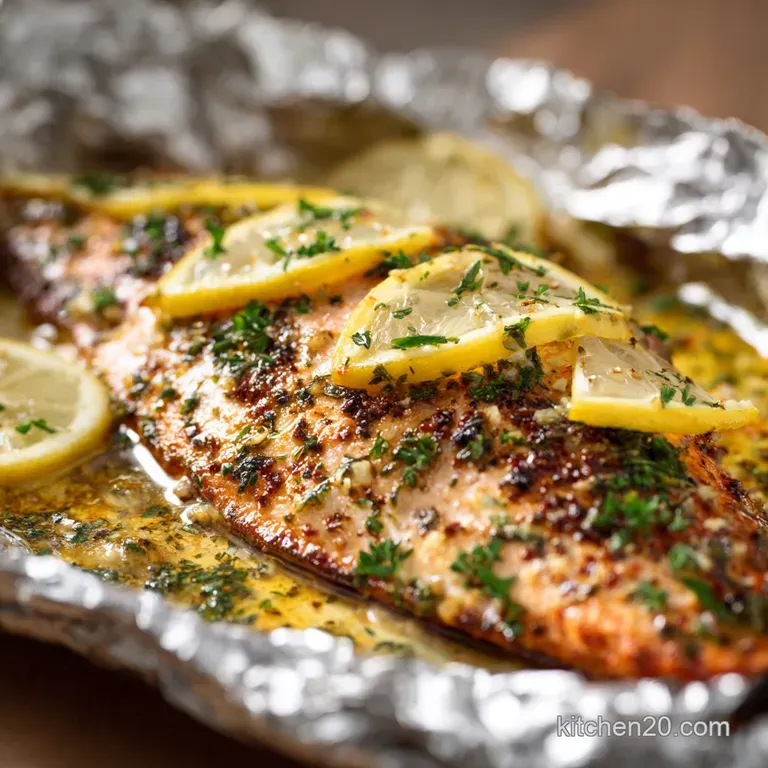
- Mastering the Art of Foil Baked Trout
- The Science of Succulence: Why Foil Baking Guarantees Moist Fish
- Essential Ingredients for Zesty Foil Baked Trout
- The Detailed Method: How to Perfectly Seal and Bake Your Trout
- Troubleshooting Your Trout: Chef’s Secrets for Flawless Results
- Practical Guides: Storing Leftover Foil Baked Trout
- What to Serve Alongside Your Whole Foil Baked Trout
- Recipe FAQs
- 📝 Recipe Card
Mastering the Art of Foil Baked Trout
That moment when you slice open the foil packet is pure magic. Steam rushes out, smelling intensely of bright, zesty lemon and incredibly fresh dill. The fish inside is impossibly tender, practically melting off the bone and smelling intensely savory.
Look, we all have those weeknights when washing dishes feels like the eleventh labor of Hercules. This simple, whole Foil Baked Trout recipe is the ultimate lifesaver because it’s super fast, healthy, and requires virtually zero cleanup.
We’re talking 30 minutes, tops, for a delicious, flaky dinner that feels fancy but requires minimal effort.
Forget dry, sad fish forever; this foolproof method turns humble rainbow trout into a succulent, herb infused centerpiece. Get your heavy duty foil ready, friend, because this is how we master the perfect, hands off Trout Recipes Oven dinner.
The Science of Succulence: Why Foil Baking Guarantees Moist Fish
You’re not just wrapping the fish; you’re building a self contained steam bath. The success of this Foil Cooked Trout relies entirely on basic kitchen physics. By tightly sealing the aluminum, we lock in all the natural moisture released by the fish and the aromatics.
The Magic of En Papillote for Fish
This technique is basically the home cook’s version of en papillote , which sounds intimidating but just means "in parchment." We use foil because it’s easier to seal and holds up better to the heat and pressure.
The trapped moisture converts to steam, bathing the whole fish in its own juices and the concentrated flavors of the butter and herbs.
Why Trout is the Perfect Fish for Foil Baking
Trout is relatively lean, meaning it can dry out quickly when baked conventionally on a pan. However, when sealed in a packet, its natural fat content (hello, Omega-3s!) melts and bastes the flesh continually.
This method ensures that the delicate texture of the Foil Baked Rainbow Trout is preserved perfectly, leaving no room for rubberiness.
What Makes This Lemon Dill Recipe Shine?
We use a compound butter butter mixed with fresh dill, garlic, and lemon zest stuffed right into the cavity. As the butter melts, it bastes the fish from the inside out, infusing the flesh with flavor deep down to the bone. It's truly spectacular.
Steam Power: Locking in Natural Juices
The steam is the secret sauce here. When the packet swells slightly during baking, you know it’s working its magic. That steam pressure cooks the fish quickly and evenly, preventing moisture loss unlike an open bake where the surface evaporates.
The Flavor Infusion Chamber
Think of the foil packet as a tiny pressure cooker, but for flavor. The volatile oils from the lemon zest and fresh dill have nowhere to escape, meaning they condense back onto the fish, giving you an intensely herb infused result.
Minimal Heat Loss, Maximum Speed
Because the foil reflects heat and keeps the steam trapped, the fish reaches its done temperature much faster than if it were exposed. This translates directly into a quicker, more efficient cooking time, perfect for a busy Monday night.
Essential Ingredients for Zesty Foil Baked Trout
Selecting the Freshest Whole Trout
Always look for bright, clear eyes and skin that appears shimmery and wet, not dull. I prefer using whole trout (heads and tails on) for the absolute best flavor and moisture retention, plus it looks impressive!
If you can only find fillets, that’s fine; just remember to check for doneness a couple of minutes sooner.
Crafting the Lemon & Dill Compound Butter
The compound butter is non-negotiable for flavor. You need softened, room temperature butter to properly mix in the freshly minced garlic, lemon zest, and chopped herbs. This mixture is the key to deep, internal flavor.
Smart Substitutions for Dill and Citrus
Don't panic if you’re missing one herb or citrus. We are flexible cooks, right?
| If you don't have... | You can use... |
|---|---|
| Whole Trout | Thick white fish fillets (Cod, Halibut, Sea Bass). Reduce cook time by 3- 5 minutes. |
| Fresh Dill | Fresh tarragon or even finely chopped parsley and chives. Tarragon offers a beautiful, slightly anise like note. |
| Butter | 3 tablespoons of high-quality extra virgin olive oil for a Mediterranean take. |
| Lemon | Limes or even oranges for a sweeter, more subtle citrus punch. |
The Detailed Method: How to Perfectly Seal and Bake Your Trout
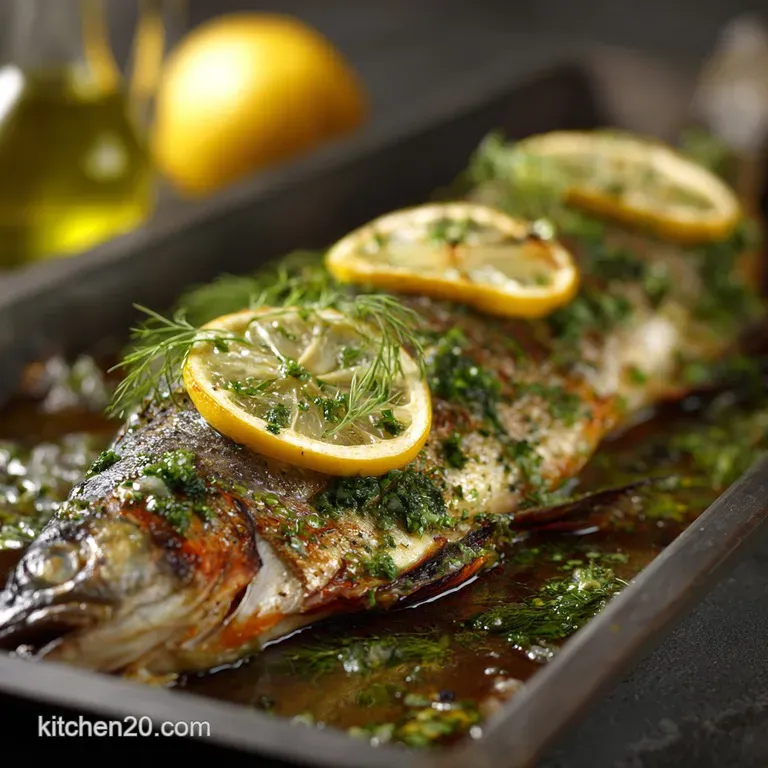
Prepping the Foil Packet Foundation
Tear off generous sheets of heavy duty aluminum foil —seriously, don't skimp on length or strength here. They should be long enough to completely enclose the fish with room to spare for crimping the seams. Place each sheet on your baking tray for easy transport to and from the oven.
Stuffing and Sealing the Whole Trout
First, make sure your fish is patted bone dry both inside and out. This ensures the seasoning sticks and prevents a slimy exterior texture. Next, divide your prepared compound butter and gently smear it all along the internal cavity walls. Place a few lemon slices inside as well.
Once the trout is positioned on the foil, drizzle a tiny splash of white wine or fish stock around the fish (not on top) before sealing.
Chef's Note: The seal is everything. Bring the long sides of the foil together over the fish, folding them down repeatedly to create a tight seam. Then fold and crimp the short ends tightly. You want zero gaps; a perfect seal guarantees a moist result.
Achieving the Ideal Baking Time (Temperature & Doneness)
Preheat your oven to 400°F (200°C). Slide the baking tray into the center rack. I find 15– 20 minutes is the sweet spot for a typical 300g rainbow trout. If your trout is particularly thick or large, lean toward the 20 minute mark.
Troubleshooting Your Trout: Chef’s Secrets for Flawless Results
Mistake 1: The Loose Seal (Preventing Steam Escape)
My first time making Foil Wrapped Fish With Lemon And Herbs , I sealed it too loosely. The juices leaked onto the tray, and the fish came out slightly dry such a waste! A loose seal is the enemy of moisture.
If you hear excessive sizzling outside the packet in the oven, you probably have a leak. Use heavy duty foil, and crimp every edge down at least twice like you mean it.
Checking for Doneness Without Cutting the Fish
You shouldn't need to cut into the beautiful fish to check it. Gently poke the thickest part of the fish with a fork through the foil (be quick!). If the flesh flakes easily and separates slightly, it is ready. If it resists and still looks translucent near the spine, seal the hole and give it another two minutes.
Getting Crispier Skin (Post Bake Technique)
The foil method creates moist, steamed fish, but that means the skin won't be crispy it will be soft and edible, but not snappy. If you absolutely crave that crispy skin, you have two options: carefully remove the fish from the foil and place it skin side up on a sheet pan, then broil for 60 90 seconds, watching constantly.
Alternatively, just discard the skin and enjoy the super moist flesh underneath, which is what I usually do!
Practical Guides: Storing Leftover Foil Baked Trout
Refrigeration Shelf Life
Cooked trout is best eaten immediately, but leftovers are totally acceptable! Once the fish has cooled completely, remove it from the foil packet and store it in an airtight container. It will keep beautifully in the refrigerator for up to 3 days.
Safe Reheating Practices
Reheating fish can be tricky; nobody wants a dry, fishy mess. For the best result, place the leftover trout (skin side down, if applicable) in a fresh piece of foil with a tiny splash of water or stock.
Seal it loosely and warm it in a 300°F (150°C) oven for about 10 minutes until heated through. Alternatively, flake the fish cold and add it to a salad!
Is Freezing Cooked Trout Recommended?
While technically possible, I generally advise against freezing cooked trout. The delicate texture suffers significantly when thawed, often becoming slightly mushy or extremely dry. You're better off freezing high fat baked goods like my recipe for Healthy Baked Chocolate Chip Donuts with Chocolate: Easy Guilt Free instead.
What to Serve Alongside Your Whole Foil Baked Trout
This Herb infused Baked Fish Recipe is so clean and vibrant, it pairs best with equally fresh, simple sides.
- Simple Greens: A classic, crisp green salad tossed with a simple lemon vinaigrette works wonders.
- Starches: Fluffy Basmati rice is lovely for soaking up those herby juices left in the foil. If you want something quick, try quick blanched asparagus spears tossed in olive oil.
- Appetizers: If you’re hosting, start the meal with something equally bright and easy, perhaps my Chili Lime Baked Shrimp Cups: Zesty Wonton Appetizers (Ready in 27 Mins) . They share that lovely citrusy zing.
- More Trout: If you loved this method, you might also want to try the simpler fillet method I detailed in my Oven Baked Trout: Easy Lemon Garlic Herb Fillets in 25 Mins post for comparison!
Recipe FAQs
How do I know when the trout is perfectly cooked inside the foil packet?
The surest method is to use a meat thermometer; the internal temperature should register 145°F (63°C). Visually, the flesh should look completely opaque and flake easily when gently probed with a fork near the thickest part.
If the foil packet is visibly puffed up, this indicates that sufficient steam has built up, aiding the cooking process.
My fish came out dry. What went wrong, since the foil method is supposed to keep it moist?
Dryness usually results from overcooking or a packet seal failure. Ensure the oven temperature is accurate and avoid cooking past the required internal temperature of 145°F. Always make sure your foil parcel is tightly crimped on all sides so that the valuable steam and flavored liquids are locked inside.
Can I use a different type of fish, like salmon or cod, with this foil baking method?
Absolutely. This method works excellently for most flaky white fish or oily fish like salmon fillets, cod, snapper, or sea bass. You may need to adjust the cooking time slightly; very thick cuts of fish might require an extra 5 to 7 minutes of bake time to reach the proper internal temperature.
What is the best way to seal the foil packet to ensure no leakage?
To create a robust seal, fold the edges of the foil twice over, crimping them tightly along the seams to form a leak proof barrier. Ensure you leave a small pocket of air above the fish to allow steam to build, which is essential for the gentle, moist cooking process.
How should I store leftover baked trout, and is it safe to reheat it?
Store leftovers in an airtight container in the refrigerator and consume them within 3 days. While reheating is safe, fish can lose its delicate texture; the best method is to gently warm the fish in a 300°F oven, wrapped loosely in new foil, until it is just heated through.
I don't have dill. What other herbs or aromatics pair well with baked trout?
Trout is highly versatile and pairs well with many fresh herbs. Excellent alternatives include parsley, tarragon, thyme, or thinly sliced fennel placed inside the cavity. For an aromatic kick, try adding thin slivers of ginger or a pinch of smoked paprika to the butter mixture.
Should I rinse the fish before preparing it for the foil packet?
Yes, it is good practice to give the whole trout a quick rinse under cold water, even if it has been gutted. Crucially, you must then pat the fish completely dry inside and out using paper towels before seasoning, as this ensures the seasonings adhere properly and prevents a watery texture in the packet.
Foil Baked Trout Lemon Dill Butter
Ingredients:
Instructions:
Nutrition Facts:
| Calories | 428 kcal |
|---|---|
| Protein | 63.5 g |
| Fat | 18.4 g |
| Carbs | 2.1 g |
