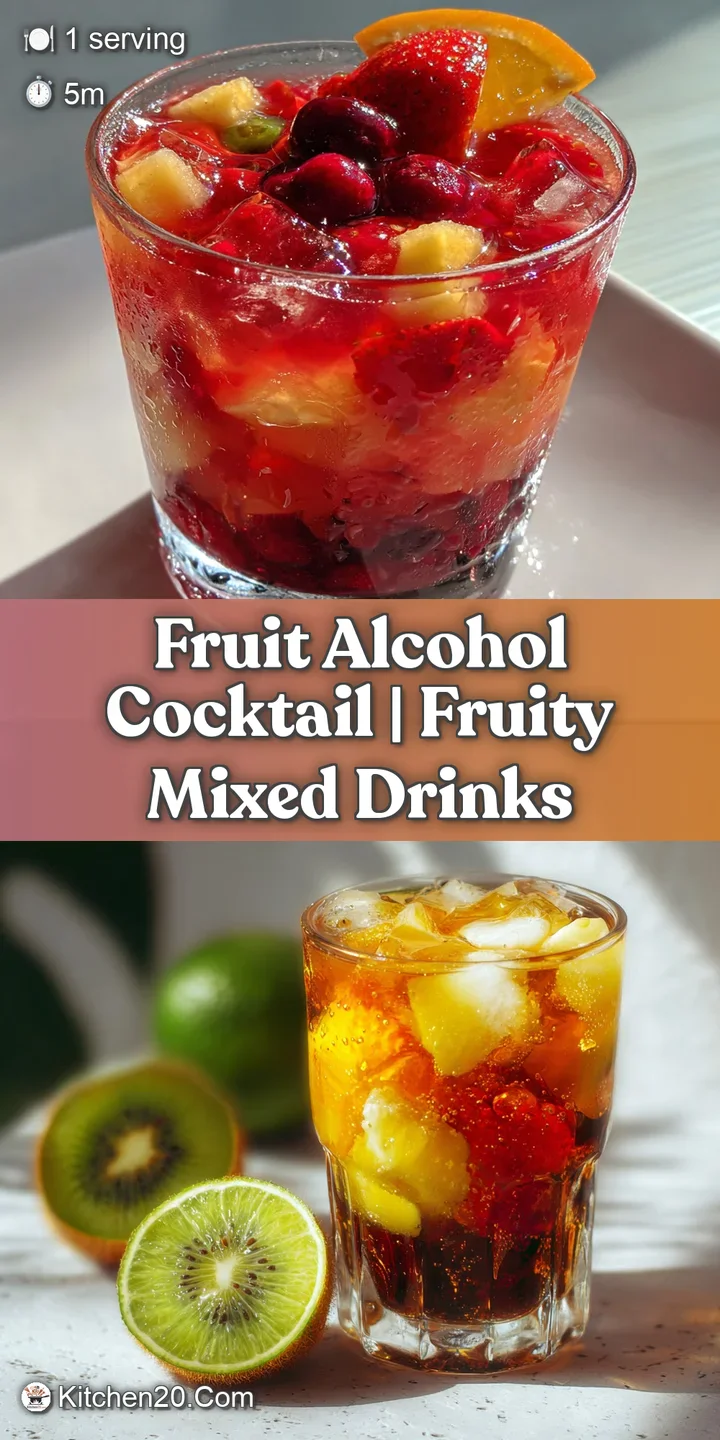
Fruit Alcohol Cocktail
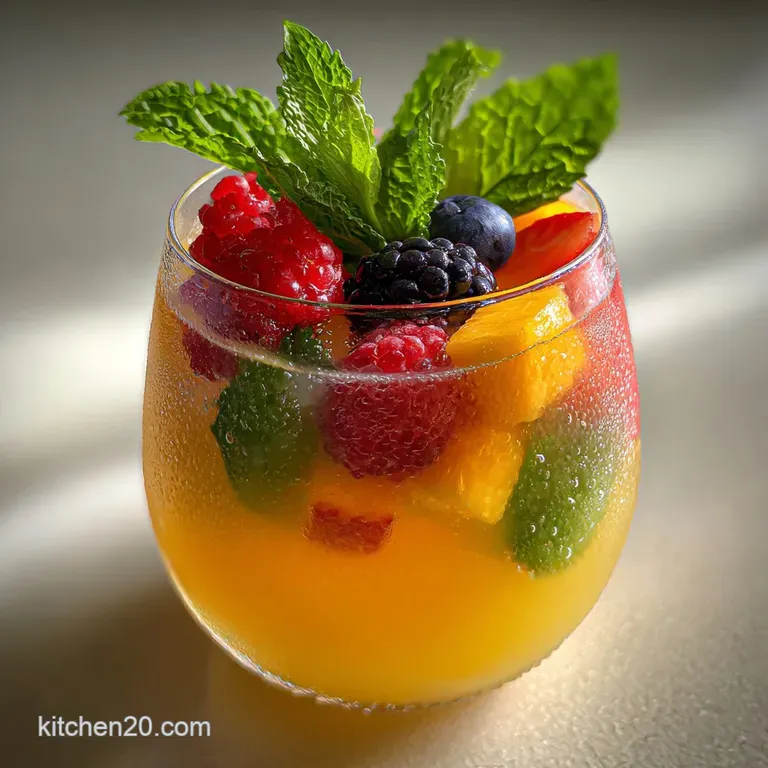
- Time: Active 5 minutes, Passive 0 minutes, Total 5 minutes
- Flavor/Texture Hook: Velvety, crisp, and intensely aromatic
- Perfect for: Summer garden parties or late night kitchen hangouts
- Crafting a Refreshing Fruit Alcohol Cocktail
- Logic Behind the Flavor Profile
- Essential Beverage Performance Metrics
- Essential Components for High Performance
- Modern Tools for Home Mixology
- Step-by-Step Construction Process
- Correcting Common Structural Failures
- Creative Variations and Flavor Profiles
- Preserving Freshness and Reducing Waste
- Visual Design and Plating Levels
- Myths About Fruit Mixology
- Recipe FAQs
- 📝 Recipe Card
Crafting a Refreshing Fruit Alcohol Cocktail
Imagine the sharp, citrusy mist hitting your face as you squeeze a lime over a pile of fresh, sun warmed berries. That scent is the immediate signal that something special is happening in your kitchen.
I remember the first time I tried to make a drink like this; I just threw some juice and vodka together and hoped for the best. It was thin, watery, and honestly, a bit of a letdown. But then I discovered the secret of the "smash" technique, where you actually work the fruit into the spirit itself.
That changed everything for me. Now, whenever friends come over, the sound of the ice hitting the metal shaker becomes the heartbeat of the evening. It’s not just about mixing liquids; it’s about a connected experience where the ingredients are allowed to shine.
You’ll find that when you treat the fruit as a structural component rather than a garnish, the entire profile of the drink shifts into something far more sophisticated.
We're moving away from those overly sugary mixers you find at the grocery store. This recipe is all about high performance flavor using what's actually in your fridge. Whether you have a handful of leftover raspberries or a peach that’s just a little too soft to eat, you’re about to turn it into a platform for something brilliant.
Trust me, once you see how the colors bleed into the alcohol, you won't go back to the bottled stuff.
Logic Behind the Flavor Profile
The success of a fruit alcohol cocktail relies on three distinct chemical pillars: solvent extraction, acidity balance, and textural emulsification. When you shake these ingredients, the ethanol acts as a powerful solvent, pulling essential oils and pigments out of the fruit skins and pulp much faster than stirring ever could.
Molecular Sugar Dispersion Logic
Sugar molecules bond with fruit water to create a stable, velvety mouthfeel that prevents the alcohol from feeling too "hot." This specific ratio ensures the liquid coats the palate rather than just sliding off.
Chef's Tip: Freeze your fruit for 15 minutes before muddling to shatter the cell walls more effectively, releasing double the juice.
Extraction Through Thermal Energy
The rapid motion of ice against the fruit generates micro friction, warming the fruit just enough to release aromatic esters before the ice begins to melt and dilute the mixture.
| Spirit Base | Best Fruit Partner | Vibe | Finish Style |
|---|---|---|---|
| high-quality Vodka | Strawberries | Clean/Crisp | High Carbonation |
| Botanical Gin | Blackberries | Earthy/Floral | Herbaceous Garnish |
| Light Rum | Mango or Pineapple | Tropical/Rich | Creamy Texture |
Choosing the right spirit for your fruit alcohol cocktail is like picking the right software for a specific task it needs to be compatible. Vodka offers a neutral platform that lets delicate fruits like peaches shine, while gin adds a layer of complexity to darker, moodier berries. If you’re looking for something with a bit more smoke, you might even consider trying a Mezcalita Recipe for a totally different perspective.
Essential Beverage Performance Metrics
The physics of this drink require precision to avoid a watery mess. We need to track the thermal exchange between the ice and the room temperature fruit to hit that "sweet spot" of dilution. Too little shake and the drink is too strong; too much, and it loses its structural integrity.
| Thickness | Internal Temp | Rest Time | Visual Cue |
|---|---|---|---|
| NECTAR LIKE | 32°F (0°C) | 0 mins | Frost on shaker exterior |
| SYRUPY | 34°F (1°C) | 1 mins | Consistent color throughout |
| LIGHT/AIRY | 38°F (3°C) | 2 mins | Tiny bubbles on surface |
A quick rest of 60 seconds after pouring actually allows the carbonation from the club soda to integrate with the denser fruit fibers. This ensures that every sip has a consistent density, rather than all the fruit pulp sinking to the bottom of the glass.
Essential Components for High Performance
Selecting your elements is the most critical part of the process. We aren't just looking for "fresh"; we are looking for "functional." Every ingredient in this fruit alcohol cocktail serves a specific purpose in the final flavor architecture.
Analysis of Primary Elements
| Ingredient | Science Role | Pro Secret |
|---|---|---|
| high-quality Spirit | Solvent base | Keep in freezer for viscosity |
| Seasonal Fruit | Flavor/Color | Use overripe for higher sugar |
| Fresh Lime/Lemon | PH balancer | Roll on counter before cutting |
| Simple Syrup | Texture/Sweetness | Infuse with herbs for depth |
- 2 oz high-quality vodka, gin, or light rum: This is your canvas. Why this? A 40% ABV spirit provides the necessary solvent power to extract fruit essence.
- 0.5 cup fresh seasonal fruit (approx. 75g): This is your primary flavor engine. Why this? Fresh fruit provides complex pectins that bottled juices lack entirely.
- 0.75 oz fresh lime or lemon juice: The acid "cuts" the sugar. Why this? It brightens the pigments, keeping the drink looking vibrant and not muddy.
- 0.5 oz simple syrup: The bridge between ingredients. Why this? It adds body and weight, creating that sought after velvety texture.
- 0.5 oz club soda: The lift. Why this? Carbonation carries aromatics directly to your olfactory receptors.
- 1 fresh mint sprig or fruit slice: The final aromatic layer.
| Original Ingredient | Substitute | Why It Works |
|---|---|---|
| Simple Syrup | Agave Nectar | Lower glycemic index but thicker mouthfeel. Note: Use 25% less. |
| Club Soda | Sparkling Mineral Water | Adds a slight saltiness that enhances fruit flavors. |
| Fresh Fruit | Frozen Fruit | Often more consistent sugar content. Note: Thaw slightly first. |
Modern Tools for Home Mixology
You don't need a high tech lab to make a world class drink, but having the right interface makes a difference. If you don't have a shaker, a Mason jar with a tight lid works perfectly as a low tech alternative. The key is the "baffle" effect where the ingredients slam against the walls to break down.
- Muddler: A flat bottomed tool is better than a toothed one for fruit, as it presses rather than shreds.
- Boston Shaker: Two tins are superior to the three piece "cobbler" shakers because they allow for more air integration.
- Fine Mesh Strainer: Essential for removing small seeds and pulp fragments for a polished finish.
- Jigger: Accuracy is the difference between a balanced drink and a mistake.
- Chilled Glassware: A warm glass is the enemy of a high performance cocktail.
Chef's Tip: If you're out of ice, use frozen grapes. They chill the drink without any dilution, preserving the 1:1 flavor ratio.
step-by-step Construction Process
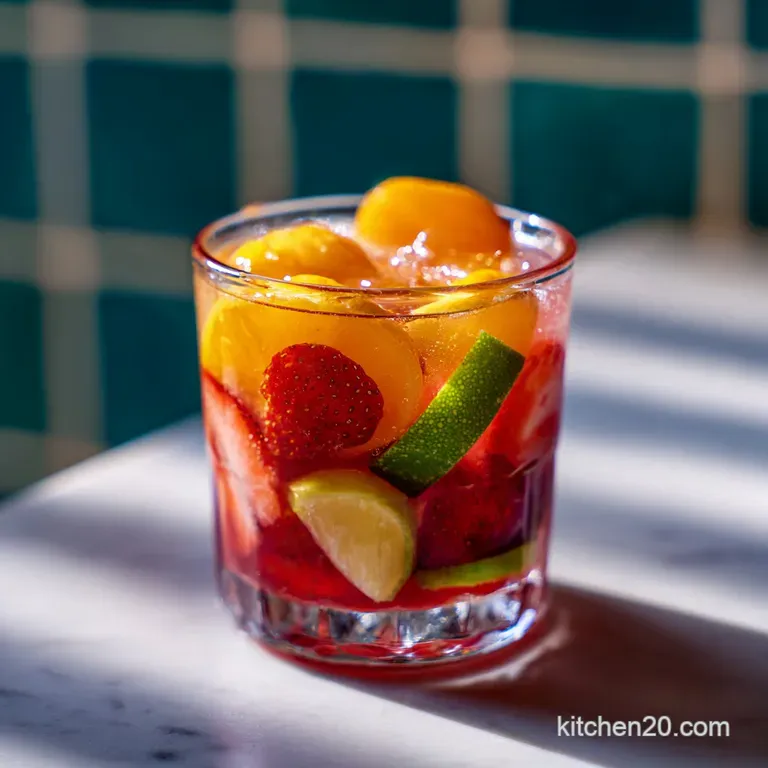
- Place 0.5 cup seasonal fruit into the bottom of a heavy glass or shaker. Note: Use room temperature fruit for easier juice release.
- Add 0.5 oz simple syrup directly over the fruit.
- Press the fruit 5-10 times with a muddler until the juices are fully released and the skins are flattened.
- Pour in 0.75 oz fresh lime or lemon juice.
- Measure and add 2 oz of your chosen high-quality spirit.
- Fill the shaker 3/4 full with large, solid ice cubes.
- Shake vigorously for 15 seconds until the shaker is painfully cold to the touch.
- Double strain the mixture through a mesh sieve into a chilled glass filled with fresh ice.
- Top with 0.5 oz club soda until the carbonation creates a light foam on top.
- Garnish with a mint sprig or fruit slice to provide immediate aromatic impact.
Correcting Common Structural Failures
Sometimes the "code" of your recipe glitches. If your drink tastes "off," it's usually a balance issue rather than an ingredient failure. Most problems can be solved by adjusting the acid to sugar ratio.
Correcting Excess Bitterness
This often happens if you muddle citrus peels too hard, releasing bitter pith oils. To fix this, add a tiny pinch of salt. Salt suppresses the perception of bitterness and makes the fruit flavors pop.
Fixing a Thin Texture
If the drink feels watery, your ice likely melted too fast during the shake. Next time, use larger ice cubes or shake for a shorter duration. For the current drink, adding a teaspoon of jam can restore the lost body.
| Problem | Root Cause | Solution |
|---|---|---|
| Too Sweet | Overripe fruit | Add 0.25 oz extra lime juice to balance PH. |
| Cloudy Liquid | Poor straining | Use a finer mesh sieve or a coffee filter. |
| Muted Flavor | Old citrus | Always use juice squeezed within 2 hours. |
Common Mistakes Checklist
- ✓ Using "bottled" lime juice (it has a metallic, preservative heavy aftertaste).
- ✓ Muddling mint too hard (it releases chlorophyll, making the drink taste like grass).
- ✓ Shaking with "wet" ice (ice that has been sitting out; it dilutes the drink instantly).
- ✓ Forgetting to chill the glass (a warm glass kills the carbonation faster).
Creative Variations and Flavor Profiles
Scaling this recipe is straightforward if you follow a 1.5x spice rule for larger batches. For a party of six, you'll want to multiply your spirits and juices by six, but only increase your herbs and garnishes by about four times to avoid overwhelming the palate.
Scaling Guidelines
- For 4 People: 8 oz spirit, 2 cups fruit, 3 oz lime, 2 oz syrup. Use a large pitcher and stir instead of shaking to keep things efficient.
- For 10 People: 20 oz spirit, 5 cups fruit. Reduce the total club soda by 10% to ensure the punch doesn't go flat too quickly in the bowl.
If you enjoy this fresh approach, you might want to try a Classic Mojito Recipe which uses a similar muddled foundation but focuses on the cooling properties of mint.
| Stovetop Syrup | Cold Process Syrup |
|---|---|
| Richer, deeper flavor. | Brighter, "fresher" taste. |
| Sugar dissolves completely. | May have slight graininess. |
| Takes 10 minutes to cool. | Ready to use in 2 minutes. |
Spicy Performance Variation
Add two thin slices of jalapeño to the muddling step. The alcohol in the spirit will quickly dissolve the capsaicin, giving you a controlled heat that sits at the back of the throat without masking the fruit.
Preserving Freshness and Reducing Waste
A fruit alcohol cocktail is best enjoyed within minutes of construction, but you can prep components ahead of time to streamline your workflow.
- Storage: You can muddle the fruit and syrup together and keep it in the fridge for up to 24 hours. Don't add the citrus or alcohol until you're ready to serve, as the acid will start to "cook" the fruit and change the color.
- Zero Waste Strategy: Take the spent fruit pulp from your strainer and simmer it with equal parts sugar and water to create a "spent fruit syrup." It's incredible on pancakes or mixed into oatmeal the next morning.
- Peel Utilization: Use a vegetable peeler to remove the zest from your lemons and limes before juicing. Dry them in a low oven to make "citrus dust" for rimming future glasses.
Visual Design and Plating Levels
Presentation is part of the connected experience. How the drink looks determines how the brain perceives the flavor before the first sip even happens.
Simple: The Home Standard
Serve in a standard 12 oz rocks glass. Use a single slice of the fruit used in the drink. It’s honest, direct, and focuses entirely on the liquid.
Polished: The Social Enthusiast
Use a stemmed glass like a coupe. Double strain the liquid so it is crystal clear. Add a "slapped" mint sprig hitting the mint against your hand releases the oils without making it look bruised.
Restaurant: The Total Revolution
Clear ice is the star here. Use a large, hand cut ice block. Dehydrate a thin wheel of citrus and float it on top with a tiny edible flower. Rim one side of the glass with a mixture of salt, sugar, and dried zest for a multi sensory entry.
| Level | Glass Type | Ice Style | Garnish Tech |
|---|---|---|---|
| SIMPLE | Rocks Glass | Standard Cubes | Fresh wedge |
| POLISHED | Coupe Glass | No Ice | Slapped mint |
| RESTAURANT | Collins Glass | Clear Spear | Dehydrated wheel |
Designing your drink this way creates a revolution in your home hosting. You're no longer just "making a drink"; you're providing a platform for flavor that rivals any high end lounge. If you find yourself enjoying the botanical side of things, checking out some Gin Drink Recipes can help you expand your repertoire with even more complex aromatic profiles.
Myths About Fruit Mixology
There is a common misconception that "the more fruit, the better the drink." In reality, adding too much fruit increases the viscosity to the point where it becomes a smoothie rather than a cocktail. The 0.5 cup measurement is the calculated limit for maintaining a clean, drinkable texture.
Another myth is that you need expensive, top shelf spirits for a fruit alcohol cocktail. While quality matters, the nuances of an $80 bottle of vodka are often lost once you introduce the high acidity of lime and the intense fructose of fresh berries.
A solid, mid range spirit is actually more efficient for this specific application.
Finally, people often think shaking harder makes the drink colder. Once the liquid reaches the temperature of the melting ice, it won't get any colder regardless of how hard you shake. The "shake" is actually more about aeration and emulsification than it is about the thermometer. Stop once the shaker feels frosty.
Recipe FAQs
What is a good fruity alcoholic drink?
A balanced fruit forward cocktail. The best ones highlight fresh fruit without being overly sweet, often achieved by muddling fruit and balancing acidity. Try a classic Daiquiri or a berry smash for a vibrant start.
What is Taylor Swift's signature cocktail?
There isn't one officially declared signature cocktail. While she's been seen enjoying various drinks, fan speculation often points to simple, classic cocktails like a French 75 or even a well made Old Fashioned, aligning with sophisticated yet timeless taste.
Which fruit cocktail is best?
The "best" is subjective and depends on preference. However, cocktails that focus on seasonal, fresh fruit and balanced sweetness with acidity are generally highly regarded. Consider drinks like a Raspberry Gimlet or a Pineapple Mojito for bright, refreshing profiles.
What two alcohols should you not mix?
Avoid mixing highly dissimilar spirits like dark rum and tequila. While not strictly dangerous, these combinations can clash in flavor, creating an unpleasant and muddled profile rather than a harmonious drink.
How do I make a simple syrup for cocktails?
Combine equal parts water and sugar in a saucepan over medium heat. Stir until the sugar is completely dissolved; do not boil. Let it cool before use, which is essential for proper sweetness and texture in your drinks. You can find detailed instructions on how to make Simple Syrup Secrets: How to Make the Perfect Sweetener.
Can I use frozen fruit in my cocktails?
Yes, frozen fruit can work, but with caveats. It's best to thaw it slightly first, as frozen fruit releases more liquid when shaken, potentially diluting the drink. This is similar to how fruit behaves when used in baking, where moisture content is key.
Is it true that certain fruits ferment quickly in alcohol?
Yes, this is a common misconception about fresh fruit. While it's true that fruit sugars can ferment, the high alcohol content of spirits acts as a preservative, preventing fermentation in a cocktail. The fruit primarily infuses its flavor and color, rather than actively fermenting.
Fruit Alcohol Cocktail
Ingredients:
Instructions:
Nutrition Facts:
| Calories | 202 kcal |
|---|---|
| Protein | 0.6 g |
| Fat | 0.3 g |
| Carbs | 18.2 g |
| Fiber | 3.1 g |
| Sugar | 14.1 g |
| Sodium | 6 mg |
