Garlic Butter Pasta: Velvety & Quick
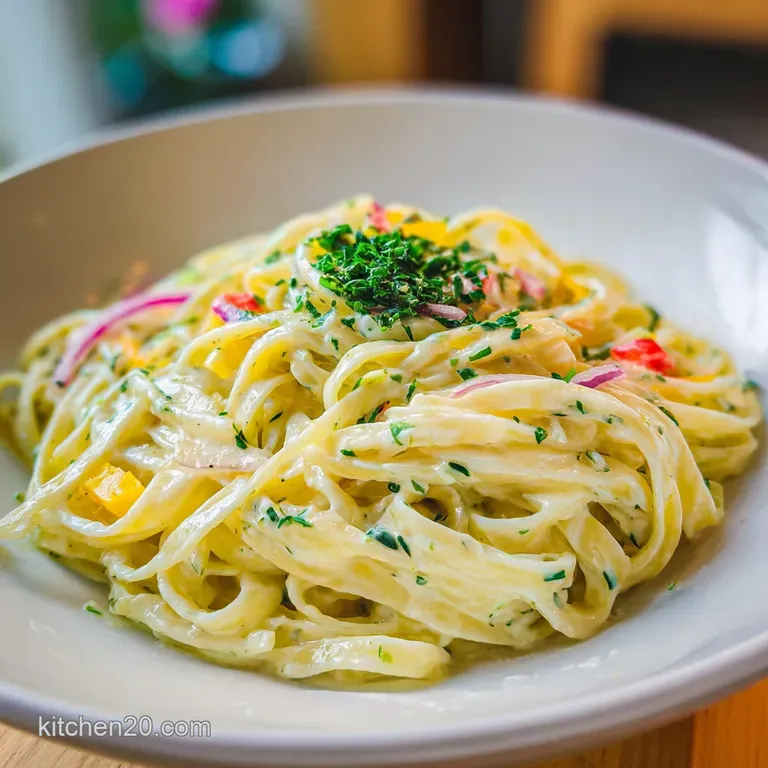
- Time: Active 5 minutes, Passive 10 minutes, Total 15 minutes
- Flavor/Texture Hook: Velvety, buttery, and garlic forward
- Perfect for: Busy weeknights, budget-friendly dates, or beginner cooks
- Mastering the Silkiness of Garlic Butter Pasta
- Essential Specifications for Your Weeknight Success
- The Elements of a Velvety Sauce
- Component Analysis
- Tools for the Ultimate Noodle Toss
- Building the Flavorful Emulsion Stepwise
- Solving Common Texture and Flavor Issues
- Scaling for Large or Small Crowds
- Garlic Butter Pasta Comparisons
- Creative Twists and Swaps
- Debunking Common Kitchen Myths
- Keeping Leftovers Fresh and Springy
- Finishing Touches for Visual Pop
- Recipe FAQs
- 📝 Recipe Card
Mastering the Silkiness of Garlic Butter Pasta
The kitchen was nearly silent until the butter hit the pan with a soft hiss, melting into a golden pool that smelled of pure comfort. I remember the first time I tried to make this Garlic Butter Pasta after a grueling ten hour shift; I was so hungry I nearly ate the garlic raw.
But then, as the 8 cloves of garlic began to sizzle gently in the olive oil, the aroma shifted from sharp to sweet and nutty, filling the room with a scent that felt like a warm hug.
It’s a dish that looks humble in the bowl but feels luxurious on the tongue. We’ve all had those greasy, oily pasta dishes where the sauce just slides off the noodles, leaving a puddle at the bottom. That was my biggest mistake for years until I learned the secret of "liquid gold" (pasta water).
Now, I’m sharing the exact method to get that glossy, clingy sauce that makes this Garlic Butter Pasta a staple in my rotation.
Essential Specifications for Your Weeknight Success
Before you start boiling the water, let's look at the logistics. This recipe is built for speed and high impact flavor. You'll want to have everything chopped and ready because once the pasta hits the water, the process moves quickly.
The Physics of the EmulsionThe Emulsion Bridge: Starchy pasta water contains amylose, which acts as a molecular bridge between the fats in the butter and the water based pasta. This creates a stable, thickened sauce that coats the noodles instead of separating into an oily mess.
| Cooking Method | Active Time | Resulting Texture | Best For |
|---|---|---|---|
| Classic Stovetop | 15 minutes | Silky and Glossy | Maximum flavor control |
| One Pot Method | 18 minutes | Starchy and Thick | Minimal cleanup effort |
| Cold Start Pasta | 12 minutes | Dense and Chewy | Saving energy and time |
Right then, let's talk about the specific numbers you need to hit. Precision matters when you're working with something as delicate as garlic. If you go too hot, the garlic turns bitter; too cold, and it stays pungent and raw.
We're aiming for that sweet spot where the garlic softens and perfumes the oil without losing its integrity.
The Elements of a Velvety Sauce
The magic of Garlic Butter Pasta lies in the quality of the fats and the prep of the aromatics. I always tell my friends to use the best butter they can find because it really is the star of the show here.
Component Analysis
| Ingredient | Science Role | Pro Secret |
|---|---|---|
| 450g Dried Pasta | Starch Provider | Boil in 1 liter less water than usual to concentrate the starch for a better sauce. |
| 4 tbsp Unsalted Butter | Fat & Emulsifier | Use European style butter for higher fat content and a more velvety finish. |
| 8 Cloves Garlic | Flavor Foundation | Slice half and mince half to get both sweet, nutty bites and sharp, infused oils. |
| 1/2 cup Pasta Water | Binding Agent | Scoop this out 1 minute before the pasta is done to catch the peak starch levels. |
If you find yourself missing an ingredient or wanting to switch things up, don't worry. This recipe is forgiving as long as you keep the fat to liquid ratio balanced. For instance, if you're looking for a boost, you might want to try making a batch of my Garlic Butter recipe ahead of time to use as the base here.
| Original Ingredient | Substitute | Why It Works |
|---|---|---|
| Unsalted Butter (4 tbsp) | Extra Virgin Olive Oil | Lighter feel, though the sauce will be less "creamy" and more of a classic aglio e olio. |
| Parmesan Cheese (1/2 cup) | Pecorino Romano | Adds a sharper, saltier tang that cuts through the rich butter. |
| Italian Parsley (1/4 cup) | Fresh Basil | Offers a sweeter, more aromatic floral note that pairs well with the lemon. |
Tools for the Ultimate Noodle Toss
You don't need a professional kitchen, but a few specific tools make the emulsification process much easier. A large skillet or a wide sauté pan is much better than a deep pot for the final stage. You want surface area to toss the noodles effectively, ensuring every strand gets that garlic infused coating.
- Large Pasta Pot: For boiling the 450g of pasta comfortably.
- 12 inch Skillet: This is where the sauce magic happens.
- Microplane or Fine Grater: Essential for that 1/2 cup of Parmesan to ensure it melts instantly.
- Tongs: These are non negotiable for tossing and swirling the pasta into the sauce.
- Liquid Measuring Cup: To safely scoop that 1/2 cup of "liquid gold" pasta water.
Building the Flavorful Emulsion Stepwise
Let's get cooking. Follow these steps closely, especially the timing of the garlic. We want a gentle sizzle, not a frantic fry.
- Boil the water. Fill a large pot with water and add 1 tbsp sea salt. Note: The water should taste like the sea to season the pasta from the inside out.
- Cook the pasta. Add 450g dried pasta to the boiling water and cook for 8-10 minutes until al dente with a firm bite.
- Prep the garlic. While the pasta boils, mince 4 cloves and thinly slice the other 4 cloves. Note: This creates two different textures and flavor profiles in the sauce.
- Sauté the aromatics. In a large skillet, heat 1 tbsp extra virgin olive oil and 4 tbsp unsalted butter over medium low heat until the butter is foaming and bubbly.
- Infuse the fat. Add the 8 cloves of garlic and 1/2 tsp red pepper flakes. Sauté for 2 minutes until the garlic is fragrant and barely golden.
- Save the water. Just before draining the pasta, carefully scoop out 1/2 cup of the starchy pasta water.
- Drain the noodles. Drain the pasta but do not rinse it. Note: Rinsing removes the starch needed to bind the sauce.
- Combine and emulsify. Add the pasta and the reserved water to the skillet. Increase heat to medium and toss vigorously for 1 minute until the liquid thickens into a glossy glaze.
- Add final touches. Turn off the heat. Stir in 1/2 cup Parmesan cheese, 1/4 cup Italian parsley, and 1 tbsp lemon juice.
- Season and serve. Add black pepper to taste and serve immediately while the sauce is silky and hot.
Solving Common Texture and Flavor Issues
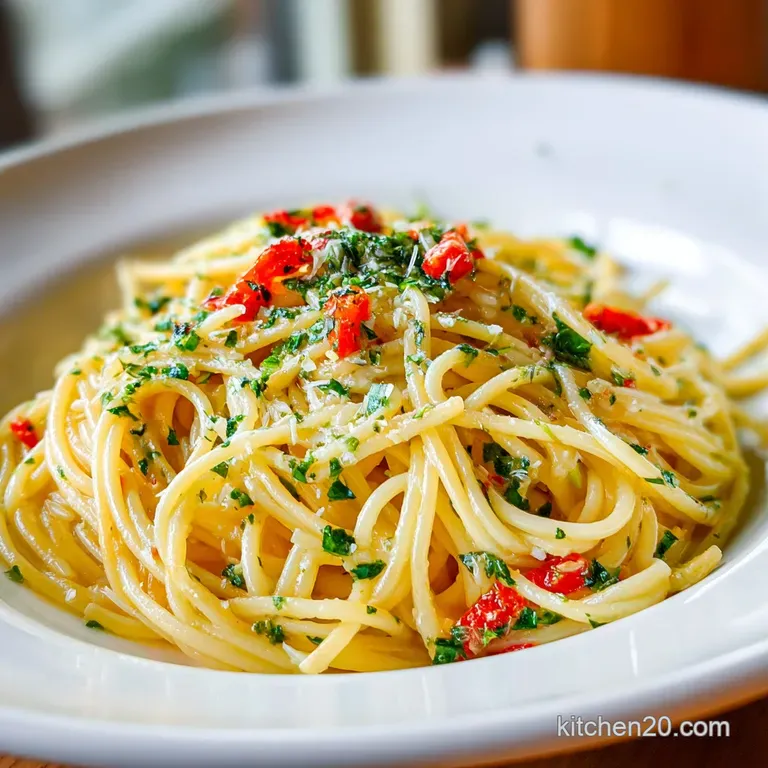
Even the simplest dishes can have a few hiccups. Usually, it comes down to the heat or the timing of the cheese. If you've ever ended up with a clump of cheese that won't melt, you likely added it while the pan was still over high heat.
Bitter Garlic Aftermath
If your garlic turns dark brown or black, it will taste acrid. This usually happens if the pan is too hot or you got distracted. There is no saving burnt garlic; it's better to wipe the pan and start the sauce over. It only takes two minutes, and your taste buds will thank you.
Oily Sauce Separation
When the oil and butter sit at the bottom of the bowl instead of sticking to the pasta, you missed the emulsion stage. This happens if you don't use enough pasta water or don't toss the noodles vigorously enough.
| Problem | Root Cause | Solution |
|---|---|---|
| Clumpy Cheese | Heat was too high when adding Parmesan. | Remove pan from heat completely before stirring in cheese. |
| Dry Noodles | Pasta water evaporated too quickly. | Add an extra splash of water or a knob of butter to loosen. |
| Bland Flavor | Not enough salt in the pasta water. | Add a tiny pinch of sea salt at the very end to sharpen the flavors. |
Common Mistakes Checklist - ✓ Don't overcook the pasta in the water; it will finish cooking in the skillet with the sauce. - ✓ Avoid using pre grated cheese from a green can; it contains anti caking agents that prevent a smooth melt.
- ✓ Never rinse your pasta after draining, as you'll lose the precious starch that builds the sauce. - ✓ Keep the garlic on medium low heat to prevent it from burning before it infuses the oil. - ✓ Always save the pasta water before you tip the pot into the sink.
Scaling for Large or Small Crowds
Adjusting this Garlic Butter Pasta for a different number of people is simple, but you have to watch your liquid ratios. If you're looking for a different flavor profile while scaling, you might consider how a Cheese Sauce Recipe could serve as a richer alternative for a larger crowd.
Scaling Down (1-2 servings) Reduce the pasta to 150g-225g. Use a smaller pan to prevent the butter from burning. You only need about 2-3 tbsp of pasta water for the emulsion. Reduce the salt in the water slightly, as the concentration will be higher.
Scaling Up (10-12 servings) When doubling the recipe, use 900g of pasta. Don't double the red pepper flakes immediately; go to 3/4 tsp and taste. You’ll need a very large heavy bottomed pot to toss everything. Add the pasta water in increments to ensure you don't make it soupy.
Baking Adjustments If you want to turn this into a pasta bake for a crowd, cook the pasta 2 minutes under al dente. Toss with the sauce, top with extra cheese and breadcrumbs, and bake at 200°C for 10-15 minutes until the top is golden and shattering.
Garlic Butter Pasta Comparisons
| Feature | Fresh Garlic | Jarred Minced Garlic |
|---|---|---|
| Aroma | Sharp, complex, and pungent | Muted, slightly acidic |
| Texture | Soft but holds shape | Mushy or grainy |
| Flavor Impact | Sweetens when sautéed | Stays sharp and one note |
Creative Twists and Swaps
Once you have the base down, you can treat this like a canvas. One of my favorite ways to level this up is to turn it into a Garlic Butter Shrimp Pasta. Just sauté the shrimp in the garlic butter for 2 minutes per side before adding the pasta back in.
- Garlic Butter Chicken Pasta: Sauté diced chicken breast with salt and pepper before starting the garlic. Set the chicken aside and toss it back in at the end.
- Vegan Alternative: Swap the butter for a high-quality vegan butter or double the olive oil, and use nutritional yeast instead of Parmesan for that umami hit.
- Low Carb Options: Use zoodles or spaghetti squash. Just skip the boiling water part and sauté the vegetable strands directly in the garlic butter for 3-4 minutes.
If you want X, do Y - If you want a creamy finish, whisk in 2 tbsp of heavy cream with the pasta water. - If you want a crunchy texture, toast 1/4 cup of panko breadcrumbs in a separate pan with butter and sprinkle on top.
- If you want an extra punch, add 1 tsp of lemon zest along with the juice at the end.
Debunking Common Kitchen Myths
Myth: Adding oil to the pasta water prevents sticking. Truth: Oil just floats on top of the water and gets poured down the drain. It actually prevents the sauce from sticking to the noodles later.
Just stir the pasta a few times during the first 2 minutes of boiling to prevent sticking.
Myth: Garlic breath can be avoided by removing the "germ" (the center sprout). Truth: While the germ can be more bitter, the sulfur compounds that cause "garlic breath" are present throughout the clove. The best way to mellow it is through gentle cooking, not surgery.
Keeping Leftovers Fresh and Springy
Garlic Butter Pasta is best served immediately, but leftovers can be a lifesaver for lunch.
Storage: Keep in an airtight container in the fridge for up to 4 days. I don't recommend freezing this dish, as the pasta tends to get mushy and the butter sauce can break and become grainy when thawed.
Reheating: Don't just microwave it on high. Add the pasta to a pan with a splash of water or a tiny bit of milk. Heat over low, tossing gently, until the sauce becomes velvety again. The extra liquid is key to reviving the emulsion.
Zero Waste Tip: If you have leftover parsley stems, don't toss them! Finely chop them and add them to the pan with the garlic. They have a ton of flavor and a nice crunch that complements the dish perfectly.
Finishing Touches for Visual Pop
Aesthetics are a big part of why we enjoy food. For this dish, we use a "color balance" strategy to make the pale noodles look exciting.
- The Green Pop: Use fresh Italian parsley. Add half during the toss and the other half as a garnish right before serving so it stays bright green.
- The Red Spark: A light dusting of red pepper flakes adds a visual "heat" that tells the brain what to expect.
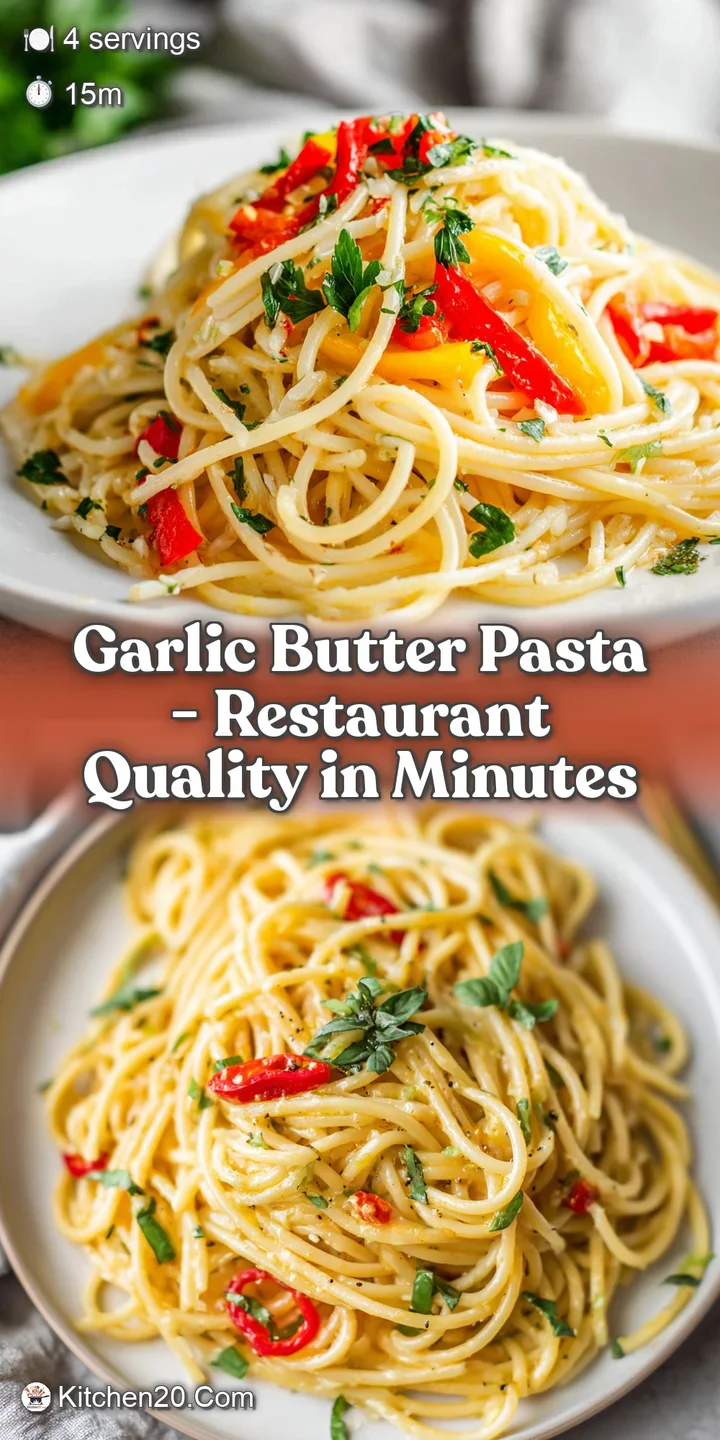
- The Yellow Highlight: A final squeeze of lemon juice adds a glossy sheen, but adding a bit of fresh zest right on top provides a vibrant yellow contrast that makes the dish look alive.
Serve this in wide, shallow bowls to show off the swirl of the noodles. Trust me, when you bring a steaming bowl of this Garlic Butter Pasta to the table, the aroma alone will have everyone reaching for their forks before you can even sit down.
It's a simple revolution in a bowl, connecting basic pantry items into something truly special. Let's crack on and get that water boiling!
Recipe FAQs
Is it necessary to use the starchy pasta water, or can I just use regular water?
No, regular water will result in an oily separation. The starch in the reserved pasta water is essential; it acts as a binding agent, creating the stable emulsion that makes the sauce cling to the noodles instead of pooling at the bottom of the bowl.
How to prevent the garlic from turning bitter while sautéing in the butter?
Sauté the garlic over medium low heat until it is fragrant and barely golden. If you cook it too fast or let it brown deeply, the natural sugars will scorch, leading to a distinctly acrid or bitter flavor in the final dish.
Can I substitute unsalted butter with olive oil entirely for a lighter sauce?
Yes, you can substitute butter with olive oil, but the texture will change significantly. Using only olive oil creates a classic aglio e olio texture, which is lighter and less velvety than the rich, emulsified coating achieved with butter fats. This is similar to the technique used in our PanSeared Scallops with recipe where the brown butter is the primary binder.
What is the correct stage to add the Parmesan cheese to ensure it melts smoothly?
Turn off the heat completely before stirring in the Parmesan cheese. Adding cheese while the pan is over direct heat causes the proteins to seize and clump rather than smoothly melting into the sauce.
How do I adjust the recipe if I am using spaghetti squash instead of dried pasta?
Sauté the spaghetti squash strands directly in the infused garlic butter for about 3 to 4 minutes. Skip the boiling water step entirely, as the squash releases less starch; you will need to add a small amount of broth or water to help create a thin sauce base.
Is it true that using freshly grated cheese makes a big difference in sauce smoothness?
Yes, this is absolutely true for achieving a glossy sauce. Pre-shredded cheeses contain anti caking agents like cellulose, which prevent smooth dissolution and can leave your sauce slightly grainy or clumpy.
How should I reheat leftovers to restore the sauce's silky texture?
Reheat gently in a skillet over low heat while adding a splash of liquid. Add a teaspoon of water or milk; this reintroduces the moisture necessary to re-emulsify the butter and liquid components broken down during refrigeration.
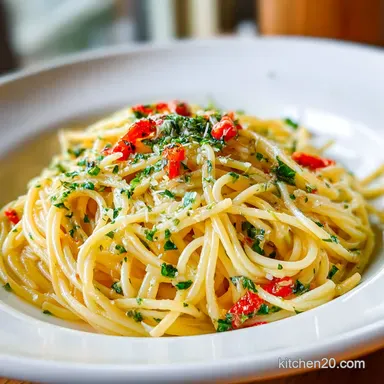
Garlic Butter Pasta Recipe
Ingredients:
Instructions:
Nutrition Facts:
| Calories | 411 kcal |
|---|---|
| Protein | 13.3 g |
| Fat | 13.4 g |
| Carbs | 58.7 g |
| Fiber | 2.1 g |
| Sugar | 1.8 g |
| Sodium | 385 mg |
