Garlic Chicken Gnocchi Skillet
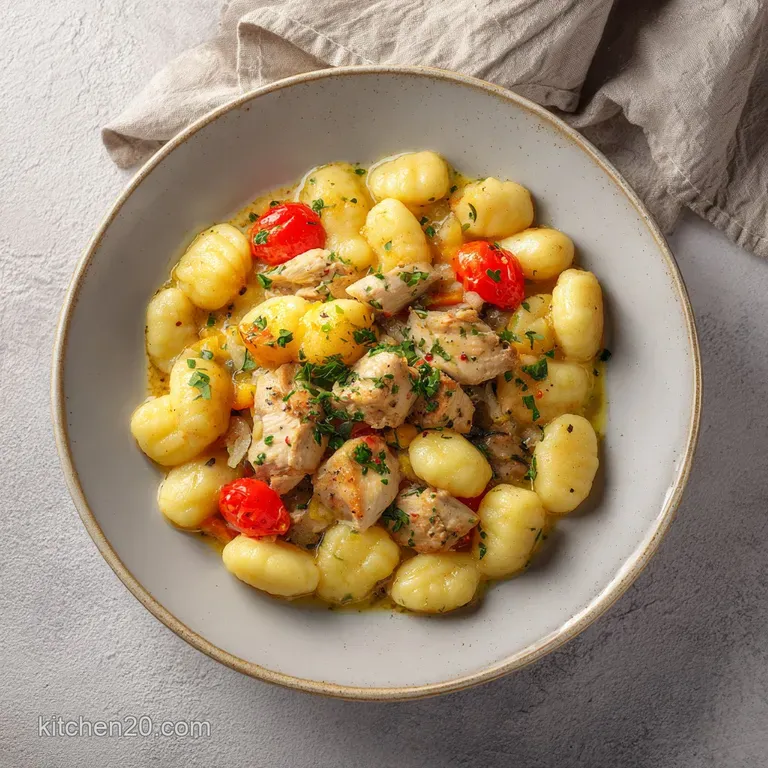
- Time: Active 10 minutes, Passive 15 minutes, Total 25 minutes
- Flavor/Texture Hook: Crackling pan seared gnocchi with a silky, garlicky finish
- Perfect for: High speed weeknight dinners or a cozy date night at home
- Crafting Your Garlic Chicken Gnocchi Skillet
- Science Behind the Perfect Pan Sear
- Essential Elements for Skillet Success
- Tools for Kitchen Efficiency
- Ingredients & Substitutes
- Step-by-Step Cooking Walkthrough
- Fixing Common Texture Issues
- Troubleshooting Common Issues
- Creative Flavors and Smart Swaps
- Safe Storage and Warming Tips
- Ideal Pairings for This Meal
- Frequently Asked Questions
- High in Sodium
- Recipe FAQs
- 📝 Recipe Card
Crafting Your Garlic Chicken Gnocchi Skillet
The first time I made this, I followed a traditional path and boiled the gnocchi in a separate pot. It was a disaster. The kitchen was humid, the gnocchi were slimy, and by the time they hit the sauce, they had the structural integrity of wet tissue paper.
I almost gave up on the idea entirely until I saw a chef friend "dry sear" them directly in a pan. The sound was incredible a rhythmic, sharp sizzle that promised something far better than a mushy dinner.
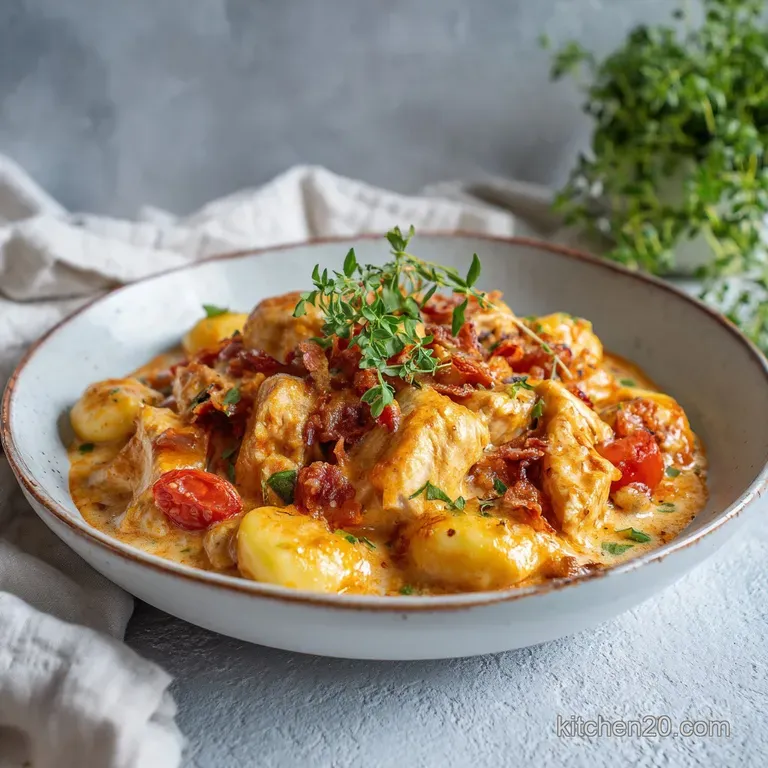
When you toss those potato pillows into a hot skillet with a bit of olive oil, the transformation is instant. The outside shatters when you bite into it, while the inside stays airy and light.
Combined with the aroma of five garlic cloves hitting melting butter, it’s the kind of smell that brings everyone into the kitchen before the timer even goes off. We aren't just making a meal here; we're revolutionizing the way you think about pantry staples.
This dish is all about the contrast between the browned, savory chicken and the plush, spinach flecked sauce. It’s a platform for big flavors that doesn't require a mountain of dishes.
We’ve all had those nights where we want something that feels like a restaurant luxury but only have 25 minutes to spare. This is that recipe. It’s connective, comforting, and honestly, a bit of a kitchen magic trick.
Science Behind the Perfect Pan Sear
Maillard Reaction Mastery: Searing the chicken and gnocchi at high heat creates hundreds of new flavor compounds through the interaction of amino acids and reducing sugars. This produces the golden crust and deep savory notes that a boiling pot simply cannot achieve.
Emulsification Stability: The chicken bone broth acts as a bridge between the heavy cream and the rendered fats, while the starch from the gnocchi surfaces helps bind the sauce. This prevents the cream from breaking or feeling greasy on the palate.
Thermal Momentum: Using a heavy skillet allows for consistent heat retention, which is vital when adding cold spinach or cream. This ensures the chicken finishes cooking to exactly 165°F without the sauce cooling down and losing its silky texture.
| Thickness | Internal Temp | Rest Time | Visual Cue |
|---|---|---|---|
| 1 inch cubes | 165°F | 3 mins | Opaque and springy |
| 0.5 inch slices | 165°F | 2 mins | No pink in center |
| Shredded | 165°F | N/A | Fully white fibers |
The key to success here is understanding heat. If the pan is too cold, the gnocchi will stick and tear. If it’s too hot, the garlic turns bitter before the chicken is done. Similar to the technique used in our Classic French Chicken Fricassee recipe, we are looking for that sweet spot where the fat shimmers but doesn't smoke.
Essential Elements for Skillet Success
| Component | Science Role | Pro Secret |
|---|---|---|
| Potato Gnocchi | Starch Source | Do not boil first; the dry heat creates a superior, non gummy texture. |
| Fresh Garlic | Aromatic Base | Mince just before using to maximize the release of pungent allicin compounds. |
| Heavy Cream | Fat Emulsion | Use room temperature cream to prevent the sauce from curdling when hitting the pan. |
| Bone Broth | Flavor Depth | Provides collagen which adds body and a "lip smacking" quality to the finish. |
We often overlook how much the quality of the starch matters in a quick meal. If you use a lower quality gnocchi, it might have more flour than potato, leading to a denser bite. I’ve found that shelf stable versions actually sear better than fresh ones because they have a lower moisture content on the surface.
Tools for Kitchen Efficiency
To get that shatter crisp texture on the gnocchi, you really need a heavy bottomed skillet. A cast iron pan (like a Lodge) is my go to because it holds heat like a champion. If you use a thin aluminum pan, the temperature will drop the second the chicken hits the surface, and you'll end up steaming the meat instead of searing it.
You'll also want a high-quality whisk or a silicone spatula to scrape up the "fond" those little brown bits stuck to the bottom of the pan. That is where the concentrated flavor lives. Don't let it go to waste! It's the same principle we use in The Creamy Chicken recipe to build a complex base without hours of simmering.
Finally,, a microplane is your best friend for the Parmesan. Pre shredded cheese is coated in cellulose to keep it from clumping, but that same coating prevents it from melting smoothly into your sauce. Grating it fresh right over the skillet ensures a velvety, clump free finish every single time.
Trust me, the extra sixty seconds of grating is worth the lack of graininess.
Ingredients & Substitutes
- 1 lb boneless, skinless chicken breast: Cut into 1 inch cubes. Why this? Lean protein that cooks fast and absorbs the garlic butter beautifully.
- Substitute: Chicken thighs (boneless) for more moisture and a richer fat profile.
- 1 lb potato gnocchi: Shelf stable or refrigerated. Why this? The starch provides the "chew" and helps thicken the cream sauce.
- Substitute: Cauliflower gnocchi for a lower carb option (requires more oil to prevent sticking).
- 1 cup heavy cream: Full fat is essential. Why this? Creates the luxurious mouthfeel that defines the dish.
- Substitute: Full fat coconut milk for a dairy-free version (adds a slight nutty sweetness).
- 5 cloves fresh garlic: Minced finely. Why this? The primary aromatic that defines the flavor profile.
- Substitute: 1.5 tsp garlic powder if fresh isn't available, though the flavor will be less sharp.
- 2 cups fresh baby spinach: Packed. Why this? Adds color, fiber, and a fresh earthy balance to the heavy cream.
- Substitute: Baby kale or chopped Swiss chard for a sturdier green.
- 0.5 cup freshly grated Parmesan cheese: Use the good stuff. Why this? Provides saltiness and acts as a natural thickener for the emulsion.
- Substitute: Pecorino Romano for a tangier, saltier kick.
- 0.25 cup chicken bone broth: High protein liquid. Why this? Deglazes the pan and adds umami without watering down the sauce.
- Substitute: Dry white wine (like Pinot Grigio) for a more sophisticated, acidic finish.
- 2 tbsp extra virgin olive oil: For searing.
- 2 tbsp unsalted butter: For the sauce base.
- 1 tsp smoked paprika: For color and depth.
- 0.5 tsp sea salt: To taste.
- 0.5 tsp cracked black pepper: For a subtle heat.
- 1 pinch red pepper flakes: For a tiny back of-the throat kick.
step-by-step Cooking Walkthrough
- Season the chicken. Toss the 1 lb chicken breast cubes with 1 tsp smoked paprika, 0.5 tsp sea salt, and 0.5 tsp black pepper in a small bowl until every piece is coated. Note: This creates a dry rub that browns faster than wet chicken.
- Sear the poultry. Heat 1 tbsp extra virgin olive oil in a large skillet over medium high heat until the oil shimmers and barely smokes. Add the chicken in a single layer and cook for 5 minutes, turning once, until golden and opaque throughout. Remove chicken from the pan and set aside.
- Toast the gnocchi. Add the remaining 1 tbsp olive oil to the same pan. Pour in the 1 lb gnocchi and spread them out. Cook for 4 minutes without stirring, then toss and cook for another 2 minutes until the edges are crispy and deep brown. Remove and set aside with the chicken.
- Sauté the aromatics. Lower the heat to medium. Melt 2 tbsp unsalted butter in the skillet. Add the 5 cloves of minced garlic and 1 pinch red pepper flakes. Cook for 1 minute until the garlic is fragrant and pale gold.
- Deglaze the skillet. Pour in 0.25 cup chicken bone broth. Use a spatula to scrape up all the browned bits (the fond) from the bottom of the pan until the liquid is dark and clear.
- Build the sauce. Pour in 1 cup heavy cream. Bring to a gentle simmer (not a rolling boil) for 2 minutes until the sauce begins to thicken slightly.
- Incorporate the cheese. Whisk in 0.5 cup freshly grated Parmesan cheese. Stir constantly for 1 minute until the cheese is fully melted and the sauce is velvety.
- Wilt the greens. Add 2 cups fresh baby spinach to the pan. Stir for 1-2 minutes until the leaves are bright green and soft.
- Combine and finish. Return the chicken and gnocchi to the pan. Toss everything together for 1 minute until the gnocchi is coated in a thick, glossy glaze.
- Rest and serve. Turn off the heat and let the skillet sit for 2 minutes. The sauce will continue to thicken as it cools slightly, clinging perfectly to the chicken.
Fixing Common Texture Issues
Troubleshooting Common Issues
| Issue | Solution |
|---|---|
| Gnocchi gummy | Gummy gnocchi usually happens because of excess moisture or overworking the starch. If you boil them before pan frying, they absorb water, which turns the interior into a paste. By dry searing them di |
| Prevent the garlic from tasting bitter | Garlic burns incredibly fast because of its high sugar content. If your pan is screaming hot from searing the chicken, the garlic will turn black in seconds. Always lower the heat and add your butter |
| Use frozen gnocchi | Yes, but don't thaw them! Thawing frozen gnocchi makes them soggy. Toss them straight into the hot oil. They will take about 2-3 minutes longer to brown, but they will maintain that essential "pop" wh |
Common Mistakes Checklist
- ✓ Pat the chicken completely dry with paper towels before seasoning (ensures a crust, not steam).
- ✓ Wait for the oil to shimmer before adding the gnocchi to prevent sticking.
- ✓ Grate your own Parmesan cheese rather than using the canned or pre shredded stuff.
- ✓ Don't skip the deglazing step; those brown bits are the secret to a professional flavor profile.
- ✓ Let the heavy cream come to a simmer slowly to avoid "breaking" the fat molecules.
Creative Flavors and Smart Swaps
If you're cooking for a larger crowd, scaling this recipe is relatively straightforward. For a double batch (8 servings), you'll want to sear the chicken and gnocchi in two separate batches. Crowding the pan is the enemy of the crunch.
If you put 2 lbs of gnocchi in one skillet, they will just steam each other, and you'll lose that beautiful toasted exterior.
When doubling the liquids, I usually find that you don't need a full 2 cups of broth. Stick to about 1.75x the liquid volume to ensure the sauce doesn't become too runny. Spices, like the red pepper flakes and smoked paprika, also don't need to be strictly doubled start with 1.5x and adjust based on your heat preference.
| Feature | Fresh Gnocchi | Shelf Stable Gnocchi |
|---|---|---|
| Prep Time | 2-3 minutes | 0 minutes |
| Texture | Pillowy/Soft | Toasted/Firm |
| Best For | Light brothy sauces | Heavy cream/skillet sears |
Chef's Note: If you're looking for a "Marry Me" style twist, add 1/4 cup of chopped sun dried tomatoes when you add the garlic. The acidity cuts through the heavy cream in a way that is absolutely addictive.
Safe Storage and Warming Tips
Storage: This skillet meal keeps well in the fridge for up to 3 days. Store it in an airtight glass container to keep the sauce from absorbing any "fridge smells." The gnocchi will naturally soften as they sit in the cream, but they'll still taste great.
Freezing: I don't recommend freezing this once it's fully assembled. Cream based sauces have a tendency to separate and become grainy when thawed. However, you can freeze the seared chicken and gnocchi separately, then just whip up the sauce fresh when you're ready to eat.
Reheating: Avoid the microwave if you can. It turns chicken into rubber and gnocchi into mush. Instead, put everything back into a skillet over low heat. Add a tablespoon of milk or bone broth to loosen the sauce back up. Stir gently until it's silky again.
Zero Waste Tip: Don't throw away your Parmesan rinds! Toss them into a freezer bag. Next time you're making a soup or a slow simmered sauce, drop a rind in. It releases a deep, salty umami that you just can't get from salt alone.
Ideal Pairings for This Meal
Since this garlic chicken gnocchi skillet is quite rich, you want side dishes that offer high acidity or a crisp crunch to reset the palate. A simple arugula salad with a lemon shallot vinaigrette is my favorite way to serve this. The peppery bite of the arugula cuts right through the heavy cream.
If you want a full Italian style feast, some charred broccolini with a sprinkle of red pepper flakes works wonders. The bitterness of the charred greens balances the sweetness of the garlic butter. If you have any leftover sauce in the pan, a piece of crusty sourdough is mandatory for "cleaning" the plate.
The Innovation of Plating
- Simple Level: Serve in a wide, shallow bowl. Top with a few cracks of black pepper and a small handful of fresh spinach leaves for a pop of raw green.
- Polished Level: Use a microplane to create a "snowfall" of Parmesan over the center. Garnish with a sprig of fresh basil and a light drizzle of high-quality olive oil.
- Restaurant Level: Place the gnocchi and chicken in a tight circle. Drizzle a small amount of herb infused oil around the perimeter. Top with micro greens and a few toasted pine nuts for added texture.
| Plating Level | Key Element | Visual Goal |
|---|---|---|
| Simple | Shallow Bowl | Comfort and warmth |
| Polished | Fine Cheese | Contrast and texture |
| Restaurant | Infused Oil | Sophistication and color |
If you want a lighter meal, serve smaller portions of the gnocchi alongside a massive pile of roasted asparagus. If you're going for the full comfort experience, serve it as is, maybe with a glass of crisp, cold Sauvignon Blanc. The acidity in the wine is the perfect partner for the garlic emulsion.
Whatever you do, make sure you eat it while it's hot that's when the gnocchi is at its absolute peak of "shatter and plush" perfection.
Frequently Asked Questions
Can I use chicken thighs instead of breasts for this recipe?
Yes, boneless skinless chicken thighs are a great substitute. They are more forgiving and stay juicy even if slightly overcooked. Just be sure to trim any excess fat and cut them into even 1 inch pieces so they cook at the same rate as the gnocchi.
Why don't I need to boil the gnocchi first?
By searing the gnocchi directly in the pan, you achieve a crispy exterior and a soft, pillowy interior. Boiling them first often makes them too soft and gummy for a skillet meal. The steam created when you add the cream and broth finishes the cooking process perfectly.
What can I use instead of heavy cream for a lighter sauce?
For a lighter version, you can use half and half or whole milk mixed with a teaspoon of cornstarch. However, keep in mind the sauce won't be quite as thick or velvety as the version made with heavy cream. Full fat coconut milk also works well for a dairy-free alternative.
How do I know when the chicken is fully cooked?
The safest way is to use an instant read meat thermometer. The chicken is done when it reaches an internal temperature of 165°F (74°C). Visually, the chicken should be opaque throughout with no pinkness in the center, and the juices should run clear.
Can I add other vegetables to this skillet?
Absolutely! Sun dried tomatoes, sliced mushrooms, or sautéed bell peppers are fantastic additions. Add harder vegetables like mushrooms earlier with the chicken, and softer ones like sun dried tomatoes when you add the garlic to ensure everything is cooked perfectly.
High in Sodium
840 mg mg of sodium per serving (37% of daily value)
The American Heart Association recommends limiting sodium intake to about 2,300mg per day for optimal health.
Tips to Reduce Sodium in Your Gnocchi Dish
-
Lower Sodium Cheese-15%
Parmesan cheese contributes significantly to the sodium content. Use a lower sodium cheese, such as Swiss or mozzarella, or reduce the amount of Parmesan by half.
-
Reduce Added Salt-25%
This recipe includes 0.5 tsp of sea salt. Reduce this amount by half or eliminate it entirely and adjust to taste after cooking. Salt can always be added, but not removed.
-
Low-Sodium Broth-30%
Chicken bone broth can be high in sodium. Use low-sodium or sodium free chicken broth, or even water, to reduce the sodium content significantly.
-
Unsalted Butter-5%
While a small amount, switching to unsalted butter is recommended. Using unsalted butter makes it much easier to control the overall saltiness of the dish.
-
Flavor with Herbs & Spices
Enhance the flavor of your dish using fresh herbs like basil, oregano, or thyme, and spices like garlic powder or onion powder to add depth without sodium.
Recipe FAQs
Can I use chicken thighs instead of breasts for this recipe?
Yes, boneless skinless chicken thighs are a great substitute. They are more forgiving and stay juicy even if slightly overcooked. Just be sure to trim any excess fat and cut them into even 1 inch pieces so they cook at the same rate as the gnocchi.
Why don't I need to boil the gnocchi first?
No, boiling is counterproductive for the skillet method. By searing the gnocchi directly in the pan, you achieve a crispy exterior and a soft, pillowy interior. Boiling them first often makes them too soft and gummy for a skillet meal; the steam created when you add the cream finishes the cooking process perfectly.
What can I use instead of heavy cream for a lighter sauce?
Yes, you can lighten the base, but expect textural changes. For a lighter version, use half and half or whole milk mixed with a teaspoon of cornstarch to mimic the thickening power. If you enjoyed the technique of stabilizing fat and liquid in this dish, see how we apply that skill in our Creamy Dreamy Homemade recipe for reference.
How do I know when the chicken is fully cooked?
Use an instant read meat thermometer for certainty. The chicken is done when it reaches an internal temperature of 165°F (74°C). Visually, the chicken should be opaque throughout with no pinkness in the center, and the juices should run clear when pierced.
Can I add other vegetables to this skillet?
Yes, absolutely! Sun dried tomatoes, sliced mushrooms, or sautéed bell peppers are fantastic additions. Add harder vegetables like mushrooms earlier with the chicken, and softer ones like sun dried tomatoes when you add the garlic to ensure everything is cooked perfectly.
Is it true that frozen gnocchi will ruin the sear?
No, this is a common misconception, but timing is crucial. You can use frozen gnocchi directly from the freezer; do not thaw them first. They will simply take about 2-3 minutes longer to achieve that essential golden, crispy crust.
How should I reheat leftovers to maintain texture?
Avoid the microwave if you want to save the texture. Reheat everything back into a skillet over low heat, adding a splash of milk or broth to loosen the sauce. Stirring gently melts the cream back into an emulsion; if you mastered the even browning technique here, apply that low heat principle to reheating for the best results.
Garlic Chicken Gnocchi Skillet
Ingredients:
Instructions:
Nutrition Facts:
| Calories | 748 kcal |
|---|---|
| Protein | 46 g |
| Fat | 42 g |
| Carbs | 43 g |
| Fiber | 3 g |
| Sugar | 2 g |
| Sodium | 840 mg |
