The Ultimate 30Minute Garlic Herb Roasted Pork Tenderloin
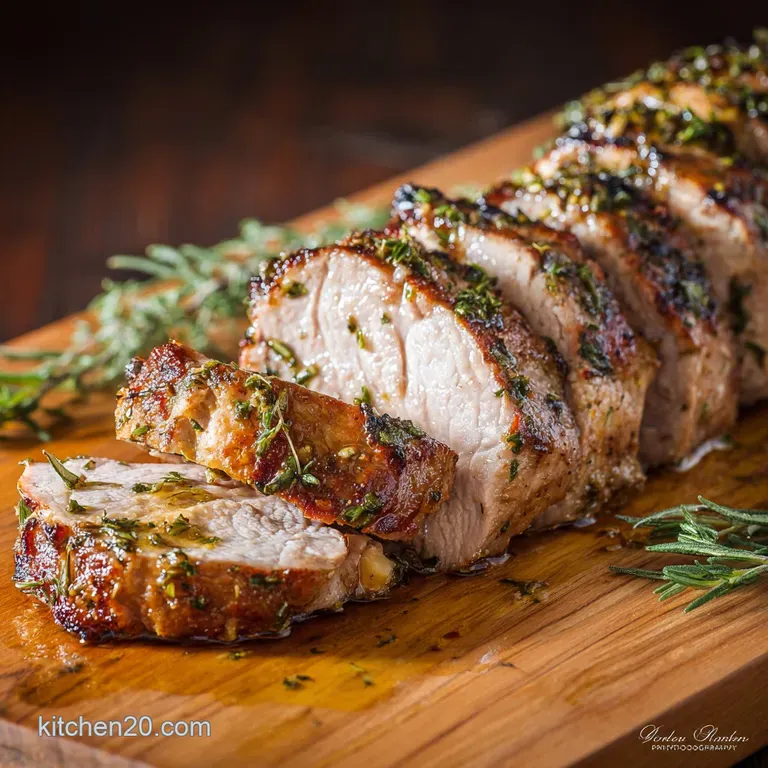
- Mastering the Weeknight Feast: Why Pork Tenderloin is the MVP
- Essential Supplies for Your Herb-Crusted Tenderloin Triumph
- Step-by-Step Guide to the Perfect Roasted Pork Tenderloin
- The Crucial Final Step: Why Resting the Meat Matters
- Troubleshooting and Elevating Your Meal
- Extending the Feast: Storage and Repurposing Leftovers
- Recipe FAQs
- 📝 Recipe Card
Mastering the Weeknight Feast: Why Pork Tenderloin is the MVP
For anyone seeking a dinner that delivers the "wow" factor of a special occasion without the corresponding time commitment, the Roasted Pork Tenderloin Recipe is your answer.
Unlike large roasts that demand hours in the oven, the slender, lean structure of the tenderloin allows it to cook rapidly while remaining incredibly succulent. This makes it an essential entry in every home cook’s repertoire of easy Pork Dinner options.
It’s the perfect protein for busy weeknights, offering a foundation for robust flavors especially when prepared with a high impact, aromatic rub featuring garlic, rosemary, and thyme.
Thirty Minutes Flat: Speed and Flavor Optimization
The beauty of this particular approach to Roasted Pork Tenderloin lies in its efficiency. From the moment you begin the active prep which only takes about ten minutes to trim the cut and mix the high impact rub to the time you pull the roast from the heat, you are looking at under thirty minutes of cooking time.
We utilize a dual stage cooking process, starting with a powerful sear before moving the Roasted Pork Tenderloin in oven . While we also factor in the mandatory resting period, this technique ensures you can have a magnificent centerpiece on the table just shy of the hour mark.
This speed, combined with the inherently delicate texture of the meat, yields a truly Juicy Pork Tenderloin every time.
The Maillard Magic: Achieving That Perfect Golden Crust
The secret to a visually stunning and intensely flavorful roast is achieving the Maillard reaction that complex chemical process responsible for deep browning and savory depth.
We facilitate this reaction by aggressively searing the meat in an ovenproof frying pan (cast iron is ideal) over medium high heat prior to roasting. This rapid, initial burst of heat, combined with the small amount of sugar present in the herb rub, creates an irresistible golden brown crust in just 1.5 to 2 minutes per side.
This step is non-negotiable for locking in moisture and achieving that crisp, textural contrast that elevates this preparation above typical, slow Pork Tenderloin Recipes .
Essential Supplies for Your Herb Crusted Tenderloin Triumph
Preparing a flawless roast requires starting with the right materials and understanding the differences between the cuts available at your butcher.
Selecting the Perfect Cut: Tenderloin vs. Loin Differences
It is crucial not to confuse the pork tenderloin with the pork loin. The tenderloin is a long, narrow, and exceptionally lean muscle, typically weighing around 1.25 pounds (570g). Its small diameter dictates the fast cooking time used in this Roasted Pork Tenderloin recipes oven method.
In contrast, the standard pork loin is a much wider, thicker cut, often sold as a roast, which requires significantly longer cooking times and is generally addressed in other Pork Loin Recipes .
For this recipe, ensure you select the smaller, more delicate tenderloin and remember to trim the tough silver skin membrane before beginning the seasoning process.
The Aromatic Rub: Garlic, Thyme, and Rosemary Breakdown
The herb crust is what transforms simple pork into a memorable meal. Our rub is a thick paste built upon extra virgin olive oil and a crucial binding agent: Dijon mustard. The Dijon adds a slight tang and helps the rub adhere perfectly to the meat's surface.
The robust flavors of finely minced garlic, fresh rosemary, and fresh thyme are balanced by a small spoonful of brown sugar. That sugar not only mellows the herbs but, as mentioned earlier, assists in achieving the deep, desirable browning during the high heat searing phase, ultimately perfecting the crust of the Roasted Pork Tenderloin .
Salt and pepper round out the blend, readying the meat for the pan.
Tools of the Trade: Ensuring You Hit the Critical Internal Temperature
While a heavy ovenproof frying pan is necessary for searing, the single most essential piece of equipment for this recipe is an instant read digital meat thermometer. Because the tenderloin is so lean, there is a very narrow window between perfect juiciness and disappointing dryness.
You must cook to temperature, not to time. The target Roasted Pork Tenderloin temperature is 145° F ( 63° C), but we pull the pork when it hits 140° F ( 60° C).
The thermometer guarantees precision, making the success of this Tenderloin Recipes approach nearly foolproof.
step-by-step Guide to the Perfect Roasted Pork Tenderloin

The process for creating a beautiful garlic herb Roasted Pork Tenderloin Recipe is straightforward and breaks down into three easy phases: preparation, searing, and roasting. Begin by preparing the tenderloin trimming the silver skin and applying the robust herb paste.
Once the loin has rested for a minimum of 15– 30 minutes at room temperature, it is ready for the intense heat. Sear the seasoned pork in a hot pan to develop a rich, savory crust, ensuring all sides are golden brown.
Immediately transfer the entire pan to the preheated 400° F ( 200° C) oven to finish cooking. After approximately 15 to 18 minutes, verify the internal temperature with your digital thermometer.
Related Recipes Worth Trying
- The Silkiest Homemade Tahini Roasted Sesame Butter Youll Love — Skip the storebought jar Learn how to make truly fresh Homemade Tahini in under 30 minutes Perfect for your next batch of hummus or a simple Tahini Sauce Recipe
- The Autumn Harvest Roasted Vegetable Quinoa Bowl Recipe — This Roasted Vegetable Quinoa Bowl is an absolute weeknight hero featuring crispy roots and a zingy MapleTahini Dressing A wholesome easy dinner recipe
- The Sunshine Quinoa Bowl Roasted Veg Mediterranean Recipe — Forget dull lunches This Roasted Winter Vegetable Mediterranean Quinoa Bowl is packed with feta and zesty lemon dressing A truly wholesome and vibrant meal...
The Crucial Final Step: Why Resting the Meat Matters
Once your Roasted Pork Tenderloin has reached 140° F ( 60° C), it must be removed from the heat immediately. This step, resting the meat, is arguably the most critical and often overlooked part of any roast recipe.
Resting allows the internal muscle fibers, which have constricted during cooking, to relax. As they relax, they successfully reabsorb the concentrated internal moisture and juices, which would otherwise spill out onto the cutting board upon slicing.
A full ten minutes of resting, tented loosely with foil, guarantees that every slice you carve will be maximally tender and incredibly juicy.
Pre-Bake Prep: Trimming the Silver Skin and Applying the High Impact Rub
Preparation begins by aggressively patting the 1.25-pound pork tenderloin dry with paper towels; excess moisture hinders the formation of a good crust. Next, using a sharp, thin knife, remove the tough, silvery membrane (silver skin) that runs along one side, as this tightens and contracts when heated, negatively affecting the texture.
Once clean, liberally coat the entire surface of the pork with the prepared rub the mixture of olive oil, Dijon, garlic, and fresh herbs. Let the seasoned pork rest at room temperature for 15 to 30 minutes.
This rest time allows the seasoning to penetrate the meat and prevents the cold temperature from shocking the hot pan, aiding in a more even cook.
High Heat Initiation: The Searing Phase for Maximum Flavor Lock
To execute the Roasted Pork Tenderloin in oven method properly, we must first sear. Place your cast iron or heavy ovenproof pan on medium high heat, adding 1 tablespoon of olive oil. When the oil is shimmering, carefully place the seasoned tenderloin in the pan.
Sear for 1.5 to 2 minutes on each of the four long sides. This short, high heat contact forms a deep, dark golden brown exterior, successfully "locking in" the complex flavors of the herb rub.
Once thoroughly seared, the pan immediately transfers to the 400° F ( 200° C) oven.
Finishing the Roast: Monitoring Temperature for Ideal Juiciness
The subsequent roasting phase for the Roasted Pork Tenderloin takes approximately 15 to 18 minutes. Timing depends heavily on the thickness of the specific loin, emphasizing why we must rely on the thermometer.
Insert the probe into the thickest part of the meat, ensuring you avoid touching the bottom of the pan. When the internal temperature reaches 140° F ( 60° C), remove the pan from the oven.
As noted, the meat will continue to cook as it rests, bringing it safely and perfectly up to the recommended 145° F ( 63° C), resulting in a perfect, Juicy Pork Tenderloin .
Troubleshooting and Elevating Your Meal
While this recipe is categorized as easy, a few expert tips can ensure spectacular results and provide exciting variations for future Pork Dinner occasions.
Troubleshooting Dryness: How to Avoid Overcooking Lean Meat
The most common mistake when preparing Tenderloin Recipes is overcooking. Because the meat is so lean, it dries out very quickly once it passes the 145° F ( 63° C) threshold. The solution, as emphasized, is the instant read thermometer.
Another excellent tip is to address uneven cooking: if one end of your tenderloin is significantly thinner than the rest, simply fold the thin tail section underneath the thicker part and secure it with a piece of butcher’s twine before searing.
This trussing creates a uniform thickness, guaranteeing even roasting across the whole cut.
Serving Suggestions: What Pairs Best with Garlic Herb Roasted Pork Tenderloin
The robust flavor profile of this garlic herb Roasted Pork Tenderloin pairs wonderfully with both comforting and bright sides. Classic companions include rich and creamy mashed potatoes or crispy roasted new potatoes, which benefit from absorbing the pan juices.
For color and freshness, serve alongside simple steamed asparagus or green beans tossed with brown butter and toasted almonds. For a traditional touch, serve the sliced meat with a sharp, homemade apple chutney, or quickly deglaze the roasting pan with a splash of white wine or stock to create a simple, savory jus.
Flavor Swap: Creative Variations for Next Time
Once you’ve mastered this fundamental Roasted Pork Tenderloin Recipe , try incorporating new flavors. For a sweet and tangy glaze, substitute the herb rub with a reduction of balsamic vinegar and a tablespoon of maple syrup, brushing it over the meat during the final five minutes of the roasting cycle.
Alternatively, create a Spanish inspired Pork Dinner by swapping the rosemary and thyme for smoked paprika, oregano, and a pinch of cayenne pepper. For a truly elevated dish, butterfly the tenderloin, stuff it with spinach, sun-dried tomatoes, and goat cheese, then roll and tie it before following the searing and roasting instructions.
Extending the Feast: Storage and Repurposing Leftovers
One of the great advantages of cooking Tenderloin Recipes is that the leftovers are versatile and delicious. Proper handling ensures the quality and safety of your extended feast.
Handling Cooked Pork Safely: Fridge and Freezer Guidelines
Once the Roasted Pork Tenderloin has completely cooled, any uneaten portions should be stored immediately in an airtight container. Sliced, cooked pork will remain fresh and safe to eat in the refrigerator for three to four days.
If you wish to store the meat for longer, slice it, wrap the medallions tightly, and place them in a freezer safe bag or container. Properly frozen Roasted Pork Tenderloin will retain its quality for up to three months.
Leftover slices are perfect for quick lunch options, such as adding to salads, sandwiches, or even incorporating into a quick stir fry.
Recipe FAQs
How do I make sure my Roasted Pork Tenderloin stays moist and isn't dry as a bone?
The single most important tip is to ditch the clock and rely solely on an instant read meat thermometer. The sweet spot for pork tenderloin is 145°F (63°C), which is perfectly safe and delivers maximum juiciness.
Pull the loin out of the oven when it hits 140°F (60°C); the carryover cooking during the rest will take it to the perfect temperature a proper victory!
I can't seem to get that lovely golden brown crust when searing what am I doing wrong?
A good crust the Maillard reaction, as the pros call it requires three things: high heat, dry meat, and patience. Ensure the pork is aggressively patted dry before applying the rub, and let the pan get absolutely piping hot before adding the oil.
Once the oil shimmers, add the loin and don't touch it for at least 90 seconds per side; messing about with it too early stops the crust from forming.
Why is the 10-minute resting time so crucial? Can I skip it if I’m in a rush?
Skipping the rest is a recipe for disaster, honestly. When the pork is hot, all the internal juices are aggressively rushing to the centre; cutting it immediately means those juices flood the board, leaving you with dry meat.
Resting allows the temperature to stabilise and the juices to redistribute back through the muscle fibres, ensuring every slice is beautifully tender and succulent.
I’ve cooked too much! How long do the leftover Roasted Pork Tenderloin medallions keep in the fridge?
If stored correctly in an airtight container, the leftovers are usually good for 3 to 4 days perfect for packed lunches or a quick sandwich filling. When reheating, try to do so gently, perhaps sliced thinly and warmed quickly in a pan with a splash of stock, or enjoy them cold, which often retains moisture better than aggressive microwaving.
Can I use the same cooking method for a standard pork loin instead of a tenderloin?
Not quite, as pork loin is much thicker a proper Sunday joint, if you will and needs a longer, lower roast to cook through without drying out. You can still sear it first for flavour, but you’ll need to adjust the oven time significantly, probably needing 45 60 minutes, and still targeting that internal temperature of 145°F (63°C).
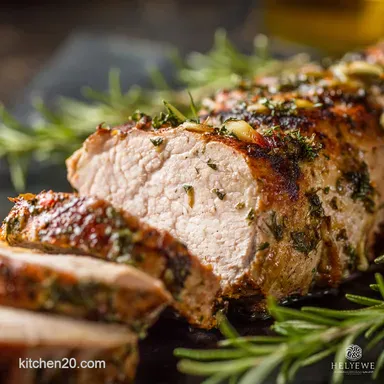
Garlic Herb Roasted Pork Tenderloin
Ingredients:
Instructions:
Nutrition Facts:
| Calories | 1261 kcal |
|---|---|
| Protein | 11.7 g |
| Fat | 33.8 g |
| Carbs | 73.2 g |
| Fiber | 21.8 g |
| Sodium | 10130 mg |
