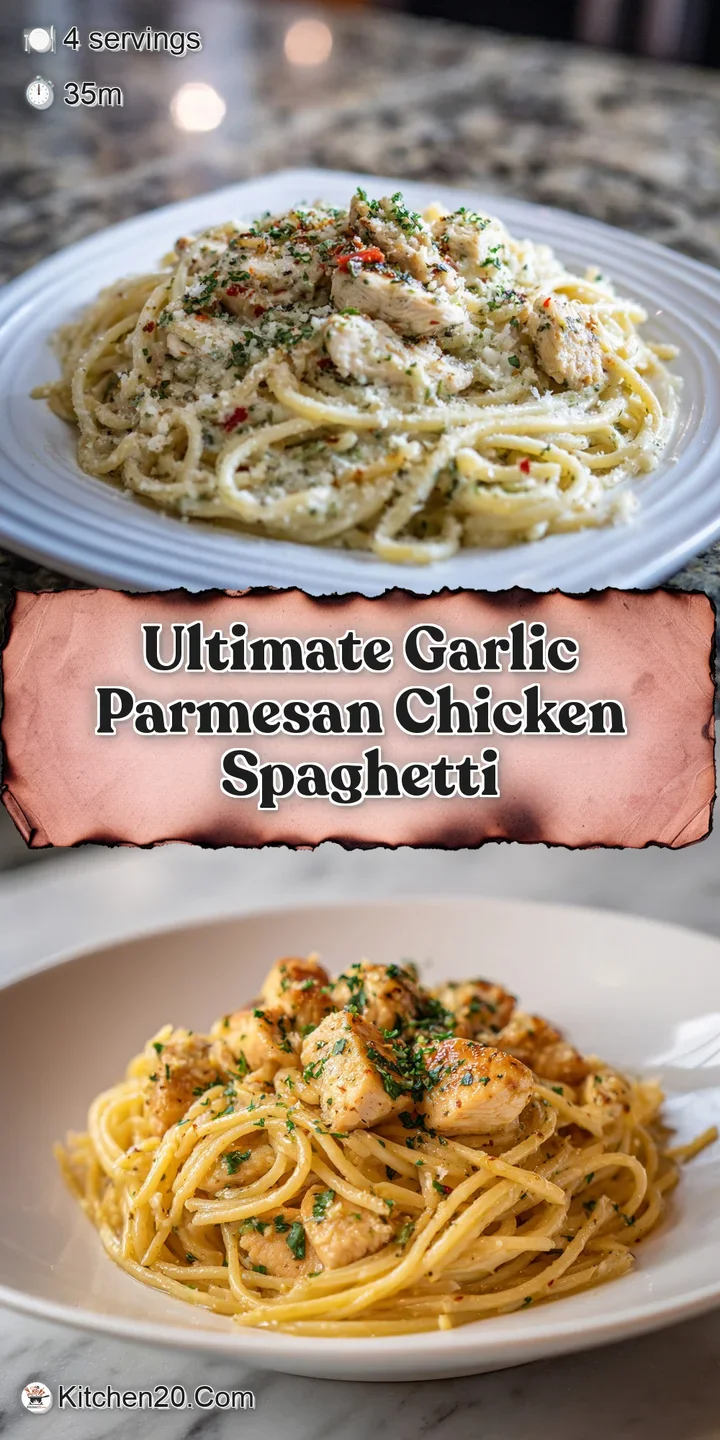
Ultimate Garlic Parmesan Chicken Spaghetti
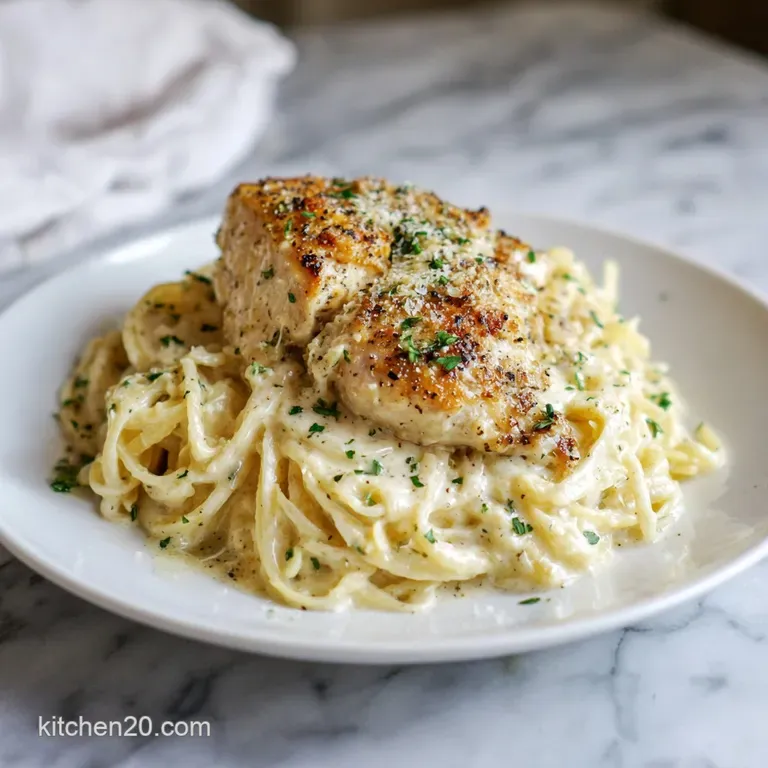
- Time: Active 15 minutes, Passive 20 minutes, Total 35 minutes
- Flavor/Texture Hook: Velvety cream sauce with golden, sizzled chicken
- Perfect for: Impressing date night guests or a high protein family dinner
- Experience the Ultimate Garlic Parmesan Chicken Spaghetti
- The Science of the Starch Bridge
- Ingredient Deep Dive Analysis
- What You'll Need
- Equipment Needed
- Bringing It Together
- Common Mistakes & Troubleshooting
- Mix It Up
- Preservation Secrets
- Presentation Tips
- Why Your Sauce Is Glossy
- Critical High in Sodium
- Recipe FAQs
- 📝 Recipe Card
Experience the Ultimate Garlic Parmesan Chicken Spaghetti
The first time I attempted this, the garlic hit the hot oil and turned bitter in seconds. I was devastated, but that failure taught me everything. Now, when those 8 cloves hit the pan, the aroma is sweet and buttery, signaling the start of something incredible.
It’s the kind of scent that brings everyone into the kitchen, asking "when do we eat?" before the pasta water even boils.
We’ve all had those pasta dishes that look great for five minutes then turn into a clumpy, oily mess on the plate. This version is a revolution in home cooking because it stays silky until the very last bite.
I’m sharing the exact method to keep that sauce glossy and that chicken golden brown without drying it out.
You're going to love how the smoked paprika provides a tiny hint of earthiness that cuts through the rich heavy whipping cream. It’s a connected cooking experience simple ingredients working together to create a result that feels far more complex than it actually is.
Let’s get into the details so you can nail this on your first try.
The Science of the Starch Bridge
Emulsification Stability: The reserved pasta water contains dissolved starches that act as a natural binding agent between the fats in the heavy cream and the liquids in the sauce. This creates a velvety texture that resists "breaking" or separating into an oily layer on your plate.
| Chicken Thickness | Internal Temp | Rest Time | Visual Cue |
|---|---|---|---|
| 1/2 inch strips | 165°F (74°C) | 3 mins | Opaque center, golden exterior |
| 1 inch cubes | 165°F (74°C) | 5 mins | Firm to touch, juices run clear |
| Thin cutlets | 165°F (74°C) | 2 mins | Edges are crisp and curled |
This table helps you decide how to prep your protein based on how much time you have. Thinner strips sizzle faster and provide more surface area for that delicious smoked paprika seasoning to shine.
Ingredient Deep Dive Analysis
| Component | Science Role | Pro Secret |
|---|---|---|
| Parmesan Cheese | Flavor & Thickening | Grate it yourself; pre shredded cheese has cellulose that prevents melting. |
| Garlic Cloves | Aromatic Base | Slice some and mince others to get different levels of garlic intensity. |
| Unsalted Butter | Fat Emulsion | Add this at the very end (cold) to create a glossy, "mounted" finish. |
| Pasta Water | Liquid Binder | It’s liquid gold; the salt and starch are what make the sauce stick to the noodle. |
Understanding these components helps you troubleshoot on the fly. If your sauce feels too thick, a splash of that starchy water is always the answer.
What You'll Need
- 1.5 lbs chicken breast: Sliced into bite sized strips. Why this? Strips cook quickly and evenly while maximizing the golden brown crust.
- 1 lb spaghetti: The classic vehicle for creamy sauces. Why this? Long strands provide the perfect surface area for the parmesan to cling.
- 1.5 cups heavy whipping cream: The fat content here is non negotiable for a velvety mouthfeel.
- 1 cup freshly grated parmesan cheese: Provides the salty, nutty backbone of the flavor profile.
- 8 cloves garlic: Mince them finely to ensure they melt into the sauce.
- 2 tbsp avocado oil: Has a high smoke point, perfect for searing chicken without burning.
- 2 tbsp unsalted butter: Used for "mounting" the sauce at the finish.
- 1 tsp smoked paprika: Adds a subtle depth and a beautiful golden hue to the meat.
- 0.5 tsp red pepper flakes: Just enough to provide a tiny back of-the throat warmth.
- 1 tsp salt & 0.5 tsp black pepper: For seasoning the chicken directly.
- 2 tbsp sea salt: For the pasta water it should taste like the ocean.
| Original Ingredient | Substitute | Why It Works |
|---|---|---|
| Avocado Oil | Grapeseed Oil | Both have high smoke points for a clean sear. |
| Heavy Whipping Cream | Half and Half | Less fat, so the sauce will be thinner; add 1 tsp cornstarch. |
| Spaghetti | Fettuccine | Wider noodles hold even more of the heavy sauce. |
Using high-quality pasta can make a huge difference here. If you are looking for a different texture entirely, you might enjoy how the sauce interacts with a crispier protein, similar to the technique in my How to Make recipe.
Equipment Needed
To get that perfect sizzle and emulsion, you need a large, heavy bottomed skillet stainless steel or cast iron is best for the chicken. A large pot for the spaghetti and a microplane for the parmesan are also essential. Don't forget a pair of tongs; they are the best tool for tossing long pasta into a sauce.
Chef Tip: Freeze your block of parmesan for 10 minutes before grating. It makes the cheese firmer and prevents it from clumping or melting from the heat of your hands while you grate.
Bringing It Together
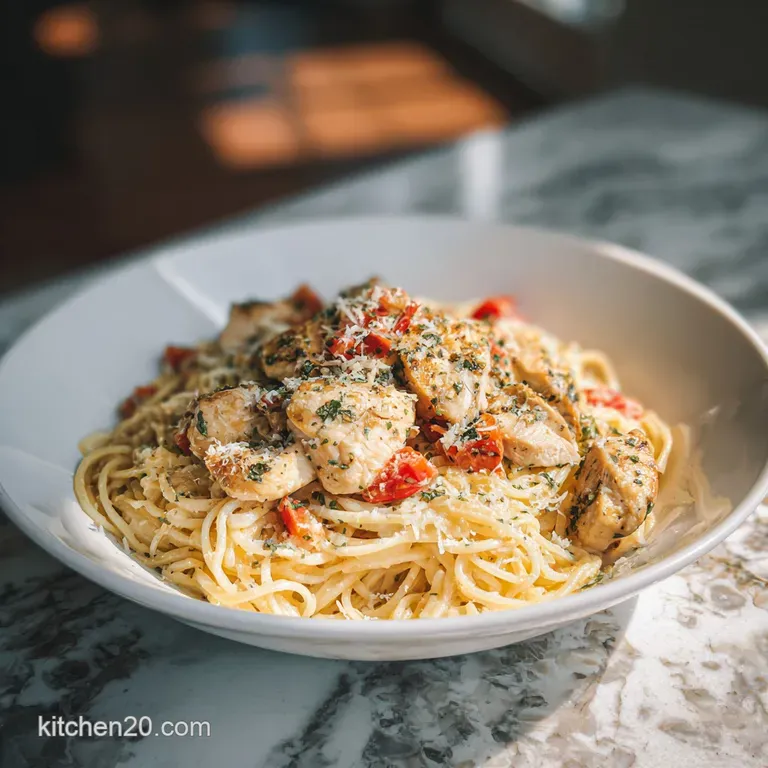
- Boil water. Fill a large pot and add 2 tbsp sea salt. Once rolling, add 1 lb spaghetti.
- Season chicken. Toss 1.5 lbs chicken strips with 1 tsp smoked paprika, 1 tsp salt, and 0.5 tsp black pepper.
- Sear protein. Heat 2 tbsp avocado oil in a large skillet. Add chicken and cook 5-7 minutes until golden and crackling.
- Remove chicken. Set the chicken aside on a plate to rest. Don't wipe out the pan those brown bits are flavor!
- Sauté garlic. Lower heat to medium. Add 8 minced cloves and 0.5 tsp red pepper flakes. Cook 1 minute until fragrant but not brown.
- Simmer cream. Pour in 1.5 cups heavy whipping cream. Use a wooden spoon to scrape the bottom of the pan.
- Emulsify sauce. Whisk in 1 cup grated parmesan slowly. Add 0.5 cup reserved pasta water and whisk until the sauce is velvety and thick.
- Mount sauce. Stir in 2 tbsp unsalted butter. This adds a professional gloss to the finish.
- Combine. Add the cooked spaghetti and chicken back into the skillet.
- Final toss. Use tongs to coat everything. If it's too thick, add another splash of pasta water.
Common Mistakes & Troubleshooting
Why Your Sauce Separates
If the heat is too high when you add the cheese, the proteins can clump together, leaving you with oily liquid and rubbery cheese. This is why we lower the heat and add the parmesan gradually. It needs time to introduce itself to the cream.
Why the Chicken is Dry
Chicken breast can go from juicy to cardboard in about sixty seconds. Slicing them into uniform strips is key. If you find your chicken is often dry, try using the "velveting" technique or simply pull it off the heat when it hits 160°F (71°C), as carryover cooking will finish it while it rests.
| Problem | Root Cause | Solution |
|---|---|---|
| Grainy Sauce | Pre shredded cheese | Use a block of parmesan and grate it finely. |
| Bland Pasta | Not enough salt in water | Ensure you use the full 2 tbsp of sea salt for boiling. |
| Dry Chicken | Overcooking | Sauté in batches to maintain high pan temperature. |
- ✓ Pat chicken completely dry with paper towels before seasoning (ensures a sear, not a steam).
- ✓ Always reserve the pasta water before draining the pot.
- ✓ Grate your parmesan as finely as possible for a faster melt.
- ✓ Don't add the chicken back until the sauce is fully emulsified.
- ✓ Taste the sauce before adding the pasta to check for salt balance.
Mix It Up
For a "TikTok Garlic Parmesan Chicken Pasta" vibe, you can add a handful of fresh spinach at the very end; the residual heat will wilt it perfectly. If you want a "Crockpot Garlic Parmesan Chicken Pasta" version, cook the chicken and cream on low for 4 hours, then stir in the cheese and cooked pasta at the end.
If you’re a fan of one pan wonders, you can check out my How to Cook recipe for a slightly different take on the cheesy chicken pasta world. For those who love a bit of zest, a squeeze of fresh lemon juice right before serving cuts through the richness of the 1 cup of parmesan beautifully.
Preservation Secrets
Storage: Keep leftovers in an airtight container in the fridge for up to 3 days. Because of the high fat content in the cream and parmesan, the sauce will solidify.
Reheating: Avoid the microwave if possible; it will make the chicken rubbery and the sauce oily. Instead, place the pasta in a skillet with a splash of milk or water over low heat. Stir constantly until the cream melts back into a silky sauce.
Zero Waste: Don't throw away those parmesan rinds! Toss them into a freezer bag. Next time you make a soup or a Homemade Spaghetti Sauce recipe, drop a rind in while it simmers to add an incredible depth of umami.
Presentation Tips
- Twirl the pasta: Use a large carving fork and a ladle to create tall "nests" of spaghetti on the plate.
- The Final Flourish: Save a tablespoon of grated parmesan and a pinch of smoked paprika to sprinkle over the top just before serving.
- Warm the plates: Put your serving bowls in a low oven (150°F / 65°C) for a few minutes. This prevents the cream sauce from seizing up the moment it hits the dish.
Fresh Herbs: A few torn leaves of fresh basil or flat leaf parsley add a pop of color that makes the golden chicken really stand out.
If you want a thicker coating, add the cheese in three separate batches.
- If you want extra garlic punch, stir in a teaspoon of garlic powder with the smoked paprika.
- If you want a lighter version, swap half the cream for chicken broth and add a squeeze of lemon.
Why Your Sauce Is Glossy
The secret isn't just the cream; it's the butter "mounting" at the very end. By stirring in cold butter after the sauce is formed, you’re creating a secondary emulsion that gives the dish a professional sheen. It’s a trick used in French kitchens that works perfectly for this Parmesan Chicken Spaghetti.
Trust me, it makes all the difference in the world when you're aiming for that "Ultimate" status. Enjoy your meal!
Critical High in Sodium
1645 mg mg of sodium per serving (72% of daily value)
The American Heart Association recommends limiting sodium intake to approximately 2,300mg per day for better heart health.
Tips to Reduce Sodium in Your Creamy Chicken Pasta
-
Reduce Parmesan Cheese-20%
Parmesan cheese is a significant source of sodium. Reduce the amount of parmesan by half, or substitute with a low-sodium cheese option like fresh mozzarella. This can greatly lower the overall sodium content.
-
Reduce Added Salt-15%
The recipe includes salt in several places. Reduce the amount of salt added to the chicken and omit the 2 tablespoons of sea salt when cooking pasta, as the parmesan cheese already adds plenty of saltiness to the sauce. Cutting back on added salt is a simple way to reduce sodium.
-
Use Unsalted Butter-5%
The recipe calls for unsalted butter, which is a good start. Make sure you are actually using unsalted butter as salted butter adds more sodium.
-
Skip Pasta Water-5%
Since you are adding 2 tablespoons of sea salt to cook the pasta, consider skipping the pasta water. If you must use pasta water, consider cooking the pasta without added salt.
-
Flavor with Herbs & Spices
Enhance the flavor of your dish with sodium free herbs and spices like oregano, basil, thyme, or garlic powder. This will boost the taste without adding sodium.
Recipe FAQs
Can I substitute heavy cream with milk or half and-half?
No, you must use heavy cream for the best results. Milk or half and-half lacks the necessary fat content to create the stable, velvety emulsion required for this sauce.
How to prevent the garlic from burning when sautéing?
Lower the heat immediately after adding the garlic. You should be cooking it gently over medium low heat for about one minute until fragrant, not browning, which releases bitter compounds.
How to ensure the sauce clings perfectly to the spaghetti noodles?
Reserve at least one cup of starchy pasta water before draining. This starchy liquid acts as a binder, marrying the fat from the cream and cheese into a cohesive, non-breaking sauce that coats every strand.
Is it true that using pre-grated Parmesan cheese will ruin the sauce texture?
Yes, this is highly advised against for a smooth sauce. Pre-shredded cheese contains cellulose additives meant to prevent clumping in the bag, which also prevents it from melting smoothly into a creamy consistency.
How to reheat leftovers without the sauce becoming oily or clumpy?
Reheat gently on the stovetop over low heat. Add a splash of milk or fresh water to help reintroduce moisture and stir continuously until the sauce re-emulsifies; avoid the microwave if possible.
Can I use a different type of pasta shape with this sauce?
Yes, wider noodles work exceptionally well, such as fettuccine. They provide more surface area to catch the rich cream, much like the concept used when trying to balance sharp acids in our Avocado Pasta Sauce recipe.
What is the purpose of adding the butter at the very end of the sauce making process?
Adding cold butter at the end "mounts" the sauce, creating a professional gloss. This final emulsification step binds any stray liquids and fats together, ensuring a professional, velvety finish that won't separate.
Garlic Parmesan Chicken Spaghetti
Ingredients:
Instructions:
Nutrition Facts:
| Calories | 1231 kcal |
|---|---|
| Protein | 79 g |
| Fat | 59 g |
| Carbs | 89 g |
| Fiber | 3.8 g |
| Sugar | 2.5 g |
| Sodium | 1645 mg |
