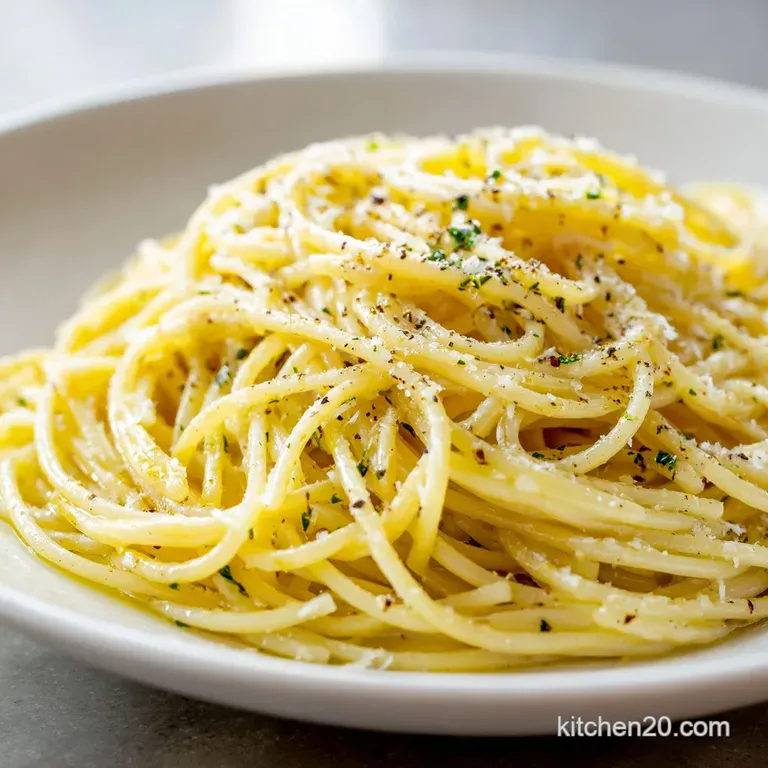
Garlic Parmesan Pasta: Velvety Cream Sauce
- Time: Active 5 minutes, Passive 15 minutes, Total 20 minutes
- Flavor/Texture Hook: Silky, garlic infused cream with a sharp, nutty finish
- Perfect for: High speed weeknight luxury or an impressive date night base
- The Ultimate Creamy Garlic Parmesan Pasta
- Recipe Metrics and Efficiency
- Key Components for Silky Sauce
- Mandatory Kitchen Gear
- Step-by-Step Cooking Walkthrough
- Troubleshooting Texture Issues
- Flavor Twists and Substitutions
- Smart Storage Strategies
- Sophisticated Plating Techniques
- Kitchen Myths Debunked
- Recipe FAQs
- 📝 Recipe Card
The Ultimate Creamy Garlic Parmesan Pasta
The kitchen completely transforms the second that cold butter hits a hot stainless steel pan. You know that specific sound not a violent pop, but a gentle, steady hiss that signals the start of something great. When I drop those six minced garlic cloves into the melting fat, the aroma is honestly intoxicating.
It’s that sharp, pungent scent mellowing out into something sweet and golden, filling every corner of the house and making everyone suddenly wander into the kitchen to ask when dinner is ready.
We’ve all had those nights where we just need a win, and for me, this Garlic Parmesan Pasta is the ultimate reset button. I remember the first time I tried to make a "quick" version of this years ago; I just dumped cold cheese into hot noodles and ended up with a rubbery, tangled mess that looked more like a bouncy ball than a meal.
I felt so defeated, but that mistake taught me the most important lesson in pasta: it's all about the marriage of temperature and timing.
Today, we’re revolutionizing the way you think about a simple cream sauce. By using the platform of basic pantry staples, we’re connecting high end culinary physics with the reality of a busy Tuesday night.
This isn't just a bowl of noodles it’s a connected experience of texture and fragrance that works every single time because we’ve mastered the science of the sizzle.
Recipe Metrics and Efficiency
Starch Suspension: The reserved pasta water contains dissolved amylose, which acts as a bridge between the fats in the butter and the water based cream, preventing the sauce from splitting.
Enzymatic Mellowing: Sautéing garlic over medium low heat deactivates the allicin producing enzymes, which removes the "burn" and highlights the natural sugars.
Casein Stability: By adding the 1.5 cups of Parmesan cheese at the very end, off the heat, we prevent the proteins from tightening into clumps, ensuring a silky result.
Thermal Residuals: We rely on the heat of the noodles themselves to melt the cheese, which keeps the emulsion stable and prevents the heavy cream from scorching.
| Method | Cook Time | Texture Profile | Best Used For |
|---|---|---|---|
| The Fast Method | 15 minutes | Ultra creamy, heavy body | Quick weeknight comfort |
| The Classic Emulsion | 25 minutes | Lighter, silkier, cheese forward | Authentic Italian nights |
| The One Pot Hack | 18 minutes | Starchy, thick, very dense | Minimum cleanup days |
The choice of method depends entirely on your available bandwidth. While the fast method relies on heavy cream for stability, the classic version requires a bit more finesse with the pasta water to get that same clingy feel. Regardless of the path, the result is a connected harmony of garlic and salt.
Key Components for Silky Sauce
| Ingredient | Science Role | Pro Secret |
|---|---|---|
| 1.5 cups Parmesan | Emulsifying Agent | Grate it yourself on a microplane for instant melting. |
| 1 cup Pasta Water | Binding Liquid | Pull the water 2 minutes before the pasta is done for max starch. |
| 4 tbsp Butter | Fat Foundation | Use unsalted to control the seasoning precisely. |
| 6 cloves Garlic | Aromatic Base | Mince by hand rather than a press to avoid bitter oils. |
Selecting the right elements is the first step in this culinary revolution. You want your cheese to be the star, so avoid the pre shredded stuff in the green can it’s coated in potato starch which will make your sauce feel gritty rather than velvety.
If you’re looking to expand your repertoire beyond this base, you might find that similar techniques apply to our Cheese Sauce Recipe, which builds on this foundation of fat and cheese stability.
- 1 lb Pasta: Linguine or Fettuccine provide the best surface area for the sauce to cling to. (Sub: gluten-free brown rice pasta) Why this? Flat noodles carry more weight.
- 6 cloves Garlic: Freshly minced for a sharp, clean bite. (Sub: 1 tsp Garlic powder, but only in emergencies) Why this? Fresh garlic provides essential oils.
- 4 tbsp Butter: Use unsalted to balance the salty Parmesan. (Sub: Extra virgin olive oil) Why this? Butter adds a nutty richness.
- 1 cup Heavy Cream: This provides the "velvety" body we’re looking for. (Sub: Full fat coconut milk) Why this? High fat prevents sauce breaking.
- 1.5 cups Parmesan: Grated fresh for the best melt. (Sub: Pecorino Romano for a saltier kick) Why this? It acts as the primary flavor agent.
- 1/2 tsp Black Pepper: To cut through the fat. (Sub: White pepper for a cleaner look)
- 1/4 tsp Red Pepper Flakes: Just enough for a background hum. (Sub: Pinch of cayenne)
- 1/4 cup Parsley: Finely chopped for freshness. (Sub: Fresh basil)
Mandatory Kitchen Gear
You don't need a professional kitchen to pull this off, but a few specific tools make the process much smoother. A large, heavy bottomed skillet is your best friend here. It holds heat better than thin aluminum, which means when you add your cream and cheese, the temperature stays consistent.
A microplane or fine grater is non negotiable for the cheese. When the Parmesan is as light as snow, it melts into the cream the moment it touches the pan. If you use a coarse grater, you'll likely end up with little chewy bits of cheese rather than a uniform sauce.
Finally, a pair of silicone tipped tongs is essential for tossing the noodles without breaking them, ensuring every inch is coated.
step-by-step Cooking Walkthrough
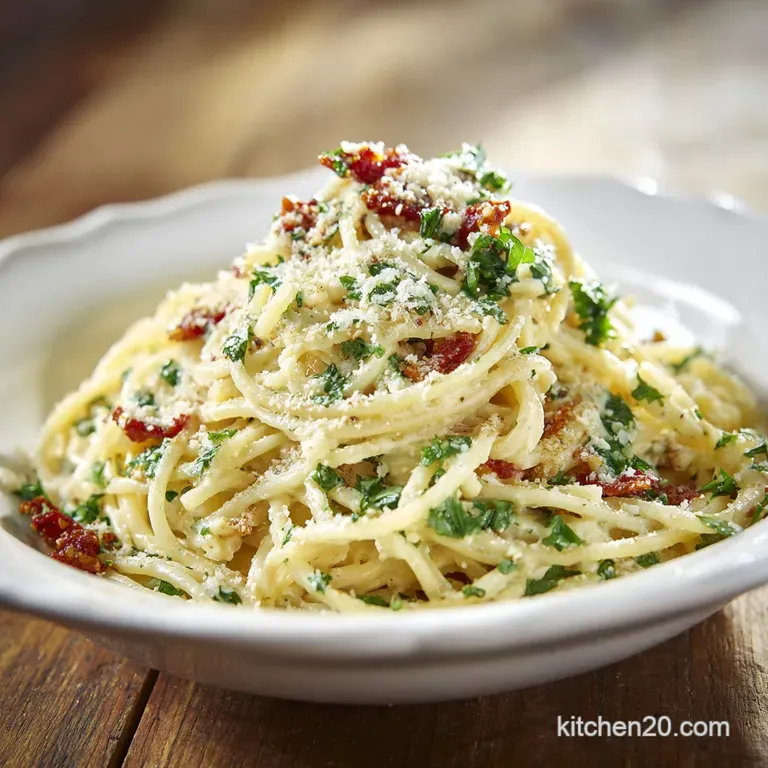
- Boil the water. Fill a large pot with water and add 1 tbsp kosher salt. Note: The water should taste like the sea.
- Cook the pasta. Drop 1 lb of pasta into the boiling water and cook for 1 minute less than the package directions. until al dente with a slight bite.
- Save the gold. Before draining, scoop out 1 cup of the cloudy pasta water. Note: This is your insurance policy for a smooth sauce.
- Sauté the garlic. In your large skillet, melt 4 tbsp butter over medium heat. Add 6 cloves of minced garlic. until fragrant and just barely golden.
- Warm the cream. Pour in 1 cup of heavy cream and add the red pepper flakes. Let it simmer for 2 minutes. until slightly thickened and small bubbles form.
- Temper the sauce. Lower the heat to the lowest setting. This is crucial to prevent the cheese from seizing.
- Incorporate the pasta. Add the cooked noodles directly into the skillet with the cream.
- Add the cheese. Sprinkle 1.5 cups of grated Parmesan over the noodles.
- Toss and emulsify. Pour in half of your reserved pasta water and toss vigorously with tongs. until the sauce turns glossy and coats the noodles.
- Final season. Fold in 1/4 cup parsley and 1/2 tsp black pepper. Serve immediately while it's still velvety.
Troubleshooting Texture Issues
The Sauce is Clumpy
This usually happens when the heat is too high when the cheese is added. The proteins in the Parmesan tighten up and separate from the fat, creating rubbery strings.
The Sauce is Too Thin
If your sauce looks more like soup than a coating, it just needs a bit more time or more cheese. Don't panic the starch in the pasta water needs a moment to hydrate and thicken the cream.
| Problem | Root Cause | Solution |
|---|---|---|
| Gritty Texture | Pre shredded cheese used | Use only hand grated Parmesan next time. |
| Sauce Separating | Heat was too high | Add a splash of cold cream and whisk off heat. |
| Bitter Aftertaste | Garlic was burnt | Sauté garlic on lower heat for a shorter time. |
Chef's Tip: If you find your sauce is still too thick after adding the cheese, don't add more cream. Use that reserved pasta water! It thins the sauce while keeping it "sticky" so it actually stays on the pasta.
Common Mistakes Checklist
- ✓ Never rinse your pasta; you need that surface starch for the sauce to stick.
- ✓ Grate the cheese immediately before using to keep the moisture content high.
- ✓ Turn the burner off before adding the final cup of cheese.
- ✓ Season with salt only after the cheese is added, as Parmesan is very salty.
- ✓ Work quickly once the pasta is drained to keep the residual heat high.
Flavor Twists and Substitutions
Adjusting this recipe for a crowd is a breeze. If you’re cutting it in half for a solo dinner, use a smaller pan to prevent the cream from evaporating too fast. If you're doubling it for a family gathering, work in batches with the garlic so it doesn't steam instead of sautéing.
If you’re looking for a greener version, this technique works beautifully with the Broccoli Pasta Recipe, where the florets add a nice textural contrast to the smooth sauce.
- 1. Pasta Water
- Exactly 1 cup reserved (you'll use about 1/2 to 3/4 cup).
- 2. Garlic Cook
- 60 seconds maximum over medium heat.
- 3. Cheese Quantity
- 1.5 cups (about 4 ounces by weight if using a block).
| Original Ingredient | Substitute | Why It Works |
|---|---|---|
| Heavy Cream (1 cup) | Whole Milk + 1 tbsp Flour | Creates a roux based sauce; less rich but still thick. |
| Parmesan (1.5 cups) | Nutritional Yeast (1/2 cup) | Provides a similar nutty/salty profile for a dairy-free vibe. Note: Texture will be less creamy. |
| Fresh Garlic (6 cloves) | Roasted Garlic (2 tbsp) | Offers a much deeper, caramelized flavor profile. |
If you want a deeper, more slow cooked feel for your pasta nights, you might want to try the Roasted Tomato Pasta recipe as a weekend project.
Smart Storage Strategies
Leftover Garlic Parmesan Pasta is a bit of a challenge because the cream and cheese continue to absorb into the noodles as they sit. In the fridge, it will last about 3 days in an airtight container. I don't recommend freezing this dish, as the cream will likely break and become grainy when thawed.
For zero waste cooking, save those Parmesan rinds! Toss them into a freezer bag. The next time you make a soup or a slow cooked sauce, drop a rind in. It adds a massive hit of umami that you just can't get from salt alone.
To reheat, avoid the microwave if possible. Put the leftovers in a skillet with a splash of milk or water over medium low heat. Toss constantly until the sauce loosens up and becomes velvety again.
Sophisticated Plating Techniques
We can transform this simple meal into a revolution of presentation with just a few small tweaks. Whether you're eating on the couch or hosting a dinner party, how the dish looks changes how it tastes.
Plating Tiers
| Level | Style | Key Feature |
|---|---|---|
| Simple | Casual Bowl | Big portions, extra pepper on top. |
| Polished | Twirled Mound | Using a carving fork to create a tall "nest." |
| Restaurant | Minimalist Flat | Wide rimmed plate, micro planed cheese, herb oil. |
The Simple Plating: Just focus on the comfort. Serve in a deep, warmed bowl so the heat stays in the sauce. A heavy hand with the black pepper gives it a rustic, "cacio e pepe" inspired look.
The Polished Plating: Grab a large carving fork and a ladle. Twirl a big portion of pasta in the ladle to create a tight cylinder, then slide it onto the center of a flat plate. This creates height, which always looks more intentional.
The Restaurant Plating: Use a very large plate with a wide rim. Place a smaller "nest" of pasta in the very center. Take a fresh block of Parmesan and a microplane, and shave the cheese from high above the plate so it falls like snow across the pasta and the rim.
Drizzle a tiny bit of high-quality olive oil around the base for a pop of color.
Decision Shortcut If you want a thicker sauce, let it sit in the pan for 2 minutes after tossing. If you want a sharper bite, swap half the Parmesan for Pecorino. If you want maximum aroma, zest half a lemon over the final plate.
Kitchen Myths Debunked
One of the biggest misconceptions is that you need to add oil to your pasta water to keep the noodles from sticking. This is a total myth. All the oil does is float on top of the water and then coat your pasta as you drain it, which prevents the Garlic Parmesan Pasta sauce from actually sticking to the noodles.
Just use plenty of water and a good stir!
Another common belief is that "more garlic is always better." While I love garlic, there is a limit. If you use too much, the sulfur compounds will overwhelm the delicate sweetness of the cream and the nuttiness of the cheese. Stick to the six cloves it's the sweet spot for balance.
Finally, people think you have to use the highest heat to get a "good sear" on the garlic. In reality, garlic has a very high sugar content and burns at a much lower temperature than onion. Low and slow is the secret to getting that sweet, infused flavor without the bitter burnt bits.
Recipe FAQs
Can I substitute heavy cream with half and-half for a lighter sauce?
No, you should use heavy cream or whole milk with a thickener. Half and-half has too low of a fat content; it will cause your sauce to separate or become watery when the hot pasta is added.
Is it true that adding oil to the pasta water helps prevent sticking?
No, this is a common misconception. Oil coats the cooked pasta strands, which then prevents the starchy sauce from properly adhering to the noodles for that essential cling.
How to prevent the Parmesan cheese from clumping when making the sauce?
Remove the pan from the heat entirely before stirring in the cheese. The residual heat from the pasta and the pan is enough to melt the cheese smoothly into a stable emulsion, as we teach in mastering sauce consistency in our [Beef Pasta Recipe in Tomato Sauce for 4 Servings].
Why does my sauce taste bitter after sautéing the garlic?
The garlic was likely scorched due to excessive heat. Garlic burns quickly; use medium low heat and pull it off the heat the second it turns golden to ensure a sweet aromatic base, not a sharp bitter one.
How long can I safely store leftover Garlic Parmesan Pasta?
Three days refrigerated in an airtight container is the maximum safe period. The sauce tends to absorb into the noodles upon cooling, so you will need to add milk or water when reheating to reestablish the silky texture.
What is the best way to ensure the sauce coats every noodle perfectly?
Reserve starchy pasta water and toss vigorously off the heat. The starch acts as a binding agent between the fat and liquid, creating a glossy coating that clings better than plain cream.
Can I use pre-grated Parmesan cheese instead of grating it fresh?
No, pre-grated cheese will result in a gritty sauce texture. It contains anti caking agents like potato starch which prevent the cheese from melting properly into a velvety consistency, unlike the results you get when using freshly grated cheese for our [Simple Beautiful Sicilian Tomato Sauce My
NonAcidic Weeknight Hero].
Garlic Parmesan Pasta Recipe
Ingredients:
Instructions:
Nutrition Facts:
| Calories | 878 kcal |
|---|---|
| Protein | 29 g |
| Fat | 45 g |
| Carbs | 88 g |
| Fiber | 4 g |
| Sugar | 3 g |
| Sodium | 612 mg |
