New Years Eve Food Idea with Garlic Shrimp
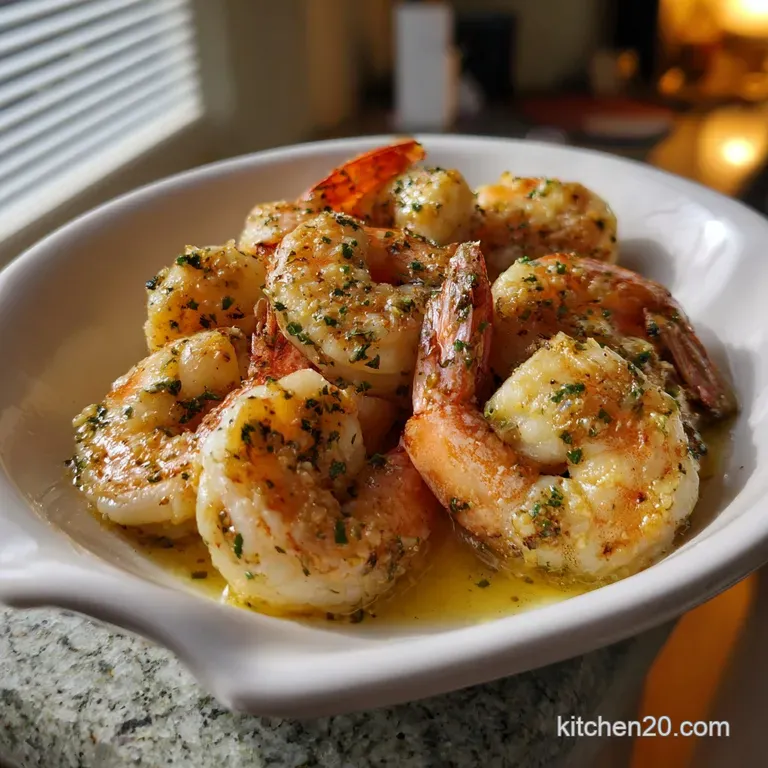
- Time: Active 15 minutes, Passive 8 minutes, Total 23 minutes
- Flavor/Texture Hook: Shatteringly crisp exterior with a velvety, garlic-infused butter finish
- Perfect for: High-energy New Year's Eve gatherings and modern appetizer platforms
- Elegant New Years Eve Food Idea with Garlic Shrimp
- The Logic of Why It Works
- Quantifying Performance and Taste
- The Chemistry of Quality Ingredients
- The Alchemy of the Elements
- Essential Tools for Precision
- Executing the Cooking Protocol
- Correcting Execution Errors
- Customizing the Flavor Platform
- Preservation and Resource Efficiency
- Revolutionizing Culinary Presentation
- Common Questions
- 📝 Recipe Card
Elegant New Years Eve Food Idea with Garlic Shrimp
The countdown to midnight isn't just about the clock, it is about the energy of the people in the room. When you are hosting, you need a dish that functions as a social platform, drawing everyone into the kitchen with the intoxicating scent of sizzling aromatics.
Here's a delicious New Year's Eve food idea starring garlic shrimp. It is fast, efficient, and carries a high definition flavor profile that traditional appetizers simply cannot match. This New Years Eve Food Idea with Garlic Shrimp sets a new standard for party hosting.
I remember one year I spent hours on a complicated roast that kept me stuck in the kitchen while my friends were laughing in the living room. It was a total system failure. Since then, I have revolutionizing my approach to hosting by focusing on high impact, low-latency recipes like this one.
This dish allows me to stay connected to the party while producing a restaurant level result in under ten minutes of actual cooking time. Why this specific New Years Eve Food Idea with Garlic Shrimp is superior is due to its speed.
The secret to this version isn't just the garlic, though there is plenty of it. It is about the physical transformation of the shrimp themselves. We are using a bit of kitchen chemistry to change the protein structure, ensuring that even if you get distracted by a champagne toast, your shrimp won't turn into rubbery little hockey pucks.
It is about precision, connectivity, and starting the new year with a culinary win. Mastering this New Years Eve Food Idea with Garlic Shrimp guarantees appetizers that wow.
The Logic of Why It Works
- Alkaline Surface Modification: Using a small amount of baking soda raises the pH level on the shrimp's surface, accelerating the Maillard reaction for better browning while keeping the interior snappy.
- Layered Garlic Infusion: Smashing some cloves for a slow oil infusion and mincing others for the final sauce creates a multi dimensional flavor profile that covers both deep earthy notes and sharp, fresh hits.
- Cold Emulsification Technique: Incorporating chilled butter into a warm wine reduction creates a stable, silky sauce through fat-in-water emulsification, preventing the greasy separation common in lower quality versions.
- Thermal Carryover Management: Pulling the shrimp when they are just shy of fully opaque allows the internal heat to finish the job, maintaining the delicate protein matrix without denaturation.
Quantifying Performance and Taste
| Method | Texture Profile | Time Investment | Flavor Depth |
|---|---|---|---|
| Our Precision Method | Snap crisp skin, juicy center | 23 minutes | Multi layered garlic/wine |
| Fast Casual Style | Soft, occasionally soggy | 15 minutes | Single note garlic salt |
| Traditional Slow Sauté | Often dry or rubbery | 30 minutes | Mellow but muted |
The Chemistry of Quality Ingredients
| Ingredient | Chemical/Physical Role (Science) | The Pro Secret (Why This Matters) |
|---|---|---|
| Jumbo Shrimp | Protein denaturation and myosin contraction | Larger count (16 20) provides more surface area for the sauce to cling to. |
| Baking Soda | Alkaline pH shift | This prevents the shrimp from leaking moisture, keeping them plump instead of shriveled. |
| Unsalted Butter | Lipid based emulsification | Cold butter is essential; it melts slowly to form a creamy suspension rather than just oil. |
| Dry White Wine | Acid based deglazing | The tartaric acid cuts through the fat, brightening the entire flavor platform. |
The Alchemy of the Elements
- 1 lb jumbo shrimp (16 20 count): Peeled and deveined. Why this? Larger shrimp have a lower surface-to-volume ratio, preventing overcooking.
- 1/4 tsp baking soda: Standard pantry staple. Why this? Essential for the alkaline "brining" that creates a firm, snappy texture.
- 1/2 tsp Diamond Crystal Kosher Salt: For clean seasoning.
- 1 tbsp neutral oil: Like grape seed or avocado oil.
- 4 cloves garlic: Smashed for infusion.
- 4 cloves garlic: Finely minced for the sauce base.
- 2 tbsp extra virgin olive oil: Use a high-quality finishing oil. Why this? Adds polyphenols and peppery notes that cheaper oils lack.
- 1/2 tsp red pepper flakes: For a subtle heat spike.
- 3 tbsp Kerrygold unsalted butter: Must be chilled and cubed. Why this? Higher butterfat content creates a more stable emulsion.
- 2 tbsp dry white wine or Champagne: Use what you are drinking.
- 1 tbsp fresh lemon juice: For immediate brightness.
- 2 tbsp fresh parsley: Finely chopped for a herbaceous finish.
Essential Tools for Precision
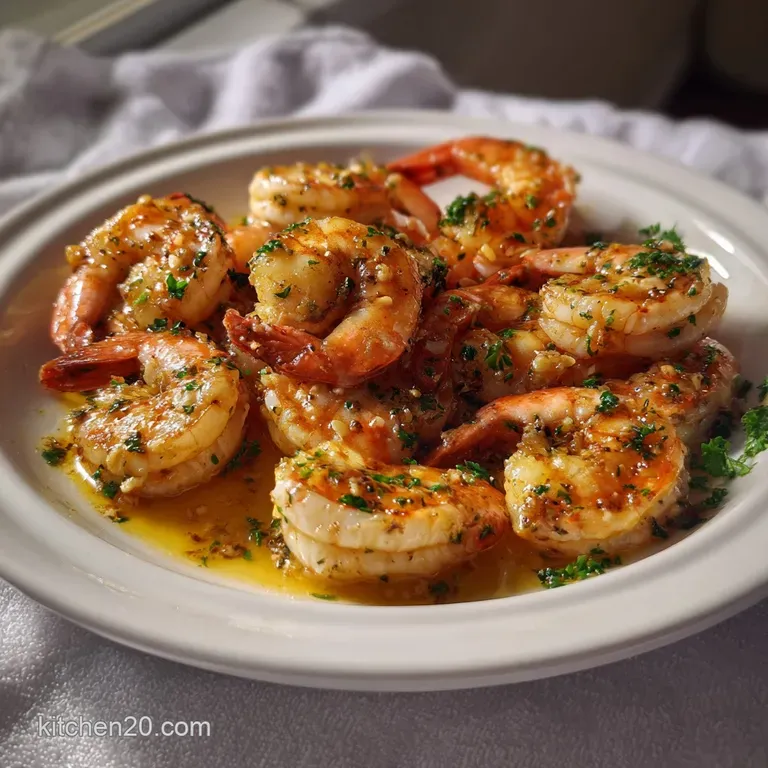
To achieve a perfect sear, I highly recommend a Lodge 12 inch Cast Iron Skillet. The thermal mass of cast iron prevents the temperature from dropping when you add the cold shrimp.
You will also need a Microplane for the minced garlic to ensure the pieces are small enough to melt into the sauce. Finally, a pair of stainless steel locking tongs gives you the control needed to flip each shrimp individually, ensuring even heat distribution.
Executing the Cooking Protocol
- Pat dry the 1 lb jumbo shrimp using paper towels until no surface moisture remains. Note: Excess water creates steam, which prevents the Maillard reaction.
- Toss the shrimp with 1/4 tsp baking soda and 1/2 tsp kosher salt in a glass bowl.
- Rest the shrimp for 15 minutes at room temperature to allow the pH shift to occur.
- Heat the Lodge skillet over medium high heat until a drop of water dances and evaporates instantly.
- Add 1 tbsp neutral oil and the 4 smashed garlic cloves, stirring for 2 minutes until the garlic is golden brown and the oil is fragrant.
- Discard the smashed garlic, then add the shrimp in a single, uncrowded layer.
- Sear for 2 minutes without moving them until the bottom edges turn a vibrant pink and a crust forms.
- Flip the shrimp and cook for 1 minute until the second side is lightly browned.
- Transfer the shrimp to a warm plate; they should be slightly translucent in the very center.
- Lower the heat to medium and add 2 tbsp extra virgin olive oil and the 4 minced garlic cloves.
- Sauté for 30 seconds until the garlic is aromatic but still pale; do not let it brown.
- Pour in 2 tbsp white wine and 1/2 tsp red pepper flakes, scraping the bottom of the pan.
- Simmer for 1 minute until the liquid reduces by half and smells of toasted grapes.
- Whisk in the 3 tbsp chilled butter, one cube at a time, until the sauce is thick, glossy, and opaque.
- Return the shrimp to the pan along with 1 tbsp lemon juice and 2 tbsp parsley.
- Toss for 30 seconds until the shrimp are coated in a velvety sheen and fully opaque.
Correcting Execution Errors
Sometimes the connection between the cook and the pan gets interrupted. If things start to go sideways, don't panic. Cooking is a real time iterative process. This dish is similar to the technique used in our Golden Crispy Amish recipe where temperature management is everything. Ensuring you nail the sear is the key to making this New Years Eve Food Idea with Garlic Shrimp successful.
Fixing Rubbery Shrimp
If you accidentally left the shrimp in too long and they have curled into tight "O" shapes, the protein has over contracted. There is no way to reverse the cook, but you can save the dish by chopping them up and serving them as a spread on toasted baguette with extra butter sauce to mask the dryness.
Emulsion Breakdown Solutions
If your sauce looks like yellow oil floating on top of watery wine, your emulsion has broken. This usually happens because the pan was too hot when the butter was added. To fix it, remove the pan from the heat, add a teaspoon of cold water or cream, and whisk vigorously to reconnect the fat and water molecules.
Avoiding Bitter Garlic
Burnt garlic is the enemy of this recipe. If your minced garlic turns dark brown or black, it will taste acrid. Honestly, don't even try to save it. Wipe the pan clean and start the sauce over.
It only takes two minutes, and it will save the entire flavor profile of your New Years Eve Food Idea with Garlic Shrimp.
| Problem | Root Cause | The Fix | Pro Protocol |
|---|---|---|---|
| Soggy Shrimp | Crowded pan/low heat | Cook in two batches | Ensure 1 inch space between shrimp |
| Grainy Sauce | Butter added too fast | Whisk in one cube at a time | Use chilled, not room temp butter |
| Thin Sauce | Not enough reduction | Simmer wine longer | Look for "syrupy" consistency before butter |
Customizing the Flavor Platform
This recipe is a flexible framework. You can adapt it to fit the specific needs of your crowd without breaking the core science. Many chefs modify the aromatics when they adapt this New Years Eve Food Idea with Garlic Shrimp for different palettes.
- Spicy Kick: Double the red pepper flakes or add a teaspoon of Calabrian chili paste for a modern, globalized heat.
- dairy-free Protocol: Swap the butter for a high-quality vegan butter substitute or a splash of full fat coconut milk. Note: Coconut milk will add a tropical profile and won't be as "crisp" as the butter version.
- Herb Variations: If parsley feels too common, try fresh tarragon or chives to change the aromatic frequency of the dish.
Chef's Note: For a truly revolutionizing texture, freeze your butter for 10 minutes before cubing it. This ensures it stays cold enough to emulsify perfectly into the wine reduction.
Proportional Adjustments
Scaling Down (1/2 batch): If you are cooking for two, use a smaller 8 inch skillet. Keep the garlic amounts the same (garlic is a social lubricant, after all) but reduce the wine and lemon juice slightly to prevent the sauce from becoming too acidic in a smaller pan.
- Crowding
- Do not double the shrimp in one pan. Work in batches to maintain the sear.
- Liquids
- Only scale the wine to 1.5x. Large volumes of liquid in a wide pan evaporate at a different rate, and too much wine can overwhelm the delicate shrimp.
- Spices
- Scale the red pepper flakes to your taste; 2x heat can sometimes feel like 4x heat in a concentrated sauce.
Preservation and Resource Efficiency
Storage: Store any leftovers in an airtight glass container in the fridge for up to 2 days. I don't recommend freezing cooked garlic shrimp, as the texture of the sauce will break upon thawing.
The leftover essence, however, makes a great base for future sauces derived from this New Years Eve Food Idea with Garlic Shrimp.
Zero Waste: Don't toss those lemon peels! Zest them into a small jar of salt to create a citrus seasoning for later. If you bought shrimp with the shells on, save the shells in a freezer bag to make a quick seafood stock for a future risotto.
Transforming Leftovers: If you have leftover shrimp, chop them up cold and mix them with a little mayo and celery. It makes an incredible "shrimp salad" slider for a New Year's Day brunch.
Revolutionizing Culinary Presentation
The way you present this New Year's Eve food idea with garlic shrimp determines how your guests interact with it. We want to move beyond a simple bowl and create a visual experience.
Three Levels of Plating
- Simple: Serve the shrimp in a large, warmed ceramic bowl in the center of the table. Provide plenty of crusty bread for dipping into the pooled garlic butter. This fosters a communal, "family style" connection.
- Polished: Arrange three jumbo shrimp in a small circle on individual appetizer plates. Spoon a tablespoon of the emulsion over the top and garnish with a single, perfect parsley leaf.
- Restaurant: Use a wide, flat white plate. Place a small mound of microgreens or a spoonful of a Classic Sauerkraut Recipe for a fermented acidic contrast. Perch the shrimp elegantly against each other to create height and drizzle the sauce in a precise circle around the base.
| Level | Goal | Key Element |
|---|---|---|
| Simple | Comfort | Shared dipping bread |
| Polished | Elegance | Individual portions |
| Restaurant | Impact | Vertical stacking and microgreens |
Culinary Legends and Realities
Myth: You must remove the tails before cooking for a better eating experience. Truth: Leaving the tails on acts as a "handle" for guests at a party and, more importantly, the shells provide extra depth of flavor to the oil during the sear.
Myth: Marinating shrimp in lemon juice for an hour makes them more flavorful. Truth: The acid in lemon juice will actually "cook" the shrimp (like ceviche), making them mushy and chalky once they hit the hot pan. Always add acid at the very end of the process.
Decision Shortcut: If you want maximum crunch, pat the shrimp dry twice once when you take them out of the bag and once right before they hit the pan. If you want a thicker sauce, whisk in an extra tablespoon of cold butter at the very end.
If you want to prep ahead, peel and salt the shrimp, but don't add the baking soda until 15 minutes before you are ready to cook.
This New Year's Eve food idea with garlic shrimp is more than just a recipe; it is a system for success. By focusing on the science of the sear and the architecture of the sauce, you create a dish that is as reliable as it is sophisticated.
It is the perfect way to stay connected to your guests while revolutionizing your holiday menu. Trust the process, watch the sizzle, and enjoy the countdown with your excellent New Years Eve Food Idea with Garlic Shrimp.
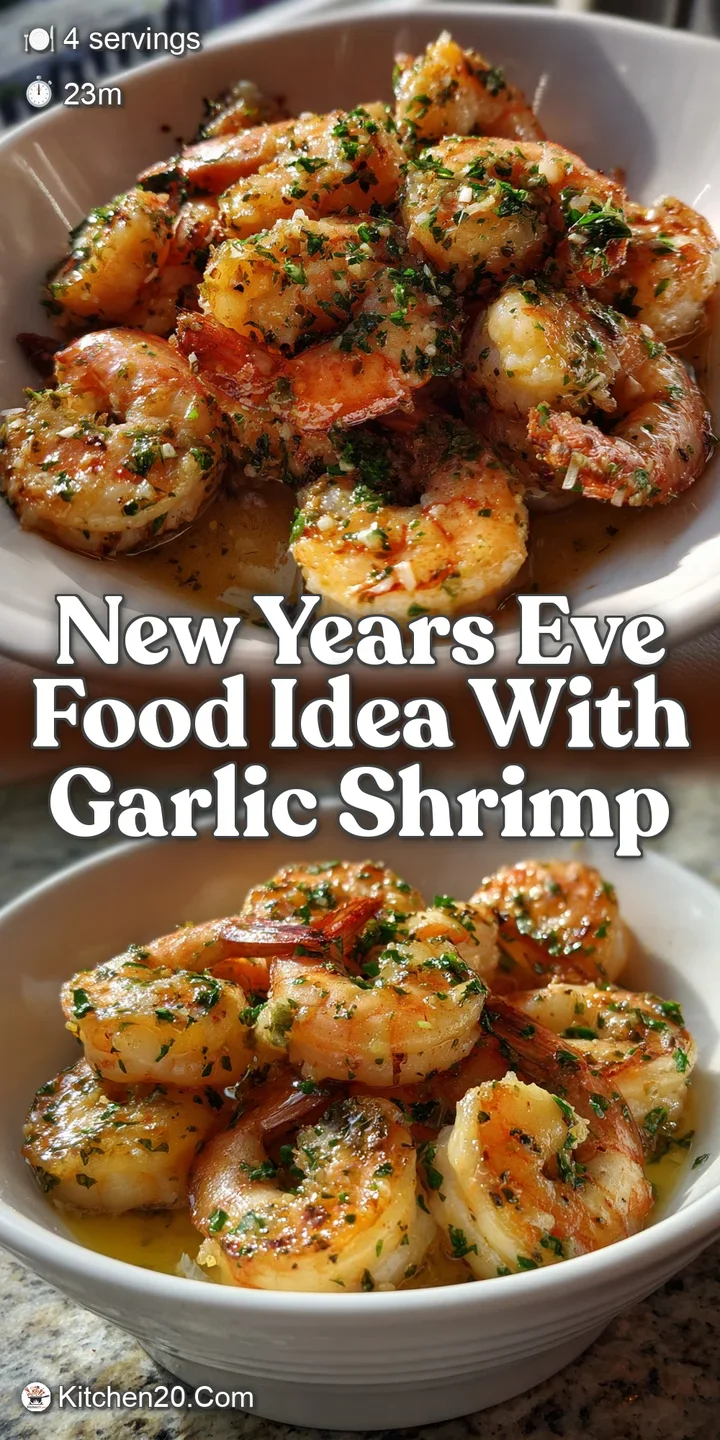
Common Questions
How long does it take to prepare this garlic shrimp dish?
23 minutes total active and passive time. The alkaline treatment requires 15 minutes of rest before the actual 8 minutes of cooking/sauce finishing. This speed is key for social gatherings.
What size shrimp should I use for the best result?
Use 16/20 count jumbo shrimp. Larger shrimp maintain better moisture retention during the high heat sear process, preventing rubberiness. The larger mass also provides more surface area for the sauce.
Why is my garlic shrimp sauce separating or looking oily?
Sauce broke because butter was added too quickly to the hot reduction. The fat molecules separated from the water base when added too fast, failing to form a stable suspension.
- Ensure butter is ice cold and cubed
- Whisk continuously off the direct heat source
- Add liquid backup (cold water or cream) to shock it back
Should I use salted or unsalted butter for the emulsion?
Unsalted butter for precision control. Salted brands vary widely in their sodium content, which complicates achieving the correct overall seasoning balance with the added salt for the shrimp. Unsalted butter allows you to control the seasoning based on the wine and shrimp salt additions.
Can I cook the shrimp ahead of time and reheat them?
No, reheating causes inevitable texture degradation. Once cooked, shrimp proteins contract tightly when reheated, resulting in a rubbery texture that defeats the purpose of the careful sear. If you must prep, cook them only 90% through, shock them in ice water, and finish briefly just before serving.
Myth: Marinating shrimp in lemon juice enhances flavor before cooking.
Myth: Marinating shrimp in lemon juice for an hour makes them more flavorful. Truth: The acid starts to denature the proteins (like ceviche), making the shrimp chalky and mushy when subsequently cooked with heat.
What is the role of the baking soda treatment?
Baking soda creates a snappy, firm texture. Raising the pH level on the surface accelerates browning via the Maillard reaction while minimizing moisture loss during searing.
If you are interested in temperature control for proteins, see how the same principles apply to managing proteins in our How to Make a Seafood Boil Louisiana Low Country Feast.
Garlic Shrimp Nye Food Idea
Ingredients:
Instructions:
Nutrition Facts:
| Calories | 288 kcal |
|---|---|
| Protein | 22.4 g |
| Fat | 19.2 g |
| Carbs | 2.8 g |
| Fiber | 0.3 g |
| Sugar | 0.4 g |
| Sodium | 394 mg |
