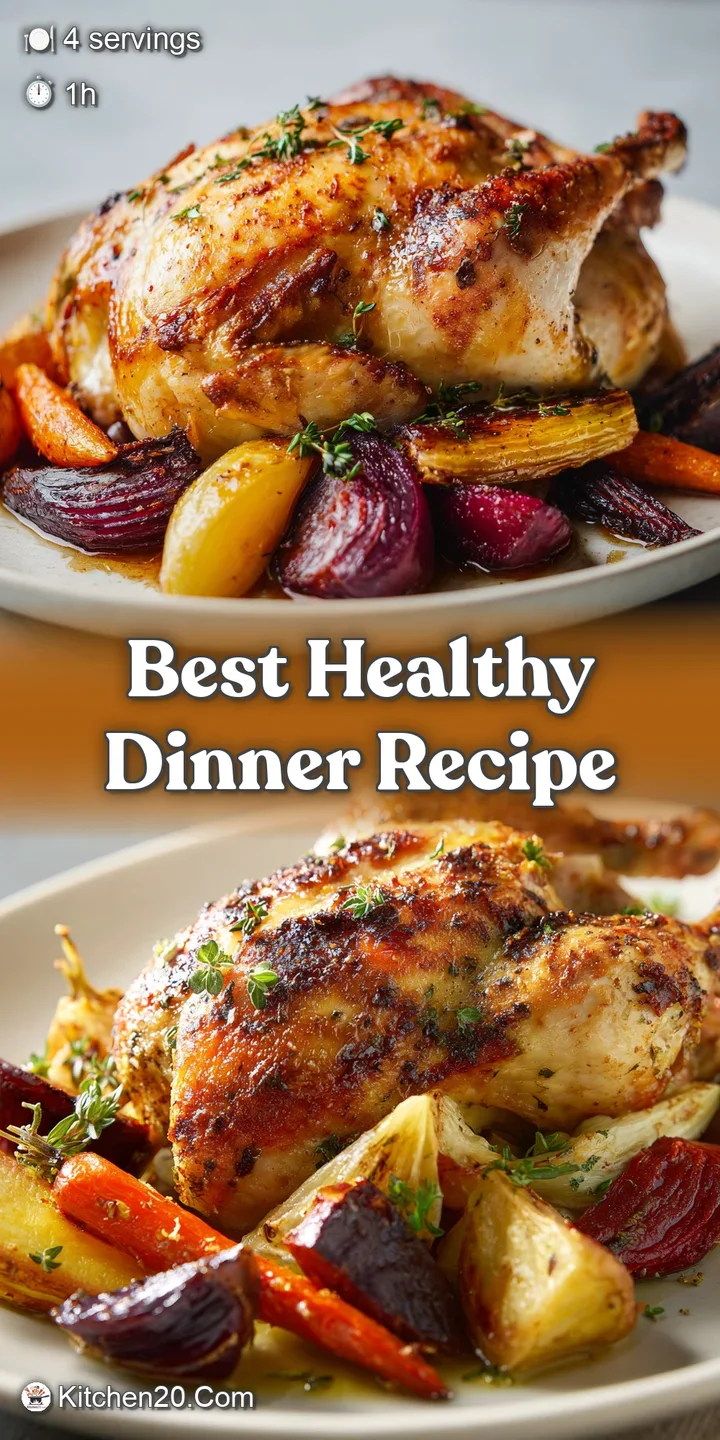
Best Healthy Dinner Recipe: Crispy Roasted Chicken
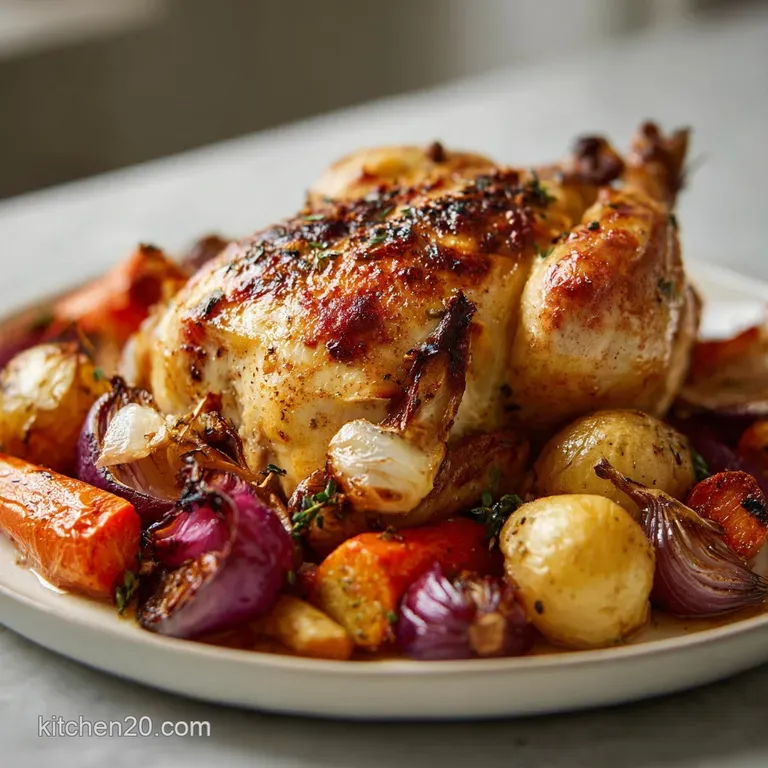
- Time: Active 15 minutes, Passive 45 minutes, Total 1 hours
- Flavor/Texture Hook: Shatter crisp skin and caramelized root vegetables
- Perfect for: High protein meal prep or a stress free family weeknight
- The Numeric Framework for Successful Roasting Results
- The Essential Elements for Your Integrated Meal
- Hardware Requirements for a High Performance Roast
- A Step by Step Interface for Plate Success
- Diagnostic Solutions for Common Kitchen Logic Errors
- Modular Flavor Profiles to Customize Your Experience
- Data Storage and Resource Management for Leftovers
- Designing the Final Aesthetic for Your Plate
- Shedding Light on Common Roasting Misconceptions
- Recipe FAQs
- 📝 Recipe Card
The Numeric Framework for Successful Roasting Results
Maillard Reaction: High heat triggers a chemical reaction between amino acids and reducing sugars, creating the brown crust and complex savory notes on the chicken skin.
Thermal Rendering: The bone in thighs contain intramuscular fat that melts at 165°F (74°C), acting as a natural basting agent for the dry sweet potatoes below.
Starch Gelatinization: As the sweet potatoes reach internal temperatures, their starches break down into simpler sugars, which then caramelize against the hot metal of the pan.
Volatile Oil Release: Heat causes the cellular walls of the rosemary and thyme to rupture, dispersing aromatic oils throughout the entire roasting platform.
| Cooking Method | Total Time | Final Texture | Nutritional Logic |
|---|---|---|---|
| Fast (Air Fryer) | 25 minutes | Ultra crispy skin, slightly drier vegetables | Best for speed; uses less oil but requires batches |
| Classic (Oven Roast) | 45 minutes | Uniform caramelization, juicy interior | Best for flavor integration and feeding a family |
| Slow (Dutch Oven) | 1 hours 15 mins | Fall off-the bone meat, soft vegetables | Best for deep comfort; lacks the "shatter" crunch |
Choosing between these methods depends on your available bandwidth. The oven roast remains the gold standard for this healthy dinner recipe because it allows the carrots and onions to swim in the chicken drippings, which you just can't replicate in a small air fryer basket. If you're looking for another quick option that feels just as fresh, my Avocado Pasta Sauce recipe is a great alternative for those 20 minute scramble nights.
The Essential Elements for Your Integrated Meal
Success in the kitchen is often about selecting the right components to act as your building blocks. For this dinner recipe, we are using bone in, skin on chicken thighs because they are nearly impossible to overcook.
The bone acts as a thermal conductor, keeping the meat moist from the inside out, while the skin provides the fat needed to transform the vegetables from "boiled" to "roasted."
| Component | Science Role | Pro Secret |
|---|---|---|
| Chicken Thighs | Fat and Protein Base | Pat the skin bone dry with paper towels to ensure a glassy crunch |
| Sweet Potatoes | Complex Carbohydrate | Cut into uniform 1 inch cubes to ensure they soften at the same rate as the meat |
| Smoked Paprika | Flavor Catalyst | Adds a "charred" aroma without needing an outdoor grill |
| Red Onion | Aromatic Sugar | Thick wedges withstand the high heat without dissolving into mush |
The Core Ingredient List
- 4 bone in, skin on chicken thighs (approx. 680g): Why this? The skin protects the meat from drying out during over high heat roasting.
- Substitute: Chicken drumsticks work well, though they cook slightly faster.
- 2 tbsp (30ml) extra virgin olive oil, divided: Why this? Facilitates heat transfer and carries the flavors of the herbs.
- Substitute: Avocado oil for an even higher smoke point.
- 1 tsp (5g) sea salt: Why this? Draws out moisture from the skin to create a crispier surface.
- Substitute: Kosher salt (use 1.5 tsp as it’s less dense).
- 1/2 tsp (2g) cracked black pepper: Why this? Provides a sharp, biting contrast to the sweet vegetables.
- Substitute: White pepper for a more floral, less aggressive heat.
- 1 tsp (2g) smoked paprika: Why this? Gives the dish a rich, amber hue and earthy depth.
- Substitute: Chipotle powder if you want a spicy, smoky kick.
- 2 large sweet potatoes (approx. 500g): Why this? Provides fiber and a natural sweetness that balances the salt.
- Substitute: Butternut squash or pumpkin cubes.
- 3 large carrots (approx. 250g): Why this? Adds a distinct crunch and bright orange visual accent.
- Substitute: Parsnips for a more peppery, earthy vibe.
- 1 red onion: Why this? Caramelizes into sweet, charred ribbons that integrate the flavors.
- Substitute: Shallots for a more delicate, refined sweetness.
- 4 cloves garlic: Why this? Smashed garlic infuses the oil without burning as easily as minced garlic.
- Substitute: 1 tsp garlic powder in the spice rub if fresh isn't available.
- 1 tbsp fresh rosemary, minced: Why this? Contains resins that stand up to long, over high heat cooking.
- Substitute: Dried rosemary (use only 1 tsp).
- 1 tbsp fresh thyme leaves: Why this? Adds a lemony, herbaceous top note to the finish.
- Substitute: Dried thyme or dried oregano.
Hardware Requirements for a High Performance Roast
To execute this healthy dinner recipe properly, your equipment needs to facilitate airflow. A large, heavy duty rimmed baking sheet (often called a half sheet pan) is your primary roasting platform.
Avoid using a high sided 9x13 glass casserole dish; those sides trap steam, which is the absolute enemy of crispy chicken skin. You want the moisture to evaporate quickly so the dry heat can do its work.
A sharp chef's knife is non negotiable for those sweet potatoes. They are dense, and a dull blade is how accidents happen in the kitchen. If you’re feeling fancy, a digital meat thermometer is the best way to ensure you aren't guessing at doneness.
While the classic "poke test" works for some, data driven cooking ensures your chicken hits that 165°F (74°C) mark perfectly every single time.
A step-by-step Interface for Plate Success
- Preheat your oven. Set it to 400°F (200°C) and ensure the rack is in the center position. Note: This temperature is the "sweet spot" for rendering fat while caramelizing sugars.
- Dry the chicken. Use paper towels to pat the skin of the 680g of chicken thighs until it feels like parchment. Note: Surface moisture causes steaming, which leads to rubbery skin.
- Create the spice rub. In a small bowl, mix 1 tbsp of olive oil, sea salt, pepper, and smoked paprika.
- Season the protein. Rub the spice mixture under and over the skin of each thigh.
- Prep the vegetables. Toss the 500g of sweet potato cubes, 250g of sliced carrots, and onion wedges with the remaining 1 tbsp of olive oil, rosemary, and thyme.
- Arrange the pan. Place the chicken thighs on the sheet pan, then scatter the vegetable mix around them. Arrange in a single layer until no pieces are overlapping.
- Add the garlic. Tucking the smashed garlic cloves under the chicken or vegetables prevents them from charring too quickly.
- Roast the meal. Slide the pan into the oven for 45 minutes until the chicken skin is dark gold and the potatoes are soft.
- Check for doneness. Use a thermometer to verify the chicken has reached 165°F (74°C).
- Rest and serve. Let the pan sit for 5 minutes until the juices redistribute within the meat.
Chef's Tip: If you want an extra layer of flavor, similar to the depth found in a Grandmas Sunday Gravy recipe, try adding a splash of balsamic vinegar to the vegetables halfway through the roasting process. The acid cuts through the chicken fat beautifully.
Diagnostic Solutions for Common Kitchen Logic Errors
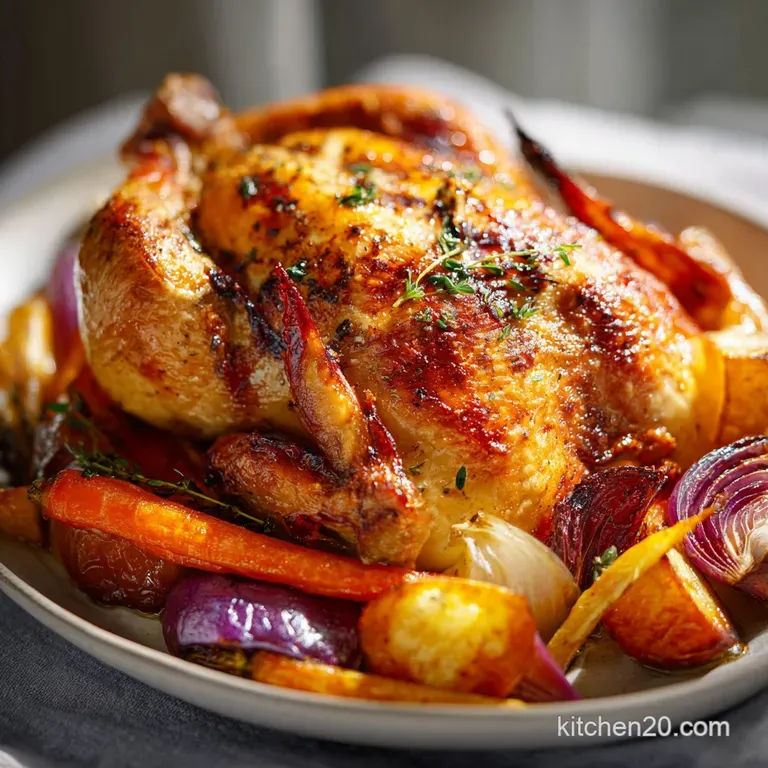
Sometimes the output doesn't match the input, even with a solid dinner recipe. Roasting seems simple, but variables like oven calibration or vegetable moisture content can throw off your results. If things aren't looking right, don't panic.
Most issues are easily solved with a quick adjustment to your technique or hardware.
Skin Surface Tension Physics
If your chicken skin isn't reaching that "glass like" shatter, it's usually a humidity issue. If the pan is overcrowded, the vegetables release steam that gets trapped under the chicken. Make sure there is at least a half inch of "white space" on the metal between your ingredients.
If you've already crowded the pan, turn on the convection setting (fan) for the last 10 minutes to help move that moisture out.
Vegetable Sugar Caramelization Logic
Are your carrots still crunchy while the chicken is done? This usually happens if the pieces are cut too thick. Root vegetables are dense and require sustained heat to break down their cellulose.
If this happens, remove the chicken to a plate to rest and slide the vegetables back into the oven for another 10 minutes. They can handle the extra heat much better than the meat can.
| Problem | Root Cause | Solution |
|---|---|---|
| Soggy Chicken Skin | Excess surface moisture or overcrowding | Pat dry with paper towels; use a larger pan for better airflow |
| Burnt Garlic | Garlic was minced too fine or exposed too early | Keep cloves whole and "smashed," or hide them under the chicken |
| Mushy Sweet Potatoes | Cut too small or over tossed in oil | Keep cubes at a 1 inch minimum and use just enough oil to coat |
Common Mistakes Checklist
- ✓ Never skip the drying step for the chicken skin; it’s the difference between "good" and "legendary."
- ✓ Preheat the oven for at least 15 minutes before the pan goes in.
- ✓ Don't use a silicone mat; roasting directly on the metal pan results in better browning.
- ✓ Resist the urge to flip the chicken; the skin needs undisturbed contact with the hot air to crisp.
- ✓ Let the chicken rest; cutting in too early lets all that velvety juice run out onto the pan.
Modular Flavor Profiles to Customize Your Experience
One of the reasons this is the best healthy dinner recipe is its versatility. Once you understand the basic mechanics of the sheet pan roast, you can swap out the aromatics to suit your mood.
It's like updating the software on your favorite platform - the core functions remain the same, but the interface feels brand new.
- The Mediterranean Expansion: Swap the paprika for dried oregano and lemon zest. Add a handful of kalamata olives to the pan in the last 10 minutes of roasting.
- Heat and Capsaicin Integration: Replace the rosemary with a teaspoon of chili flakes and a drizzle of honey after roasting. The "hot honey" trend works perfectly with the sweetness of the carrots.
- Low Carbohydrate Swaps: If you want to reduce the glycemic load, replace the sweet potatoes with cauliflower florets and radishes. Radishes lose their "bite" when roasted and become surprisingly mellow and juicy.
Data Storage and Resource Management for Leftovers
This healthy dinner recipe is a meal prep dream because the ingredients are physically stable. Unlike a delicate fish or a salad that wilts, roasted chicken and root vegetables actually hold their structure quite well.
- Fridge
- Store in an airtight container for up to 4 days. The flavors actually deepen as the aromatics continue to infuse the chicken meat.
- Freezer
- You can freeze the chicken for up to 3 months. However, be aware that sweet potatoes can become slightly grainier after thawing.
- Reheating
- Avoid the microwave if you want to keep the skin crisp. A quick 10 minute stint in a 350°F (180°C) oven or toaster oven will bring that sizzle back to life.
Zero Waste Strategies: Don't you dare throw away those chicken bones or the onion skins! Toss them into a freezer bag. Once you have enough, simmer them with water and some peppercorns to create a rich, homemade stock.
Also, if you have leftover roasted vegetables, they make an incredible base for a "power bowl" the next morning. Just top them with a poached egg and a squeeze of lime.
Designing the Final Aesthetic for Your Plate
We eat with our eyes first, so the color balance of this dinner recipe is just as important as the seasoning. When you pull the pan out of the oven, you’re looking for a specific palette of "golden hour" tones. To make this look like it came from a professional kitchen, we use a three point garnish strategy.
- Emerald Accent: Freshly chopped parsley or a few extra sprigs of thyme. This provides a hit of "living" green against the cooked, muted tones of the roast.
- Crimson Contrast: The red onions should be charred at the edges, looking almost purple black. These provide visual depth.
- Amber Glaze: The natural juices on the pan. Spoon a little of that rendered fat and rosemary oil back over the chicken right before serving to give it a glassy sheen.
If you want X, do Y:If you want extra crunch, scatter 1/4 cup of sliced almonds over the vegetables during the last 5 minutes. If you want a brighter finish, zest a fresh lemon over the entire pan the second it comes out of the oven.
If you want it heartier, serve it over a bed of quinoa or wild rice to soak up the herb infused oils.
Shedding Light on Common Roasting Misconceptions
There’s a lot of "kitchen lore" that gets passed around that actually hinders a healthy dinner recipe. One big myth is that you need to baste the chicken every 15 minutes. Every time you open that oven door, the temperature drops by 25 degrees or more.
This interrupts the rendering process and leads to soggy skin. Just leave it alone! The fat under the skin will do all the basting for you from the inside.
Another common mistake is thinking that "healthy" means "fat free." Without the olive oil and the natural fats from the chicken, your body can't actually absorb the fat soluble vitamins (like Vitamin A) found in the sweet potatoes and carrots.
This dinner recipe isn't just about calories; it’s about nutrient bioavailability. By using quality fats, you're making the meal more functional for your body while also making it taste infinitely better.
Right then, you're ready to head into the kitchen and execute. This isn't just a meal; it's a reliable system for feeding yourself well without the stress. Grab your sheet pan, get that chicken bone dry, and let the oven do the heavy lifting. You've got this!
Recipe FAQs
Is it necessary to use bone-in, skin-on chicken thighs for this recipe?
Yes, for the best texture. The bone acts as a thermal conductor, keeping the meat juicy while the skin renders fat to roast the vegetables below.
How can I ensure the chicken skin achieves a shatteringly crisp texture?
Pat the skin completely dry with paper towels before seasoning. Surface moisture creates steam, which is the primary enemy of crispy skin during high heat roasting.
Can I skip drying the vegetables, as they are going into the oven anyway?
No, you should avoid overcrowding the pan. If the vegetables are too wet or piled on top of each other, they will steam instead of roast, resulting in a mushy texture.
How do I adjust the timing if I use boneless, skinless chicken breasts instead?
Reduce the roasting time significantly, usually by 15 to 20 minutes. Boneless chicken cooks much faster and should be removed immediately upon hitting 165°F to prevent drying out.
Is it true that browning the chicken in a skillet first adds essential flavor?
No, this is a common misconception for this specific sheet pan method. Searing requires extra oil and cleanup, and the 400°F oven heat is sufficient to trigger the Maillard reaction on the skin directly.
How do I make sure the sweet potatoes and carrots cook evenly together?
Cut the sweet potatoes into uniform 1 inch cubes. Consistency in size ensures that the denser sweet potatoes and the slightly faster cooking carrots reach tenderness simultaneously, much like balancing flavors in a good Creamy Pesto Sauce recipe.
What is the best way to reheat leftovers while preserving the texture?
Reheat in a 350°F oven or toaster oven for about 10 minutes. This dry heat environment helps reactivate the crispness of the skin, which the microwave often compromises.
Healthy Roasted Chicken Dinner
Ingredients:
Instructions:
Nutrition Facts:
| Calories | 496 kcal |
|---|---|
| Protein | 32.1 g |
| Fat | 25.8 g |
| Carbs | 35.4 g |
| Fiber | 6.8 g |
| Sugar | 7.9 g |
| Sodium | 642 mg |
