Turkey Brine Recipe: the Proper Herbaceous Soak for Your Christmas Turkey
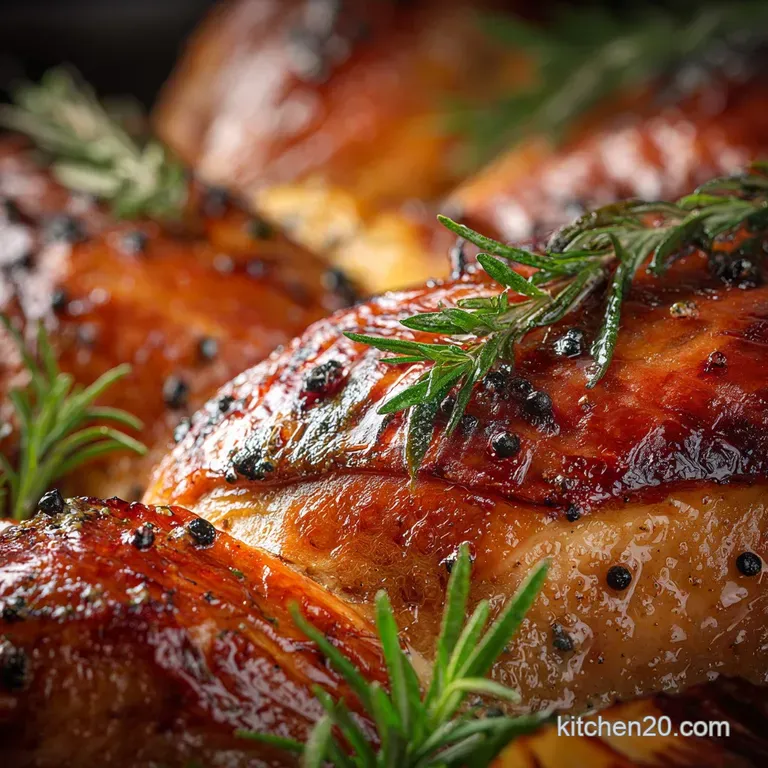
- The Proper Soak: Why Every Chef Recommends a Wet Turkey Brine
- Essential Ingredients for the Ultimate Herbaceous Turkey Brine
- The Method: Step-by-Step Guide to Preparing Your Turkey Brine Solution
- The Science of Succulence: How Wet Brining Guarantees a Juicy Turkey
- Troubleshooting Your Soak: Chef's Pro Tips and Common Brining Mistakes
- Prep Ahead: Storage and Shelf Life of Unused Brine Concentrate
- Pairing and Finishing: What to Serve With Your Perfectly Brined Turkey
- Recipe FAQs
- 📝 Recipe Card
The Proper Soak: Why Every Chef Recommends a Wet Turkey Brine
There is nothing in the world quite like that smell when you open the oven door on Thanksgiving morning. It’s warm, savory, and perfectly herbaceous, a promise of the tender, juicy meat waiting inside.
If you have ever suffered through a dry, dusty turkey, you know the heartbreak, and you know we need a better way.
Brining is that better way. It’s not some fancy technique reserved for Michelin chefs; it is simply the cheapest, fastest insurance policy against an awful bird. This wet turkey brine recipe guarantees flavor and moisture deep into the breast meat, where turkey usually goes to die.
I used to think brining was a huge logistical headache, but once I figured out the cold bath trick, everything changed. Let’s ditch the guessing games and crack on with the ultimate herbaceous turkey brine recipe for your holiday table.
Moving Beyond Dry Turkey: Understanding the Brining Difference
We are all chasing that incredibly moist, almost silky texture, right? Dry turkey happens because the muscle fibers seize up and squeeze out moisture during cooking. The magic of this turkey brine recipe is salt.
When the raw turkey soaks in this salty bath, the salt begins to dissolve some of those tough muscle proteins. This allows the meat to absorb water a lot of water before it even hits the oven.
My first time brining, I accidentally skipped the crucial cooling phase and ended up with tepid brine; that bird was edible, but trust me, we need to follow the rules here to get the perfect texture.
What Makes This Herbaceous Brine Unique and Worth the Effort?
This is not just a salt bath; this is an infusion spa for your turkey. We are boiling the base briefly to "bloom" the spices and herbs, maximizing their flavor release before the cold bath.
That combination of earthy rosemary, bright thyme, and the sweet sharpness of fresh oranges creates a winter profile that seeps right into the deepest parts of the bird. The brown sugar is essential too, helping your turkey achieve that gorgeous, mahogany skin we all dream about when it finally roasts.
Is Wet Brining Better Than Dry Brining for Achieving Maximum Juiciness?
This is a hot debate in the turkey world, honestly, and both methods work well. However, if your primary goal is maximizing moisture and sheer juiciness, wet brining wins every time. You are literally forcing extra liquid into the cells, resulting in a noticeably plumper bird.
Sure, the logistics of storing a giant bucket of salty water are a little annoying, but the results are worth the hassle, particularly for larger turkeys.
Essential Ingredients for the Ultimate Herbaceous Turkey Brine
We need a few basic pantry items and a metric ton of fresh herbs to make this Christmas turkey brine sing. Remember, these measurements are for the concentrate , which we will dilute later!
| Ingredient | Role | Substitution Tip |
|---|---|---|
| Kosher Salt (Diamond Crystal) | The essential moisture carrier. | Substitute with less table salt (see chart below) or flaky sea salt. |
| Light Brown Sugar | Aids moisture retention and browning. | Use granulated white sugar or ¾ cup of honey/maple syrup. |
| Fresh Rosemary | Deep, piney, winter aroma. | Dried rosemary can work, but reduce the amount by half. |
| Fresh Thyme | Earthy and slightly floral base. | Dried thyme or oregano in a pinch. |
| Oranges (quartered) | Citrus acid tenderizes and the zest adds oils. | Use lemons, limes, or even two large tangerines. |
| Garlic (smashed, unpeeled) | Allium base note for savory depth. | Shallots or onion wedges work fine, too. |
Choosing Your Salt: Kosher vs. Table Salt Conversion Chart
Warning: Using the wrong salt ratio is the number one way to ruin your turkey. Kosher salt is bulkier and less dense than standard table salt. Do not simply swap them 1:1, or you will end up with an unpleasantly salty bird!
| Salt Type | For 1 ½ Cups Kosher Salt | Notes |
|---|---|---|
| Diamond Crystal Kosher | 1 ½ cups (360g) | Ideal volume, lighter weight. |
| Morton’s Kosher Salt | 1 ¼ cups (300g) | Morton’s is denser; reduce volume slightly. |
| Standard Table Salt (Iodized) | ¾ cup (180g) | Reduce drastically! Table salt is extremely dense and strong. |
Maximizing Citrus Impact: Utilizing Both Zest and Juice
We aren’t just throwing orange slices in there for looks. Cutting the oranges into quarters maximizes the amount of white pith and zest exposed to the boiling water. The citrus oils in the zest are volatile, meaning they release easily into the hot liquid, making this brine incredibly fragrant and effective.
Plus, the slight acidity helps those muscle fibers relax even more.
Best Fresh Herbs for Winter Flavor Profiles (Rosemary, Thyme, Bay)
This classic trio is chosen because they are robust. They hold up well to the long soak and the heat of the boiling concentrate. Soft herbs like basil or cilantro would turn bitter or wilt into nothingness in this herb turkey brine .
Rosemary, thyme, and bay leaves are the heavy lifters of holiday flavor, infusing warmth right through the bone.
Brine Capacity: Scaling the Volume for Different Turkey Sizes
The recipe listed is designed for a medium, 12 15 pound turkey. If you are handling a giant 20 pounder, you must scale up the liquid and ingredients proportionately. A general rule of thumb is that you need about 1 gallon (3.8 L) of liquid per 5 pounds (2.25 kg) of turkey to ensure total submersion.
Don't eyeball it; get out the measuring cups!
The Method: step-by-step Guide to Preparing Your Turkey Brine Solution
Phase 1: Blooming the Aromatics and Creating the Concentrate
- Combine Concentrate Ingredients: Get your biggest stockpot and combine the 8 cups of water with the salt, brown sugar, bay leaves, and peppercorns.
- Dissolve Solids: Bring this mixture to a rolling boil over high heat, stirring constantly until the liquid turns completely clear and the solids are gone. This is where the magic starts happening; don't rush this 5 minute step.
- Add Aromatics: Remove the pot from the heat immediately. Stir in the smashed garlic, the sprigs of rosemary and thyme, and the quartered oranges. Let this incredibly fragrant concentrate steep for 30 minutes, allowing those wonderful winter flavors to infuse completely.
Phase 2: Cooling the Brine Safely and Thoroughly
This is the single most important part of the entire process. Do not skip the chill.
- Add Cold Dilution Water: Transfer the hot concentrate to your final brining vessel (or leave it in the pot if it's huge). Add the remaining 1 gallon of cold water or vegetable stock. Stir it well.
- Test the Temperature: Now add your ice cubes, stirring until they dissolve. Use a kitchen thermometer to check the liquid.
CRUCIAL CHEF’S NOTE: The brine must be completely cooled to 40°F (4° C) or below before the raw turkey touches it. Warm brine creates a perfect environment for bacterial growth, which means you have to start over.
If it takes overnight to cool, so be it!
Phase 3: Submerging the Turkey and Timing the Soak for Optimal Results
- Prep and Pat Dry: Remove the giblets and neck from the turkey cavities (save them for your gravy!). Give the bird a quick rinse under cold water, then use paper towels to pat the skin dry aggressively .
- Submerge the Bird: Place the turkey in the vessel and pour the chilled brine over it, ensuring the bird is fully submerged. Use a clean plate or a sealed bag of ice to weigh down any floating bits.
- Refrigerate and Time: Place the vessel in your fridge or a cold cooler (below 40°F). Brine for 1 hour per pound , which usually lands between 12 and 24 hours for most holiday turkeys.
- The Critical Rinse and Dry: Remove the turkey from the brine and discard the salty liquid immediately. Rinse the turkey thoroughly under cold water. Then, pat it bone dry and leave it uncovered in the fridge overnight. This air-dry step is the secret to getting truly crispy skin. If you want to see how this translates into the final product, check out my recipe for a great Herb Butter Turkey Recipe: Ultimate Moist Meat and Crisp Skin .
The Science of Succulence: How Wet Brining Guarantees a Juicy Turkey
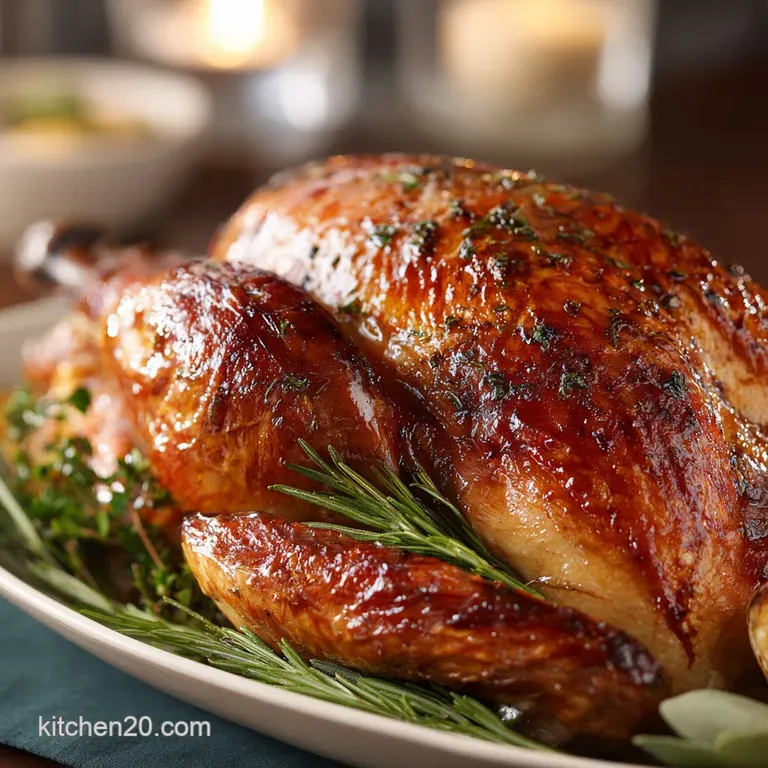
It sounds complicated, but the reason this Turkey Brine Recipe For Roasting works is simple chemistry and physics.
Osmosis Explained: Salt’s Role in Moisture Retention
When your turkey sits in the brine, two things happen. First, the salt migrates into the muscle cells, seasoning the meat deep inside not just on the surface. Second, the salt helps the meat hold onto the surrounding water due to osmosis.
When you cook the turkey, that extra water is retained longer, preventing the breast from becoming desert dry.
The Power of Aromatics: Infusing Flavor into the Muscle Fibers
The tiny molecules from the dissolved brown sugar, citrus oils, and herbs penetrate the meat alongside the salt and water. They don't just sit on the surface, which is why your final roast tastes amazing without having to inject anything or rub heavy marinades on the outside. This is deep, internal flavor work.
Troubleshooting Your Soak: Chef's Pro Tips and Common Brining Mistakes
Addressing Over Salting: How to Adjust the Final Roast
Over salting happens if you brine for too long or use the wrong salt ratio. If you suspect your turkey is too salty after the rinse, soak it in a tub of plain cold water for about 30 minutes before the final air dry.
Most importantly, when you go to roast it, DO NOT add any extra salt to your butter rub or seasoning blend.
The Temperature Danger Zone: Keeping Your Brine Chilled Below 40°F
This bears repeating because food safety is crucial! Leaving your turkey and brine at room temperature for even an hour starts creating the perfect breeding ground for bacteria (the danger zone is between 40°F and 140°F).
If your brining vessel won't fit in the fridge, you must use a cooler packed with ice and change the ice frequently to maintain a safe temperature.
How Long Is Too Long? Avoiding Rubberiness and Texture Changes
While under brining leaves you with a dry bird, over brining makes the meat take on a weird, almost ham-like, mushy texture. For a 12 15 lb turkey, 16– 20 hours is the sweet spot. Never go over 24 hours unless you are using a very weak solution.
If you need to stop early, pull the turkey out, rinse it, and let it dry in the fridge.
Prep Ahead: Storage and Shelf Life of Unused Brine Concentrate
Storing Liquid Brine vs. Herb Mixes
You can prepare the brine concentrate the boiled and steeped mixture before adding the final cold water up to three days ahead of time. Just ensure you store it in a sealed container in the fridge. Once you add the cold water and chill it, it's ready to go.
However, once the raw turkey has been submerged in the liquid, the entire batch must be discarded due to contamination. Do not reuse the brining liquid!
Pairing and Finishing: What to Serve With Your Perfectly Brined Turkey
Because this turkey is already beautifully seasoned, you can keep the rest of your sides relatively simple. You have done the hard work of making the main event flavorful!
This perfectly brined turkey pairs incredibly well with hearty, herby sides. I always make my Homemade Stuffing: Crispy Sourdough Stuffing for Turkey Dinner because its savory base complements the citrus notes perfectly. Just remember: when seasoning your sides, you can afford to use less salt than usual since your main protein is already carrying heavy seasoning. Go big on fresh herbs, butter, and pepper!

Recipe FAQs
How long is the maximum safe time to wet brine a turkey?
You should wet brine a turkey for 12 to 24 hours, depending on its size; 1 hour per pound is a good general guideline. Brining longer than 36 hours can result in a mushy or overly salty texture, as the muscle fibers begin to break down excessively.
Always ensure the turkey and brine solution are maintained at a temperature below 40°F (4°C) during the entire process.
If I follow the brine recipe perfectly, why might my turkey still turn out dry?
A dry turkey is almost always caused by overcooking, not by inadequate brining. Use a reliable meat thermometer to ensure the turkey is removed from the oven immediately when the breast registers 165°F (74°C).
Be sure to let the turkey rest for at least 30 minutes before carving, which allows the muscle fibers to relax and reabsorb juices.
Can I use this wet brine recipe on a Kosher or pre-injected turkey?
No, you should never brine a turkey that is labeled "Kosher," "enhanced," or "pre-injected" with a saline solution. These products already contain high levels of sodium and adding an extra wet brine will render the meat inedibly salty. If your turkey package lists water, salt, or broth as ingredients, skip the brine.
How should I adjust the brine quantity for a turkey larger than 18 pounds?
For turkeys larger than 18 lbs, you should increase the liquid quantity proportionally, maintaining the classic brine ratio of 1 cup of kosher salt per gallon of water. While increasing the salt and water, you may only need to increase the volume of aromatics (herbs, citrus, etc.) by about 50%, as the flavour will still permeate the meat effectively.
Ensure the entire bird is fully submerged in the cold liquid.
I don't have a large enough container for the turkey and the brine. What are my options?
If a large pot or stockpot isn't available, a clean, heavy duty brining bag or oven bag is an excellent and space saving alternative. You can also sanitize a large cooler and use that for brining, ensuring it is lined with food grade plastic bags for extra safety.
Always place the brining container inside the refrigerator or pack it with ice to maintain safe temperatures.
Can I safely reuse or store the leftover brine solution?
No, the brine solution must be discarded immediately after the turkey is removed. Since the brine has been in contact with raw poultry for an extended period, it is contaminated with bacteria. Never attempt to save used brine for subsequent cooking, basting, or flavouring purposes.
Do I need to rinse the turkey after it comes out of the brine?
Yes, quickly rinse the turkey under cold running water to remove any excess surface salt and residual herbs. Immediately after rinsing, pat the entire turkey exterior and cavity completely dry using paper towels. A very dry skin surface is essential for achieving a crispy, golden brown crust during roasting.
Herbaceous Citrus Turkey Brine
Ingredients:
Instructions:
Nutrition Facts:
| Calories | 221 kcal |
|---|---|
| Protein | 0.3 g |
| Fat | 7.6 g |
| Carbs | 37.5 g |
