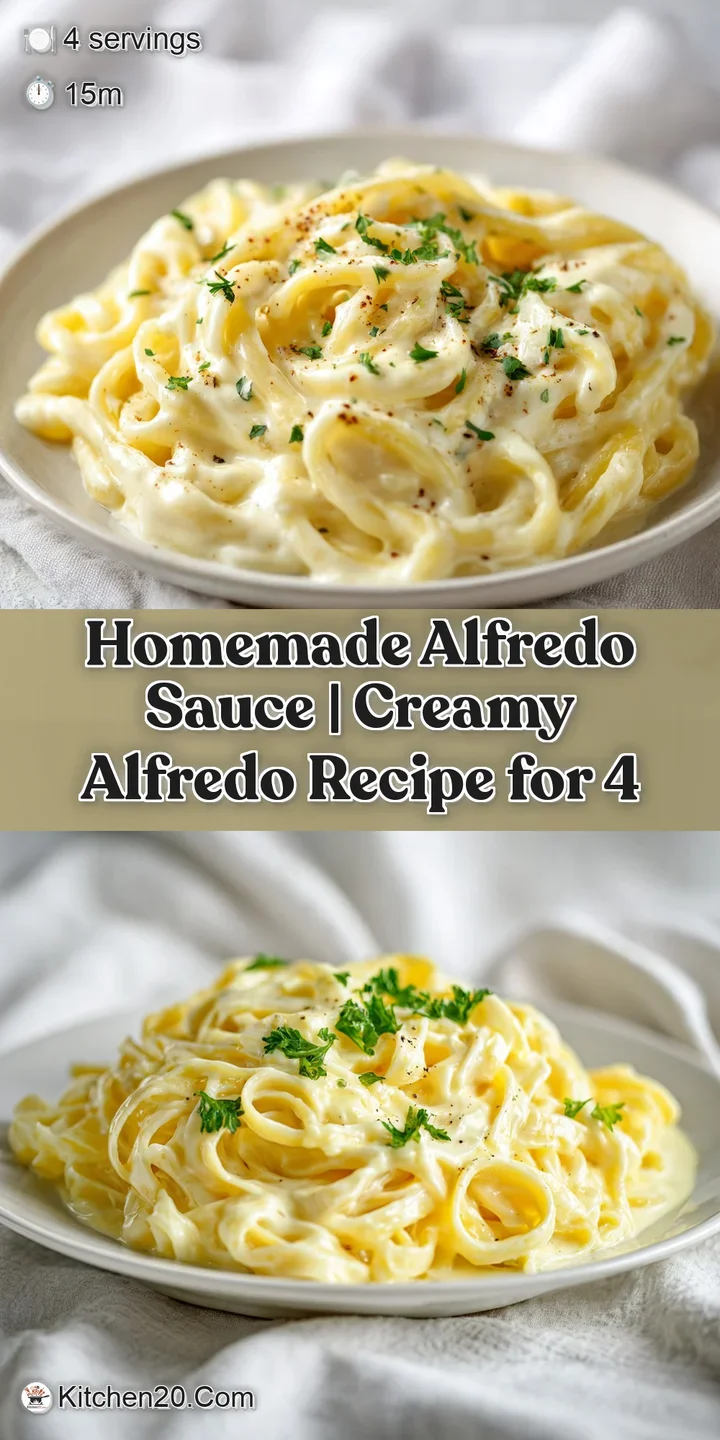
Homemade Alfredo Sauce: Creamy and Savory
- Time: Active 5 minutes, Passive 10 minutes, Total 15 minutes
- Flavor/Texture Hook: Glossy, velvety, and deeply savory
- Perfect for: Quick weeknight dinners or a high impact meal prep base
- Perfecting Your Own Homemade Alfredo Sauce
- Why Jarred Versions Fall Short
- Precision Metrics for Success
- Streamlined Tools for Efficiency
- Essential Ingredient Deep Dive
- Step-By-Step Cooking Guide
- Solving Common Texture Issues
- Creative Flavor Profile Variations
- Storage and Zero Waste Methods
- Optimal Pairings and Serving
- Recipe FAQs
- 📝 Recipe Card
Perfecting Your Own Homemade Alfredo Sauce
The first time I tried making a white sauce from scratch, it ended up looking like curdled milk with bits of rubber floating in it. I could hear the butter sizzle as it hit the pan, but I didn't realize that the aggressive heat was actually my biggest enemy.
The aroma of toasted garlic was there, but the texture was a total disaster because I was rushing the process. I’ve learned since then that the secret isn't some fancy ingredient; it's the rhythm of the whisk and the way you manage the flame.
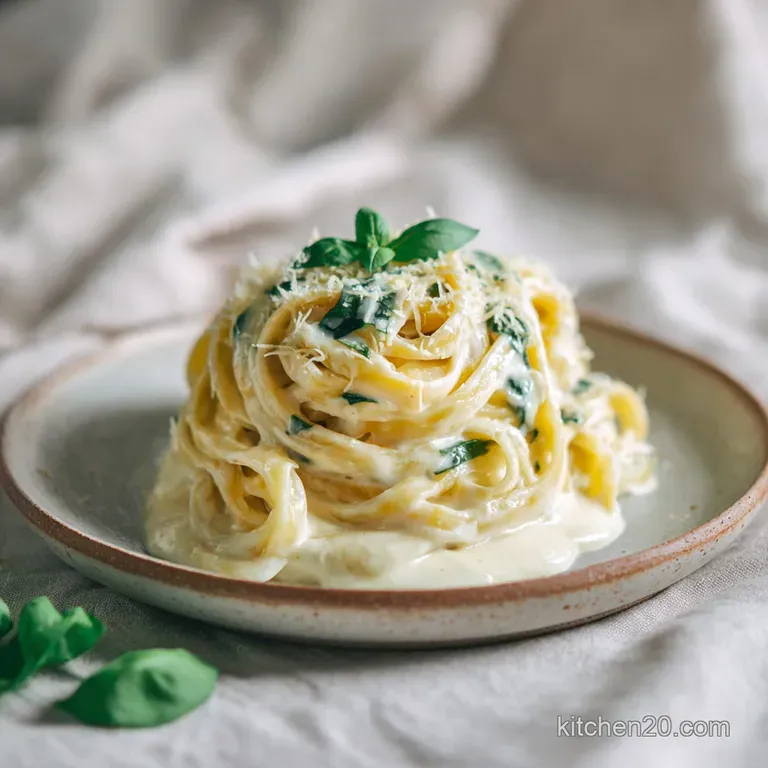
When you get it right, the sauce doesn't just sit on top of the pasta. It clings to every curve of a fettuccine strand with a shimmering, buttery coat that feels luxurious. You'll notice the sauce transforms from a thin liquid into a velvety coating that leaves a glossy trail on your spoon.
This isn't just about cooking; it's about watching the molecules of fat and water shake hands and decide to stay together. It's a simple joy that makes you wonder why anyone ever reaches for a dusty glass jar at the grocery store.
We’re going to focus on efficiency here. There’s no need for a massive pile of dishes or hours of simmering. I’ve streamlined this method so you can have the entire meal on the table in the time it takes to boil a pot of salted water. We're talking about a 15 minute window from start to finish.
Once you see how the Parmigiano Reggiano melts into the cream to create that silken dream, you’ll never look back. It’s all about the temperature and the timing, and I’m going to show you exactly how to hit those marks every single time.
Why Jarred Versions Fall Short
Most of us grew up with the convenience of pre made sauces, but there's a fundamental problem with the way those are manufactured. To make a sauce shelf stable for months, companies have to use starches, gums, and stabilizers that dull the flavor of the cheese.
When you make a homemade alfredo sauce recipe, you are using fresh fats and proteins that haven't been processed to death. This is why the flavor is so much punchier and the texture is significantly more delicate.
- Fat Stability
- High heat causes the butter and cream to separate if they aren't bound correctly by the cheese proteins.
- Heat Sensitivity
- Cheese is a living ingredient that becomes grainy if it hits a boiling liquid, requiring a gentle touch.
- Reduction Logic
- Simmering the cream naturally evaporates water, concentrating the flavor without needing heavy flour based thickeners.
- Aromatic Infusion
- Sauteing garlic in butter before adding liquid creates a foundation of flavor that no powder can replicate.
| Method | Time | Texture | Best For |
|---|---|---|---|
| Stovetop | 10 minutes | Silky and glossy | Pure quality and control |
| Microwave | 6 minutes | Thinner, prone to breaking | Emergency quick meals |
| Instant Pot | 15 minutes | Thick and integrated | One pot pasta meals |
While the microwave might seem faster, the stovetop method gives you the visual cues needed to ensure the emulsion doesn't break. In the kitchen, speed is great, but efficiency means getting the best result with the least amount of wasted effort.
By using a heavy bottomed pan, you distribute the heat evenly, preventing the bottom of the sauce from scorching while the top stays cool. This small choice in equipment makes a massive difference in the final mouthfeel of your dish.
Precision Metrics for Success
To get that restaurant style finish, we need to treat our ingredients with a bit of respect. This isn't about being a scientist; it's about being an efficient cook who knows when to pull the pan off the heat. Most people overcook their sauce, leading to a thick, pasty mess that feels heavy on the tongue.
We want a sauce that flows like heavy silk, not like glue. This requires hitting specific checkpoints during the 10 minute cook time.
| Ingredient | Science Role | Pro Secret |
|---|---|---|
| Unsalted Butter | Flavor base and fat | Use cold cubes to slow the melting and prevent burning |
| Heavy Cream | Liquid foundation | Never use low-fat; the fat content prevents curdling |
| Parmigiano | Texture and salt | Grate it yourself on a microplane for an instant melt |
The interaction between the milk fats in the cream and the proteins in the cheese is what creates the "cling" factor. If you use a lower fat milk, the sauce will be watery and won't emulsify.
If you use pre shredded cheese from a bag, the cellulose coating (added to prevent clumping in the bag) will make your sauce feel sandy. Stick to the high-quality stuff, and the science takes care of itself.
If you are looking for a more traditional approach that skips the cream entirely, you might be interested in the classic alfredo sauce method. However, for most home cooks, the cream based version we are making today is much more forgiving and provides that iconic, rich profile everyone craves.
Streamlined Tools for Efficiency
Efficiency in the kitchen starts with your arsenal. You don't need twenty gadgets to make a great sauce, but the two or three you do use should be the right ones. I always reach for a heavy bottomed saucepan. Why? Because thin pans have "hot spots" that will burn your garlic in seconds and cause the cream to scorch.
A heavy pan acts like a heat battery, keeping the temperature steady even when you add cold cheese to the mix.
You also need a high-quality whisk. A silicone coated whisk is my favorite because it lets you scrape the edges of the pan without making that soul crushing metal on-metal scratching sound. This ensures that no bits of cheese or cream get stuck in the corners and burn. Finally, throw away the pre grated cheese.
Use a microplane or the fine side of a box grater. The smaller the cheese particles, the faster they melt, and the less likely you are to end up with a clump of cheese stuck to the bottom of your whisk.
| Servings | Ingredient Adjustments | Pan Size | Cook Time |
|---|---|---|---|
| 2 people | 55g butter, 180ml cream, 75g cheese | Small saucepan | 8 minutes |
| 4 people | 115g butter, 360ml cream, 150g cheese | Medium saucepan | 10 minutes |
| 8 people | 230g butter, 720ml cream, 300g cheese | Large skillet | 14 minutes |
When scaling up, the surface area of your pan matters. If you try to double the recipe in a tiny pot, the cream won't reduce properly because there isn't enough surface area for evaporation. If you're feeding a crowd, switch to a wide skillet to keep the cook time efficient and the reduction consistent.
Essential Ingredient Deep Dive
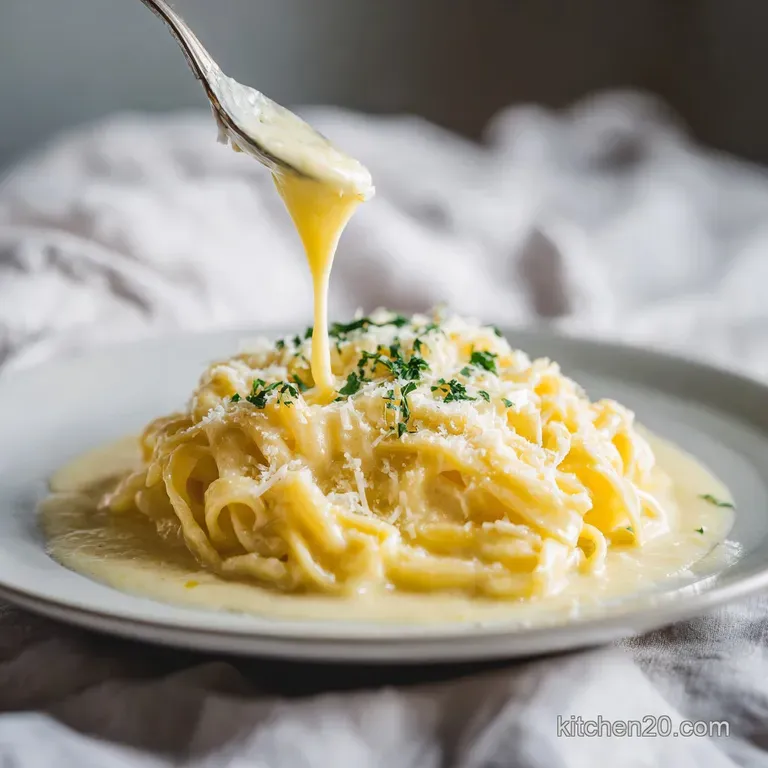
For this homemade alfredo sauce, every single component serves a purpose. We start with 115g (1/2 cup) of unsalted butter. Using unsalted is key because Parmigiano Reggiano is naturally quite salty. This gives you total control over the seasoning.
If you only have salted butter, skip the extra salt until the very end and taste it first.
Next, we have the 360ml (1 1/2 cups) of heavy whipping cream. This is the backbone of the sauce. The fat content here is non negotiable for a "no fail" experience. The cream provides the liquid that we will reduce to create thickness. Then comes the star: 150g (1 1/2 cups) of freshly grated Parmigiano Reggiano.
This isn't just "parmesan" in a green can; it’s the king of cheeses. It adds a nutty, complex depth that defines the dish.
- 115g Unsalted Butter: Provides the rich, golden fat base. Why this? high-quality butter ensures a cleaner, creamier flavor profile without excess water content.
- 360ml Heavy Whipping Cream: The primary emulsifier. Why this? The high fat content (at least 36%) prevents the sauce from breaking under heat.
- 2 cloves Garlic: The aromatic foundation. Why this? Mincing finely ensures the flavor integrates without leaving large, pungent chunks in the sauce.
- 150g Parmigiano Reggiano: The source of salt and structure. Why this? Real DOP cheese melts into a smooth liquid rather than staying stringy.
- Freshly Grated Nutmeg, Salt, and Pepper: The finishing touches. Why this? Nutmeg is the secret ingredient that highlights the sweetness of the cream.
For those who want to experiment with different dairy bases, you can find variations in this creamy alfredo sauce guide. But for the most reliable results, stick to the heavy cream. It acts as a safety net for beginners and busy cooks alike.
step-by-step Cooking Guide
- Place your heavy bottomed saucepan over medium low heat and add the 115g of unsalted butter. Note: Medium low heat prevents the butter from browning, which would change the color and flavor of the sauce.
- Once the butter is foaming and bubbling gently, toss in the 2 cloves of minced garlic. Sauté for 60 90 seconds until the garlic is fragrant and pale gold. Be careful not to let it turn brown, as browned garlic becomes bitter.
- Slowly pour in the 360ml of heavy whipping cream. Increase the heat slightly to medium.
- Whisk occasionally while the mixture comes to a gentle simmer. Let it cook for 3–5 minutes until it slightly thickens and can coat the back of a spoon. You’ll see the bubbles getting slightly larger and more "velvety."
- Turn the heat down to the lowest setting. This is the most critical step to prevent the cheese from clumping.
- Add the 150g of Parmigiano Reggiano one handful at a time. Whisk constantly in a figure eight motion.
- Continue whisking until the cheese is fully melted and the sauce looks glossy and smooth.
- Stir in the 1/4 tsp of freshly grated nutmeg, 1/4 tsp of salt, and 1/4 tsp of cracked black pepper.
- Taste the sauce. Adjust the salt if necessary, but remember the cheese adds a lot of saltiness on its own.
- Serve immediately over your favorite pasta, ensuring you toss the pasta in the pan with the sauce for maximum coverage.
Chef's Tip: If your pasta isn't ready yet, keep a small splash of the pasta cooking water. If the sauce thickens too much while sitting, a tablespoon of that starchy water will bring it back to a silky consistency instantly.
Solving Common Texture Issues
Even with the best intentions, things can go sideways in the kitchen. The most common complaint with alfredo sauce with heavy cream is that it either becomes grainy or it separates into a pool of oil. Both of these problems are usually related to heat management.
If the sauce gets too hot after the cheese is added, the proteins in the cheese tighten up and squeeze out the fat, leaving you with clumps.
Why Your Sauce Is Grainy
If your sauce feels like it has sand in it, you likely used pre shredded cheese or added the cheese while the sauce was boiling. Pre shredded cheese is coated in potato starch or cellulose to keep it from sticking in the bag. This starch does not melt and creates a gritty texture.
Always grate your own cheese from a block. If you added the cheese to boiling cream, the extreme heat "shocked" the proteins.
| Problem | Root Cause | Solution |
|---|---|---|
| Sauce is oily/broken | Temperature was too high | Remove from heat and whisk in a splash of cold cream |
| Sauce is too thick | Reduced for too long | Whisk in 1-2 tbsp of warm pasta water |
| Cheese is clumping | Added too much cheese at once | Add cheese in small batches, whisking fully between each |
Common Mistakes Checklist
- ✓ Never let the sauce reach a rolling boil after adding the cheese.
- ✓ Grate your Parmigiano Reggiano as finely as possible for a faster melt.
- ✓ Use a heavy pan to avoid hot spots that cause scorching.
- ✓ Ensure the garlic is soft but not brown before adding the cream.
- ✓ Whisk in a figure eight pattern to reach every corner of the saucepan.
Creative Flavor Profile Variations
Once you’ve mastered the 3 ingredient alfredo sauce (butter, cream, cheese), you can start playing with the flavor profiles to suit your mood. This sauce is a blank canvas. It’s rich and savory, which means it handles bold additions very well.
One of my favorite "cheats" for a busy weeknight is to turn this into a one pan meal by adding proteins directly into the sauce.
For a Spicy Kick
Add a teaspoon of red pepper flakes or a tablespoon of Cajun seasoning during the garlic sauté phase. This toasts the spices in the butter, releasing their oils and deeply flavoring the entire sauce. This is the perfect base for a blackened chicken or shrimp pasta.
For an Herbaceous Finish
Stir in a handful of chopped fresh parsley or basil at the very end. Do not cook the herbs in the sauce, as they will lose their bright green color and fresh flavor. The residual heat of the sauce is enough to wilt them and release their aroma.
For a Veggie Boost
Whisk in some steamed broccoli florets or sautéed mushrooms. Mushrooms are particularly good because their earthy flavor complements the nuttiness of the Parmigiano Reggiano. If you use mushrooms, sauté them in the butter first, remove them, then proceed with the garlic and cream.
Add the mushrooms back in at the end.
| Original Ingredient | Substitute | Why It Works |
|---|---|---|
| Heavy Cream (360ml) | Whole Milk + 1 tbsp starch | Thinner, but starch provides the necessary "cling." |
| Parmigiano Reggiano | Pecorino Romano | Saltier and more tangy. Note: Reduce added salt if using this. |
| Garlic Cloves | Garlic Powder (1/2 tsp) | Faster prep time. Note: Less complex flavor than fresh. |
Storage and Zero Waste Methods
Store your leftovers in an airtight glass container in the fridge for up to 3 days. However, you must be careful when reheating. Because this is a fat based emulsion, it will naturally separate in the microwave. The butter will melt faster than the cream and cheese can reintegrate, leaving you with a greasy soup.
To fix this, reheat the sauce in a small pan over low heat, adding a splash of milk or cream and whisking constantly until it comes back together.
Freezing is possible but not recommended for the highest quality. If you must freeze it, do so in a freezer safe bag with all the air squeezed out. It will last for about 2 months. When you're ready to use it, thaw it completely in the fridge overnight.
You will almost certainly need to "rescue" the sauce upon reheating by whisking it vigorously over low heat to re emulsify the fats.
Zero Waste Tips
Don't throw away the rind from your Parmigiano Reggiano! Wrap it in plastic and keep it in the freezer. The next time you make a vegetable soup or a slow simmered marinara, toss the rind into the pot. It will soften and release a massive amount of savory umami flavor into your broth.
Also, if you have leftover sauce that isn't quite enough for a full meal, use it as a base for a white pizza or as a dipping sauce for garlic bread.
Optimal Pairings and Serving
While fettuccine is the classic choice, don't feel limited by tradition. This homemade alfredo sauce works beautifully with shorter pasta shapes like penne or rigatoni, which have ridges that catch the sauce. For a lighter meal, try serving it over zucchini noodles or roasted spaghetti squash.
The richness of the dairy balances the wateriness of the vegetables perfectly.
Regarding protein, pan seared chicken breast or grilled shrimp are the standard gold standard pairings. However, I’ve found that a piece of flaky white fish, like cod or halibut, topped with a spoonful of this sauce is an incredible way to streamline a fancy dinner.
To cut through the richness of the meal, serve it with a side of lemon roasted asparagus or a crisp arugula salad with a sharp vinaigrette.
- The "Flour Myth"
- Real Alfredo doesn't need a roux (flour and butter). The thickness comes from reducing the cream and adding the cheese. Adding flour makes the sauce taste like paste and masks the delicate cheese flavors.
- The "Cream Cheese Myth"
- While some recipes use cream cheese for stability, it’s not traditional and changes the flavor profile significantly. If you follow the temperature rules, you don't need the extra stabilizers found in cream cheese.
- The "Pre Grated Myth"
- It might save you 2 minutes, but it will ruin the texture of your sauce. The anti caking agents in pre grated cheese are the number one cause of "sandy" Alfredo.
At the end of the day, cooking is about efficiency and enjoyment. By spending an extra five minutes grating your own cheese and watching your heat levels, you transform a basic meal into something truly memorable.
This sauce isn't just a recipe; it's a technique that, once mastered, will stay in your repertoire for a lifetime. Now, get that water boiling and get to whisking!
Recipe FAQs
What are the main ingredients in Alfredo sauce?
This sauce relies on five core components. You will need unsalted butter, heavy whipping cream, freshly grated Parmigiano Reggiano, minced garlic, and a touch of nutmeg, salt, and cracked black pepper.
What is the secret to a good Alfredo sauce?
Temperature control is the absolute key to success. Keep your heat low when melting the cheese and whisk constantly in a figure eight motion to ensure a smooth, glossy emulsion. If you mastered this stable emulsion technique, you can apply the same whisking principles to achieve perfect consistency in other creamy dressings.
Can I use milk instead of heavy cream in my Alfredo sauce?
No, stick with heavy whipping cream. Milk lacks the fat content required to thicken properly and will likely result in a thin, watery sauce that fails to coat your pasta correctly.
How to make a quick Alfredo pasta sauce?
Melt your butter over medium low heat and sauté the garlic for 60-90 seconds. Pour in the cream, simmer for 3-5 minutes, and whisk in the Parmigiano Reggiano on the lowest heat setting until the mixture is thick and glossy.
Is it true I should boil the sauce after adding the cheese?
False, this is a common mistake. Boiling the sauce once the cheese is added will cause the fats to separate, leaving you with an oily, broken texture rather than a creamy coating.
How to store and reheat leftover Alfredo sauce?
Keep leftovers in an airtight glass container in the refrigerator for up to 3 days. To reheat, place the sauce in a small pan over low heat and whisk constantly until the emulsion regains its smooth, glossy consistency.
How to ensure the garlic does not burn?
Sauté the minced garlic only until it becomes fragrant and pale gold. Remove it from the heat or immediately pour in the heavy cream the moment you smell the aroma to prevent the garlic from turning bitter.
Homemade Alfredo Sauce Recipe
Ingredients:
Instructions:
Nutrition Facts:
| Calories | 664 calories |
|---|---|
| Protein | 15.8g |
| Fat | 66g |
| Carbs | 4.2g |
| Fiber | 0.1g |
| Sugar | 2.6g |
| Sodium | 745mg |
