The Ultimate Homemade Spaghetti Sauce Recipe
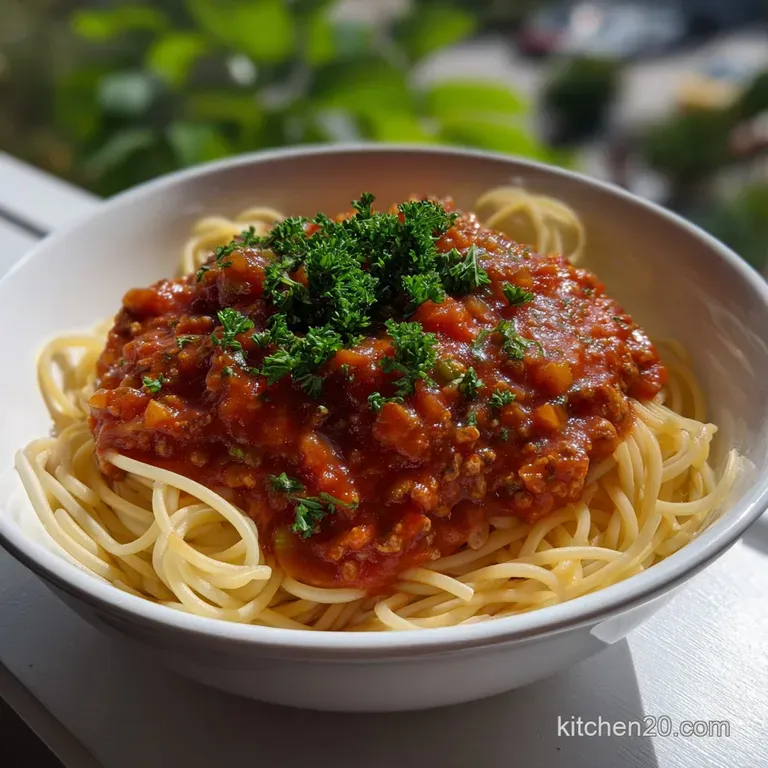
- Effort/Time: 15 minutes prep + 3 hours low-simmering.
- Flavor Hook: Deeply caramelized aromatics meet the bright, sun-ripened sweetness of San Marzano tomatoes.
- Perfect for: Sunday family dinners, large-batch meal prep, or lasagna layers.
- Masterclass Homemade Spaghetti Sauce: Rich and Authentic
- Essential Ingredients for Homemade Spaghetti Sauce
- Step-by-Step Guide to the Perfect Simmer
- Expert Tips and Common Mistakes to Avoid
- Storage and Freezing Guidelines
- Serving Suggestions for Every Occasion
- Final Thoughts on Homemade Spaghetti Sauce
- Recipe FAQs
- 📝 Recipe Card
Masterclass Homemade Spaghetti Sauce: Rich and Authentic
Why This Recipe Works: The Science of Flavor
Stop settling for thin, acidic sauces that pool at the bottom of your plate. Most home cooks fail because they don't give the chemical reactions enough time to occur. This Homemade Spaghetti Sauce relies on three fundamental principles:
- Aromatic Concentration: Grating the carrots and finely dicing the onion increases surface area, accelerating the Maillard reaction during the initial sauté.
- Glutamate Synergy: Combining tomato paste with slow cooked whole tomatoes creates a "glutamate bomb," naturally enhancing the savory profile without excessive salt.
- Alcohol Solubility: Using a dry red wine acts as a solvent, extracting flavor compounds from the tomatoes and herbs that are not water soluble.
- Pectin Breakdown: A 3 hour simmer ensures the pectin in the tomato cell walls fully dissolves, creating a naturally thick, homogenous texture that clings to pasta.
The Science Behind San Marzano Tomatoes
- What They Do
- Act as the structural and flavor foundation of the entire Homemade Spaghetti Sauce.
- The Chemistry
- These tomatoes possess a lower seed count and higher flesh-to-juice ratio than standard Roma varieties, meaning less bitter tannin interference.
- Why This Matters
- High levels of natural sugars and lower acidity result in a sauce that requires less supplemental sweetener and yields a thicker, more robust mouthfeel.
The Chemistry of the Sauté (Soffritto)
- What It Does
- Builds the base savory layer (Umami) and provides natural sweetness through the carrots.
- The Chemistry
- The heat breaks down complex carbohydrates in the yellow onion and carrots into simple sugars, which then undergo caramelization.
- Why This Matters
- This "base" ensures your Homemade Spaghetti Sauce has depth and "bottom notes," preventing it from tasting like plain tomato juice.
Alcohol Soluble Flavor Extraction
- What It Does
- The 1/2 cup dry red wine (Cabernet or Merlot) unlocks hidden nuances in the herbs and tomatoes.
- The Chemistry
- Certain aromatic compounds in dried oregano and tomato skins are hydrophobic but dissolve readily in ethanol.
- Why This Matters
- Deglazing with wine ensures these flavors are distributed throughout the fat (oil) and water (broth) phases of the sauce, resulting in a 3D flavor profile.
Essential Ingredients for Homemade Spaghetti Sauce
The difference between a "good" sauce and a "Masterclass" sauce lies in the specific quality of your inputs. I used to think all olive oils were the same I was wrong. Using a high-quality Lucini Extra Virgin Olive Oil provides a peppery finish that balances the sugar.
The Holy Trinity: Onions, Carrots, and Celery
In Italian cooking, this is the Soffritto. While most recipes just call for onion, the 2 medium carrots (finely grated) are my secret weapon. They provide a natural sweetness that counters the acidity of the 56 oz whole peeled tomatoes.
By grating them on a Microplane Box Grater, they essentially melt into the sauce, providing body without chunks.
Selecting the Right Herbs: Fresh vs. Dried
We use 1 tbsp dried oregano during the simmer and 1/2 cup fresh basil at the very end. Dried Oregano: Robust enough to survive the 3 hour simmer; its oils need heat to "bloom." Fresh Basil: Volatile oils that vanish with heat.
Stirring this in at the end preserves that bright, peppery aroma.
Vinegar and Sugar: Balancing the Natural Acidity
Don't skip the 2 tbsp granulated sugar. It’s not about making the sauce sweet; it’s about chemical balance. If you find your Homemade Spaghetti Sauce still tastes too sharp, a tiny pinch of baking soda can neutralize excess acid, but sugar is the preferred culinary balancer.
Pantry Substitutions and Variations
| Original Ingredient | Substitute | Why It Works |
|---|---|---|
| 1/2 cup Dry Red Wine | 1/2 cup Beef Broth + 1 tsp Balsamic Vinegar | Provides depth and acidity without the alcohol content. |
| 56 oz San Marzano | 56 oz Standard Canned Whole Tomatoes | Similar texture. Note: May require 1 extra tbsp sugar to balance higher acidity. |
| 1/2 cup Fresh Basil | 1 tbsp Dried Basil | Use if fresh is unavailable. Note: Add at the start of the simmer, not the end. |
| 1 cup Beef Broth | 1 cup Chicken Broth or Water | Lighter flavor profile. Note: Chicken broth adds less "meatiness" than beef. |
step-by-step Guide to the Perfect Simmer
Prepare your Lodge 6 Quart Enameled Cast Iron Dutch Oven. The heavy bottom is non-negotiable for a 3 hour simmer; thin pots will scorch the bottom of your Homemade Spaghetti Sauce.
1. Sauté the Aromatics
Heat 1/4 cup extra virgin olive oil over medium heat. Add 1 large yellow onion (finely diced), 2 medium carrots (finely grated), and 1 stalk celery (finely diced). Sauté for 8 10 minutes until the vegetables are soft and translucent.
Note: Slowly sweating the vegetables releases their moisture, allowing sugars to concentrate before the liquids are added.
2. Bloom the Garlic and Spices
Stir in 6 cloves garlic (minced), 1 tbsp dried oregano, and 1 tsp red pepper flakes. Cook for exactly 60 seconds until you smell the garlic. Note: Overcooking garlic beyond 90 seconds introduces a bitter, acrid flavor that can ruin the entire batch.
3. Caramelize the Tomato Paste
Add 6 oz tomato paste to the center of the pot. Stir constantly for 3 5 minutes until the paste turns from bright red to a deep rust color. Note: This is the Maillard reaction in action; caramelizing the paste removes the "raw" metallic taste.
4. Deglaze the Pot
Pour in 1/2 cup dry red wine. Use a wooden spoon to scrape every brown bit (the fond) off the bottom of the pot. Note: The fond contains the most concentrated flavor molecules created during the sauté phase.
5. Crush and Combine
Add 56 oz whole peeled San Marzano tomatoes, 1 cup beef broth, 2 tbsp sugar, and salt/pepper to taste. Use your spoon to gently break the whole tomatoes against the side of the pot. Note: Keeping some chunks allows for varied texture, while the slow simmer eventually breaks them down into a thick slurry.
6. The Low and Slow Simmer
Bring the Homemade Spaghetti Sauce to a very gentle bubble, then reduce heat to the lowest setting. Cover partially with a lid and simmer for 3 hours. Stir every 20 30 minutes.
Note: Evaporation concentrates the sugars and proteins, while the long exposure to heat softens the tomato skins into the sauce.
7. The Finishing Touch
Remove from heat. Stir in 1/2 cup fresh basil (chopped). Taste one last time for salt. Note: Residual heat is enough to wilt the basil and release its aromatic oils without destroying its delicate flavor.
Chef's Note: If you want a restaurant style finish, toss your cooked pasta directly into a skillet with a cup of this sauce and a splash of pasta water. This emulsifies the fats and starches for a velvety coating. This sauce pairs perfectly with my Garlic Butter: Homemade Spread Ready in 5 Minutes spread on toasted sourdough.
Expert Tips and Common Mistakes to Avoid
| Problem | Why It Happens | The Fix | Pro Protocol |
|---|---|---|---|
| Thin/Watery Sauce | Insufficient simmer time or lid was fully closed. | Simmer uncovered for the last 30 mins. | Use a splatter screen to allow steam to escape while containing mess. |
| Bitter Aftertaste | Burnt garlic or under caramelized tomato paste. | Add 1/4 tsp baking soda or extra 1 tsp sugar. | Sauté garlic only until fragrant (60s) and use a heavy bottomed pot. |
| Acidity is Too High | High acid tomatoes or insufficient cooking time. | Add a knob of butter or more grated carrots. | Test pH balance by tasting; fat (butter) coats the tongue and masks acid. |
Common Myths
Myth: You must peel fresh tomatoes to make a good Homemade Spaghetti Sauce. Truth: Using high-quality canned San Marzano tomatoes often yields better results because they are processed at peak ripeness, unlike grocery store "fresh" tomatoes which are often gassed to turn red.
Myth: Sugar in spaghetti sauce is "cheating." Truth: Sugar is a functional ingredient used to balance the pH of tomatoes. Even the best Italian grandmas use a pinch to round out the flavor profile.
Storage and Freezing Guidelines
This Homemade Spaghetti Sauce is a meal prepper’s dream. It actually tastes better on Day 2 because the flavors continue to marry in the fridge.
- Refrigeration: Store in an airtight container for up to 5 days.
- Freezing: This sauce freezes beautifully for up to 6 months. Use heavy duty freezer bags and lay them flat to save space.
- Reheating: Thaw overnight in the fridge. Reheat in a saucepan over medium low heat. If the sauce is too thick, add a tablespoon of water or beef broth to loosen it.
Serving Suggestions for Every Occasion
While this is the "Best Homemade Spaghetti Sauce" for traditional noodles, its versatility is unmatched.
How to Thicken Your Sauce Without Cornstarch
Never use cornstarch in a tomato sauce; it creates a "slimy" texture. To thicken your Homemade Spaghetti Sauce, simply continue simmering with the lid off. The reduction process is the only way to thicken while simultaneously intensifying flavor.
Alternatively, stirring in a handful of grated Parmesan cheese provides both thickness and salt.
Top Pasta Pairings: Beyond Simple Spaghetti
- Rigatoni or Penne: The ridges are perfect for catching the small bits of onion and celery.
- Pappardelle: These wide ribbons hold the heavy, slow simmered sauce excellently.
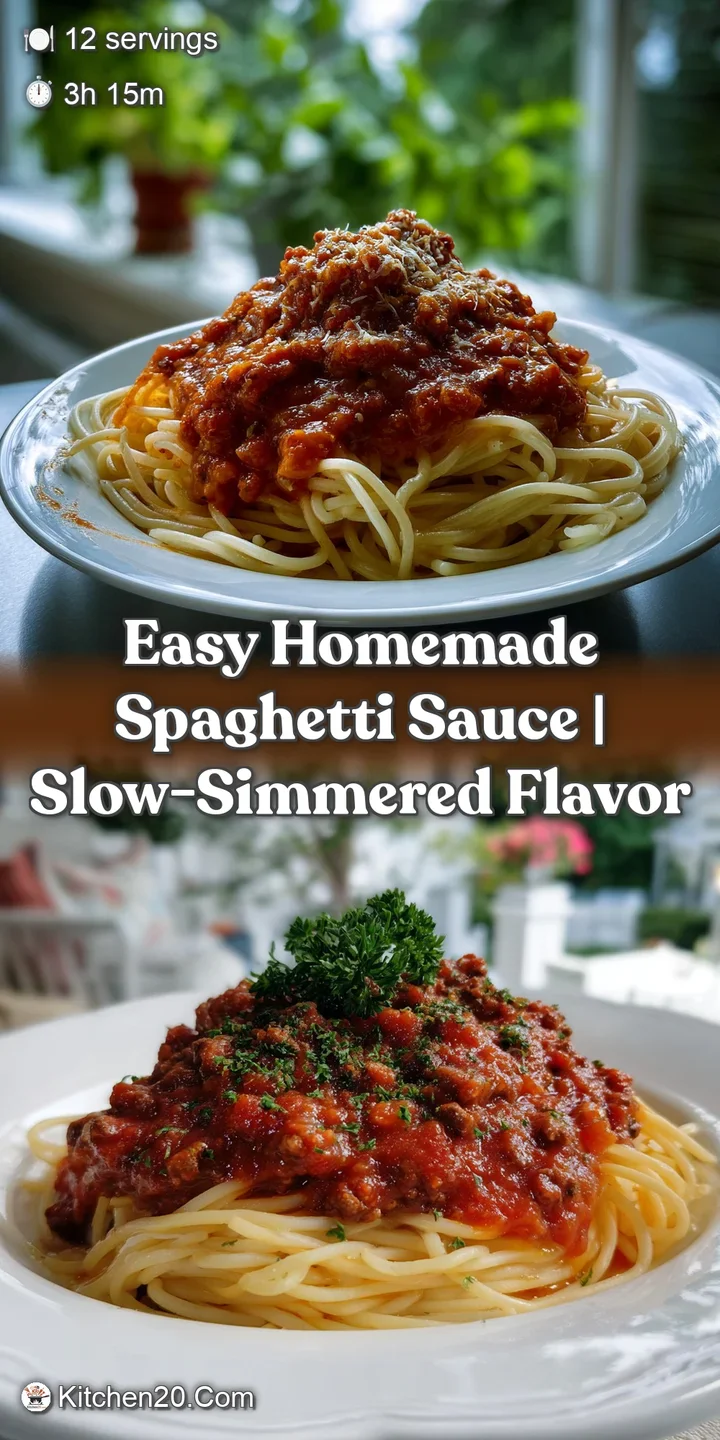
- Lasagna: This recipe provides enough yield (12 servings) for two large pans of lasagna.
For a lighter start to your meal, this sauce pairs perfectly with my Our Favorite Homemade Caesar Salad: Velvety Dressing. The crisp romaine and salty dressing provide a necessary contrast to the rich, warm sauce.
Transforming the Base into a Hearty Meat Sauce
To turn this into a Bolognese style "Spaghetti Meat Sauce Recipe," brown 1 lb of ground beef or Italian sausage in the pot before adding your vegetables. Drain the excess fat, but keep about 1 tbsp in the pan to sauté your onions that fat is liquid gold flavor.
Final Thoughts on Homemade Spaghetti Sauce
Making your own Homemade Spaghetti Sauce is a culinary rite of passage. It teaches patience, heat management, and the importance of ingredient quality. Once you taste the difference that a 3 hour simmer and San Marzano tomatoes make, you'll never look at a jarred sauce the same way again.
Trust the process, keep the heat low, and let the science of slow cooking do the work for you. Let's crack on and get that pot simmering!
Recipe FAQs
Why does my sauce taste metallic or acidic?
Proper browning of aromatics eliminates the metallic taste. The slow simmer process allows complex Maillard reactions to finish, developing depth while acidic compounds mellow via controlled evaporation. This process improves vastly upon quick alternatives like Homemade Ketchup: The Best Rich, Spiced Classic Recipe.
- Sauté onions past translucent
- Add tomato paste and cook for two minutes
- Always use high-quality crushed tomatoes
Should I use fresh or dried herbs?
Dried herbs provide robust flavor infusion during long simmering. Fresh herbs release volatile oils too quickly during hours of heat, resulting in a lighter profile. Use dried oregano and bay leaves, reserving fresh basil for finishing.
Can I make this sauce vegetarian without sacrificing richness?
Yes, umami depth replaces meat essence successfully. Mushrooms or roasted red peppers deepen savoriness, mimicking the long cooked meat notes. This transformation is similar to achieving depth in recipes like Pistachio Butter: Make Luxurious, Silky Homemade Nut Butter using different base ingredients.
What is the purpose of adding a pinch of sugar?
Sugar balances unavoidable tomato acidity. It does not sweeten the final product significantly; rather, it buffers the sharp, bright notes inherent in canned tomatoes. It is purely for palate neutralization.
Is a slow, low simmer absolutely necessary?
Yes, texture and flavor demand low, slow reduction. Boiling causes the sauce’s water and fat components to separate, resulting in a thin, grainy texture instead of a velvety mouthfeel. Rapid boiling evaporates too quickly, leaving harsh, underdeveloped flavors.
Should I blend the sauce for a smooth finish?
Optional, based on desired consistency preference. Immersion blending maximizes emulsion stability, creating a uniform texture often seen in commercial sauces. If blending, wait until the residual heat is much lower.
Myth: A quick boil integrates flavors faster.
Myth: A quick boil integrates flavors faster. Reality: Rapid boiling causes water to flash off before flavor compounds can fully meld with the fats, leading to a flat taste profile.
Homemade Spaghetti Sauce Masterpiece
Ingredients:
Instructions:
Nutrition Facts:
| Calories | 118 kcal |
|---|---|
| Protein | 2.6 g |
| Fat | 5.1 g |
| Carbs | 14.2 g |
| Fiber | 3.1 g |
| Sugar | 8.4 g |
| Sodium | 425 mg |
