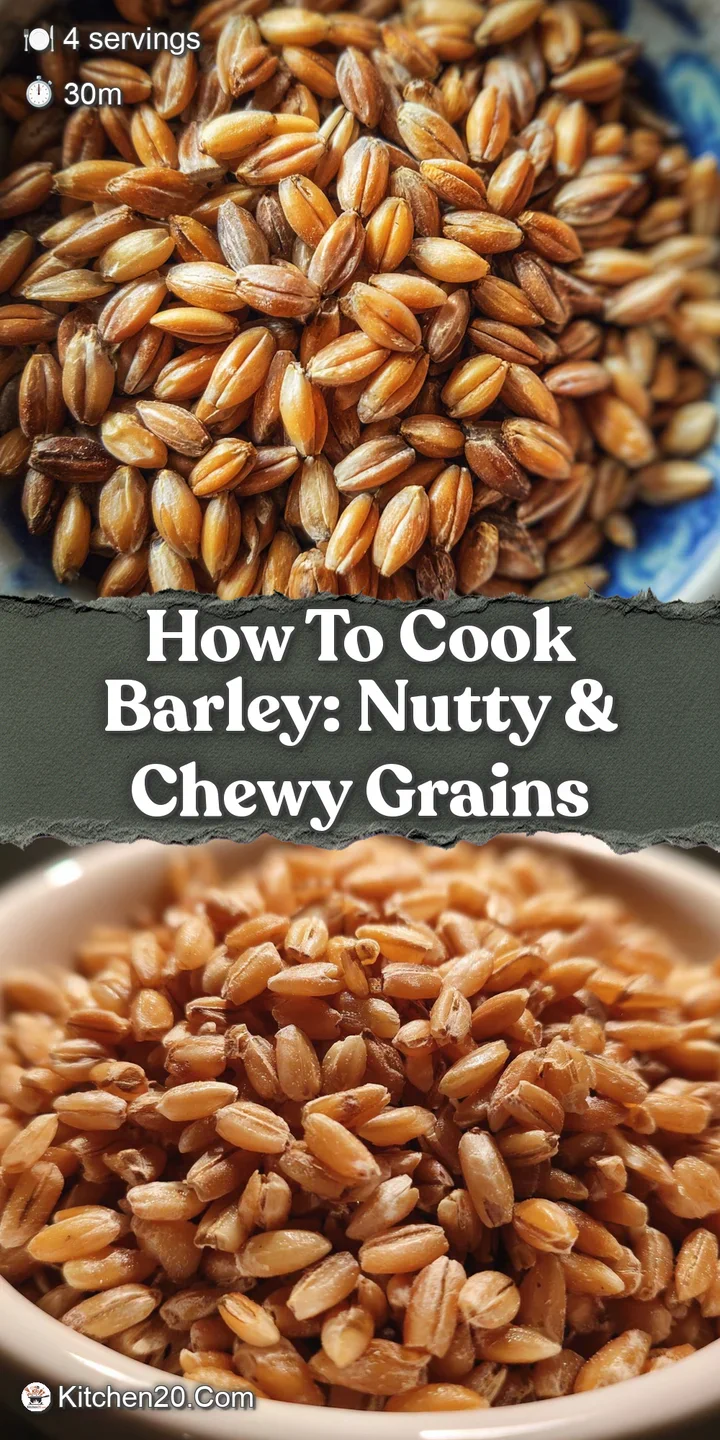
How to Cook Barley: Nutty & Chewy Grains
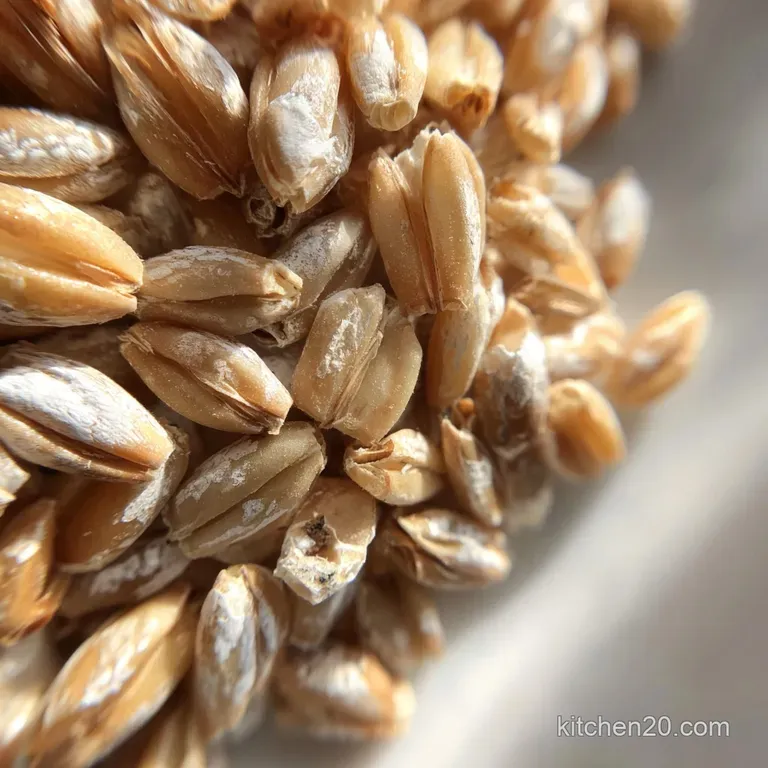
- Time: Active 5 minutes, Passive 25 minutes, Total 30 minutes
- Flavor/Texture Hook: Nutty, toasted aroma with a firm, chewy bite
- Perfect for: Batch cooking, grain bowls, or a hearty soup foundation
- Learn the Best Way for How to Cook Barley
- The Molecular Magic of Slow Hydration
- Core Specifications for Your Culinary Success
- Components for a Nutty Flavor Profile
- Essential Tools for Your Kitchen Platform
- Step-by-Step Guide to Tender Results
- Solving Common Textural Issues Effortlessly
- Flavor Variations and Ingredient Substitutions
- Preservation and Smart Waste Reduction
- Ideating the Best Table Pairings
- Kitchen Myths
- Recipe FAQs
- 📝 Recipe Card
Learn the Best Way for How to Cook Barley
The first time I really understood the soul of this grain was a rainy Tuesday when I ran out of Arborio rice for a risotto. I stood in my pantry, staring at a jar of pearl barley, and decided to treat it with the same respect I’d give a high end Carnaroli.
As the grains hit the warm oil in my skillet, a scent like toasted hazelnuts and fresh earth filled the kitchen. It wasn't just a backup plan; it was a revelation of texture that changed my entire approach to pantry staples.
Honestly, most people treat this grain like an afterthought, tossing it into boiling water until it’s a bloated, flavorless mass. We've all been there, right? But once you realize that barley is basically the "connective tissue" of a great meal, revolutionizing how you think about fiber rich sides, you’ll never go back to plain white rice.
It has this incredible ability to hold its shape while absorbing every drop of flavor you throw at it.
We're going to focus on a method that ensures every grain is individual and plump. Whether you’re looking for a quick barley recipe for a weeknight or a solid foundation for a hulled barley recipe, the technique is the same. We want to avoid the "glue factor" at all costs.
This isn’t just about boiling; it’s about controlled hydration and a little bit of heat driven chemistry to keep things interesting.
The Molecular Magic of Slow Hydration
Starch Retrogradation: Cooling the cooked grain slightly after the simmer allows the starches to realign, creating a firmer, more distinct chew that won't turn to mush in your bowl.
The Maillard Effect: Sautéing the dry grains in oil before adding liquid creates a toasted exterior that prevents the grains from sticking together while deepening the overall flavor profile.
| Method | Time | Texture | Best For |
|---|---|---|---|
| Stovetop (Classic) | 25-30 minutes | Firm, distinct grains | Salads and grain bowls |
| Instant Pot | 20 minutes | Softer, more tender | Risotto style dishes |
| Slow Cooker | 3-4 hours | Very soft, velvety | Thick stews and porridges |
The stovetop method is our platform for success today because it gives you the most control over the final "bite." If you’re wondering how to cook barley in instant pot, the ratio usually shifts to 1:2, but for our stove bound pearl barley, we want that extra liquid to ensure even cooking without a scorched
bottom.
Core Specifications for Your Culinary Success
| Ingredient | Science Role | Pro Secret |
|---|---|---|
| Pearl Barley | Structural Base | Use "pearl" for faster cooking; "hulled" for maximum fiber and a 50 minute simmer time. |
| Extra Virgin Olive Oil | Heat Transfer | Coating the grain in fat prevents surface starches from hydrating too quickly and clumping. |
| Sea Salt | Protein Strengthening | Seasoning the water early ensures the salt penetrates the center of the grain, not just the surface. |
This recipe serves 4 people and scales beautifully for meal prep. If you're planning a big Sunday dinner, you can easily double the quantities. Just make sure your pot is large enough so the grains aren't cramped, much like how you'd leave space when making a Roasted Fingerling Potatoes recipe.
Components for a Nutty Flavor Profile
- 1 cup (200g) Pearl Barley: Why this? Polished to remove the outer bran, it cooks quickly while staying tender.
- Substitute: Hulled barley (increase cook time to 50 mins)
- 3 cups (710ml) Filtered water: Why this? Provides enough volume for the grains to dance and hydrate fully.
- Substitute: Low sodium chicken or vegetable broth
- 1 tbsp Extra virgin olive oil: Why this? Essential for the toasting phase and preventing a "gluey" texture.
- Substitute: Unsalted butter or avocado oil
- 0.5 tsp Sea salt: Why this? Sharpens the earthy notes of the grain.
- Substitute: Kosher salt (use 1 tsp)
- 1 bay leaf: Why this? Adds a subtle, herbal aromatic layer that cuts through the starch.
- Substitute: A sprig of fresh thyme
Essential Tools for Your Kitchen Platform
You don't need a high tech lab to get this right. A heavy bottomed saucepan is your best friend here. I personally use a 2 quart stainless steel pot because it distributes heat evenly, preventing those annoying hot spots that lead to burnt grains. You'll also need a fine mesh strainer.
Don't skip the rinsing step; we need to wash away the excess surface starch that makes the water cloudy and the final dish sticky.
A tight fitting lid is the other non negotiable. If the steam escapes, your ratios will go off, and you'll end up with undercooked "pebbles" in the center. If your lid is a bit loose, place a clean kitchen towel between the pot and the lid (just be careful with gas flames!) to create a better seal. It's a trick I often use when I'm steaming vegetables or making my Oven Spaghetti Squash recipe.
step-by-step Guide to Tender Results
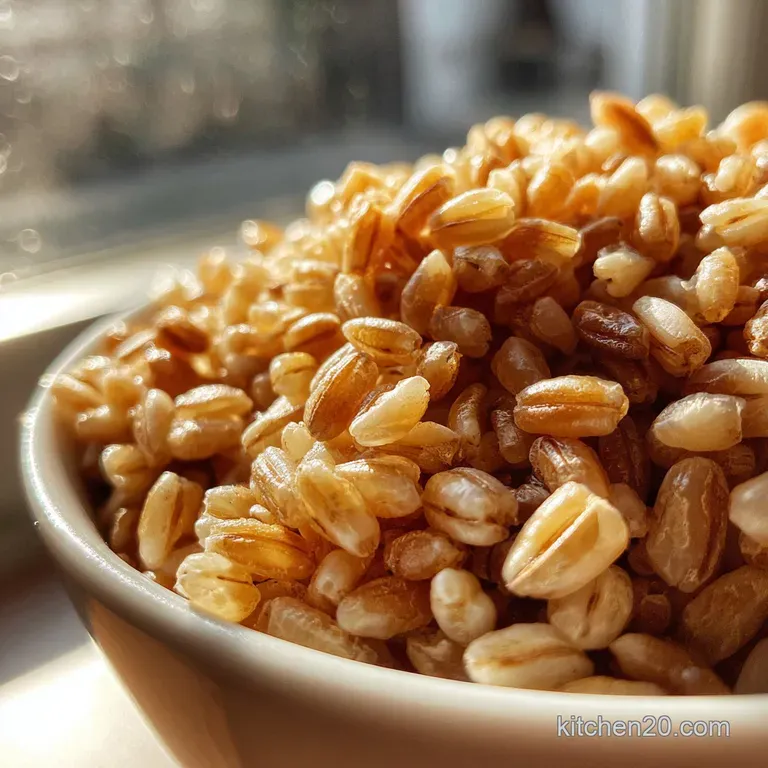
- Rinse the barley. Place the 1 cup Pearl Barley in a fine mesh strainer and run under cold water until the water runs clear. Note: This removes dusty surface starches.
- Heat the oil. Add 1 tbsp Extra virgin olive oil to a saucepan over medium heat until it shimmers slightly.
- Toast the grains. Add the rinsed barley to the pot. Stir constantly for 3 minutes until a nutty aroma fills the air.
- Add liquid. Carefully pour in 3 cups Filtered water. Note: It will hiss and sizzle, so stand back.
- Season. Add 0.5 tsp Sea salt and the bay leaf. Stir once to combine.
- Boil and reduce. Bring the mixture to a rolling boil, then immediately turn the heat to the lowest setting.
- Simmer covered. Place the lid on tightly and cook for 25 minutes until the liquid is mostly absorbed.
- Check doneness. The grain should be tender but still have a firm "bite" in the center.
- The steam finish. Turn off the heat. Let the pot sit, covered, for 5 minutes. Note: This allows the moisture to redistribute.
- Fluff. Use a fork to gently separate the grains until light and airy.
Solving Common Textural Issues Effortlessly
Why Your Barley Is Gummy
If your grains are sticking together in a clump, it's usually because there was too much surface starch or you stirred it too much while it simmered. Stirring releases starch into the water, basically creating a thick paste. Leave the lid on and let the steam do the work.
Why Your Barley Is Crunchy
When the grains are still hard after 25 minutes, you likely had too much steam escape from the pot. This happens with poor fitting lids or if the heat was just a touch too high, causing the water to evaporate before the grain could hydrate.
| Problem | Root Cause | Solution |
|---|---|---|
| Watery Pot | Too much liquid used | Drain the excess in a colander; don't keep boiling or it will overcook. |
| Scorched Bottom | Heat was too high | Use a heavy bottomed pot and the lowest simmer setting next time. |
| Bland Flavor | Lack of seasoning | Add salt to the boiling water, not just at the end. |
Common Mistakes Checklist ✓ Never skip the rinse - that cloudy water is the enemy of fluffy grains. ✓ Don't peek! Lifting the lid lets out the crucial steam needed for even cooking. ✓ Use a fork, not a spoon, to fluff the grains to avoid mashing them.
✓ Pat the grains dry after rinsing if you want a truly deep toast in the oil. ✓ Wait 5 minutes before serving to let the "carry over" steam finish the centers.
Flavor Variations and Ingredient Substitutions
If you're wondering how to cook barley in soup, the trick is to cook it separately and add it at the end, or increase your broth by 2 cups if cooking directly in the pot. This prevents the barley from sucking up all your delicious soup liquid and turning the whole thing into a stew.
For an easy barley recipe with a Mediterranean twist, swap the water for chicken stock and stir in some lemon zest and fresh parsley at the end.
The "Golden" Barley Water Recipe
Don't throw away that cooking liquid! If you drain the barley rather than letting it absorb all the water, you've got the base for a classic barley water. It's an old school wellness drink. Just simmer 1 cup of barley with 6 cups of water and a lemon peel, strain, and sweeten with honey.
It’s a connected way to ensure zero waste in your kitchen platform.
Quick Decision Guide
- If you want a salad base: Cook the barley on stove until "al dente," then rinse with cold water to stop the cooking.
- If you want a creamy side: Stir the barley occasionally during the last 5 minutes of simmering to release some starch.
- If you want a "superfood" boost: Try a hulled barley recipe, which keeps the bran intact but requires an extra 20 minutes of simmering.
Preservation and Smart Waste Reduction
To store your cooked barley, spread it out on a baking sheet to cool quickly before transferring it to an airtight container. It will stay fresh in the fridge for up to 5 days. It's a masterclass in meal prep; you can toss a handful into any salad or use it to bulk up a stir fry throughout the week.
Freezing is also a brilliant option. I like to freeze barley in 1 cup portions in freezer safe bags. They’ll last for 3 months. To reheat, just add a splash of water or broth and microwave for 2 minutes or toss directly into a simmering soup.
Speaking of waste, if you have leftover herbs from another dish, chop them up and fold them into the warm grain it's the best way to use up those wilted stems.
Ideating the Best Table Pairings
Barley’s earthy, nutty profile makes it a natural partner for roasted root vegetables or grilled proteins. It acts as a velvety sponge for sauces, making it a great alternative to mashed potatoes. I love serving it alongside a roast chicken where the juices can mingle with the grains.
If you’re looking for a connected meal plan, this barley pairs beautifully with a Turkey Brine Recipe for a holiday spread that feels both traditional and updated. The chewy texture of the grain provides a fantastic contrast to the tender, juicy meat. It’s all about creating a balance of textures on the plate that keeps your guests coming back for another scoop.
Kitchen Myths
One big misconception is that you have to soak barley overnight. While soaking can reduce the cook time of hulled barley slightly, it’s absolutely not necessary for pearl barley. In fact, soaking can sometimes lead to a "mushier" result because the grain starts to break down before it even hits the heat.
Another myth is that barley is "just for soup." That’s like saying flour is just for bread! It is a incredibly versatile platform for flavor. Use it in place of oatmeal for a savory breakfast bowl with a fried egg, or toast it extra long to use as a crunchy topping for yogurt.
Revolutionizing your pantry starts with seeing these grains as more than just a filler.
Recipe FAQs
What is the best method for cooking barley?
Toasting and simmering is best. Toasting the barley in oil before adding liquid unlocks a nutty flavor and prevents grains from sticking. Then, simmer covered on low heat until tender.
How long does it take to boil barley?
About 25-30 minutes for pearl barley. After bringing to a boil, reduce heat, cover, and simmer until tender and most liquid is absorbed. A 5-minute rest period is crucial.
Is barley healthier than rice?
Generally, yes. Barley is higher in fiber and certain nutrients like selenium and manganese compared to white rice. It also has a lower glycemic index, which can be beneficial for blood sugar control.
Does barley need to be soaked before using?
No, soaking is not strictly necessary, especially for pearl barley. While soaking hulled barley can slightly reduce cooking time, pearl barley cooks perfectly well without soaking and benefits from the toasting step described in our method.
How do I prevent barley from becoming gummy?
Rinse thoroughly and avoid over stirring. Rinsing removes excess starch that causes gumminess. Once simmering, resist the urge to stir frequently, as this also releases starch.
Can I cook barley in advance for meal prep?
Yes, cooked barley stores well. Cool it completely, then refrigerate in an airtight container for up to 5 days. It’s a great base for salads or bowls, similar to how you might prepare grains for a Green Bean Casserole: Homemade Wild Mushroom Cream Crispy Shallots.
What’s the best liquid to cook barley in?
Water is standard, but broth adds flavor. For a richer taste, you can substitute water with low-sodium vegetable or chicken broth. This adds another layer of savory depth, much like the base in a Ranch Dressing: Creamy, Tangy Homemade Recipe in Minutes.
How To Cook Barley
Ingredients:
Instructions:
Nutrition Facts:
| Calories | 206 kcal |
|---|---|
| Protein | 5g |
| Fat | 4g |
| Carbs | 39g |
| Fiber | 8g |
| Sugar | 0.4g |
| Sodium | 288mg |
