How to Cook Flank Steak: Pan-Seared
- Time: Active 15 minutes, Passive 2 hours, Total 25 minutes
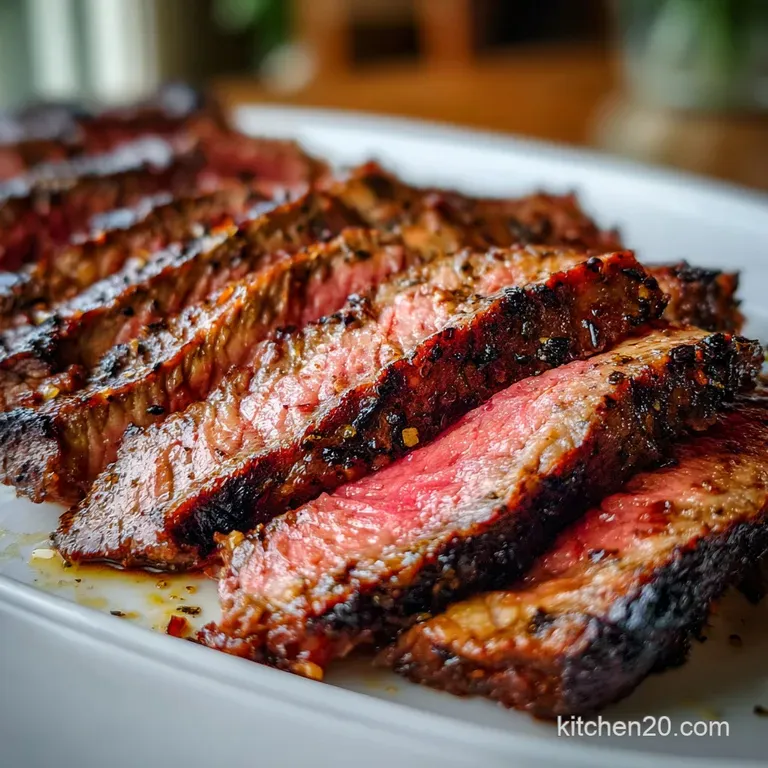
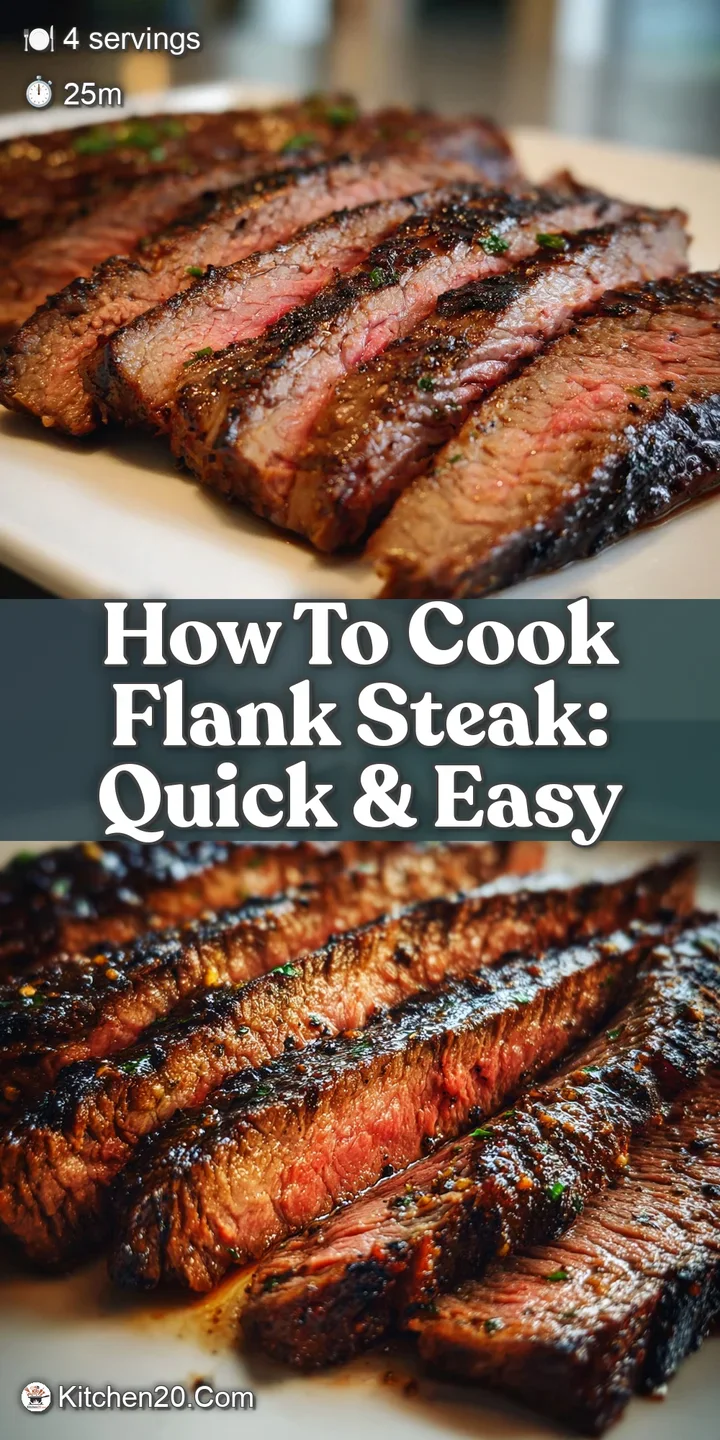
- Flavor/Texture Hook: A mahogany crust giving way to a velvety, pink, and juicy center.
- Perfect for: High protein meal prep or an impressive weekend dinner for guests.
The sound of a cold steak hitting a ripping hot cast iron skillet is my favorite kitchen soundtrack. That immediate hiss, followed by the intoxicating aroma of caramelizing sugars and searing garlic, tells me something incredible is happening.
I remember my first apartment where I constantly set off the smoke alarm trying to get the temperature right, but those smoky, charred edges were always worth the minor panic.
We have all been there with this specific cut - you either get it perfectly tender or you feel like you are chewing on a leather belt. The trick is not just in the heat, though that is a major factor, it is about the chemistry you build before the meat even touches the pan.
This approach is more than just a recipe, it is a platform for revolutionizing how you handle lean, fibrous proteins.
I am sharing the exact routine I use now, which involves a balanced marinade and a finishing butter baste that changes the entire experience. You do not need a fancy backyard setup or an expensive grill to master this.
We are going to use simple tools and smart techniques to get results that look and taste like they came off a high end menu.
Critical Recipe Specs
Understanding the thermodynamics of lean meat is essential for success. Flank steak is unique because it is a single, long muscle with a very coarse grain. This means it responds quickly to heat but can also lose moisture faster than a fattier cut like a rib eye.
By monitoring specific numeric checkpoints, we can ensure the meat stays succulent rather than becoming dry and stringy.
The science of the sear relies on the Maillard reaction, a chemical dance between amino acids and reducing sugars. To make this happen efficiently, the surface of the meat must be as dry as possible.
Any moisture on the steak will turn to steam, which prevents the temperature from rising high enough to create that beautiful crust. We are aiming for a specific internal temperature that accounts for carryover cooking during the rest.
Denaturing Proteins with Acid
Using balsamic vinegar in our marinade does more than just add a tangy kick. The acid works to break down the tightly wound protein strands on the surface of the meat. This softening process allows the other flavors, like the ginger and garlic, to penetrate deeper into the muscle.
Just be careful not to marinate for more than 24 hours, or the acid will turn the texture mushy.
Exploiting the Maillard Reaction
The brown sugar in this recipe is not just for sweetness; it acts as a catalyst for browning. Since we are cooking the steak quickly over high heat, the sugar helps the exterior reach that deep mahogany color before the inside overcooks.
This creates a "shatter" effect where the outside has a slight crunch that contrasts with the tender interior.
Defeating the Muscle Fibers
Because the fibers in a flank steak are so thick and visible, they are easy to navigate once you know what to look for. Slicing with the grain leaves those long fibers intact, making the meat nearly impossible to chew.
By slicing against the grain, you are essentially pre chewing the meat with your knife, creating short, easy to eat segments that melt in your mouth.
| Thickness | Internal Temp | Rest Time | Visual Cue |
|---|---|---|---|
| 3/4 inch | 130°F | 8 minutes | Deep pink throughout |
| 1 inch | 135°F | 10 minutes | Light pink center |
| 1.5 inches | 140°F | 12 minutes | Mostly grey with pink strip |
If you love a more marbled, fatty cut that handles high heat differently, my Grilled Rib Eye Steak recipe is another great project to try. While the flank steak relies on a marinade for tenderness, the rib eye relies on its internal fat content. Both are fantastic, but they require different approaches to heat management.
Key Ingredients and Flavors
Choosing the right components is the first step in building a complex flavor profile. We are looking for a balance of salt, acid, fat, and heat. Each ingredient in our list serves a specific functional purpose beyond just tasting good.
For example, using a high smoke point oil like avocado oil allows us to get the pan screaming hot without filling the house with acrid blue smoke.
| Ingredient | Science Role | Pro Secret |
|---|---|---|
| Balsamic Vinegar | Acid Catalyst | Softens outer fibers quickly |
| Fresh Ginger | Protease Enzyme | Best natural meat tenderizer |
| Brown Sugar | Surface Browning | Creates the "shatter" crust |
| Soy Sauce | Umami / Salt | Seasons deep into the muscle |
For the Signature Flank Steak Marinade
The base of our flavor platform is a mixture of balsamic vinegar, olive oil, garlic, and ginger. This combination creates an emulsion that clings to the meat. The ginger is particularly important because it contains an enzyme called zingibain, which is naturally effective at tenderizing beef.
We also add soy sauce for a salty depth that table salt alone cannot provide.
For the Perfect Sear
When it comes time to actually cook, the avocado oil and unsalted butter are your best friends. The oil handles the initial high temperature contact, while the butter is added at the end for "arrosé," or butter basting.
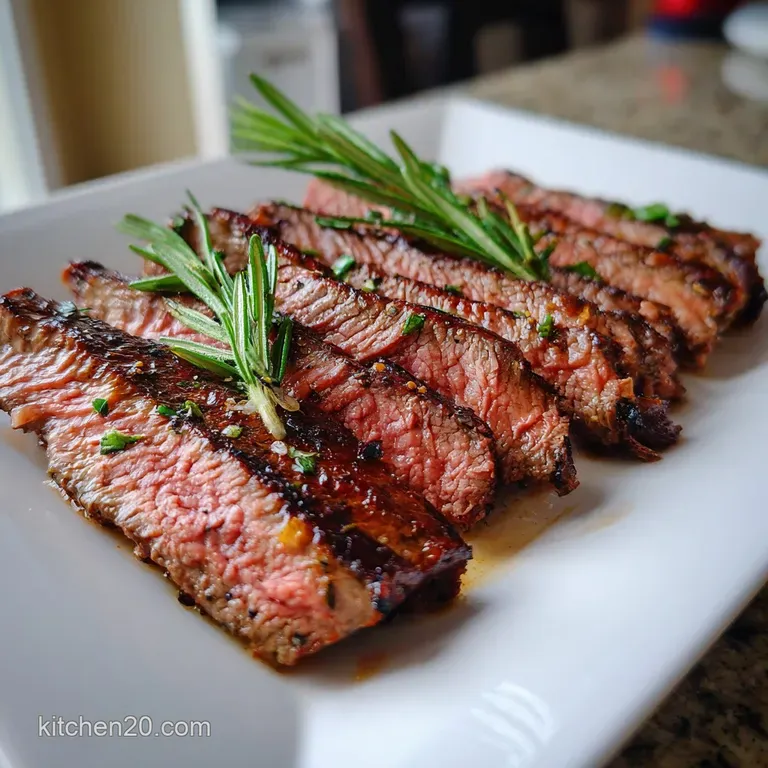
This technique involves spooning the foaming, rosemary scented butter over the meat, which adds a velvety finish and a nutty aroma that is simply irresistible.
Essential Kitchen Gear
You do not need a kitchen full of gadgets, but a few specific items will make your life much easier. A heavy bottomed skillet is the most important tool in your arsenal. Cast iron is the gold standard here because it retains heat exceptionally well.
When you drop a cold piece of meat into a cast iron pan, the temperature does not plummet, ensuring a consistent and rapid sear.
A reliable digital meat thermometer is also non negotiable. Cooking by "feel" or by time is a gamble that usually ends in heartbreak. Since flank steak can go from medium rare to overdone in just sixty seconds, having a precise reading of the internal temperature is the only way to guarantee success every single time.
- Cast Iron Skillet: For superior heat retention and crust development.
- Digital Thermometer: To hit that exact 130°F to 135°F sweet spot.
- Tongs: To flip the meat without piercing the surface and losing juices.
- Sharp Chef's Knife: Essential for making those thin, against the-grain slices.
Chef's Tip: Freeze your butter for 10 minutes before adding it to the pan. This allows it to melt more slowly, giving you more time to baste the steak without the milk solids burning too quickly.
step-by-step Instructions
- Whisk the marinade. In a bowl, combine 1/4 cup balsamic vinegar, 1/3 cup olive oil, 4 cloves minced garlic, 1 tbsp grated ginger, 2 tbsp soy sauce, 1 tbsp brown sugar, 1 tsp black pepper, and 1/2 tsp kosher salt. Note: Mixing well ensures the sugar is fully dissolved for even browning.
- Prepare the steak. Pat the 1.5 lbs flank steak bone dry with paper towels on both sides. Note: Removing surface moisture is the secret to a professional sear.
- Marinate the meat. Place the steak in a large resealable bag, pour in the marinade, and refrigerate for at least 2 hours.
- Tempering. Remove the steak from the fridge 30 minutes before cooking to take the chill off.
- Heat the pan. Add 1 tbsp avocado oil to a cast iron skillet over high heat until it starts to smoke slightly.
- Start the sear. Place the steak in the pan and press down with tongs to ensure total contact.
- Cook the first side. Let it sit undisturbed for 4 minutes until a dark, mahogany crust forms.
- Flip and finish. Flip the steak and immediately add 2 tbsp unsalted butter and the sprig of fresh rosemary.
- Baste the meat. Tilt the pan and spoon the foaming butter over the steak for another 3 to 4 minutes until the aroma is nutty and fragrant.
- Check doneness. Remove the steak when the thermometer hits 130°F for medium rare.
- Rest. Let the meat sit on a cutting board for 10 minutes until the juices settle.
- Slice correctly. Identify the grain and slice thinly across it at a slight angle.
This steak goes beautifully with my Oven Spaghetti Squash recipe if you are looking for a light, low carb side dish. The tender strands of squash soak up any extra rosemary butter from the steak perfectly.
Solving Common Texture Issues
Even with the best intentions, things can sometimes go sideways in the kitchen. The most common complaint with flank steak is that it feels "chewy." This is almost always a result of either the cooking temperature or the way the meat was sliced.
If your steak looks grey and unappealing, it means the pan was not hot enough, or the meat was too wet when it went in.
Why Your Steak is Tough
If you find yourself struggling to chew, look at the direction of your slices. If you see long fibers running the length of your piece of meat, you have sliced with the grain. Next time, turn the steak 90 degrees and cut across those lines. This creates shorter muscle fibers that break apart easily.
Fixing a Lack of Crust
A weak, pale crust is usually caused by overcrowding the pan or not letting it preheat long enough. If you are cooking more than one steak, do it in batches. When you put too much cold meat in the pan at once, the temperature drops and the meat starts to boil in its own juices rather than searing.
| Problem | Root Cause | Solution |
|---|---|---|
| Tough Texture | Sliced with the grain | Cut perpendicular to muscle fibers |
| No Crust | Pan wasn't hot enough | Wait for oil to smoke before adding meat |
| Dry Meat | Overcooked / No rest | Pull at 130°F and rest for 10 minutes |
✓ Pat meat completely dry before searing (prevents steaming) ✓ Preheat your cast iron pan for 3 to 5 full minutes ✓ Use a high smoke point oil like avocado or grapeseed ✓ Never skip the resting period - it is where the juiciness happens ✓ Slice against the grain at a 45 degree angle
for maximum tenderness
Dietary and Health Swaps
This recipe is naturally quite healthy, but there are always ways to adjust it to fit your specific lifestyle. For those following a Paleo or Whole30 diet, the brown sugar can be omitted, though you may need to cook the steak a minute longer on each side to achieve the same level of browning.
You can also swap the soy sauce for coconut aminos to keep it soy free.
| Original Ingredient | Substitute | Why It Works |
|---|---|---|
| Soy Sauce | Coconut Aminos | Lower sodium and soy free. Note: Slightly sweeter than soy. |
| Brown Sugar | Honey or Maple | Natural sweetener. Note: Will burn faster; watch the heat. |
| Unsalted Butter | Ghee | dairy-free and has a higher smoke point. |
Scaling this recipe is straightforward. If you are cooking for a larger crowd, you can easily double the marinade. However, do not try to squeeze two 1.5 lbs flank steaks into one standard skillet. Work in batches to maintain that high heat.
If you find you have extra steak, it makes an incredible base for steak salad or breakfast hash the next morning.
Storage and Waste Tips
Proper storage is the key to enjoying your hard work for more than one meal. If you have leftovers, wrap them tightly in foil or place them in an airtight container. They will stay fresh in the fridge for up to 3 days.
When reheating, do it gently in a pan over low heat with a splash of beef broth to prevent the meat from becoming rubbery.
- Freezing: You can freeze the marinated (raw) steak for up to 2 months. This is a great way to meal prep. Just thaw it in the fridge overnight before cooking.
- Zero Waste: Do not discard the rosemary infused butter left in the pan! Pour it over roasted potatoes or use it to sauté some mushrooms.
- Bones and Scraps: While flank is boneless, any fatty trim can be rendered down to make a delicious beef tallow for future frying.
For a deeper dipping experience or to dress up your leftovers, try making an Au Jus recipe to serve alongside. It adds a professional touch and keeps the meat incredibly moist during a second serving.
Plating and Serving Styles
The way you present your flank steak can change the entire vibe of the meal. Because this cut is so long and flat, it is practically built for beautiful presentation. Always slice it just before serving to keep the meat from cooling down too quickly and to show off that perfect medium rare center.
| Plating Level | Key Tweak | Impact |
|---|---|---|
| Simple | Sliced on a board | Casual, family style feel |
| Polished | Fanned on a platter | Elegant and organized look |
| Restaurant | Vertical stack | Adds height and "wow" factor |
Simple Style
For a relaxed family dinner, I like to serve the steak right on a large wooden cutting board. I scatter some flaky sea salt over the top and let everyone grab what they want. It feels rustic and connected, emphasizing the quality of the meat over fancy garnishes.
Polished Style
If I am hosting a dinner party, I fan the slices out on a wide, white ceramic platter. I then take the remaining rosemary butter from the pan and drizzle it right down the center of the meat. This creates a shimmering finish that looks absolutely professional.
Restaurant Style
To go all out, serve the steak over a bed of pureed cauliflower or creamy polenta. Stack the slices slightly on top of each other to create height, then garnish with microgreens or a few fresh rosemary leaves. This approach is about revolutionizing the plate and making the steak the undeniable star of the show.
Regardless of how you serve it, the most important thing is the connection you feel sharing a meal you have mastered. Cooking is about more than just food; it is about the platform we build for our community and friends. Enjoy the process, enjoy the sizzle, and most importantly, enjoy every tender bite.
Recipe FAQs
What is the best way to cook flank steak?
Sear it hot and fast after marinating. Marinate flank steak for at least 2 hours in an acidic mixture (like balsamic vinegar and soy sauce) to tenderize, then sear it in a very hot cast iron skillet for about 4 minutes per side until medium rare.
Resting and slicing against the grain are crucial for tenderness.
Does flank steak get tender the longer you cook it?
No, quite the opposite for flank steak. Overcooking flank steak will quickly make it tough and dry because it's a lean cut. Aim for medium rare (around 130-135°F internal temperature) for the best tender texture.
What are the common mistakes when cooking flank steak?
Slicing with the grain and overcooking are the biggest culprits. If you slice flank steak parallel to the muscle fibers, it will be chewy. Always slice thinly against the grain. Also, avoid cooking it past medium rare to retain its juiciness.
What is the 3-3-3 rule for steaks?
This rule is for steaks that are typically thicker and fattier, not flank steak. The 3-3-3 rule generally refers to 3 minutes per side for searing, 3 minutes resting, and 3 minutes total for thinner cuts.
Flank steak requires a different, more precise approach due to its lean nature and grain structure.
How do I ensure my flank steak has a good crust?
Get your pan smoking hot and pat the steak dry. Use a high smoke point oil like avocado oil in a cast iron skillet heated over high heat until it just begins to smoke. Ensure the steak's surface is completely dry before placing it in the pan; any moisture will steam instead of sear.
Can I marinate flank steak overnight?
Yes, but be cautious with acidic marinades. While marinating overnight can build flavor, a marinade with strong acids (like vinegar or citrus) can start to "cook" the steak, making the texture mushy if left too long. 2-8 hours is generally ideal for most flank steak marinades.
What side dishes pair well with flank steak?
Simple, fresh sides complement flank steak well. Consider a bright salad, roasted vegetables like Roasted Red Peppers: The Essential Silky Sweet Technique, or creamy mashed potatoes. The key is to not overpower the steak's flavor.
How To Cook Flank Steak

Ingredients:
Instructions:
Nutrition Facts:
| Calories | 372 kcal |
|---|---|
| Protein | 36 g |
| Fat | 24 g |
| Carbs | 3 g |
| Fiber | 0.2 g |
| Sugar | 2 g |
| Sodium | 580 mg |
