Turkey Burgers: the Great British Juicy Flavorful Recipe
- Mastering the Moist Turkey Burger: Say Goodbye to Dryness
- The Culinary Science: Why These Turkey Burgers Are So Succulent
- Essential Ingredients for Superior Turkey Burgers
- Step-by-Step: Forming and Cooking Your Perfect Turkey Patties
- Troubleshooting and Pro Tips for Flawless Results
- Preparation and Preservation: Storing Cooked and Raw Turkey Burgers
- Elevated Pairings: What to Serve Alongside Your Turkey Burgers
- Recipe FAQs
- 📝 Recipe Card
Mastering the Moist Turkey Burger: Say Goodbye to Dryness
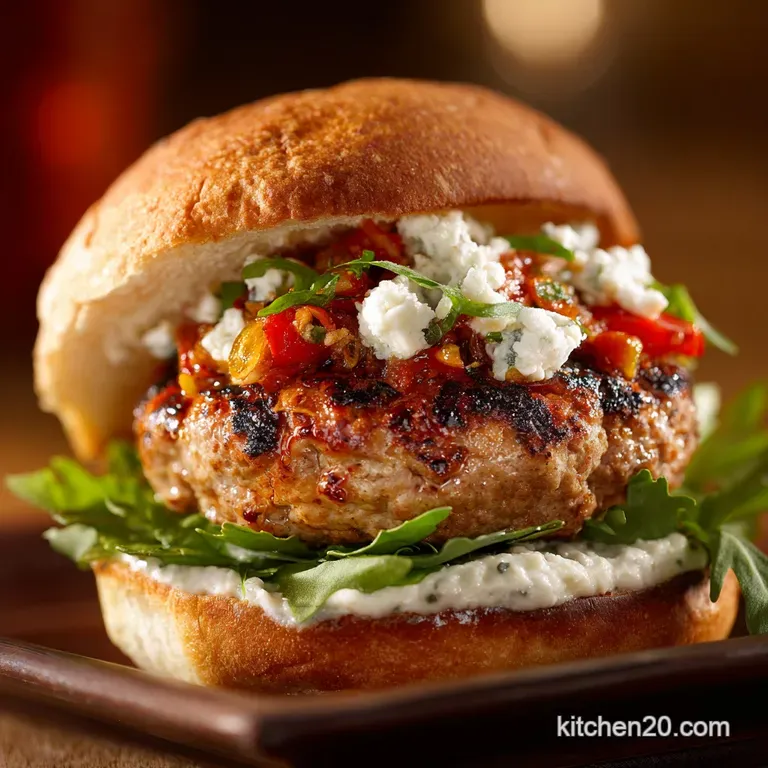
The sizzle hitting the hot pan is one of the best kitchen sounds, right? That deep, savory aroma of paprika and herbs filling your kitchen instantly signals that tonight is going to be seriously delicious. We are talking about juicy, substantial turkey burgers that taste like they came straight from a proper pub grill.
I know, I know. Turkey burgers often get a bad rap; they can be dry, chalky, and frankly, a bit sad. But when you nail the technique, turkey burgers become a weeknight lifesaver they are fast, lighter than their counterparts, and unbelievably flexible when it comes to flavor pairings.
This recipe is the antidote to the cardboard patty problem.
We’re not just mixing ground turkey and hoping for the best. We’re going to employ sneaky hydration tricks and structural binders (shoutout to Panko) to create a burger so reliably juicy you'll wonder why you ever bothered with the dry versions. Let’s crack on and transform the humble turkey burger.
The Culinary Science: Why These Turkey Burgers Are So Succulent
This isn't just a recipe; it's a structural engineering lesson for ground meat. We are specifically combating the lean nature of turkey mince, which means less natural fat and a faster route to dryness. Every single addition is designed to hold moisture or improve texture.
The Transformation of Turkey Mince
Turkey mince, even the 93% lean variety, has a lower fat ratio than standard ground beef. When that meager fat renders out during cooking, the patty shrinks dramatically and becomes tough.
We use binders and strategic additions like the grated onion and Panko to internally supplement the structure, preventing excessive shrinkage and trapping those precious juices.
What Defines a Great Burger Texture
A great burger should be tender, not dense. Think about how easily it bites. To achieve this light, yielding quality in ground turkey, you absolutely cannot overwork the meat. We mix everything gently and then rely on the Panko breadcrumbs to act like tiny sponges, soaking up the liquid seasoning and creating air pockets for a looser, more pleasant chew.
Overview of the Recipe Method
The process is about integrating moisture without adding unnecessary liquid. The key steps involve grating the onion, chilling the patties, and, crucially, monitoring the internal temperature with a proper digital thermometer. Skip any of those steps, and you risk a return to dryness.
Harnessing Hidden Moisture (The Grated Onion Secret)
This is the real game changer. Grating the onion creates an incredible amount of aromatic pulp, which instantly disperses moisture through the patty. Crucially, you must squeeze the excess water out first. If you skip the squeeze, the patty will be too wet and will fall apart when cooking.
The pulp adds flavour and internal moisture without compromising structural integrity.
Panko vs. Standard Breadcrumbs for Structure
Panko, the Japanese breadcrumb, is light, airy, and has a flaky structure, unlike dense standard breadcrumbs. When Panko hydrates, it creates a much lighter internal structure. Standard crumbs can often compact the patty, resulting in that dense, hockey puck feeling we are trying to avoid.
The Role of Seasoning in Meat Absorption
The Dijon mustard and Worcestershire sauce are more than just flavour agents. They contain acids and sugars that help the meat fibres absorb moisture and seasoning more deeply. I remember once forgetting the Worcestershire sauce; the patty tasted flat and dusty. Don't underestimate this one teaspoon!
Essential Ingredients for Superior Turkey Burgers
You need minimal ingredients, but quality matters. Here’s how to choose and what to swap if you’re running low.
Selecting the Right Turkey Mince Fat Content
I strongly recommend using ground turkey that is 93% lean / 7% fat . Going any leaner (like 99%) makes success incredibly difficult. That small percentage of fat is your safety net, lubricating the meat during the high heat of the grill or pan.
Preparing the Grated Onion for Maximum Effect
Grab your box grater and use the finest side. Once you have your grated onion pulp, lay it on a few sheets of paper towel and literally press down hard to wick away the liquid. This ensures you get the onion’s moisture holding solids without the binder destroying water .
Chef's Note: If you want a deeper, less sharp flavour, you can very briefly sauté the squeezed onion pulp in a touch of olive oil until translucent and cool it before adding it to the turkey mince. This takes the edge off the raw onion taste.
Herb Combinations and Binder Alternatives
I love the combination of smoked paprika and sage because it gives a lovely, deep, almost autumnal flavour. But feel free to adjust!
| Ingredient | My Recommendation | Quick Substitute |
|---|---|---|
| Ground Turkey (93% Lean) | Best for balance and moisture. | Ground Chicken (Dark Meat only for best results). |
| Panko Breadcrumbs | Best for light texture. | Rolled Oats (quick pulsed in a blender). |
| Grated Onion | Essential for moisture and flavour. | Finely minced shallots (use 2/3 the amount). |
| Dijon Mustard | Flavour and binding acid. | Mayonnaise (adds fat) or 1 tsp Brown Mustard. |
| Dried Sage/Thyme | Classic pairing with poultry. | Italian Seasoning blend (use 1 tsp). |
step-by-step: Forming and Cooking Your Perfect Turkey Patties
These steps ensure maximum flavour integration and structural integrity. Pay close attention to the gentle handling rules.
Mixing the Ingredients Without Overworking the Mince
After you’ve mixed your seasonings, Panko, and grated onion, add the turkey mince. Use your hands, spreading the mixture over the meat. Then, gently fold it together like you’re folding a whipped cream no squeezing or smashing!
As soon as the ingredients look evenly distributed, stop. My early mistake was treating ground turkey like dough, and my burgers came out rubbery every time.
The Thumbprint Indentation Technique for Even Cooking
Ground meat expands and contracts when it cooks. A flat patty on the sheet pan will puff up into a sphere when it hits the heat, leading to uneven cooking. Before chilling, use your thumb to make a small, shallow indentation right in the centre of the patty.
This counteracts the tendency to balloon, ensuring the burger cooks flat and evenly. It’s genius.
Optimal Cooking Temperatures for Safety and Juice Retention
Since turkey needs to reach a minimum internal temperature of 165°F (74° C) , you cannot guess. Cook over medium high heat (not searing hot) to allow the interior to catch up to the exterior. Use your digital thermometer and pull the burgers off the heat the second they hit 165°F.
Seriously, 170°F is a desert.
Achieving the Perfect Sear
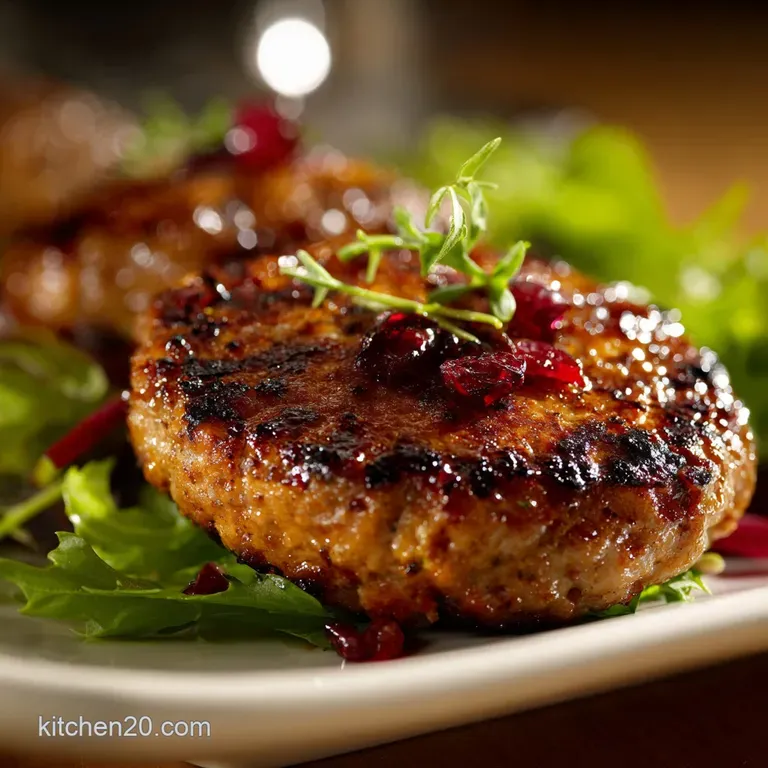
Whether you use a cast iron skillet or a grill, ensure the surface is properly preheated and oiled. Don't move the burger for the first 4– 5 minutes. This is how you develop that deep, flavorful brown crust the sear. Once it releases easily from the surface, then you flip it.
Troubleshooting and Pro Tips for Flawless Results
We've all faced sticky grills and crumbling patties. Here are the fixes for the most common turkey burger issues.
Preventing Patty Crumbling (The Binder Fix)
If your mixture feels too loose when you form the patties, you likely used too little binder, or your turkey mince was extremely lean. The fix? Add 1 2 teaspoons of chilled water, or better yet, one extra tablespoon of Panko breadcrumbs. This will absorb any lingering surface moisture and give the patty strength.
Dealing with Sticking on the Grill or Pan
Sticking occurs because the surface wasn't hot enough, or it wasn't oiled properly. When using a grill, brush a little oil directly onto the patties right before placing them on the hot grates.
If using a skillet, wait until the oil is shimmering before placing the burgers down, ensuring they achieve a quick, protective sear.
The Importance of Resting the Turkey Burger
This step is non-negotiable for juicy results. When the patty comes off the heat, the internal juices are frantic and centralized. Resting the burger for 5 minutes allows those juices to settle and redistribute throughout the meat.
If you slice into it immediately, all that hard earned moisture will run straight onto the board.
Preparation and Preservation: Storing Cooked and Raw Turkey Burgers
Prep work saves so much time later in the week, and turkey burgers freeze surprisingly well if you treat them right.
Safely Chilling the Mixture Before Forming
The chilling time ( 30 minutes minimum) is vital for setting the patty structure. This stiffens the fat and fully hydrates the Panko binder, making the patty far easier to handle and less likely to break apart on the grill. Never skip the chill.
If you plan to make a big batch for later, chill the mince mixture for an hour first, then form the patties, and move to freezing.
Best Practices for Freezing Patties
To freeze raw patties, form them, dimple them, and then layer them between squares of parchment paper on a tray. Flash freeze for about an hour until solid. Once firm, stack them in a heavy duty freezer bag, squeezing out all the air. They will keep well for up to three months.
Cook them directly from frozen, adding about 5– 8 minutes to the total cooking time, always checking for 165°F (74°C).
Reheating Cooked Burgers Without Drying Them Out
Reheating is where most people mess up! The best way to reheat a cooked turkey burger is gently in an oven or air fryer. Wrap the patty tightly in foil and bake at 300°F (150°C) for about 10– 12 minutes until warmed through.
The foil traps the moisture, essentially steaming the patty back to life. Avoid the microwave unless you enjoy tough food.
Elevated Pairings: What to Serve Alongside Your Turkey Burgers
These burgers are hardy enough for classic pairings, but their clean flavour profile also allows for fun, unconventional sides.
Skip the heavy starch sometimes and opt for a bright, vinegary slaw. I like mine with a lot of apple and maybe a tiny bit of caraway seed. For a serious meal, you absolutely cannot go wrong with a batch of properly crisp oven fries or some salty, thick sweet potato wedges.
If you’re feeling extra, a smear of homemade basil pesto mayo takes this burger right over the top.

Recipe FAQs
How do I prevent my turkey burgers from being dry and cardboard like?
The primary defense against dryness is moisture inclusion, such as the grated onion and Panko suggested in the recipe, and accurate cooking. Ensure you do not overwork the meat mixture, which can compress proteins and squeeze out moisture, and always use a meat thermometer.
Can I prepare these burgers ahead of time and freeze them?
Absolutely. Form the patties, place wax or parchment paper between each one, and seal them tightly in an airtight freezer bag or container. They will maintain quality for up to 3 months; thaw them overnight in the refrigerator before cooking.
What is a good substitute if I don't have Panko breadcrumbs?
While Panko offers superior texture, standard dried breadcrumbs are a suitable replacement, though you may need slightly less due to their finer particle size. For a gluten-free alternative, finely ground oats or almond flour work well when mixed with an extra tablespoon of egg white to ensure proper binding.
My burgers are falling apart on the grill. What am I doing wrong?
Patties that fall apart usually indicate the mixture was either too wet or insufficiently chilled before cooking. Ensure you chill the formed patties for at least 30 minutes so the binders set firmly before they hit the heat.
Avoid pressing down on the burgers while they cook, as this destabilizes the structure and forces out critical moisture.
How do I know when the turkey burgers are truly cooked through and safe to eat?
Because ground poultry cannot be eaten pink, the only reliable method is using a meat thermometer inserted into the center of the patty. Turkey must reach an internal temperature of 165°F (74°C) to be considered safe for consumption.
Can these turkey burgers be baked in the oven instead of pan-fried?
Yes, baking is an excellent, hands off method, especially for cooking large batches. Place the patties on a parchment lined baking sheet and bake at 375°F (190°C) for 20 25 minutes, flipping halfway through, until they reach the required 165°F internal temperature.
My burgers taste a little bland. How can I boost the flavor next time?
Seasoning is key; ensure you are using enough salt and pepper to flavor the entire patty mixture before forming. If you want a deeper umami profile, try adding a teaspoon of Dijon mustard or a splash of Worcestershire sauce directly into the raw mixture.
Juicy Herb Infused Turkey Burgers Recipe
Ingredients:
Instructions:
Nutrition Facts:
| Calories | 300 calories |
|---|---|
| Fat | 14 g |
| Fiber | 0.5 g |
