Homemade Turkey Meatballs: Juicy and Tender
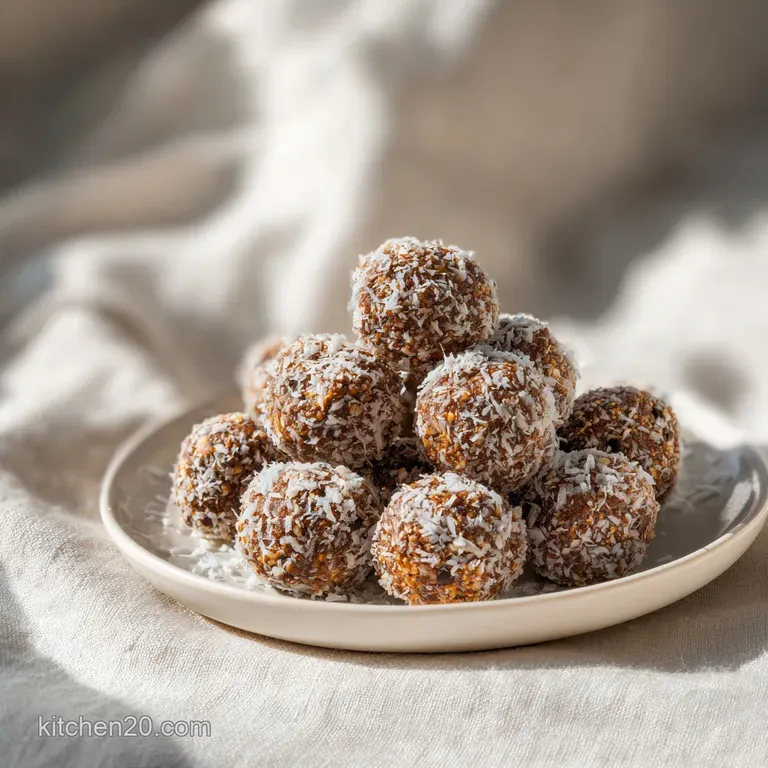
- Time: Active 15 minutes, Passive 20 minutes, Total 35 minutes
- Flavor/Texture Hook: Silky interior with a golden, savory crust
- Perfect for: High efficiency weeknight dinners and streamlined meal prep
- Logic Behind the Texture and Flavor
- Essential Components for This Dish
- Tools to Streamline Your Kitchen Workflow
- Clear Instructions for Perfect Oven Roasting
- Fixing Texture Issues and Common Failures
- Simple Modifications for Variety and Taste
- Guidelines for Proper Refrigeration and Freezing
- Ideal Pairings for a Complete Meal
- Recipe FAQs
- 📝 Recipe Card
Picture this: It's 6:00 PM on a Tuesday, your brain is fried from back-to-back meetings, and the last thing you want is a complicated culinary project. But then you catch that first scent of garlic and oregano hitting the hot air as the oven preheats.
There is a specific, comforting sizzle that happens when the meat hits the parchment paper, promising a meal that feels way more high effort than it actually was. I used to think turkey was the "boring" cousin of beef until I realized it’s just a blank canvas waiting for the right system to make it shine.
We are going for efficiency here, my friend. I’ve spent way too many nights scraping stuck on meat off a frying pan, which is why we’re sticking to the oven for this. It’s faster, cleaner, and gives you twenty minutes to actually breathe (or tackle the mountain of mail on the counter) while the magic happens.
The goal is a meatball that is velvety enough to melt into a sauce but sturdy enough to hold its own next to a pile of roasted veggies.
Trust me, once you see how the panade transforms 93% lean turkey from "cardboard" to "crave worthy," you’ll never go back to just mixing meat and crumbs in a bowl. We’re using smart shortcuts like a cookie scoop and a over high heat roast to get that golden exterior without the hassle of stovetop searing.
Let’s get into why this system actually works and how you can streamline your kitchen flow to get this on the table in under forty minutes.
Logic Behind the Texture and Flavor
Success in the kitchen isn't about luck, it’s about understanding how your ingredients interact under pressure. Turkey is notoriously lean, which means it doesn't have the fat cushion that beef or pork provides.
To fix that, we have to engineer moisture back into the equation before the heat even touches the meat.
- Hydration Buffer: The milk and panko mixture creates a "panade" that coats the meat fibers, physically stopping them from bunching together into a tough, dense knot.
- Fat Substitution: Parmesan cheese and olive oil introduce necessary lipids that mimic the mouthfeel of higher fat meats without making the dish feel heavy.
- Thermal Efficiency: Roasting at 400°F (200°C) allows the exterior to brown and develop flavor through a rapid sear while the center stays juicy.
- Protein Protection: Using a beaten egg acts as a binder that sets quickly, trapping the steam inside the meatball so the liquid doesn't just leak out onto the tray.
| Method | Time | Texture | Best For |
|---|---|---|---|
| oven-roasted | 20 minutes | Even browning, juicy | Large batches, hands off prep |
| air-fried | 12 minutes | Super crispy skin | Maximum crunch, small portions |
| Stovetop Pan Sear | 15 minutes | Deeply charred crust | Adding to a simmering sauce |
When you are looking for that perfect balance of speed and quality, the oven is the undisputed winner. It allows the heat to circulate around each ball, creating a consistent texture that is hard to replicate in a crowded pan. If you've ever dealt with turkey being too dry, you might want to look into how a Turkey Brine Recipe works for larger birds, as the principle of salt and moisture retention is very similar here.
Essential Components for This Dish
| Ingredient | Science Role | Pro Secret |
|---|---|---|
| Ground Turkey (93% lean) | Primary Protein | Keep it cold until the very second you mix it to maintain fat structure. |
| Panko Breadcrumbs | Moisture Trap | Use Panko over fine crumbs; the larger surface area absorbs more milk for a lighter ball. |
| Parmesan Cheese | Umami & Fat | Freshly grated melts better and adds a salty, savory depth that pre shaken stuff lacks. |
| Whole Milk | Hydration Agent | The fat in whole milk helps emulsify the panade for a silkier interior. |
The Meat and Binder
- 1 lb ground turkey (93% lean): Why this? Good balance of protein and fat without being overly greasy. (Sub: Ground chicken)
- 1 large egg, beaten: Why this? Provides structural integrity and richness. (Sub: 1/4 cup unsweetened applesauce for a binder swap)
- 0.5 cup panko breadcrumbs: Why this? Creates a light, airy structure rather than a dense one. (Sub: Crushed crackers)
- 0.25 cup whole milk: Why this? Hydrates the breadcrumbs to prevent the meat from drying out. (Sub: Beef or vegetable broth)
The Flavor Profile
- 0.5 cup freshly grated Parmesan cheese: Why this? Adds salt, fat, and a savory "punch". (Sub: Pecorino Romano)
- 3 cloves garlic, minced: Why this? Essential aromatic for that classic meatball aroma. (Sub: 1 tsp garlic powder)
- 0.25 cup fresh parsley, finely chopped: Why this? Cuts through the richness with a bright, herbal note. (Sub: 2 tsp dried parsley)
- 1 tsp dried oregano: Why this? Provides the "Italian" backbone to the flavor profile. (Sub: Dried basil)
- 0.5 tsp onion powder: Why this? Adds savory depth without the moisture of fresh onions. (Sub: Very finely minced shallots)
- 1 tsp sea salt: Why this? Enhances every other flavor in the bowl. (Sub: Kosher salt)
- 0.5 tsp cracked black pepper: Why this? Adds a subtle, warm bite. (Sub: White pepper)
- 1 tbsp extra virgin olive oil: Why this? Adds necessary lipids for a better mouthfeel. (Sub: Avocado oil)
Tools to Streamline Your Kitchen Workflow
Efficiency is about using the right gear to minimize cleaning and maximize consistency. You don't need a kitchen full of gadgets, but two or three specific items make this recipe foolproof. First, a rimmed baking sheet is non negotiable. You want those juices contained, not dripping into the bottom of your oven.
Second, a 1.5 tablespoon cookie scoop is the secret to getting 22-24 identical meatballs every single time. Why does that matter? If they are all the same size, they all finish cooking at the exact same moment.
No more cutting into three different balls to see if the big ones are done while the small ones turn into pebbles. Finally, parchment paper is your best friend. It prevents sticking and means your cleanup consists of throwing away a piece of paper rather than scrubbing a tray for ten minutes.
Chef's Tip: If the meat mixture feels too sticky to handle, lightly coat your hands in olive oil or water. This creates a barrier that lets you roll perfectly smooth spheres without the turkey clinging to your palms.
Clear Instructions for Perfect Oven Roasting
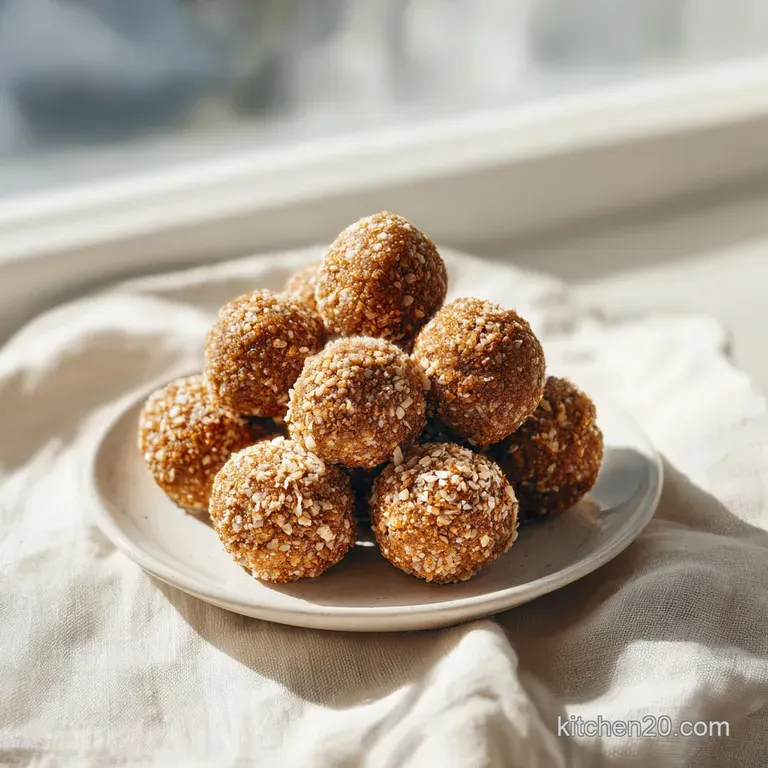
- Whisk the liquids. In a large mixing bowl, whisk together the beaten egg, milk, panko breadcrumbs, and extra virgin olive oil. Note: This creates the panade base.
- Hydrate the panade. Let the mixture sit for 5 minutes until the breadcrumbs have fully absorbed the liquid.
- Incorporate seasonings. Add the minced garlic, grated Parmesan cheese, chopped parsley, dried oregano, onion powder, sea salt, and black pepper to the hydrated panade.
- Form the flavor paste. Stir the aromatics into the crumbs until a thick, uniform paste forms.
- Add the turkey. Place the ground turkey into the bowl with the flavor paste.
- Fold gently. Using a fork or light fingers, gently fold the meat into the paste until just combined. Note: Over working the meat causes the proteins to cross link, making them tough.
- Scoop the portions. Using a 1.5 tablespoon cookie scoop, portion the mixture into approximately 22-24 individual mounds.
- Shape with wet hands. Roll each mound into a smooth ball until no large cracks remain on the surface.
- Prepare for baking. Place the meatballs on a parchment lined rimmed baking sheet, leaving about an inch of space between each.
- Roast until golden. Bake at 400°F (200°C) for 20 minutes until the exterior is golden brown and the internal temperature reaches 165°F.
Fixing Texture Issues and Common Failures
Why Your Meatballs Are Rubbery
This usually happens because the meat was over mixed. When you mash ground turkey too much, the proteins bond together so tightly that they squeeze out all the moisture, leaving you with a bouncy, rubbery texture.
Think of it like kneading bread dough; you want to develop gluten in bread, but you want to avoid developing "toughness" in meat. Stop mixing the very second you don't see any more streaks of plain turkey or clumps of panade.
Why Your Meatballs Are Falling Apart
If your balls are disintegrating on the tray, the panade wasn't hydrated enough or the binder was too weak. Panko needs time to soak up the milk; if you skip that five minute rest, the dry crumbs will actually pull moisture out of the meat rather than providing a buffer.
Also, make sure you aren't skipping the egg, as it’s the "glue" that holds the structure together while the proteins set in the heat.
| Problem | Root Cause | Solution |
|---|---|---|
| Dry/Mealy Texture | Using 99% fat free turkey | Use 93% lean or add an extra teaspoon of olive oil to the mix. |
| Uneven Browning | Crowded baking sheet | Ensure at least 1 inch of space between balls to allow air circulation. |
| Bland Flavor | Under seasoning the paste | Taste a tiny piece of the cooked mix or ensure you use fresh Parmesan. |
Common Mistakes Checklist
- ✓ Never use 99% lean turkey unless you are prepared for a very dry result; 93% is the sweet spot for flavor.
- ✓ Don't skip the 5 minute soak for the breadcrumbs; it’s the most important step for moisture.
- ✓ Avoid over mixing the meat; use a fork or your fingertips to "fluff" the ingredients together.
- ✓ Always preheat your oven fully before the tray goes in to ensure an immediate sear.
- ✓ Use a meat thermometer to check for 165°F; even 5 extra minutes can dry out turkey.
Simple Modifications for Variety and Taste
The beauty of this system is that once you have the base down, you can swap the aromatics to fit any cuisine. If you want a Mediterranean vibe, go for Zesty Greek Turkey Meatballs by swapping the parsley for fresh dill, adding some lemon zest, and replacing the Parmesan with crumbled Feta.
It’s a complete shift in flavor without changing the prep time.
For those looking for Low Carb & Paleo Swaps, you can replace the panko with almond flour. Keep in mind that almond flour doesn't absorb liquid the same way breadcrumbs do, so you may need to reduce the milk by half to keep the mixture from becoming too sloppy. If you're in the mood for something truly decadent, you could even serve these with a rich sauce I often use Turkey Gravy From Scratch recipe when I want a more "comfort food" feel rather than the standard marinara.
If you want X, do Y
- If you want more crunch, roll the finished meatballs in extra panko before baking.
- If you want a spicy kick, add 1/2 teaspoon of red pepper flakes to the seasoning paste.
- If you want "Hidden Veggies", add 1/4 cup of very finely grated zucchini (squeeze out the water first!).
Guidelines for Proper Refrigeration and Freezing
For the best meal prep efficiency, I always make a double batch. These store incredibly well and arguably taste even better the next day after the flavors have had time to meld in the fridge.
Storage: Keep cooked meatballs in an airtight container in the refrigerator for up to 4 days. To reheat, I recommend using a toaster oven or air fryer at 350°F (180°C) for 5 minutes to keep the exterior from getting soggy.
Microwaving works in a pinch, but you’ll lose that nice crust.
Freezing: These are a freezer staple. Place the cooked and cooled meatballs on a tray in the freezer for one hour (this prevents them from sticking together), then transfer them to a freezer safe bag. They will stay fresh for up to 3 months.
You can drop them straight from the freezer into a simmering pot of sauce for an "instant" dinner.
Zero Waste: Don't toss the pan drippings or the leftover parsley stems! Parsley stems are packed with flavor and can be thrown into a freezer bag for future stocks.
If you have just 3-4 meatballs left, crumble them up and use them as a protein packed "meat sauce" for a quick lunch of pasta or over a baked potato.
Ideal Pairings for a Complete Meal
These meatballs are incredibly versatile, but I have a few favorite ways to serve them. If you're keeping it classic, a high-quality marinara and zoodles or spaghetti is the way to go. However, if you want something a bit more modern, try serving them over a bed of creamy polenta with a side of roasted broccolini.
For a lighter lunch option, these are fantastic tucked into a pita pocket with some tzatziki, cucumber, and red onion. Because they hold their shape so well, they also work as a "meatball sub" that doesn't fall apart the moment you take a bite. If you're hosting a party, serve them on a platter with toothpicks and a side of Sweet and Sour Sauce for a nostalgic appetizer that everyone actually wants to eat.
Debunking Kitchen Myths
Myth: You have to sear meatballs in a pan for them to be good. Truth: While searing adds flavor, a 400°F oven provides enough ambient heat to trigger the Maillard reaction (browning) without the mess of oil splatters or the risk of the meatballs breaking apart while you flip them.
Myth: Milk makes meatballs soggy. Truth: Milk actually does the opposite. When combined with breadcrumbs, it creates a gel like structure that keeps the meat tender. Without it, the meat proteins would simply shrink and toughen as they cook.
Myth: You can't use frozen turkey. Truth: You absolutely can, provided it is fully thawed in the refrigerator first. Never mix partially frozen meat with your panade, as the temperature difference will prevent the ingredients from emulsifying properly.
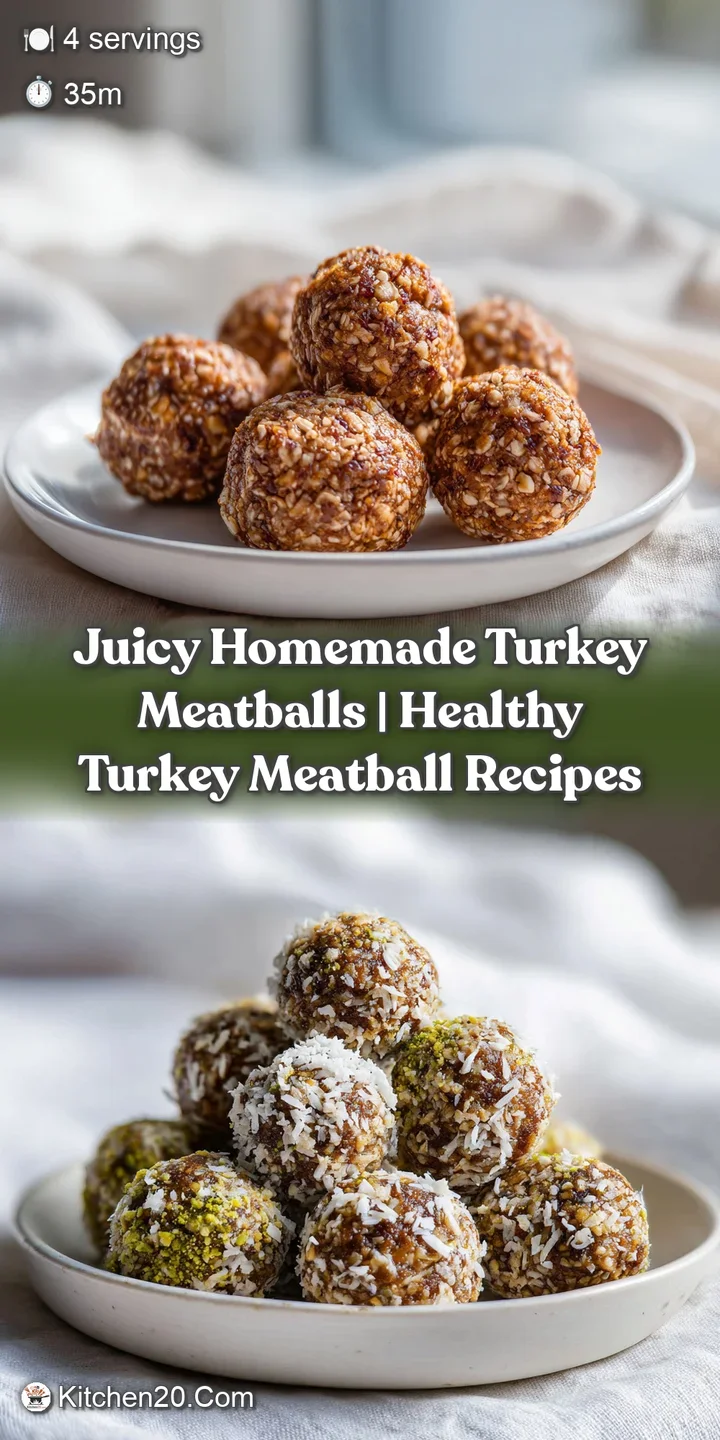
Recipe FAQs
What to put in turkey meatballs?
Combine 93% lean ground turkey with a flavor packed panade. You will need panko breadcrumbs, whole milk, egg, fresh grated Parmesan, minced garlic, fresh parsley, dried oregano, onion powder, sea salt, pepper, and olive oil.
What is a good binder for turkey meatballs?
Use a mixture of panko breadcrumbs, whole milk, and a beaten egg. This combination creates a panade that holds the structure together without compromising the delicate texture of the turkey.
What is the secret ingredient to make meatballs moist?
The panade soak is the secret to moisture. Let the panko, milk, and olive oil mixture sit for 5 minutes before adding the meat; if you mastered this technique of building moisture in sauces here, you will see how effective this hydration step is for lean proteins.
Are meatballs high in potassium?
No, this is a common misconception. While turkey contains trace amounts of minerals, these meatballs are not considered a significant source of dietary potassium compared to whole vegetables or legumes.
How to keep turkey meatballs from getting tough?
Gently fold the meat into the flavor paste just until combined. Avoid over mixing the mixture, as excessive handling develops proteins that lead to a rubbery, tough final result.
How to know when turkey meatballs are done?
Check that the internal temperature reaches 165°F using a meat thermometer. Remove them from the oven immediately once they hit this temperature to prevent the lean turkey from drying out during the 20-minute bake time at 400°F.
How to shape meatballs without the mixture sticking to your hands?
Keep your hands wet while forming the portions. Alternatively, use a 1.5 tablespoon cookie scoop to ensure the 22-24 meatballs are uniform in size, which helps them cook evenly in the oven.
Juicy Homemade Turkey Meatballs
Ingredients:
Instructions:
Nutrition Facts:
| Calories | 322 kcal |
|---|---|
| Protein | 29.1 g |
| Fat | 17.4 g |
| Carbs | 10.6 g |
| Fiber | 0.6 g |
| Sugar | 1.2 g |
| Sodium | 775 mg |
