Korean Ground Beef Bowl
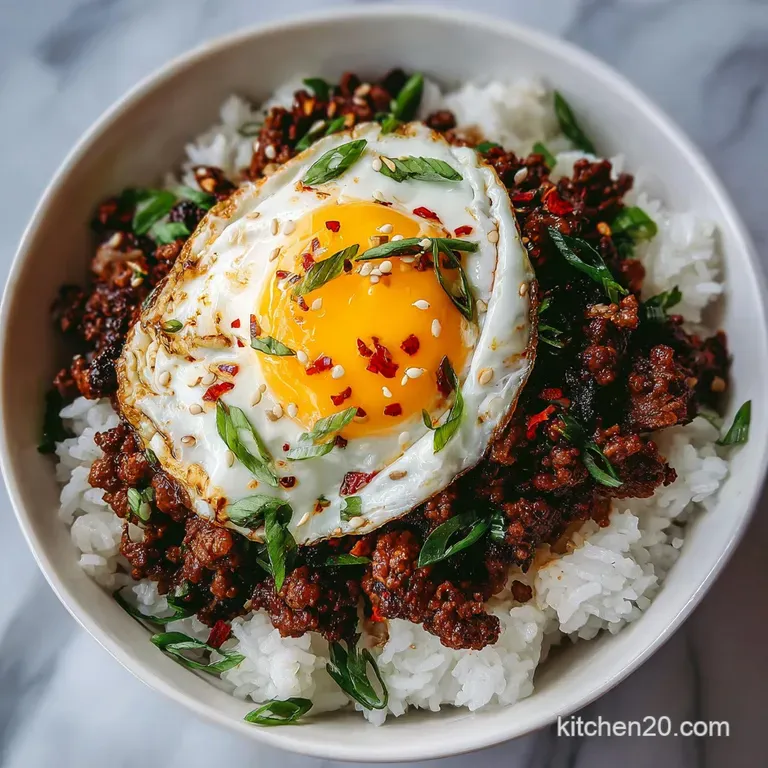
- Time: Active 10 minutes, Passive 5 minutes, Total 15 minutes
- Flavor/Texture Hook: Sticky sweet glaze with crispy beef edges
- Perfect for: High speed weeknight dinners and beginners
- 15 Minute Savory Korean Ground Beef Bowl
- Why This Specific Flavor Works
- Core Ingredients and Their Functions
- Shopping List and Smart Substitutes
- Required Tools for Quick Cooking
- Mastering the High Heat Sizzle
- Avoiding Common Texture and Flavor Mistakes
- Adapting Recipes for Different Diets
- Scaling Guidelines for Different Groups
- Avoiding Common Cooking Myths
- Storage Tips and Zero Waste
- Recipe FAQs
- 📝 Recipe Card
15 Minute Savory Korean Ground Beef Bowl
Picture this: it's 6:00 PM, you've just closed your laptop after a marathon of coding or meetings, and the "what's for dinner" panic starts to set in. We've all been there. You want something that hits that salty, sweet, and spicy trifecta, but the thought of chopping a mountain of veggies for a traditional stir fry feels like a mountain you aren't ready to climb.
That's exactly where this Korean Ground Beef Bowl saves the day.
I used to make the mistake of thinking ground beef was only for tacos or spaghetti. Honestly, don't even bother with the complicated marinades of a traditional bulgogi if you're in a rush.
This recipe relies on a hot pan and a handful of pantry staples to create something that honestly tastes like it spent hours marinating. It's punchy, it's fast, and it uses one single pan, which means you aren't stuck scrubbing dishes until midnight.
We are going to focus on getting a deep, dark sear on the meat no "grey" beef allowed in this kitchen. By the time the rice in your cooker is fluffy and ready, the beef will be glistening in a ginger garlic glaze that's so much better than anything from a plastic container.
Let's get into how we make this magic happen in under fifteen minutes.
Why This Specific Flavor Works
The magic of this dish lies in the interaction between the heat of the pan and the sugar in the sauce. When the beef hits the hot surface, we aren't just cooking it; we are transforming it.
- Maillard Reaction: High heat creates a chemical reaction between amino acids and reducing sugars, resulting in that browned, complex crust.
- Enzymatic Tenderization: Fresh ginger contains zingibain, a protease that briefly softens the meat proteins as they cook.
- Fat Soluble Aromatics: Toasting the garlic and ginger in the rendered beef fat releases flavor compounds that water based liquids can't reach.
- Emulsified Glaze: The combination of lecithin in the soy and the viscosity of brown sugar creates a sticky coating that clings to every cranny of the beef.
| Method | Time | Texture | Best For |
|---|---|---|---|
| High Heat Sear | 10 minutes | Crispy edges | Intense flavor |
| Slow Simmer | 25 minutes | Soft/Saucy | Meal prep consistency |
| Air Fryer | 12 minutes | Crumbly/Dryer | Low hands on effort |
Selecting the right method depends on your mood. If you want those "shatter" crispy bits, stick with the over high heat stovetop method. It's the only way to get that authentic sizzle that defines a great beef bowl.
Core Ingredients and Their Functions
Understanding your components is the secret to moving from a "recipe follower" to a "cook." Each item in this Korean Ground Beef Bowl serves a specific structural or chemical purpose.
| Component | Science Role | Pro Secret |
|---|---|---|
| 90% Lean Beef | Protein foundation | Pat dry before cooking to ensure a sear, not a steam. |
| Gochujang | Fermented umami | This adds "funk" and depth that Sriracha simply cannot match. |
| Light Brown Sugar | Caramelization agent | Provides the sticky "tack" that helps the sauce adhere to the meat. |
| Toasted Sesame Oil | Volatile aromatic | Always add this at the very end to prevent the delicate oils from burning. |
If you find yourself making this often, you might notice similarities in the flavor profile to our Classic Homemade Chili recipe, where building layers of umami is the name of the game. The goal here is a balance of salt, sweet, heat, and fat.
Shopping List and Smart Substitutes
Grab your shopping bag. You likely have most of this in your pantry already, but here is exactly what you need for the most successful version of this dish.
- 1 lb Lean Ground Beef (90% lean): Why this? Higher fat creates too much liquid, preventing the meat from browning properly.
- Substitute: Ground turkey or chicken (add 1 tsp oil to the pan).
- 3 cloves Garlic, minced: Why this? Provides the foundational pungency that defines the savory profile.
- Substitute: 1 tsp garlic powder (not as vibrant, but works).
- 1 tbsp Fresh Ginger, grated: Why this? Adds a bright, peppery zing and helps tenderize the protein.
- Substitute: 1/2 tsp ground ginger.
- 1/4 cup Low Sodium Soy Sauce: Why this? Salt and umami without the overwhelming sodium of regular soy.
- Substitute: Tamari or Coconut Aminos (note: aminos are sweeter).
- 3 tbsp Light Brown Sugar: Why this? The molasses content adds a deeper caramel note than white sugar.
- Substitute: Honey or Maple Syrup (adds more liquid to the glaze).
- 1 tbsp Gochujang: Why this? The backbone of Korean spice; provides heat and fermented complexity.
- Substitute: Sriracha mixed with a tiny bit of miso paste.
- 1 tsp Toasted Sesame Oil: Why this? A finish that provides a nutty, silky mouthfeel.
- Substitute: Perilla oil or a tiny drop of peanut oil.
- 2 cups Broccoli florets: Why this? Essential for texture and nutritional balance.
- Substitute: Snap peas or bok choy.
- 1/2 cup Shredded Carrots: Why this? Adds visual pop and a subtle earthy sweetness.
- Substitute: Sliced radishes or bell peppers.
- 3 cups Cooked Jasmine Rice: Why this? The floral aroma and fluffy texture soak up the sauce perfectly.
- Substitute: Cauliflower rice or brown rice.
- 2 Green Onions, thinly sliced: Why this? Freshness and a sharp bite to cut through the sugar.
- 1 tsp Toasted Sesame Seeds: Why this? Tiny pops of texture and a professional finish.
| Original Ingredient | Substitute | Why It Works |
|---|---|---|
| Gochujang (1 tbsp) | Sriracha + Miso (1 tbsp) | Miso provides the fermented depth that plain chili sauce lacks. |
| Ground Beef | Ground Turkey | Lower fat content. Note: Needs more oil to avoid sticking and dryness. |
If you enjoy the rich, savory notes of this beef, you'll definitely want to check out the technique used in The Classic Beef recipe, which also masters the art of browning meat for maximum flavor impact.
Required Tools for Quick Cooking
You don't need a high end kitchen for this, but the right pan changes everything. I personally use a large cast iron skillet because the heat retention is unmatched.
Chef's Tip: Freeze your ginger for 10 minutes before grating. It makes the fibers firm and prevents that "stringy" mess you usually get with fresh ginger.
A flat bottomed wok also works brilliantly here. The goal is surface area; you want the beef spread out so the moisture evaporates instantly. If you use a small, deep pot, the beef will just boil in its own juices, and you'll miss out on that velvety, glazed finish.
Mastering the High Heat Sizzle
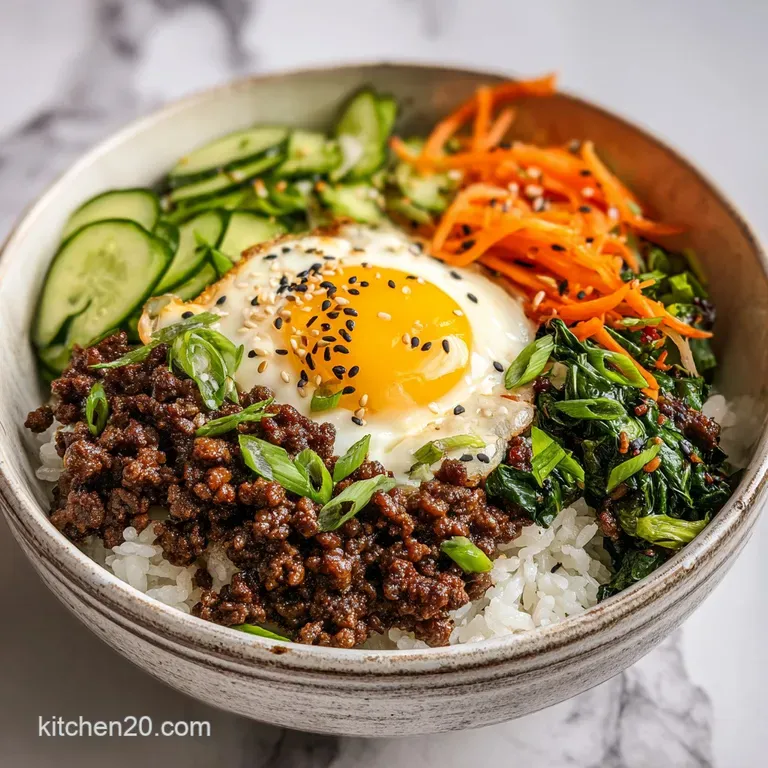
Right then, let's crack on. This happens fast, so have your sauce ingredients whisked and ready before the heat goes on.
- Prep the aromatics. Mince the garlic and grate the ginger into a small bowl.
- Heat the skillet. Set your pan over medium high heat. Note: The pan is ready when a drop of water dances and evaporates instantly.
- Sear the beef. Add the 1 lb ground beef to the hot pan. Break it up with a wooden spoon into large chunks.
- Achieve the crust. Let the beef sit undisturbed for 3 minutes until a dark brown crust forms on the bottom.
- Drain the excess. Tilt the pan and spoon out any pooled liquid, leaving just a thin coating.
- Infuse the aromatics. Toss in the garlic and ginger. Stir for 60 seconds until the scent fills your kitchen.
- Whisk the glaze. In a small cup, combine the soy sauce, brown sugar, and gochujang.
- Glaze the meat. Pour the mixture over the beef and stir. Cook for 2 minutes until the sauce bubbles and turns glossy.
- Steam the veggies. Add the broccoli and carrots with a splash of water. Cover for 2 minutes until the broccoli is bright green and crisp tender.
- Finish and assemble. Remove from heat, stir in the sesame oil, and serve over the jasmine rice. Garnish with onions and seeds.
Avoiding Common Texture and Flavor Mistakes
Even with a 15 minute meal, things can go sideways. The most common issue I see is "clumpy" meat that lacks flavor because it wasn't handled correctly at the start.
Why Your Beef Is Grey
If your beef looks grey and sad instead of dark and crispy, your pan wasn't hot enough or you overcrowded it. When meat touches a cold pan, it releases water. If that water doesn't evaporate instantly, the meat boils.
Why Your Sauce Is Runny
This usually happens if you didn't drain the beef fat or if you used too much water when steaming the veggies. The sugar needs to reach a certain concentration to become "tack," so give it an extra minute of simmering if it looks thin.
| Problem | Root Cause | Solution |
|---|---|---|
| Tough Beef | Overcooking lean meat | Remove from heat as soon as the glaze thickens. |
| Overly Salty | Regular soy sauce used | Add a teaspoon of rice vinegar or lime juice to balance. |
| Too Much Heat | Gochujang variation | Stir in a tablespoon of honey to mellow the spice. |
Common Mistakes Checklist:
- ✓ Pat the beef dry with paper towels before it hits the pan to ensure an immediate sear.
- ✓ Do not stir the beef immediately; let it sit to build that Maillard crust.
- ✓ Use a microplane for the ginger to ensure it blends into the sauce without "woody" bits.
- ✓ Wait to add the sesame oil until the heat is off to keep the flavor from turning bitter.
- ✓ Use low sodium soy sauce; the reduction process concentrates the salt significantly.
Adapting Recipes for Different Diets
If you are looking for a healthy Korean ground beef bowl, the modifications are incredibly simple. This dish is naturally high in protein, but we can tweak the carbs and fats.
Crafting a Low Carb Version
To make this keto friendly, swap the brown sugar for a monk fruit sweetener or erythritol. Instead of jasmine rice, serve the beef and broccoli over a bed of cauliflower rice or even inside large butter lettuce leaves for "bulgogi tacos." Trust me, the crunch of the lettuce is fantastic with the hot beef.
Making it Meatless
You can absolutely use plant based crumbles here. However, since plant based meat doesn't release the same fats, you'll need to add 1 tablespoon of neutral oil (like avocado oil) to the pan before starting. The science of the glaze remains the same, though the cooking time might be slightly shorter.
Scaling Guidelines for Different Groups
This recipe is incredibly easy to double, but you have to be careful with the physics of your pan.
- Scaling DOWN (1-2 people): Use a smaller 8 inch skillet. Keep the cook times the same, but be extra vigilant about the sauce burning, as smaller volumes evaporate faster.
- Scaling UP (6-8 people): Do not try to cook 2 lbs of beef in one standard skillet. Work in two separate batches for the browning stage. If you crowd the pan, you'll end up with steamed meat.
- Spice Adjustments: When doubling the recipe, only increase the Gochujang by 1.5x at first. You can always add more, but the heat builds exponentially!
| Servings | Ingredient Adjustments | Pan Size | Cook Time |
|---|---|---|---|
| 2 People | 0.5 lb beef, 1 cup broccoli | 8 inch skillet | 12 minutes |
| 4 People | 1 lb beef, 2 cups broccoli | 12 inch skillet | 15 minutes |
| 8 People | 2 lbs beef, 4 cups broccoli | Large Wok/Two pans | 20 minutes |
Avoiding Common Cooking Myths
Myth: You must marinate ground meat for flavor. The truth is, ground meat has so much surface area that a "pan glaze" is just as effective as a 4 hour marinade. The sauce coats every tiny crevice of the meat instantly.
Myth: Washing rice is optional. While it seems like an extra step, rinsing your jasmine rice removes excess surface starch. If you skip it, you get "clumpy" rice rather than the individual, fluffy grains that make a professional looking beef bowl.
Storage Tips and Zero Waste
Leftovers are a dream with this dish. In fact, some people think the flavors are even deeper the next day after the ginger and garlic have had time to fully permeate the meat.
- Storage: Keep in an airtight glass container in the fridge for up to 4 days. I prefer glass because the garlic and gochujang can sometimes stain and scent plastic containers permanently.
- Freezing: This freezes beautifully! Store the beef and veggie mixture in a freezer safe bag for up to 3 months. Thaw overnight in the fridge before reheating.
- Zero Waste: Don't throw away those broccoli stalks! Peel the woody outer layer, dice the tender core, and toss it in with the florets. It has a wonderful sweetness and crunch that adds to the bowl's texture.
Reheating Tip: When using the microwave, add a tiny splash of water and cover the bowl. This creates a mini steam chamber that revives the rice and prevents the beef from becoming "rubbery."
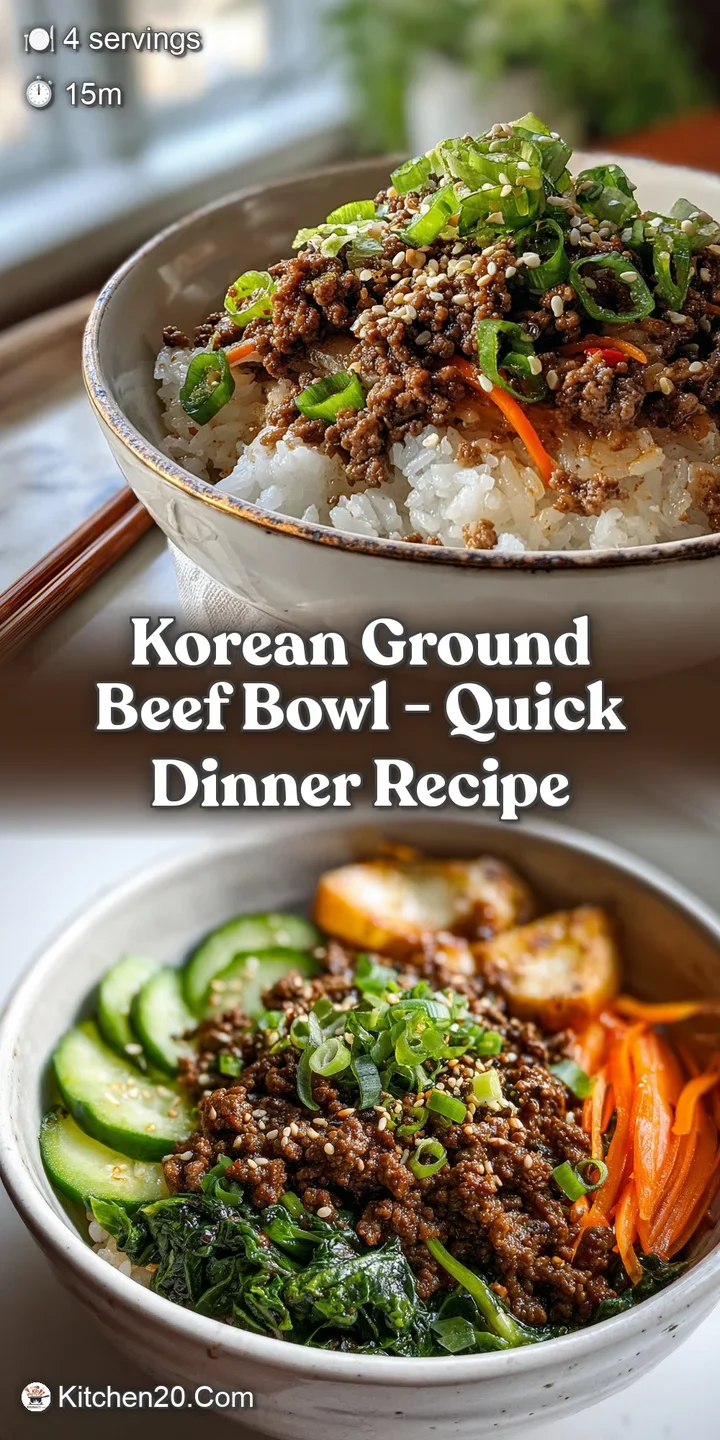
This Korean Ground Beef Bowl is proof that you don't need a lot of time or a massive budget to eat something that feels creative and satisfying. It’s all about the heat, the glaze, and that perfect 15 minute window. Enjoy your quick bites!
Recipe FAQs
What is the best type of ground beef to use for Korean Ground Beef Bowl?
90% lean ground beef is ideal. Higher fat content can release too much liquid, preventing the meat from browning properly and achieving that desirable crust.
How do I ensure my Korean Ground Beef Bowl has crispy edges instead of grey meat?
Use a very hot skillet and don't overcrowd the pan. Allowing the beef to sear undisturbed for a few minutes builds a dark brown crust, crucial for texture and flavor, much like the high heat sear in our stroganoff recipe.
Can I make Korean Ground Beef Bowl with ground turkey or chicken?
Yes, but add a little oil. Ground turkey or chicken are leaner and may stick more; adding about a teaspoon of neutral oil to the pan before cooking helps prevent dryness and promotes browning.
Why is my sauce runny instead of thick and glossy?
This usually means the sauce hasn't reduced enough or too much liquid was added. Ensure you drain excess fat from the beef before adding the sauce and simmer for an extra minute or two until it thickens to a glossy consistency.
How long can I store leftover Korean Ground Beef Bowl?
Up to 4 days in an airtight container in the refrigerator. The flavors often meld and deepen overnight, making leftovers delicious.
Can I make this recipe vegetarian or vegan?
Yes, by using plant based crumbles. You'll need to add a tablespoon of neutral oil to the pan since plant based alternatives don't release their own fats, but the glaze technique still works wonderfully.
Is it true that I need to marinate ground meat for Korean flavor?
No, this is a common misconception. Ground meat's high surface area means a quick pan glaze applied during cooking is just as effective at infusing flavor as a long marinade.
Korean Ground Beef Bowl
Ingredients:
Instructions:
Nutrition Facts:
| Calories | 418 kcal |
|---|---|
| Protein | 28.1 g |
| Fat | 10.4 g |
| Carbs | 51.3 g |
| Fiber | 2.1 g |
| Sugar | 11.8 g |
| Sodium | 692 mg |
