Lemon Blueberry Bread: Velvety Crumb Guaranteed
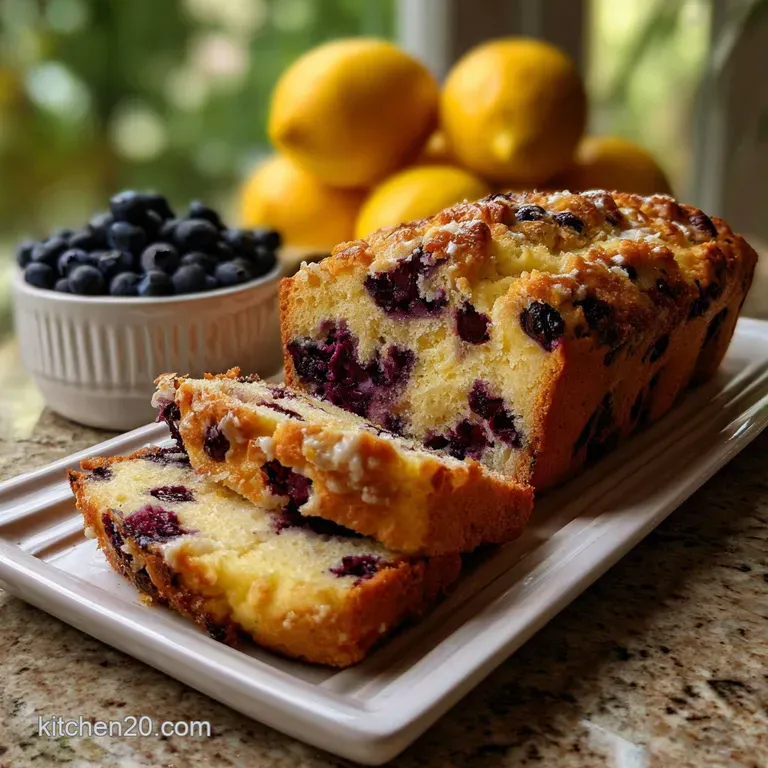
- Effort/Time: 15 minutes prep; 55 minutes bake.
- Flavor Hook: Zesty lemon-sugar punch meets bursting fruit.
- Perfect for: Weekend brunch or a grab-and-go snack.
- Mastering the Ultimate Tangy Lemon Blueberry Bread
- The Science of Moisture and Fruit Suspension
- Precision Metrics for This Zesty Loaf
- The Alchemy of Texture: Selecting Your Elements
- Technical Tools for a Velvety Crumb
- Thermal Execution and Assembly Protocol
- Why Your Loaf Sinks: Engineering Fixes
- Flavor Architecture and Dietary Adaptations
- Scaling Laws: Thermal Mass Logistics
- Common Myths
- Preservation Protocols and Texture Retention
- Enhancing the Sensory Experience
- Recipe FAQs
- 📝 Recipe Card
Mastering the Ultimate Tangy Lemon Blueberry Bread
We’ve all been there: you pull a loaf out of the oven only to find a purple streaked mess at the bottom and a crumb so dry it’s basically a kitchen sponge. I ruined four batches of Lemon Blueberry Bread before I realized that most recipes treat moisture and fruit suspension like an afterthought.
It’s frustrating when your "treat" feels like a scientific experiment gone wrong.
I spent weeks tweaking hydration ratios and testing different fats to solve the "heavy berry" problem. This Lemon Blueberry Bread is the result of that obsession. No more digging for blueberries at the bottom of the pan; no more choking down dry cake.
We are going for a velvety texture and a shatter crisp glaze that makes your kitchen smell like a boutique bakery.
The secret lies in the physics of your batter density and the chemical reaction between citrus and dairy. We aren't just mixing things in a bowl; we are building a structural network capable of holding 225g of fresh fruit without collapsing. Let’s look at the engineering behind the perfect slice.
The Science of Why it Works
The Science of Why it Works: Sour cream’s high acidity weakens gluten strands for a velvety crumb while its fat content coats flour proteins to prevent staling.
Coating berries in flour increases surface friction, preventing gravity from pulling them through the batter during the early stages of starch gelatinization.
The Science of Moisture and Fruit Suspension
- Lipid Barrier: Neutral oil remains liquid at room temperature, ensuring the Lemon Blueberry Bread feels moist even three days later.
- Acid Base Expansion: Lemon juice and sour cream react with baking soda to create immediate CO2 bubbles, providing an airy lift.
- Hygroscopic Balance: Granulated sugar attracts water molecules, locking moisture into the crumb to prevent it from becoming a "hockey puck."
- Turgor Pressure: Fresh blueberries provide bursts of steam during baking, creating internal moisture pockets without thinning the batter.
Precision Metrics for This Zesty Loaf
| Metric | Value |
|---|---|
| Yield | 12 servings |
| Prep Time | 15 minutes |
| Cook Time | 55 minutes |
| Calories | 306 kcal per serving |
| Total Fat | 13.9 g |
| Total Sugar | 28.5 g |
The Alchemy of Texture: Selecting Your Elements
Selecting the right components for your Lemon Blueberry Bread is about more than just what’s in the pantry; it’s about chemical compatibility.
Ingredient Chemistry Breakdown
| Ingredient | Chemical/Physical Role (Science) | The Pro Secret (Why This Matters) |
|---|---|---|
| Tillamook Sour Cream | Lowers pH to tenderize gluten | High fat (18%+) creates a richer mouthfeel than yogurt |
| Fine Sea Salt | Enhances flavor via ion-channel activation | Sharpens the contrast between tart lemon and sweet sugar |
| Fresh Blueberries | Provides localized steam for crumb expansion | Fresh fruit maintains structural integrity better than frozen |
| Fresh Lemon Zest | Releases essential oils (limonene) | Oils provide 10x more aromatic punch than juice alone |
Essential Components and Substitutions
- 1.5 cups (190g) King Arthur All-Purpose Flour: Why this? 11.7% protein provides enough structure to support heavy fruit without being tough.
- Substitute: 1:1 gluten-free flour blend (ensure it contains Xanthan gum). Note: Results in a slightly grittier texture.
- 1 cup (200g) Domino Granulated Sugar: Why this? Fine crystals dissolve quickly into the wet emulsion for even browning.
- Substitute: Raw cane sugar. Note: Adds a molasses note and crunchier exterior.
- 1 cup (245g) Tillamook Full Fat Sour Cream: Why this? Thick consistency prevents blueberries from sinking prematurely.
- Substitute: Greek Yogurt (5% fat). Note: More protein heavy, leading to a slightly sturdier, less "melt-in-mouth" crumb.
- 0.5 cup (120ml) Neutral Oil (Canola or Avocado): Why this? Lacks the dairy solids of butter, keeping the bread soft when cold.
- Substitute: Melted coconut oil. Note: Adds a faint tropical aroma; bread will firm up more in the fridge.
- 1.5 cups (225g) Fresh Blueberries:
- Substitute: Frozen blueberries. Note: Do not thaw, or they will bleed purple streaks through the batter.
- 1 tsp Nielsen Massey Pure Vanilla Extract:
- Substitute: Vanilla bean paste. Note: Offers visual "specks" and a more intense floral aroma.
Technical Tools for a Velvety Crumb
To achieve the "Masterclass" Lemon Blueberry Bread, your equipment must manage heat distribution effectively.
- USA Pan 9x5 Loaf Pan: The aluminized steel and corrugated surface ensure even browning and prevent the bottom from scorching.
- Microplane Zester: This tool shears the zest into microscopic ribbons, maximizing the release of citrus oils without the bitter white pith.
- KitchenAid Silicone Spatula: Crucial for the "folding" stage to avoid overworking the gluten network.
- Pyrex Glass Mixing Bowls: Non-reactive material ensures the lemon juice doesn't take on a metallic tang.
Thermal Execution and Assembly Protocol
1. Prep and Aromatics
Preheat your oven to 350°F (175°C). Grease your USA Pan Loaf Pan with non-stick spray or parchment paper. In a small bowl, toss 1.5 cups blueberries with 1 tbsp flour until every berry is matte and chalky.
Note: This creates a "grip" so the berries cling to the batter instead of sliding.
2. Emulsify Wet Ingredients
In a large Pyrex bowl, whisk 1 cup sugar, 1 cup sour cream, 0.5 cup oil, 2 eggs, 2 tbsp zest, 1 tbsp juice, and 1 tsp vanilla until the mixture is glossy and pale yellow. Note: Proper emulsification ensures even fat distribution for a consistent crumb.
3. Incorporate Dry Ingredients
Sift 1.5 cups flour, 1 tsp baking powder, 0.5 tsp baking soda, and 0.5 tsp salt directly into the wet mix. Whisk gently until only a few white streaks remain. Note: Over mixing at this stage develops gluten, leading to a tough, bready texture.
4. Folding and Baking
Using a silicone spatula, fold the flour coated blueberries into the batter until just distributed. Pour into the prepared pan. Bake for 55 minutes until the top is mahogany brown and a toothpick inserted in the center comes out clean or with a few dry crumbs.
5. Glazing and Finishing
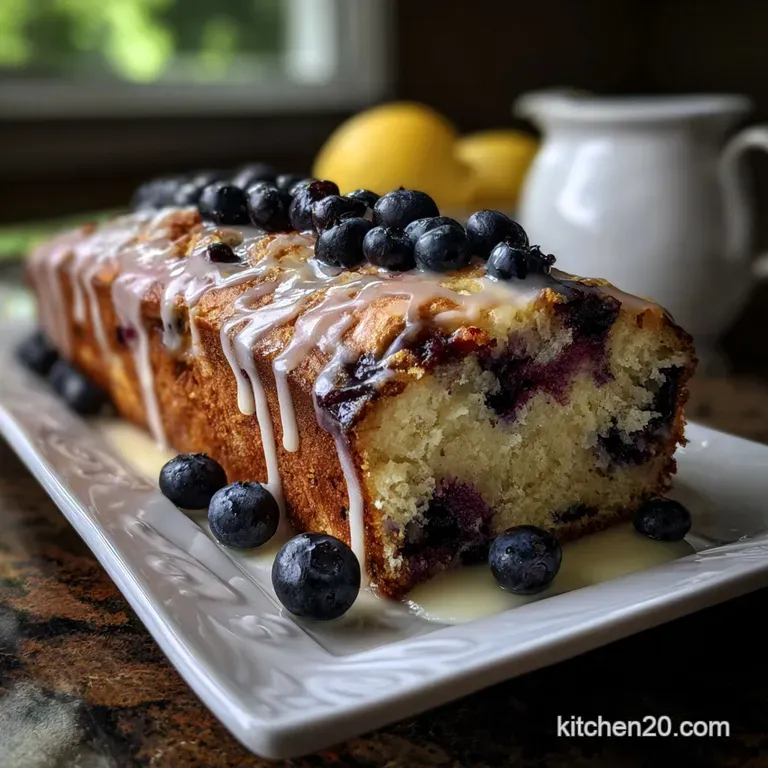
Whisk 1 cup powdered sugar with 3 tbsp lemon juice until it reaches the consistency of heavy cream. Pour over the Lemon Blueberry Bread while it is still slightly warm (about 15 minutes out of the oven) until the glaze begins to set into a translucent shell.
Chef's Tip: Rub your lemon zest into the granulated sugar with your fingertips for 2 minutes before adding other ingredients. The abrasive sugar crystals rupture the oil sacs in the zest, deeply infusing the entire loaf with citrus flavor.
Why Your Loaf Sinks: Engineering Fixes
Maintaining the structure of Lemon Blueberry Bread requires understanding the physics of a rising cake. If you've enjoyed the moisture in my Banana Bread recipe, you'll find the science here similar but with added acidity challenges.
Why Your Blueberries Sink
When the batter heats up, its viscosity drops (it gets thinner). If the blueberries are heavier than the surrounding batter and have no "grip," they succumb to gravity.
| Problem | Root Cause | The Fix | Pro Protocol |
|---|---|---|---|
| Sinking Berries | Batter too thin or berries too wet | Toss in flour; use full fat sour cream | Use smaller berries; they have a better surface area-to-weight ratio |
| Sunken Middle | Underbaked or door opened too early | Bake until 205°F internal temp | Avoid "peeking" before 45 minutes to prevent heat loss |
| Dense/Gummy Bottom | Over mixing or too much liquid | Mix until "just combined" | Ensure eggs are room temp to maintain emulsion stability |
The Science of the Sunken Middle
A sunken middle in your Lemon Blueberry Bread usually indicates a failure in the starch gelatinization process. If the oven temperature is too low or the leavening agent is expired, the CO2 bubbles will expand and then collapse before the flour's starches can set into a rigid structure. Much like the delicate balance in an Italian Christmas Cookies recipe, precision with leavening is non-negotiable.
Flavor Architecture and Dietary Adaptations
The "Healthy Dessert" Swap
To reduce the glycemic load of your Lemon Blueberry Bread, you can replace half the sugar with an erythritol blend. However, be aware that sugar is a liquefier; removing it will result in a drier loaf. Increase the sour cream by 2 tablespoons to compensate for the lost moisture.
gluten-free Adaptation
When using a gluten-free blend, let the batter rest in the pan for 15 minutes before baking. This allows the rice flours to hydrate, preventing the "gritty" mouthfeel common in GF bakes. This technique is similar to the hydration used in my The Quintessential Blueberry recipe.
Scaling Laws: Thermal Mass Logistics
When you decide to double this Lemon Blueberry Bread, you cannot simply double everything and expect the same results.
- Thermal Mass Warning: Doubling the batter in a single large pan (if you could find one) would result in the edges burning before the center ever reaches 200°F. Always bake in two separate 9x5 pans.
- The 1.5x Salt Rule: When doubling, use only 1.5x the salt (0.75 tsp instead of 1 tsp). Salt doesn't scale linearly in baked goods and can easily become overpowering.
- Leavening Precision: Scale baking powder and soda exactly. Excess leavening will cause the loaf to rise too fast and collapse.
- Oven Airflow: Ensure at least 2 inches of space between the pans in the oven. If they are too close, the "cold" mass of the batter will create a localized temperature drop, extending your bake time by 15 20%.
Common Myths
- Myth: You must use fresh blueberries for the best result.
Truth: Frozen berries work beautifully and often have a higher nutrient density. Just don't thaw them, or the excess moisture will ruin the crumb's pH balance.
Myth: Over mixing doesn't matter if you use sour cream.
- Truth: Sour cream tenderizes, but it cannot stop the formation of tough gluten ropes if you whip the batter. Treat it like a delicate cloud.
Preservation Protocols and Texture Retention
Storage
Store your Lemon Blueberry Bread at room temperature in an airtight container for up to 3 days. The sugar in the glaze acts as a mild preservative, but the high moisture content from the berries makes it prone to mold if left in a humid environment.
Freezing
Wrap individual slices in plastic wrap, then place them in a heavy duty freezer bag. They will stay fresh for up to 3 months. To reheat, toast the slice directly from frozen for 2 minutes to restore the "shatter" to the crust.
Zero Waste Philosophy
Don't discard lemon peels.Transform: After zesting, slice the remaining peels and simmer them in a 1:1 sugar water syrup. Science: The sugar replaces the water in the peel's cellular structure, creating "candied peel" that can be used as a garnish for your next loaf.
Enhancing the Sensory Experience
For the best sensory experience, serve a slice of Lemon Blueberry Bread slightly warm with a dollop of unsalted butter. The salt in the butter will bridge the gap between the sugary glaze and the tart berry interior.
If you are serving this as part of a brunch spread, it pairs excellently with a sharp, acidic coffee like an Ethiopian Yirgacheffe. The floral notes of the coffee complement the lemon zest aromatics, while the bread’s fat content cuts through the coffee’s acidity.
This is more than just a snack; it's a study in flavor balance and technical execution. Enjoy the velvety texture and that unmistakable "pop" of a perfectly suspended blueberry.

Recipe FAQs
Why does my blueberry bread always sink in the middle?
This happens when the batter structure fails before the center finishes baking. Undercooking is the primary cause, but overly heavy fruit placement prevents the internal steam from fully supporting the crumb structure.
- Ensure oven temperature is accurate
- Fold berries gently, do not mix vigorously
- Always perform the toothpick test deep in the center
Can I use frozen blueberries instead of fresh ones?
Yes, but lightly dust them with flour first. This prevents them from sinking rapidly to the bottom during the initial bake phase. Frozen berries release more moisture, slightly increasing the required bake time compared to fresh fruit.
Is buttermilk strictly required for this high moisture texture?
Substitute with milk mixed with lemon juice. The acid in buttermilk reacts with baking soda to create immediate lift and the signature velvety crumb. If you enjoyed mastering the texture control here, see how we adapt that same acid activation principle in Easy Homemade Blueberry Cobbler Recipe Buttery Topping.
How do I prevent the top crust from burning before the center cooks?
Tent the loaf loosely with aluminum foil halfway through baking. Covering the top shields the exterior sugars from excessive direct heat exposure, allowing the interior starches to fully set without scorching the exterior. This technique is essential for maintaining a soft crust.
Must I use an electric mixer for creaming the butter and sugar?
No. Hand whisking works fine for this recipe. The method relies on incorporating air via mechanical action, which a sturdy hand whisk can achieve adequately, especially if ingredients are room temperature.
Focus on the goal of achieving a pale, fluffy mixture, similar to whipping eggs for an omelet.
Can I use baking powder instead of baking soda?
Baking soda provides necessary lift with the lemon’s acidity. Baking powder contains its own acid source, leading to an unbalanced leavening ratio and potentially metallic aftertaste if substituted directly. For different leavening profiles, consider the slow fermentation approach used in The Proper Crumb Classic Rustic Sourdough Bread Recipe.
Myth: A dark loaf pan guarantees a crispier crust.
Myth: A dark loaf pan guarantees a crispier crust. Reality: Dark pans absorb more radiant heat, causing the sides and bottom to cook faster than lighter pans. This often results in over browning or burning the edges before the center is done.
Lemon Blueberry Bread Recipe
Ingredients:
Instructions:
Nutrition Facts:
| Calories | 306 kcal |
|---|---|
| Protein | 3.3 g |
| Fat | 13.9 g |
| Carbs | 42.1 g |
| Fiber | 1.2 g |
| Sugar | 28.5 g |
| Sodium | 185 mg |
